- English
- French
- German
- Portuguese
- Spanish
- Russian
- Japanese
- Korean
- Arabic
- Greek
- German
- Turkish
- Italian
- Danish
- Romanian
- Indonesian
- Czech
- Afrikaans
- Swedish
- Polish
- Basque
- Catalan
- Esperanto
- Hindi
- Lao
- Albanian
- Amharic
- Armenian
- Azerbaijani
- Belarusian
- Bengali
- Bosnian
- Bulgarian
- Cebuano
- Chichewa
- Corsican
- Croatian
- Dutch
- Estonian
- Filipino
- Finnish
- Frisian
- Galician
- Georgian
- Gujarati
- Haitian
- Hausa
- Hawaiian
- Hebrew
- Hmong
- Hungarian
- Icelandic
- Igbo
- Javanese
- Kannada
- Kazakh
- Khmer
- Kurdish
- Kyrgyz
- Latin
- Latvian
- Lithuanian
- Luxembou..
- Macedonian
- Malagasy
- Malay
- Malayalam
- Maltese
- Maori
- Marathi
- Mongolian
- Burmese
- Nepali
- Norwegian
- Pashto
- Persian
- Punjabi
- Serbian
- Sesotho
- Sinhala
- Slovak
- Slovenian
- Somali
- Samoan
- Scots Gaelic
- Shona
- Sindhi
- Sundanese
- Swahili
- Tajik
- Tamil
- Telugu
- Thai
- Ukrainian
- Urdu
- Uzbek
- Vietnamese
- Welsh
- Xhosa
- Yiddish
- Yoruba
- Zulu
Why Imidacloprid Is a Must-Use Insecticide?
share:
Imidacloprid is the most important tool for controlling pests today because it works on a systemic level and on a wide range of pests. This neonicotinoid herbicide changes the way farms are protected by going after the nervous systems of dangerous insects while keeping crops safe. Because it can be used in a lot of different ways, from treating seeds to spraying leaves, and because it works well against pests like aphids, whiteflies, and thrips that hurt businesses, it is essential for industrial farming and pest control operations all over the world.
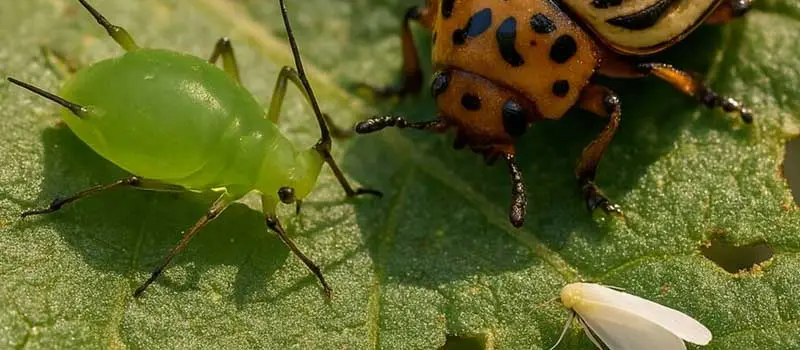
Understanding Imidacloprid and Its Importance in Pest Control
Chemical Structure and Mode of Action
This chloronicotinyl pesticide is different from other bug control methods because it works throughout the body. As a high-affinity activator of nicotinic acetylcholine receptors in insect nervous systems, Imidacloprid is a neonicotinoid chemical compound. This special way of working paralyses and kills pests by overexciting their nerves. It only works on insect sensors and not on human ones.
The basic formula for the molecule, C9H10ClN5O2, makes it very stable in a wide range of situations. Because it is systemically mobile, it can move from the roots to the leaves through the plant's xylem, making a shield that protects the whole structure. This feature is very helpful for getting rid of pests that are hidden or that live on the undersides of leaves, where direct spray contact is still hard.
Target Pest Spectrum and Agricultural Applications
Pest populations that are immune to standard organophosphates, carbamates, and pyrethroids are putting more and more stress on modern agriculture. This active ingredient solves these problems by getting rid of sucking bugs like whiteflies, aphids, leafhoppers, and planthoppers. It works on pests that live in the ground, like termites, as well as special eating bugs, like Colorado beetles and rice water weevils.
It can be used commercially on a wide range of crops, such as grains, maize, sugar beets, potatoes, veggies, citrus fruits, and stone fruits. Because there are different ways to apply it (seed washing, soil treatment, and aerial application), farmers can change how they control pests based on the needs of their crops and the level of pest pressure.
Safety, Environmental Impact, and Regulatory Status
Toxicity Profile and Handler Safety Measures
For professional applications, safety rules must be followed to protect both the workers and the applicators. The substance is not very dangerous to mammals when used according to the directions on the label, but it is still important to wear the right safety gear when mixing and applying it. Standard safety steps include long-sleeved clothing, chemical-resistant gloves, and eye protection to keep chemicals from touching your eyes.
To keep the product stable and stop it from breaking down, it must be stored in cool, dry places that are out of direct sunlight. Controlling the temperature is very important because the compound melts at about 144°C, which can make the mixture less stable in very hot circumstances.
Environmental Considerations and Pollinator Protection
Protecting pollinators, like honeybees and other helpful animals, is a big part of being a good environmental caretaker. According to research, it is very dangerous for insects to eat it right away, so it can only be used at certain times during growth periods. Best management practices say not to use pesticides on blooming plants or weeds. This protects important pollination services while keeping the pesticides effective.
Soil persistence is different depending on the environment. Depending on the pH, wetness, and bacterial activity of the soil, half-lives are usually between a few weeks and months. This ability to persist lets you protect plants all season, but you need to think carefully about limits on rotation and how it might affect soil organisms that aren't the goal.
Global Regulatory Frameworks
Different foreign markets have different regulatory approval statuses because they use different risk assessment methods and set different agricultural objectives. Regulatory bodies in North America keep strict rules on certain use patterns and applications, while markets in Europe have put in place stricter measures to protect pollinators. For global procurement plans and market entry planning, it's important to understand these regional differences.
As part of the compliance paperwork standards, full toxicology data, environmental fate studies, proofs of effectiveness, and Imidacloprid must be provided. These sets of rules help with product registration and allow legal sale in a wide range of agricultural markets around the world.
Comparing Imidacloprid with Alternative Pest Control Solutions
Performance Against Other Neonicotinoids
When evaluating pest management options, Imidacloprid has clear benefits over other pest control choices like thiamethoxam and clothianidin when compared to other alternatives. Its well-known resistance management profile and big database of effective uses give farmers trust in large-scale farming operations. Because the substance dissolves better in water, it is better absorbed by the plant through its roots, which makes it especially useful for drip watering.
Cross-resistance patterns can still be managed if they are a part of larger plans for managing resistance. Unlike some options, this active ingredient continues to work against some pyrethroid-resistant populations. This makes it more useful in tough bug situations where there are multiple resistance mechanisms.
Cost-Effectiveness Analysis
For economic reasons, this neonicotinoid is preferred because it is already manufactured and its prices are reasonable. The benefits of buying in bulk become clear when you're running a big business that needs regular quality and reliable supply lines. The longer residual action means that it doesn't need to be applied as often, which lowers the overall cost of treatment compared to short-residue options.
Distributors can keep their stocking levels low while still serving a wide range of farming markets because applications can be used in multiple crop systems. This makes it easier to plan operations for area delivery networks and lowers the cost of carrying it.
Procurement Guide and Supplier Insights for Imidacloprid
Identifying Reliable Supply Sources
The first step in successful procurement is to evaluate possible providers based on their ability to manufacture, their quality control methods, and their records of following the rules. Established manufacturers usually keep a lot of paperwork to support registering their products in multiple markets. This lowers the legal risks for dealers and end users.
As part of quality assurance processes, the purity of the active ingredient, the stability of the formulation, and the amounts of contaminants should all be checked. Specifications for technical-grade materials usually call for purity levels of at least 95% to 97%, with tight limits on the amount of water and acetone-insoluble materials that can be present. These requirements make sure that all production batches have the same biological activity and recipe performance.
Imidacloprid 70% WDG is added to the context where logistics costs and the time it takes to get approval from regulators are affected by where a factory is located. The producers in Hebei province have set up stable supply lines and low prices, which make them appealing partners for global distribution networks. Their closeness to major shipping ports facilitates efficient export logistics while keeping the quality of the goods during travel.
Formulation Options and Customisation Services
Formulations that can be used include emulsifiable concentrates (5% EC), suspension concentrates (20% SC, 35% SC), and special formulas for treating seeds. Depending on how it is applied and the needs of the crop it is meant for, each mixture type has its own benefits. Compared to solvent-based options, suspension extracts are more stable and pose less of a risk to plants.
Custom preparation services allow for the creation of private labels and the placement of products that are specific to the market. These services are useful for wholesalers who want to offer unique products or meet special concentration needs that can't be met by standard formulas, such as Imidacloprid 70% WDG. To help with brand growth, manufacturing partners often offer a range of flexible packaging choices and custom labelling services.
Maximising Imidacloprid's Value in Your Pest Management Strategy
Integrated Resistance Management Protocols
For bug control to last, different methods must be used on a regular basis so that resistance doesn't build up. Imidacloprid works well in integrated programs when used with biological control agents, cultural practices, and the right time to apply it. The substance is in IRAC Group 4A, which makes it easy to plan rotations with other chemical groups, such as organophosphates and pyrethroids.
Optimising the time of an application increases its effectiveness while reducing its impact on the environment. Applying seeds or soaking the soil early in the season protects crops all season long during important stages of growth. This preventative method stops pests from getting in the first place instead of responding to infestations that are already there, which leads to better total control results.
Application Technology and Best Practices
Precision application technology improves the performance of a product while also having less of an effect on the environment. Variable rate treatment methods let you find the best dose based on how many pests are in the field and what stage of growth the crop is in. Site-specific management makes both economic and environmental results better in large-scale activities, which is where these technologies really shine.
Pay close attention to the size of the droplets, the amount of spray, and the time of the application to get the best spray coverage with Imidacloprid 70% WDG. Systemic action makes it less important for full coverage than contact pesticides, but it's still important for the insecticide to be spread out evenly so it can be taken up and moved around in the plant tissues.
Conclusion
Due to its unique systemic properties, broad-spectrum effectiveness, and well-established safety profile, Imidacloprid is an important tool in contemporary pest control. It can be used in a variety of ways and on a wide range of crops, so it can reliably protect farmers from pests that damage crops and their crops. This neonicotinoid works consistently and supports environmentally friendly farming methods when it is part of complete pest control programs that also include the right resistance management measures. The substance is widely accepted by regulators in all global markets, and it can be made at a low cost, so it is always available for business use around the world.
FAQ
1. How does metabolic resistance affect long-term efficacy?
While cross-resistance to older chemicals is still low, neonicotinoid resistance can happen if the target site changes or if digestion gets faster. Setting strict rotation plans for non-Group 4A insecticides and limiting applications to one per crop cycle helps keep bug populations vulnerable.
2. What factors influence photostability and application timing?
Direct sunshine breaks down substances quickly through photolysis, leaving less action on plant surfaces. Foliar sprays don't protect plants as well from UV damage as soil applications and seed treatments. If you need to apply something to the leaves, do it in the evening when there is less light so it can be absorbed better before it breaks down.
3. Are there compatibility issues with tank mixing?
Most fungicides and nutrients work with it, but combinations that are too alkaline (above pH 9) break it down quickly and lose its effectiveness. Physical compatibility testing in jars stops problems with a mismatch before they happen on a big scale.
4. How do different formulations affect shelf-life stability?
If you store them properly, both liquid concentrates and emulsifiable concentrates will stay stable for about two years. Periodically checking suspension concentrates for phase separation is necessary, while powder forms need to be kept away from moisture to stop caking and activity loss.
Partner with Hontai for Premium Imidacloprid Solutions
Hebei Hontai Biotech Co., Ltd makes high-quality Imidacloprid formulas that are made to meet the specific needs of farmers around the world. Our full line of products includes formulations with 5% EC, 20% SC, and 35% SC. They are made in our Hebei plants under strict quality control methods. If you need to buy a lot of imidacloprid, you can trust us to be your reliable global shipping partner and provide you with unique packaging solutions. Email our knowledgeable staff at admin@hontai-biotech.com to talk about reasonable prices, technical details, and supply chain solutions that will help you control pests better.
References
1. Elbert, A., Haas, M., Springer, B., Thielert, W., & Nauen, R. (2008). Applied aspects of neonicotinoid uses in crop protection. Pest Management Science, 64(11), 1099–1105.
2. Jeschke, P., Nauen, R., Schindler, M., & Elbert, A. (2011). Overview of the status and global strategy for neonicotinoids. Journal of Agricultural and Food Chemistry, 59(7), 2897–2908.
3. Simon-Delso, N., Amaral-Rogers, V., Belzunces, L. P., Bonmatin, J. M., Chagnon, M., Downs, C.,... & Wiemers, M. (2015). Systemic insecticides (neonicotinoids and fipronil): trends, uses, mode of action and metabolites. Environmental Science and Pollution Research, 22(1), 5–34.
4. Sparks, T. C., & Nauen, R. (2015). IRAC: Mode of action classification and insecticide resistance management. Pesticide Biochemistry and Physiology, 121, 122-128.
5. Bonmatin, J. M., Giorio, C., Girolami, V., Goulson, D., Kreutzweiser, D. P., Krupke, C.,... & Tapparo, A. (2015). Environmental fate and exposure; neonicotinoids and fipronil. Environmental Science and Pollution Research, 22(1), 35–67.
6. Bass, C., Denholm, I., Williamson, M. S., & Nauen, R. (2015). The global status of insect resistance to neonicotinoid insecticides. Pesticide Biochemistry and Physiology, 121, 78–87.
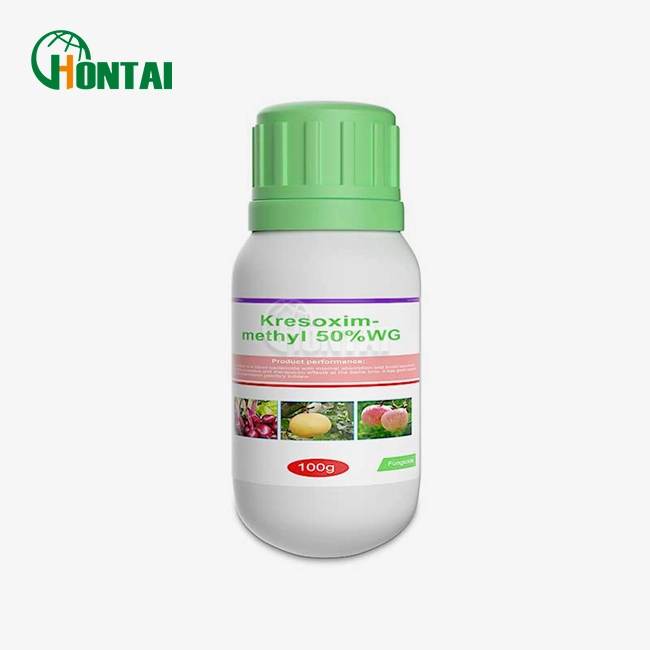
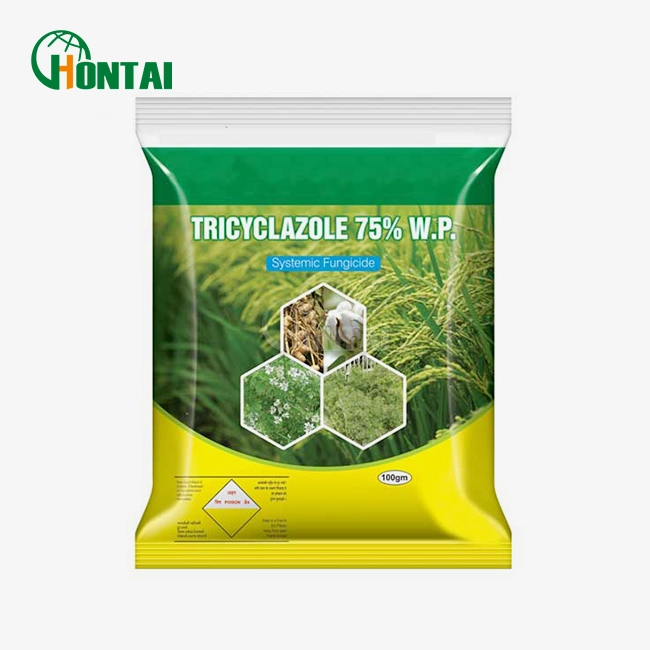
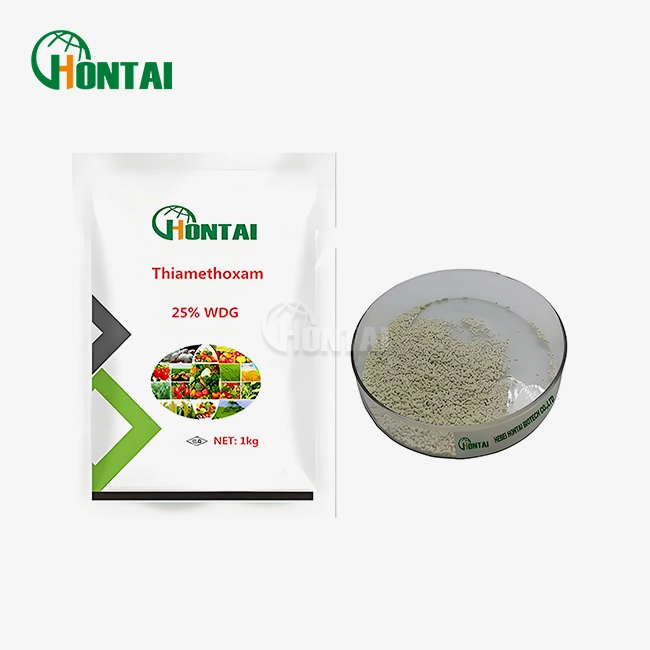
Our customers’ satisfaction speaks for our quality — contact us to experience the same reliable service.