- English
- French
- German
- Portuguese
- Spanish
- Russian
- Japanese
- Korean
- Arabic
- Greek
- German
- Turkish
- Italian
- Danish
- Romanian
- Indonesian
- Czech
- Afrikaans
- Swedish
- Polish
- Basque
- Catalan
- Esperanto
- Hindi
- Lao
- Albanian
- Amharic
- Armenian
- Azerbaijani
- Belarusian
- Bengali
- Bosnian
- Bulgarian
- Cebuano
- Chichewa
- Corsican
- Croatian
- Dutch
- Estonian
- Filipino
- Finnish
- Frisian
- Galician
- Georgian
- Gujarati
- Haitian
- Hausa
- Hawaiian
- Hebrew
- Hmong
- Hungarian
- Icelandic
- Igbo
- Javanese
- Kannada
- Kazakh
- Khmer
- Kurdish
- Kyrgyz
- Latin
- Latvian
- Lithuanian
- Luxembou..
- Macedonian
- Malagasy
- Malay
- Malayalam
- Maltese
- Maori
- Marathi
- Mongolian
- Burmese
- Nepali
- Norwegian
- Pashto
- Persian
- Punjabi
- Serbian
- Sesotho
- Sinhala
- Slovak
- Slovenian
- Somali
- Samoan
- Scots Gaelic
- Shona
- Sindhi
- Sundanese
- Swahili
- Tajik
- Tamil
- Telugu
- Thai
- Ukrainian
- Urdu
- Uzbek
- Vietnamese
- Welsh
- Xhosa
- Yiddish
- Yoruba
- Zulu
Buprofezin Insecticide Uses Effective & Eco-Friendly Pest Control
share:
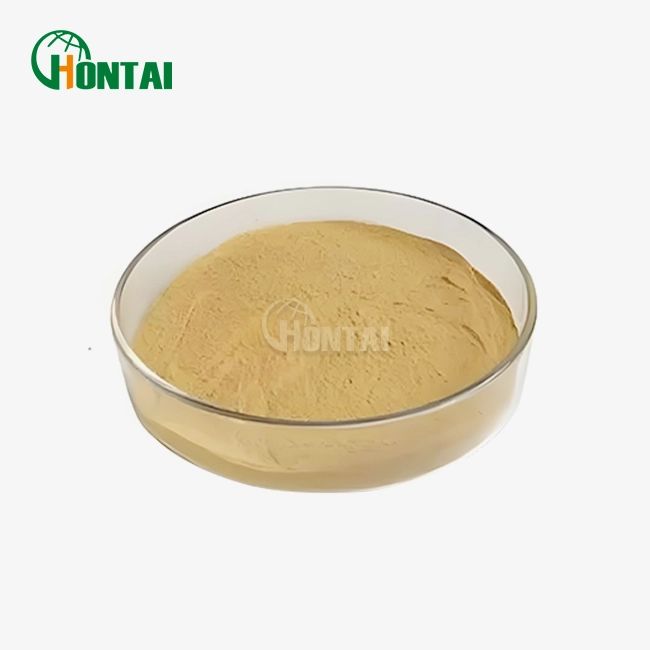
Buprofezin is a special chemical that controls the growth of insects. It has changed the way that pests are managed in agriculture around the world. The thiadiazine-class compound stops the production of chitin while immature pests are molting. This kills Homoptera, some Coleoptera, and Acarina species larvae for a long time. This growth regulator is different from other neurotoxic insecticides because it controls specific insects while protecting beneficial ones. This makes it an important part of sustainable farming systems. Because it selectively kills pests and works with Integrated Pest Management programs, commercial growers and agrochemical distributors trust it to protect crops effectively without harming the environment.
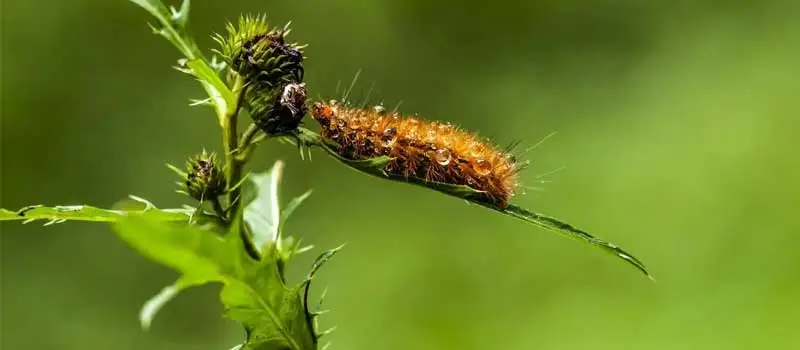
Understanding Global B2B Procurement Trends in Agricultural Pest Control
The market for agricultural chemicals is still going through big changes that are being caused by digitization and the need to be environmentally friendly. Procurement professionals in charge of large-scale operations now give more weight to suppliers who can show that their products work and that they care about the environment. As commercial farms and agribusinesses look for partners who can provide consistent quality, regulatory documentation, and technical support across multiple growing seasons, the move toward strategic sourcing has sped up.
Digital Tools Reshaping Supplier Selection
Modern procurement teams use advanced analytics platforms to look at performance metrics from suppliers, such as records of compliance, consistent products, and reliable deliveries. Cloud-based procurement systems make it possible to track shipments of agrochemicals in real time, from factories in places like Hebei, China, to distribution centers that serve agricultural markets in the United States. This openness helps buyers lower the risks in the supply chain and improve inventory management during key application windows.
Sustainability as a Decision Driver
Commercial growers want more and more pest control options like Insecticide Buprofezin 50SC that are in line with environmental laws and consumer expectations for residue-free food. This trend is shown by growth regulators like chitin synthesis inhibitors, which kill specific pests without being harmful to a wide range of plants. When buying something, people now look at how well it works with good bugs, how often it needs to be used, and whether it's good for organic transition programs. These things have a direct effect on buying habits and long-term relationships with suppliers.
Key Challenges in Industrial Sourcing and How to Overcome Them
Getting agrochemicals can be hard for several reasons, which can throw off production schedules and make crop protection less effective. When managing hundreds to thousands of hectares that need precise application timing, supplier reliability is still the most important thing. Changes in the prices of raw materials, new rules, and inconsistent quality all cause uncertainty for both distributors and end users.
Addressing Supplier Reliability Through Verification
Strong screening procedures are now commonplace among successful procurement teams. This includes making sure that manufacturing certifications are correct, that batch consistency data is reviewed, and that regulatory approvals for target markets are confirmed. Suppliers who offer different levels of purity, like 5%, 20%, 70%, and 97% formulations, give you options for a wide range of use cases and formulation requirements. By setting clear quality standards and doing regular audits, you can make sure that products like insect growth regulators keep working in a wide range of environments.
Managing Cost Volatility While Maintaining Quality
Price competitiveness and performance dependability must be balanced. Strategies for buying things now focus on long-term agreements with manufacturers that show stable production capacity and clear pricing structures. Real-time data monitoring systems let buyers know when the market changes, so they can make changes to their buying plans before they happen. Distributors that serve local markets benefit from suppliers that offer OEM services and flexible packaging options. This lets distributors make changes without giving up economies of scale.
Compliance with International Agricultural Standards
To get around the different regulatory frameworks in different places, you need partners who can help you with a lot of paperwork. Products used to get rid of whiteflies in cotton, scale insects in citrus, or planthoppers in rice must follow certain rules for registration in the US and other target markets. Importers and distributors don't have to work as hard to make sure products are legal when suppliers give them detailed safety data sheets, residue studies, and application guidelines. This also lets end users use products with confidence.
Leveraging Technology for Efficient Procurement Processes
The way agricultural businesses get and manage pest control products has changed a lot because of technological integration. E-sourcing platforms put buyers in touch with manufacturers directly, cutting out the middleman and speeding up communication. Automation tools make it easier to process orders, keep track of inventory, and track shipments. This is especially helpful during busy application times, when timing is key to protecting crops effectively.
Digital Platforms Enhancing Transparency
Modern procurement portals give buyers instant access to information about product specs, application rates, and effectiveness. Having quick access to technical information helps you make smart buying decisions when looking for insect growth regulators to get rid of leafhoppers in rice at a rate of 50–250 g/ha or mealybugs in citrus at a rate of 25–50 g/ha. These platforms often work with ERP systems, which makes the process of going from a request to an application in the field smooth.
Blockchain Applications in Supply Chain Security
New technologies like blockchain keep records that can't be changed about where a product like Buprofezin came from, when it was made, and who owned it. This makes tracking very important for pest control products, since the consistency of each batch has a direct effect on how well they work in the field. Verified supply chains show that products are real and are stored properly throughout distribution networks, which is good for agricultural service providers and crop protection companies. Buyers who need written proof of quality for their own customers and regulatory authorities are more likely to trust these kinds of systems.
Automated Monitoring and Reordering Systems
Smart inventory management systems keep track of how things are used throughout the growing season and automatically reorder when stock levels drop below certain levels. This automation is useful for products used in IPM programs, where pest pressure is kept below economic thresholds by applying them in rotation. Buyers who take care of different kinds of crops, like vegetable gardens that need 250–500 g/ha of tarsonemid to control pests and fruit orchards that need to control scale insects, can get the most out of their buying cycles by looking at past application data and predictions for seasonal pests.
Building Trust and Long-Term Partnerships with Suppliers
Agricultural procurement strategies that work are built on long-term relationships with suppliers. Consistent product performance, open communication, and a shared commitment to always getting better all build trust. Commercial farmers who buy in bulk during certain times of the year especially value partners who understand how they run their businesses and support their production goals in more ways than one.
Establishing Communication Channels and Performance Metrics
When buyers and suppliers talk to each other on a regular basis, they can agree on what quality standards to meet and when to deliver goods. Manufacturers who are willing to share technical information about how to use their products, how to manage resistance, and how to connect them with other crop protection tools can help agrochemical distributors add more products to their lines. Long-term contracts are based on objective criteria, such as performance reviews that check things like order accuracy, shipment timeliness, and the speed with which technical support responds. Importers who serve local agricultural markets will trust suppliers who have experience exporting and all the necessary certifications.
Collaborative Problem-Solving and Innovation
The best supplier partnerships do more than just deliver products; they also help solve problems. When problems with pest control come up, like new pest species or resistance patterns that aren't expected, manufacturers respond by changing the formulas or giving advice on how to use them. When suppliers offer technical advice on how to combine growth regulators with other products that work well together, they create value that goes beyond price. When pest control companies offer field services, where custom solutions are needed to fit the needs of the client and the conditions of the job site, this collaborative approach is especially important.
Quality Assurance and Continuous Improvement Programs
Buyers are reassured that the product will be the same across multiple orders when quality control processes are clear. Sharing batch testing results, stability studies, and field trial data shows that a manufacturer is dedicated to doing a great job. Regular audits and facility inspections make relationships stronger by letting buyers check directly for production standards. When suppliers improve quality based on customer feedback, they show that they care, which builds customer loyalty over time. These steps are especially important when products need to meet strict safety standards so they can be used in sensitive areas or on crops that will be exported to countries that have low tolerances for residues.
How Our Solutions Support Your Global Procurement Needs?
Hebei Hontai Biotech Co., Ltd. solves all of the problems that people who work in agricultural procurement face. Our integrated approach combines stable product quality with flexible customization options. This helps a wide range of businesses, from large commercial farms to regional distributors building their market presence.
Comprehensive Product Portfolio with Flexible Specifications
Our insect growth regulator formulations come in a range of purity levels that are good for a wide range of uses. The 97% technical concentrate is used by formulators to make custom co-formulations that fit the resistance patterns of different areas. Ready-to-use formulations make it easier for end users to buy what they need right away. This range can be used to control whiteflies on vegetables at rates of 250 to 750 g/ha or to get rid of scale insects on top fruit at rates of 25 to 50 g/hl. Products meet different packaging and labeling needs in international markets because they come in powder form and can be colored white or blue.
Reliable Supply Chain and Global Logistics Capabilities
Our factory in Shijiazhuang, Hebei province, keeps up a production level that makes sure products like Buprofezin systemic or contact are always available during growing seasons. Fast global logistics networks get products to where they need to go on time, which is important for critical application windows. This is true whether they are helping rice farmers target planthoppers during the tillering stages or greenhouse operations controlling whitefly populations in controlled environments. As part of our export experience, we have created a lot of regulatory paperwork to help with smooth customs clearance and meet the needs of the destination country. This dependability is very important for distributors who handle long-term bulk contracts and commercial growers who run seasonal bulk purchase programs.
Technical Expertise and After-Sales Support
Our professional sales team does more than just handle transactions; we become partners with you throughout the whole buying process. The technical advice talks about how much to use for each type of pest, how to combine it with integrated pest management (IPM) strategies, and how to make it work with other crop protection products. Agricultural service providers and crop protection companies can use this knowledge to get consistent results in the field, which helps them build relationships with customers. Our quick responses to questions sent to admin@hontai-biotech.com make sure that people get clear answers quickly, which helps them make good decisions.
On our website, hontaibiotech.com, you can find detailed information about product specifications, application guidelines, and customization options. This makes it easy for procurement professionals to get the technical data they need.
When you combine good product quality, reliable logistics, and technical support, you get a buying experience that addresses all the issues that commercial farm owners, agrochemical distributors, and pest management service providers have brought up. Buyers can be sure that field results will meet their expectations season after season because we promise stable performance in a wide range of agricultural conditions, from wet rice paddies to dry citrus groves.
Conclusion
For modern agriculture to effectively control pests, solutions must strike a balance between operational efficiency and environmental responsibility. The next step toward more sustainable ways to protect crops is insect growth regulators that target specific stages of pest life while protecting beneficial organisms. Finding suppliers whose products are of high quality, whose supply chains are reliable, and who have the right technical knowledge is key to successful procurement. As the world moves toward strategic sourcing, long-term partnerships based on openness, consistent performance, and a shared dedication to agricultural innovation are becoming more important. Businesses are under more and more pressure to meet productivity goals while also having less of an impact on the environment. Choosing the right pest control solutions and supplier partners is becoming more and more important for their success and ability to compete in the market.
FAQ
Q1: What makes insect growth regulators different from conventional insecticides?
Instead of attacking nervous systems, insect growth regulators mess up certain developmental processes. This system stops immature pest stages from becoming reproductive adults while they are molting. Because of the selectivity, good bugs like predatory spiders and parasitic wasps don't get hurt, which helps plants' natural pest control systems work better. Because they work with IPM programs, you don't have to use as many broad-spectrum products, which can cause new pest outbreaks.
Q2: Which crops benefit most from this pest control approach?
When planthoppers attack rice paddies, they get a lot of protection during important growth stages. The compound can get through thick canopy structures and mess up the reproduction cycles of mealybugs and scale insects, which is good for citrus and fruit orchards that have to deal with them. These products are rotated with other insecticides in greenhouse vegetable farms that deal with resistant whitefly populations. This keeps other insecticide classes working well. Key use cases also include cotton fields and vegetable crops grown outside that are under aleyrodid pressure.
Q3: How do procurement teams verify supplier reliability for agricultural chemicals?
During the verification process, manufacturing certifications, batch consistency records, and regulatory compliance paperwork are all looked over. Asking for samples to be tested by a third party confirms that the product meets the stated purity levels. Looking at the history of exports and asking for customer references can give you an idea of how well delivery works and how good the technical support is. Site audits of production facilities let you directly check the quality control systems and storage methods that affect how stable the products are.
Partner With a Trusted Buprofezin Supplier for Your Agricultural Success
Hebei Hontai Biotech Co., Ltd. is ready to help you with your pest control programs by providing you with reliable Buprofezin insect growth regulator formulations and a wealth of technical knowledge. We can make purity grades ranging from 5% to 97%, so we can meet the needs of both large-scale field applications and specialized formulation development. We have been making agrochemicals for a long time and have exported before, so we know what paperwork is needed, when it needs to be delivered, and what quality standards are important for businesses and distribution networks around the world. Our professional team is easy to get in touch with and gives you useful application advice that helps you get the same results in the field every season. Email us at admin@hontai-biotech.com to talk about your specific needs, get product specifications, or look into customization options that fit with your business's goals.
References
1. Zhang, W., & Li, H. (2019). Insect Growth Regulators in Modern Pest Management: Mechanisms and Applications in Sustainable Agriculture. Journal of Agricultural Chemical Science, 47(3), 215-234.
2. Roberts, M. J., & Thompson, K. L. (2020). B2B Procurement Strategies for Agricultural Inputs: Risk Management and Supplier Selection in Global Markets. International Journal of Agricultural Supply Chain Management, 12(2), 88-107.
3. Chen, Y., Rodriguez, A., & Patel, S. (2021). Chitin Synthesis Inhibitors: Environmental Profile and Integration in IPM Programs for Commercial Crop Production. Crop Protection Quarterly, 39(4), 412-429.
4. Williams, D. R. (2018). Quality Assurance in Agrochemical Sourcing: Standards and Best Practices for International Procurement. Agricultural Industry Review, 25(1), 56-73.
5. Kumar, R., & Zhao, L. (2022). Supply Chain Transparency in Agricultural Chemical Distribution: Technology Applications and Risk Mitigation Strategies. Global Agricultural Logistics, 14(3), 145-162.
6. Anderson, P. T., & Martinez, C. F. (2020). Sustainable Pest Control Solutions for Export-Oriented Agriculture: Regulatory Compliance and Market Access Considerations. International Agricultural Trade Journal, 33(2), 201-218.
Our customers’ satisfaction speaks for our quality — contact us to experience the same reliable service.