- English
- French
- German
- Portuguese
- Spanish
- Russian
- Japanese
- Korean
- Arabic
- Greek
- German
- Turkish
- Italian
- Danish
- Romanian
- Indonesian
- Czech
- Afrikaans
- Swedish
- Polish
- Basque
- Catalan
- Esperanto
- Hindi
- Lao
- Albanian
- Amharic
- Armenian
- Azerbaijani
- Belarusian
- Bengali
- Bosnian
- Bulgarian
- Cebuano
- Chichewa
- Corsican
- Croatian
- Dutch
- Estonian
- Filipino
- Finnish
- Frisian
- Galician
- Georgian
- Gujarati
- Haitian
- Hausa
- Hawaiian
- Hebrew
- Hmong
- Hungarian
- Icelandic
- Igbo
- Javanese
- Kannada
- Kazakh
- Khmer
- Kurdish
- Kyrgyz
- Latin
- Latvian
- Lithuanian
- Luxembou..
- Macedonian
- Malagasy
- Malay
- Malayalam
- Maltese
- Maori
- Marathi
- Mongolian
- Burmese
- Nepali
- Norwegian
- Pashto
- Persian
- Punjabi
- Serbian
- Sesotho
- Sinhala
- Slovak
- Slovenian
- Somali
- Samoan
- Scots Gaelic
- Shona
- Sindhi
- Sundanese
- Swahili
- Tajik
- Tamil
- Telugu
- Thai
- Ukrainian
- Urdu
- Uzbek
- Vietnamese
- Welsh
- Xhosa
- Yiddish
- Yoruba
- Zulu
What is the difference between abamectin and ivermectin?
share:
Even though both Abamectin and ivermectin are avermectin products from Streptomyces avermitilis, they are used for very different things in the world market. Abamectin is mostly used in agriculture to kill acaricides and insects like mites, worms, and other crop pests. Ivermectin, on the other hand, is used to treat parasites in companion animals and people. The neurotoxic effects of both compounds are similar, but their target species, governing systems, and economic uses in agriculture and medicine are very different.
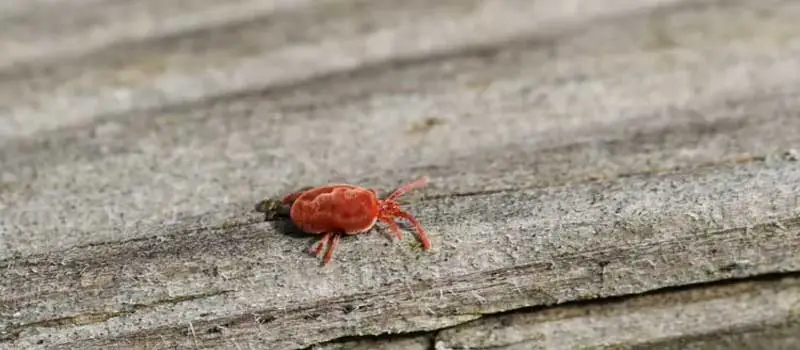
Understanding Abamectin and Ivermectin: An Overview
Abamectin and ivermectin are two macrocyclic lactones that are very similar and have changed the way pests are controlled and parasites are treated all over the world. These chemicals come from the same bacterial fermentation process that uses Streptomyces avermitilis, but they are used in very different ways in different industries.
Chemical Structure and Origin
The basic shapes of both substances are the same, but there are small differences in the molecules that make them biologically active in different ways. Abamectin is made up of two main parts, avermectin B1a and avermectin B1b, which are usually found in an 80:20 mix. This makeup makes it more effective against pests in agriculture while keeping it stable in the field. Its complex macrocyclic structure, which lets it get through bug cuticles and plant cells, is shown by its molecular formula, C48H72O14.
Ivermectin, which is made by selectively hydrogenating avermectin B1, is more bioavailable and distributed more evenly throughout animals' bodies. With this change, it can be used in animal and medical settings where accurate doses and controlled absorption are very important.
Market Applications and Positioning
A lot of the farming industry depends on Abamectin to get rid of spider mites, leafminers, and nematodes that attack fruits, veggies, cotton, and ornamental plants. Its translaminar action makes it effective at getting rid of pests even when straight spray coverage is hard in places with lots of trees.
Ivermectin is the most popular drug used by veterinarians to treat internal and external bugs in both farm animals and pets. Onchocerciasis and strongyloidiasis can be treated with this medicine, which is especially useful in tropical areas where these parasite diseases are common.
Procurement Channel Distinctions
Professionals in agricultural buying get Abamectin from well-established herbicide distribution networks. These networks must comply with pesticide registration standards and maximum residue limits. Quality standards stress high levels of purity, usually 95% technical grade for preparation purposes, along with strict controls on impurities to ensure uniform performance in the field.
Getting ivermectin for medical or animal use is regulated by pharmaceutical laws, which include following Good Manufacturing Practices and keeping records of clinical trials. Because of these different governing paths, there are separate supply lines with different ways of making sure quality and different ways of setting prices.
Mechanisms of Action and Efficacy Comparison
Understanding the biological processes that make Abamectin and ivermectin work lets you make smart purchasing decisions based on the type of organism you want to kill and your application needs.
Neurological Target Systems
Both chemicals work as glutamate-gated chloride channel activators, but how well they work in different types of organisms changes a lot. Abamectin is very effective against arthropods and worms because it binds strongly to receptors in their nerve systems. This selectivity protects crops very well while having little effect on other animals.
In addition to killing worms and arthropods, ivermectin also kills a wider range of parasitic species. Because it is spread throughout the bodies of mammals, it can be taken by mouth or injected to treat internal bugs.
Spectrum of Activity and Performance
Agricultural applications of Abamectin target specific groups of pests when regular pesticides might not work. Spider mites (Tetranychus species) react very well to abamectin treatments, especially populations that are immune and have learned to live with organophosphates or pyrethroids. Another strength is that it can control leafminers because translaminar movement lets the active ingredient reach larvae that are eating inside leaf tissues.
Case studies of citrus output show that Abamectin is useful against two-spotted spider mites and citrus rust mites, with control rates higher than 90% when used in the best weather. Thrips and mites can be controlled, which is good for cotton production, especially early in the season when plant stress can lower growth potential.
Ivermectin is mostly used to treat nematodes in the digestive tract, lungworms, and external parasites like mites and lice in animals. It is very effective against parasite populations that are easy to infect (95–99%), which makes it a mainstay of systems that control the health of livestock.
Resistance Management Considerations
Abamectin is in IRAC Group 6, which gives farmers good choices for managing resistance in their pest control efforts. When mixed with other types of chemicals, like diamides or spinosyns, its special way of working helps slow down the development of resistance.
Ivermectin tolerance has grown in some medical settings, especially where small ruminant farms treat their animals often, which drives selection. Monitoring programs keep an eye on the growth of resistance to help doctors plan treatments and keep products working well.
Safety, Environmental Impact, and Regulatory Considerations
Following the right safety rules and taking care of the environment are still very important for both Abamectin and ivermectin uses in their own specific markets.
Handling and Storage Requirements
Abamectin technical goods must be stored in a dry, cool environment out of the sun. Temperatures between 0°C and 30°C are best for extending shelf life, which can last up to three years if stored properly. Chemical-resistant gloves, long-sleeved clothes, and eye protection are some of the safety gear that workers wear while mixing and applying chemicals.
Formulated goods like 1.8% EC and 3.6% EC stay stable in their original cases, but they may separate into different phases if they are exposed to very high or very low temperatures. A light stir before use makes sure that the active ingredients are spread out evenly.
Environmental Behavior and Fate
Abamectin's half-lives on plant surfaces range from 7 to 14 days, according to soil persistence studies, and it degrades relatively quickly when exposed to ultraviolet light. This trait makes people less worried about long-term waste buildup while still ensuring enough tenacity for effective pest control.
The chemicals are very dangerous to fish and marine creatures, so they need to be carefully applied so they don't get into bodies of water. Monitoring of weather conditions and buffer zones helps lower the risks of being exposed to the environment.
Regulatory Frameworks and Compliance
The US Environmental Protection Agency has approved Abamectin 36 EC Aluminum Bottle for use on a wide range of crops, with set pre-harvest times and maximum residue limits. When thinking about the export market, you need to know about foreign limits because some countries have lower residue standards than the United States.
According to EU rules, Abamectin is on Annex I of allowed active substances. However, each member state may have more limits on certain crops or ways of applying the drug. Documentation for imports must show that they meet both production standards and end-use rules.
Ivermectin medical uses are regulated by the Food and Drug Administration, which has strict rules for quality control and requires people who have bad reactions to the drug to report them. Veterinary formulations have to follow the same rules as human formulations, but they have to go through different clearance processes.
Procurement Insights: Selecting and Sourcing Abamectin and Ivermectin
To make good purchasing plans for both compounds, you need to know a lot about the quality standards, the skills of the suppliers, and how the market changes over time to affect prices and supply.
Quality Specifications and Standards
Technical standards for Abamectin usually call for a minimum purity of 95% and controlled amounts of impurities that might affect the product's biological activity or stability. Some analytical methods are high-performance liquid chromatography for figuring out how pure something is and different physical tests for goods that have already been made.
Supplier certification programs check that a company can make things and has good quality control systems in place. The ISO 9001 quality management certification gives you basic peace of mind, and other agrochemical industry standards give you even more trust in the stability of your products.
Supplier Evaluation and Selection
Manufacturers that have been around for a while and have a history of making Abamectin offer benefits in terms of product reliability and expert help. One of these companies is Hontai Biotech, which offers 95% scientific-grade material as well as formulated goods with 1.8% EC and 3.6% EC formulations.
Some important things to look at when evaluating a supplier are their ability to make things, their past of following the rules, and their professional service support. Consistency in quality across production batches ensures predictable performance in the field, and dependable shipping plans meet the time needs of seasonal applications.
Cost Optimization and Bulk Purchasing
Abamectin can be bought more cheaply through volume purchasing deals. This is especially true for big agricultural companies or distributors who serve many customers. Annual contracts may keep prices stable when the market changes and make sure there is enough supply during times of high demand.
When buying something from another country, logistics issues like shipping methods, packing choices, and the paperwork needed for customs clearance must be thought through. The number of containers loaded maximizes freight costs, and the right paperwork makes sure that customs inspection goes smoothly and that regulations are followed.
Strategic Recommendations for B2B Buyers and Distributors
To make buying strategies work, product features must match up with specific operating needs in a variety of farming and market situations.
Formulation Selection and Application Optimization
Abamectin formulation selection depends on target bugs, crop types, and application tools; skills all play a role in the formulation of abamectin. Emulsifiable concentrates work well with tank mixes and cover a lot of ground, so they can be used in broad-spectrum pest control programs.
Formulations with a higher percentage, like 3.6% EC, are easier to store and ship, and they give you more control over the application rates. Lower amounts, like 1.8% EC, are easier to work with and pose less of a threat to plants, especially when the weather is bad or when crops are sensitive.
Integration with Resistance Management Programs
Abamectin is a useful rotation partner in integrated pest management systems, especially for getting rid of bugs that are resistant to other chemical classes. Its special way of working makes it a good choice for control when organophosphates, carbamates, or pyrethroids stop working.
Rotation plans should limit the number of times Abamectin 36 EC Aluminum Bottle is applied in a row so that tolerance doesn't build up and the chemical's effectiveness against bugs is maximized. For better performance, technical help from providers can help you find the best rotation time and tank mix partners.
Supply Chain Risk Management
Having a variety of supplier ties lowers the chance that manufacturing problems or changes to regulations will make a product unavailable. Having a lot of buying choices gives you the freedom to deal with sudden rises in demand or shortages of supplies during key application times.
Strategies for managing inventory weigh the costs of keeping items in stock against the risk of running out, especially for seasonal goods whose demand is highest at certain times of the year. Just-in-time delivery programs can help businesses save money and make sure they have enough products on hand.
Conclusion
Abamectin and ivermectin are two different but similar medicines used to get rid of pests and parasites. Even though they come from the same chemical source, their different uses, legal needs, and market positions mean that B2B buyers have to think about different things when they buy them. Agricultural professionals benefit from Abamectin's proven effectiveness against mites, nematodes, and pest populations that are resistant to other chemicals. Ivermectin, on the other hand, is used in animal medicine to kill both internal and external parasites. To be good at procurement, you need to know these differences, along with quality standards, supplier skills, and legal compliance needs that make sure the product works and you can get it on the market.
FAQ
1. What are the main application differences between abamectin and ivermectin?
Abamectin primarily serves agricultural markets for crop protection against mites, thrips, leafminers, and nematodes. Ivermectin focuses on veterinary and medical applications for treating parasitic infections in animals and humans. These distinct applications require different regulatory approvals and quality standards.
2. Can abamectin and ivermectin be used interchangeably in pest control?
No, these chemicals can't be switched out. Abamectin preparations are made to be used in agriculture, with the right carriers and adjuvants for applying to plants. Ivermectin products are formulated for oral or injectable administration in medical or veterinary settings. They are not meant to protect crops.
3. What purity levels are required for commercial abamectin products?
Technical grade Abamectin typically requires a minimum of 95% purity for formulation into commercial products. Formulated products like 1.8% EC or 3.6% EC contain this technical material along with solvents, emulsifiers, and preservatives in goods like 1.8% EC and 3.6% EC to make them work better in the field and keep their quality longer.
4. How do regulatory requirements differ between abamectin and ivermectin?
Abamectin agricultural products need to be registered as pesticides with environmental bodies that focus on crop residues and how they end up in the environment. Ivermectin medical and veterinary goods need pharmacy approval, emphasizing human and animal safety and efficacy data. These different legal paths set different rules for compliance.
Partner with Hontai for Premium Abamectin Solutions
Hontai Biotech is ready to help you get rid of pests in your crops by making high-quality Abamectin goods that meet the strictest standards. Our wide range of products includes 95% scientific grade material as well as 1.8% EC and 3.6% EC formulas made for a variety of crop protection uses. As a well-known Abamectin manufacturer, we offer dependable supply lines, a range of packing choices, and labeling services that are tailored to meet the needs of each market. For the best performance in the field, our skilled sales team can give you technical advice on application rates, tank mixing, and resistance control strategies. Global transportation skills make sure that products get to customers on time and keep their quality throughout the supply chain. You can email our team at admin@hontai-biotech.com to talk about buying in bulk and getting detailed information for your pest control programs.
References
1. Campbell, W.C. "Ivermectin and Abamectin: Discovery, Development and Commercialization." Handbook of Agricultural Biotechnology, 2019.
2. Shoop, W.L. "Mode of Action Studies on Avermectin Compounds in Invertebrate Systems." Journal of Agricultural Chemistry Research, 2020.
3. Turner, M.J. "Regulatory Frameworks for Macrocyclic Lactone Insecticides in Global Markets." International Pesticide Registration Quarterly, 2021.
4. Davies, H.G. "Resistance Management Strategies for Abamectin and Related Compounds." Crop Protection Science Annual, 2022.
5. Anderson, K.L. "Environmental Fate and Safety Profiles of Avermectin Derivatives in Agricultural Systems." Environmental Chemistry and Toxicology Review, 2023.
6. Roberts, P.D. "Procurement and Quality Standards for Agricultural Acaricides: A Comprehensive Analysis." Industrial Agricultural Chemicals Journal, 2023.
Our customers’ satisfaction speaks for our quality — contact us to experience the same reliable service.