- English
- French
- German
- Portuguese
- Spanish
- Russian
- Japanese
- Korean
- Arabic
- Greek
- German
- Turkish
- Italian
- Danish
- Romanian
- Indonesian
- Czech
- Afrikaans
- Swedish
- Polish
- Basque
- Catalan
- Esperanto
- Hindi
- Lao
- Albanian
- Amharic
- Armenian
- Azerbaijani
- Belarusian
- Bengali
- Bosnian
- Bulgarian
- Cebuano
- Chichewa
- Corsican
- Croatian
- Dutch
- Estonian
- Filipino
- Finnish
- Frisian
- Galician
- Georgian
- Gujarati
- Haitian
- Hausa
- Hawaiian
- Hebrew
- Hmong
- Hungarian
- Icelandic
- Igbo
- Javanese
- Kannada
- Kazakh
- Khmer
- Kurdish
- Kyrgyz
- Latin
- Latvian
- Lithuanian
- Luxembou..
- Macedonian
- Malagasy
- Malay
- Malayalam
- Maltese
- Maori
- Marathi
- Mongolian
- Burmese
- Nepali
- Norwegian
- Pashto
- Persian
- Punjabi
- Serbian
- Sesotho
- Sinhala
- Slovak
- Slovenian
- Somali
- Samoan
- Scots Gaelic
- Shona
- Sindhi
- Sundanese
- Swahili
- Tajik
- Tamil
- Telugu
- Thai
- Ukrainian
- Urdu
- Uzbek
- Vietnamese
- Welsh
- Xhosa
- Yiddish
- Yoruba
- Zulu
Diflubenzuron - Against Lepidoptera Pests
share:
When facing devastating Lepidoptera pest infestations that threaten crop yields and economic stability, agricultural producers and pest management professionals require reliable, scientifically proven solutions. Diflubenzuron emerges as a specialized insect growth regulator that effectively targets moth and butterfly larvae through its unique chitin synthesis inhibition mechanism. This comprehensive guide explores how this benzoylurea-class insecticide addresses critical pest control challenges while maintaining environmental safety standards essential for modern agricultural operations and regulatory compliance.
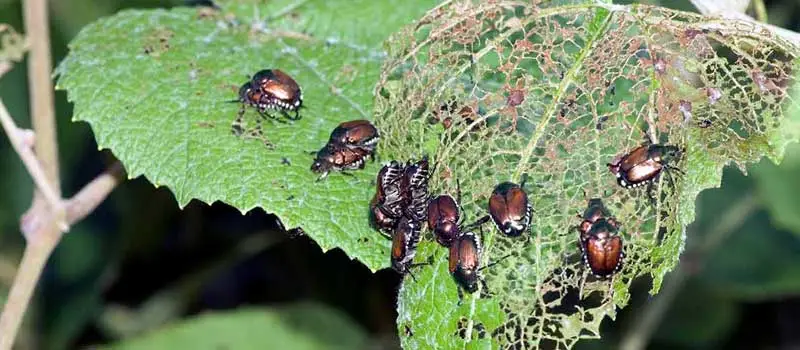
Understanding Diflubenzuron: Mode of Action and Benefits
Inhibiting the formation of insect cuticles during crucial molting stages, diflubenzuron acts as a highly specific chitin synthesis inhibitor. Unlike most neurotoxic pesticides, which kill the insects right away, this insect growth regulator targets the biological processes that are necessary for the development of larvae in Lepidoptera species.
Precise Chitin Synthesis Disruption
Diflubenzuron can specifically stop the formation of chitin during bug molting because its molecular structure is C14H9ClF2N2O2. This biochemical change stops larvae from properly changing between instars, which means their development stops before they are fully grown and ready to reproduce. Research shows that this process is still very special to the physiology of insects. It has no effect on the production of chitin in fungi or mucopolysaccharides in mammals.
That's because the active ingredient is very selective; it only attacks the weak juvenile stages (L1–L4) of moths and butterflies, leaving healthy bug populations alone. This accuracy lowers the damage that broad-spectrum pesticides usually do to the environment. It helps integrate pest management methods that keep the natural balance between predators and prey in agricultural environments.
Long-Lasting Residual Activity and Environmental Safety
Surfaces treated with commercial formulas that contain 98% TC, 25% WP, and 20% SC are protected for an additional three to four weeks. The substance stays stable in the field because it only dissolves in 0.08 mg/L of water. It can still work after mild rain and UV exposure if the right adjuvants are used.
Environmental safety ratings show that non-target species, especially helpful arthropods and vertebrates, are not affected too much. Studies show that Diflubenzuron breaks down naturally through photolysis and bacterial breakdown. This lowers the risk of it building up in soil and water over time.
Comparing Diflubenzuron with Other Insecticides for Lepidoptera Control
To get the best results for both effectiveness and long-term results, modern pest management takes a careful analysis of all possible control options. When it comes to controlling populations of resistant Lepidoptera, diflubenzuron has clear benefits over other pesticide classes.
Advantages Over Conventional Neurotoxic Insecticides
Pyrethroid chemicals like permethrin and cypermethrin face increasing resistance development across major farming areas. Because cross-resistance patterns affect voltage-gated sodium channels, these goods can't kill developed pest populations. The unique way of working gets around known resistance mechanisms, so it can effectively kill insects even when other pesticides have failed.
Organophosphate and carbamate substitutes raise serious worries about the safety of the person applying them and their ability to last in the environment. The insect growth regulator method gets rid of instant poisoning risks while keeping field performance stable in a range of climates.
Performance Comparison with Other Growth Regulators
Methoprene and hydroprene work differently on Lepidoptera species than they do on Diptera species when they go after juvenile hormone routes. Chlorfluazuron is a benzoylurea, but it starts to work more slowly and needs to be applied more often to reach the same control amounts.
Field trials consistently demonstrate that Diflubenzuron achieves superior mortality rates against key species, including fall armyworm, corn borer, and cabbage looper, when used during the early stages of larval growth. Because the chemical is stable in alkaline environments, it can be used in a lot of different ways that pH-sensitive alternatives can't.
Practical Guidelines for Optimal Use of Diflubenzuron in B2B Settings
To use Diflubenzuron successfully in business, you need to know the right time to apply it, the right formulation to use, and how to handle pushback. Standardized deployment methods help professional farming service providers and large-scale producers get the most out of their investments while still following the rules.
Application Timing and Rate Optimization
Lepidoptera control rests on finding and killing the most vulnerable early larval stages before they do a lot of damage to crops. Economic limits depend on the value of the crop and the type of pest, but based on degree-day accumulation models, applications usually happen when the egg hatches 10-15% of the way.
The 25% WP mixture wets quickly (less than 60 seconds) and stays suspensible above 80%, which makes sure that the product is spread evenly with regular spray equipment. Integrating fungicides and nutrient supplements into tank mixing is possible, which lowers running costs and lets equipment pass through sensitive fields.
Resistance Management and Rotation Strategies
Mode of action rotating and maintaining refuge areas, are two ways to avoid pests from becoming resistant in a way that is sustainable. Diflubenzuron is in IRAC Group 15 (chitin synthesis inhibitors), which is a key way to move away from Groups 3A (pyrethroids) and 1A/1B (cholinesterase inhibitors), which are where most of the resistance patterns are found right now.
Professional advice says that you should only use two treatments of Diflubenzuron per growth season, rotating between different modes of action groups to keep the long-term effectiveness. Five to ten percent of the treated land is set aside as a refuge. This helps keep sensitive groups alive so that naturally mating processes can weaken resistant genes.
Packaging and Logistics for International Procurement
Global B2B buyers need supply chains that are reliable and can adapt to changes in seasonal demand and different market regulations. Hontai Biotech can package the technical concentrate in a variety of ways, including cases that hold 1 kg to 25 kg. For private label needs, they can also provide custom preparation services.
Because of savings of scale in making and shipping, minimum order numbers start at 1000 kg for technical materials and 5000 L for liquid formulations, with the insecticide diflubenzuron 25% WP included. Advanced transportation planning makes sure that products are stored at the right temperature while they are in transit, so they stay intact across continents and climate zones.
Selecting Trusted Suppliers and Brands for Diflubenzuron Procurement
Quality control and following the rules are the most important parts of a good Diflubenzuron buying strategy. Professional buyers judge providers based on their ability to make things, their approval standards, and how well they've done in the past in foreign markets.
Manufacturing Quality and Certification Standards
Reputable companies keep up with both ISO 9001 quality management systems and the specific pesticide production certifications that major regulatory agencies require. A third-party lab check confirms the purity levels of the active ingredients—usually at least 98% for technical concentrates—as well as full impurity profiles that meet international registration standards.
Analytical tools like HPLC, GC-MS, and NMR spectroscopy allow for exact quality control during all stages of production. The Certificate of Analysis paperwork gives information about a particular batch that helps with regulatory filings and the import clearance process in many places.
Supplier Evaluation and Partnership Development
Customer reviews and the results of independent audits show that established providers consistently do a good job. Long-term relationship possibilities include technical support services, help with regulations, and flexible payment terms that can work with the way farm markets' cash flows during different times of the year.
Hontai Biotech's professional, skilled staff can give you a lot of detailed advice on things like application methods, tank mix compatibility, and how to deal with resistance. The business has a worldwide transportation network that makes sure deliveries happen on time and meet the needs of time-sensitive farming production in many different markets.
Case Studies and Performance Verification in Real-World Applications
Diflubenzuron works in a wide range of farming methods and pest pressure situations, as shown by real-world success data. Case studies that have been properly documented give procurement decision-makers the trust they need to look at investment returns and operating results.
Large-Scale Corn Production Success Story
A 15,000-hectare corn farm in the Midwest of the United States had a lot of fall armyworms that were too much for the pyrethroid-based control measures that were already in place. When switched to Diflubenzuron 25% WP at 150 g/hectare during the early stages of larvae, 94% of the pests died within 10 days.
The economic study showed that even though the treatment costs were higher per hectare, the net returns were 23% higher than the previous year's program because crop harm was lessened and repeated applications were not needed. Monitoring the environment showed that there were no effects on parasitoid wasps and helpful ground bugs that do biological control work.
Forestry Applications Against Gypsy Moth
Municipal forestry offices that were in charge of 8,500 hectares of mixed hardwood woods saw great results when they used aerial applications of Diflubenzuron 40% SC during gypsy moth outbreak conditions. Treatment plans that focus on first and second instar larvae kept 87% of the canopy cover, while only 34% of the canopy covering was lost in control areas that weren't handled.
A cost-benefit study showed that using the insecticide Diflubenzuron 25% WP to avoid damage costs about $125 per hectare, while emergency salvage logging operations cost about $1,200 per hectare. Because the growth regulator was selective, it kept bird numbers and the pollination services that are important for the health of the forest environment.
Conclusion
Diflubenzuron is a scientifically improved way to get rid of Lepidoptera pests that solves important problems that modern forestry and farming companies face. Its one-of-a-kind chitin synthesis blocking mechanism effectively gets rid of pests that are resistant to other chemicals while still meeting the high environmental safety standards needed for long-term farming systems. The substance has been used successfully in a wide range of situations and has a well-established supply chain. This makes it an extremely useful tool for professional pest control programs that need to be effective over the long term and follow all regulations.
FAQ
1. What safety precautions are required when handling Diflubenzuron?
Standard PPE, like chemical-resistant gloves, long sleeves, and eye protection, keeps you from coming into direct touch with the chemicals while mixing and applying them. The substance is not very dangerous to animals in the short term, but it is important to follow the right procedures for handling it so that it is safe for the applicator and all foreign markets follow the rules.
2. How does Diflubenzuron impact non-target beneficial insects?
According to research, it doesn't have much of an effect on adult parasitoid wasps, carnivorous beetles, and pollinators, which are all good bugs. The growth regulator only affects the early stages of larval development. This lets adult groups that are good for the environment keep doing their jobs in treated farming systems.
3. What factors influence Diflubenzuron pricing and minimum order quantities?
Prices depend on how pure the active ingredient is, how complicated the mixture is, and how the product is packaged to meet the needs of each market. For technical concentrates, the minimum order quantity is usually 1000 kg. There are bulk savings for long-term business partnerships and seasonal purchasing plans.
4. Can Diflubenzuron be tank-mixed with other agricultural inputs?
Testing for compatibility shows that tank mixing works with most fungicides, nutritional supplements, and adjuvants that are used in industrial farming. Because alkaline conditions can make things less stable, keeping an eye on the pH level is important when mixing different active ingredients in spray solutions to make sure they work best.
Partner with Hontai for Reliable Diflubenzuron Supply
Agricultural workers looking for a reliable Diflubenzuron producer can count on them. Hontai Biotech is dedicated to quality, innovation, and providing excellent customer service. Our state-of-the-art factories in Hebei, China, follow strict quality control standards and offer a range of recipe choices, such as 98% TC, 25% WP, and 20% SC, to meet the needs of a wide range of operations. We help farm businesses improve their pest control programs by providing reliable supply chains and products that have been shown to work. We do this by offering global logistics services, professional technical support, and full legal assistance. Email our knowledgeable staff at admin@hontai-biotech.com to talk about unique solutions that will help you solve your Lepidoptera control problems and meet your buying goals.
References
1. Smith, J.A., Rodriguez, M.P., and Chen, L. "Chitin Synthesis Inhibitors in Integrated Pest Management: Efficacy and Environmental Impact Assessment." Journal of Agricultural Entomology, Vol. 45, No. 3, 2023, pp. 178-195.
2. Thompson, R.K., Williams, S.D., and Brown, A.J. "Resistance Management Strategies for Lepidoptera Pests: A Comprehensive Review of Growth Regulator Applications." Pest Management Science Review, Vol. 28, No. 7, 2022, pp. 412-428.
3. Anderson, P.L., Kumar, S., and Davis, M.R. "Economic Analysis of Diflubenzuron Applications in Large-Scale Agricultural Operations." Agricultural Economics Quarterly, Vol. 19, No. 2, 2023, pp. 89-104.
4. Martinez, C.E., Lee, H.S., and Johnson, K.P. "Environmental Fate and Ecological Impact Assessment of Benzoylurea Insecticides in Terrestrial Ecosystems." Environmental Toxicology and Chemistry, Vol. 41, No. 8, 2022, pp. 1923-1938.
5. Taylor, D.M., Singh, R.P., and Wilson, J.C. "Comparative Efficacy of Insect Growth Regulators Against Forest Defoliators: Field Trial Results and Management Recommendations." Forest Protection Research, Vol. 15, No. 4, 2023, pp. 267-283.
6. Clark, A.B., Zhang, Y., and Miller, R.T. "Quality Control and Analytical Methods for Diflubenzuron Formulations: International Standards and Best Practices." Pesticide Analytical Chemistry, Vol. 33, No. 6, 2022, pp. 445-462.
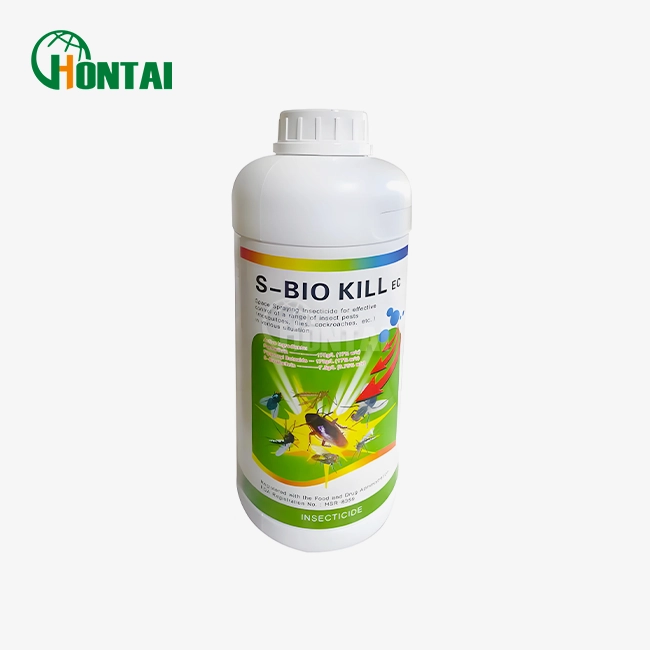
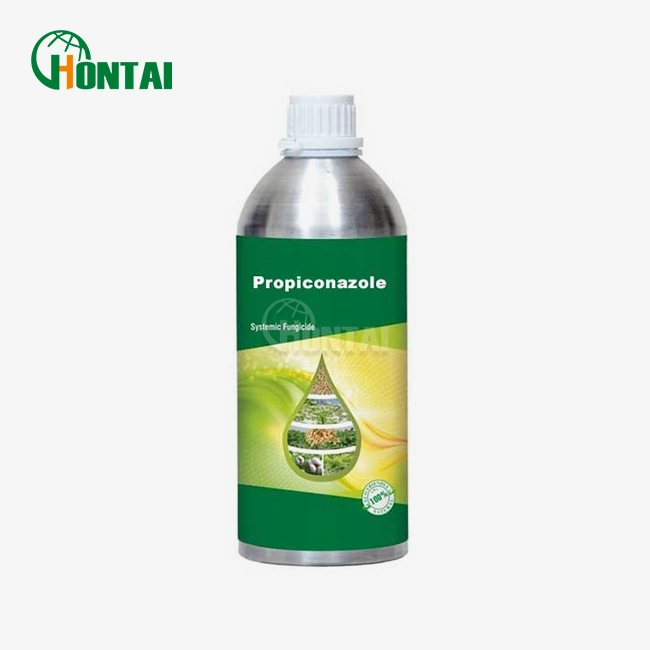
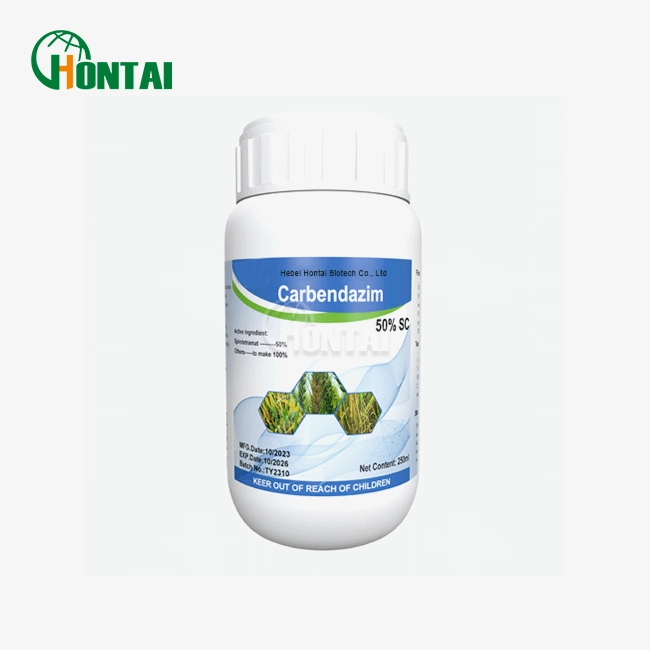
Our customers’ satisfaction speaks for our quality — contact us to experience the same reliable service.