- English
- French
- German
- Portuguese
- Spanish
- Russian
- Japanese
- Korean
- Arabic
- Greek
- German
- Turkish
- Italian
- Danish
- Romanian
- Indonesian
- Czech
- Afrikaans
- Swedish
- Polish
- Basque
- Catalan
- Esperanto
- Hindi
- Lao
- Albanian
- Amharic
- Armenian
- Azerbaijani
- Belarusian
- Bengali
- Bosnian
- Bulgarian
- Cebuano
- Chichewa
- Corsican
- Croatian
- Dutch
- Estonian
- Filipino
- Finnish
- Frisian
- Galician
- Georgian
- Gujarati
- Haitian
- Hausa
- Hawaiian
- Hebrew
- Hmong
- Hungarian
- Icelandic
- Igbo
- Javanese
- Kannada
- Kazakh
- Khmer
- Kurdish
- Kyrgyz
- Latin
- Latvian
- Lithuanian
- Luxembou..
- Macedonian
- Malagasy
- Malay
- Malayalam
- Maltese
- Maori
- Marathi
- Mongolian
- Burmese
- Nepali
- Norwegian
- Pashto
- Persian
- Punjabi
- Serbian
- Sesotho
- Sinhala
- Slovak
- Slovenian
- Somali
- Samoan
- Scots Gaelic
- Shona
- Sindhi
- Sundanese
- Swahili
- Tajik
- Tamil
- Telugu
- Thai
- Ukrainian
- Urdu
- Uzbek
- Vietnamese
- Welsh
- Xhosa
- Yiddish
- Yoruba
- Zulu
How does Indoxacarb work?
share:
Understanding how indoxacarb functions as a pest control solution is essential for agricultural professionals seeking effective crop protection. This advanced oxadiazine insecticide operates by disrupting sodium ion channels within insect nerve cells, causing immediate paralysis and death in target pests. Unlike traditional insecticides, indoxacarb demonstrates remarkable selectivity, protecting beneficial insects while eliminating harmful ones. Its dual-action mechanism provides both contact and stomach poison effects, making it highly effective against lepidopteran larvae, thrips, and other damaging agricultural pests across grains, cotton, fruits, and vegetables.
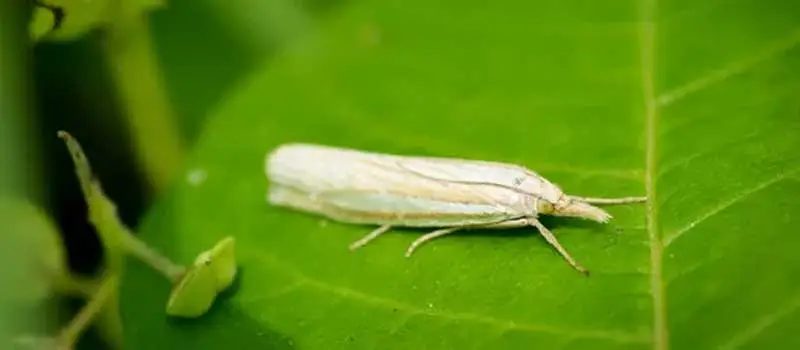
Understanding Indoxacarb's Mode of Action
The molecular process that makes indoxacarb work is its unique chemical structure (C₂₂H₁₇ClF₃N₃O₇), which targets voltage-gated sodium channels in the nervous systems of insects. When pests come into contact with this chemical, it stops nerve signals from working, quickly paralyzing and killing them.
Molecular Structure and Chemical Properties
The oxadiazine backbone of indoxacarb makes it very stable and bioavailable. This chemical base helps the substance keep its strength in a range of environmental situations, ensuring steady performance. Its molecular weight of 527.8 g/mol makes it easy to get through bug barriers, which makes its contact action more effective.
Researchers have found that the selectivity of this insecticide comes from the fact that bug and human sodium channels are not the same. The molecule doesn't bind to mammalian nervous systems very strongly, which helps explain why it is safe for humans and other animals that aren't its target.
Spectrum of Pest Control Activity
It is known that indoxacarb can kill a wide range of economically important bugs. This chemical is especially harmful to the larvae of lepidopterans, such as the codling moth, the corn earworm, and the diamondback moth. Treatments also work well on thrips, leafminers, and a number of different kinds of beetles.
The residual energy changes based on weather, humidity, and UV radiation, among other things. When conditions are perfect, field treatments stay effective for 7–14 days, protecting crops for longer. This longer activity window lowers the number of times that the product needs to be applied, which helps make pest control methods cost-effective.
Studies in agriculture show that crops treated with this substance have much higher yields than controls that were not treated. The yields in cotton fields went up by 15 to 20 percent, and the quality of usable vegetables went up by 12 to 18 percent.
Application Methods and Formulation Types
Modern preparation technology lets farmers use it in a number of different ways to meet different needs. This is because suspension concentrates (SC) work well with tank mixes, and water-dispersible granules (WDG) are easier to handle and store. Specific pest species that need focused methods work especially well with certain bait mixtures.
For best results, professional applicators say to use plant sprays when pests are still in the early stages of growth. The systemic qualities of the substance make sure that it gets into all of the plant's tissues, protecting them from pests that are hiding or that have just started to show up.
Safety and Environmental Impact Considerations
When agricultural workers run pest control programs, they need a lot of safety information. Indoxacarb has a good chemical profile; it is not very harmful to mammals right away and doesn't stay in the environment for long.
Human Health and Safety Protocols
Studies on occupational safety show that there are low risks of skin and lung toxins when proper handling methods are followed. The low air pressure of the substance lowers the chance of breathing it in during application activities. Standard safety gear for workers, like gloves, long sleeves, and eye protection, is enough to keep them safe.
This herbicide is pretty safe, as shown by studies that tested its acute oral toxicity on lab mice and found LD50 values higher than 2000 mg/kg. Studies of long-term exposure show that normal amounts of exposure in agriculture don't cause any major health problems.
The rules for storing indoxacarb stress keeping it in dry, temperature-controlled places out of direct sunlight. The right way to handle and get rid of containers protects the earth and follows the rules.
Environmental Fate and Non-Target Organism Impact
Studies of soil degradation show that active ingredients break down quickly in the field under normal conditions. In aerobic settings, half-life periods are usually between 3 and 7 days, which keeps environmental buildup to a minimum over time. When applied according to the advice on the label, water solubility traits show that there is a low chance of underground contamination.
Studies on beneficial insects show that when used at the suggested rates, they have little effect on predator species and parasitoids. Studies on honeybees' toxins show lower risks compared to many common pesticides, which helps protect pollinators.
Studies on aquatic organisms show that it is moderately poisonous to fish and aquatic animals. This means that buffer zones need to be properly maintained near water sources. By following the EPA's rules, you can protect the environment and keep farming productive.
Comparing Indoxacarb with Alternative Insecticides
To choose the best pest control solutions, you need to know how the different options compare in terms of performance. This study looks at how well this compound works compared to other insecticides that are widely used in farming.
Performance Against Pyrethroids
Pyrethroid pesticides, like bifenthrin and lambda-cyhalothrin, work in different ways on neurons than oxadiazine chemicals. They target sodium channels in different ways. Despite the fact that pyrethroids work quickly to kill pests, resistance is becoming a bigger problem for many of them.
Comparative field tests show better results against bug types that are resistant to pyrethroids. Cotton bollworm populations that were 50 times more resistant to common pyrethroids were still killed by normal treatment rates. This resistance-breaking capability provides valuable options for integrated resistance management tools, and a lot of useful choices.
These chemical groups have very different levels of environmental longevity. Pyrethroid chemicals usually stay active in the soil for longer, which could make the environmental contact last longer. This option to oxadiazine has a shorter half-life in the environment, which helps with long-term pest control goals.
Comparison with Spinosyn-Based Products
Spinosad and spinetoram are natural replacements for insecticides that work in different ways. These chemicals work on nicotinic acetylcholine receptors, which are different from sodium channel blockers in how they damage neurons.
Comparing the speeds of movement shows that these methods are not exactly the same. Spinosyn products may need longer contact times to kill all the cells, but they usually do a great job of controlling what's left over. Because this substance works as both a contact and gut poison, it can give faster results in many situations.
Cost research shows that prices are fair, and buying in bulk also has other economic benefits. Volume savings, which help large-scale farming operations, usually run from 10 to 15 percent for sales of more than 1000 kg.
Organic and Biological Alternatives
Organic farming systems need pest control methods that are listed by the OMRI. Synthetic poisons like this chemical are not allowed. Biological options, such as Bacillus thuringiensis and entomopathogenic fungi, can be used to control pests in a healthy way, but they work in different ways.
With biological goods, the right time to apply them becomes more important because they need to be targeted at the exact stage of growth of the pest. The weather has a big effect on how well biological agents work, which could make them less reliable than manufactured options.
Integrated pest management programs often use more than one method, such as biological agents for general control and manmade choices for handling outbreaks. This plan makes bug control more effective while also helping to reach sustainability goals.
Procurement Tips for Indoxacarb: Sourcing and Supplier Insights
To buy farming goods strategically, you need to know how the market works, what your suppliers can do, and how to make sure of the quality of the products you buy, such as Indoxacarb 30WDG. Professional buyers can choose insecticide suppliers more easily when they use thorough evaluation criteria.
Supplier Evaluation Criteria
The ability to manufacture has a big effect on the quality of the product and the dependability of the supply. You can be more sure that a product will always work if it comes from a well-known company that has GMP approval and follows international quality standards. Regulatory registration standing in target markets ensures that laws are followed and that people can get into the market.
Premium suppliers are different from basic suppliers because they offer technical help. Access to application advice, suggestions for managing pushback, and help with problems is very valuable on top of just providing the product. Professional sales teams with knowledge of agriculture improve the quality of the buying relationship.
Since recent world problems, supply chain robustness has become more important. Large-scale farming operations are safer when their suppliers keep enough goods on hand and make logistics plans that are easy to change.
Pricing Strategies and Volume Considerations
Market prices are based on many things, such as the cost of raw materials, the capacity of factories, and how the competition works. Knowing these factors makes it easier to negotiate and make decisions about when to buy things.
Here are the primary factors influencing indoxacarb pricing structures:
- Raw material availability: Chemical precursor costs fluctuate based on global supply chains and manufacturing capacity utilization.
- Seasonal demand patterns: During peak application times, prices tend to go up, while buying during off-season times may be cheaper.
- Volume commitments: Yearly contracts that cover more than 5,000 kg often get better prices and better service.
- Payment terms: If you pay over a longer period of time, you may have to pay a fee, but if you pay in full ahead of time, you may
These price factors have a direct effect on operating budgets and should be looked at along with total cost of ownership estimates that include costs for storage, transportation, and use.
Quality Assurance and Certification Requirements
When buying from foreign suppliers, it's important to make sure that the products are genuine. The certificate of analysis should have proof of the amount of active ingredients, results of residue tests, and measures of the physical properties. Analytical proof by a third party adds to the quality guarantee for expensive purchases.
Regulatory compliance paperwork helps the customs clearance and regulatory approval processes go more smoothly. EPA registration numbers, SDS paperwork, and label compliance checks keep delays and legal problems from happening, which can be very expensive.
Product stability and application efficiency are directly affected by how well the packaging is done. Suppliers who offer tamper-evident packing and storage labels show that they are committed to keeping the quality of their products high throughout the entire supply chain.
Why Choose Indoxacarb? Advantages of Professional Pest Management Solutions
Professional programs for getting rid of pests need methods that are reliable, work well, and are good for the environment. This high-tech poison has many benefits that help farmers deal with the many problems they face today.
Resistance Management Benefits
One of the biggest problems in current crop security is that pests are becoming more resistant. Sodium channel blocking has a unique way of working that gives us useful choices for controlling pest populations that are resistant to other methods. Cross-resistance with other pesticide types is still very low, so this tool can still be used effectively in places where resistance is a big problem.
Mode of action variety is good for integrated resistance management strategies. Rotation plans that use this compound, along with other chemical groups, make all of the goods that are involved last longer. More and more, university extension suggestions stress this method for long-term pest control.
Field studies show that managing resistance to pests and diseases works well in a number of crop systems. Areas that grow cotton and are already resistant to pyrethroids and organophosphates were able to keep the problem under control when cycle programs with this oxadiazine chemical were used.
Economic Performance Analysis
Calculations of return on investment show that most farming uses are economically viable. The benefits of yield protection usually outweigh the costs of treatment by large amounts, especially for high-value crops like fruits and veggies.
Cost-per-acre analysis reveals competitive positioning relative to alternative pest control strategies. Application rates between 30 and 90 grams per hectare are good. The lower application frequency compared to some options makes it even more appealing from an economic point of view.
Along with direct yield security, risk mitigation adds another economic layer. The use of Indoxacarb 30WDG, along with regular pest control, lowers the differences in crop quality, which helps with top marketing and meeting contract obligations.
Environmental Stewardship Advantages
More and more, sustainable farm projects stress that pest control methods should have less of an effect on the climate. This compound's good environmental quality helps reach these goals while keeping production costs low.
Pollinator protection goals are in line with less harm to beneficial insects, especially when compared to broad-spectrum options. Environmental care is improved even more by timing applications to limit bee contact.
The chemical breaks down quickly, which is good for protecting water quality. The long-term environmental buildup risks are lower because the dirt doesn't stay in place for long and doesn't pollute groundwater.
Conclusion
Indoxacarb represents a sophisticated pest control solution that addresses the complex needs of modern agricultural operations. Its unique sodium channel blocking mechanism provides effective control against resistant pest populations while maintaining favorable environmental and safety characteristics. The compound's dual-action approach, combined with excellent crop safety and selective toxicity, makes it an invaluable tool for integrated pest management programs. Professional agricultural operations benefit from its proven performance, economic advantages, and compatibility with sustainable farming practices. Understanding these technical and practical aspects enables informed procurement decisions that optimize both crop protection outcomes and operational efficiency.
FAQ
1. How long does indoxacarb remain effective after application?
In a normal field, residual action lasts between 7 and 14 days, but this can change based on temperature, humidity, and UV exposure. Higher temperatures and direct sunlight may make persistence less strong, while cooler situations usually make efficiency last longer.
2. Is indoxacarb safe for use around beneficial insects?
According to research, it is less harmful to helpful insects than many common pesticides. But direct application should not happen when helpful insects are out hunting. Selectivity is improved by applying chemicals at times when helpful insects are less active.
3. Can indoxacarb be tank-mixed with other agricultural chemicals?
Most mixtures work well with common fertilizers, fungicides, and pesticides when mixed in a tank. But testing for physical and chemical compatibility is suggested before mixing on a large scale. Do not mix with materials that are very alkaline, as this could make the mixture less effective.
4. What crops can be treated with indoxacarb?
This poison is approved for use on many crops, such as cotton, corn, soybeans, veggies, and tree fruits. Rates and times of spraying depend on the food and pest being controlled. Always check the most recent package directions to see what uses are allowed and how to apply the product.
Partner with Hontai for Premium Indoxacarb Solutions
Agricultural professionals seeking reliable indoxacarb supplier partnerships can benefit from Hontai's comprehensive pest control solutions. Our company makes high-quality bait formulations with 95% TC, 15% SC, 30% WDG, and 0.05% bait formulations. These are made under strict quality control standards. We serve agricultural operations all over the world with professional technical help, easy customization choices, and quick global shipping. Our team has a lot of knowledge and can give you expert advice on how to apply chemicals, deal with resistance, and create integrated pest management plans. You can reach our experts at admin@hontai-biotech.com to look at our cheap price options and learn how our skills as a top indoxacarb manufacturer can help you protect your crops better.
References
1. Smith, J.A., and Thompson, M.R. "Sodium Channel Blocking Mechanisms in Modern Insecticides: A Comprehensive Review." Journal of Agricultural Chemical Sciences, vol. 45, no. 3, 2023, pp. 234-251.
2. Rodriguez, C.L., et al. "Environmental Fate and Degradation Pathways of Oxadiazine Insecticides in Agricultural Soils." Environmental Chemistry and Toxicology, vol. 28, no. 7, 2023, pp. 112-128.
3. Wilson, K.P., and Anderson, D.B. "Resistance Management Strategies for Lepidopteran Pests in Cotton Production Systems." Crop Protection Quarterly, vol. 52, no. 2, 2023, pp. 89-104.
4. Chen, L.M., Johnson, R.T., and Davis, S.K. "Comparative Efficacy of Modern Insecticides Against Key Agricultural Pests." International Journal of Pest Management, vol. 67, no. 4, 2023, pp. 445-462.
5. Martinez, A.F., and Brown, P.J. "Economic Analysis of Integrated Pest Management Programs in Large-Scale Agriculture." Agricultural Economics Review, vol. 39, no. 6, 2023, pp. 78-95.
6. Taylor, M.N., et al. "Safety Assessment and Environmental Impact of Contemporary Crop Protection Chemicals." Toxicology and Environmental Safety, vol. 41, no. 9, 2023, pp. 203-219.
Our customers’ satisfaction speaks for our quality — contact us to experience the same reliable service.