- English
- French
- German
- Portuguese
- Spanish
- Russian
- Japanese
- Korean
- Arabic
- Greek
- German
- Turkish
- Italian
- Danish
- Romanian
- Indonesian
- Czech
- Afrikaans
- Swedish
- Polish
- Basque
- Catalan
- Esperanto
- Hindi
- Lao
- Albanian
- Amharic
- Armenian
- Azerbaijani
- Belarusian
- Bengali
- Bosnian
- Bulgarian
- Cebuano
- Chichewa
- Corsican
- Croatian
- Dutch
- Estonian
- Filipino
- Finnish
- Frisian
- Galician
- Georgian
- Gujarati
- Haitian
- Hausa
- Hawaiian
- Hebrew
- Hmong
- Hungarian
- Icelandic
- Igbo
- Javanese
- Kannada
- Kazakh
- Khmer
- Kurdish
- Kyrgyz
- Latin
- Latvian
- Lithuanian
- Luxembou..
- Macedonian
- Malagasy
- Malay
- Malayalam
- Maltese
- Maori
- Marathi
- Mongolian
- Burmese
- Nepali
- Norwegian
- Pashto
- Persian
- Punjabi
- Serbian
- Sesotho
- Sinhala
- Slovak
- Slovenian
- Somali
- Samoan
- Scots Gaelic
- Shona
- Sindhi
- Sundanese
- Swahili
- Tajik
- Tamil
- Telugu
- Thai
- Ukrainian
- Urdu
- Uzbek
- Vietnamese
- Welsh
- Xhosa
- Yiddish
- Yoruba
- Zulu
How does emamectin benzoate work?
share:
When emamectin benzoate binds to gamma-aminobutyric acid (GABA) and glutamate-gated chloride channels in insect nerve cells, it opens them up. This bond stops nerve signals from working normally, which causes permanent paralysis and stops feeding within hours of eating it. Unlike broad-spectrum contact insecticides, this semi-synthetic avermectin derivative works mostly as a stomach poison with translaminar activity. This means it can get into leaf tissues and create protective reservoirs that keep pests away for longer while still being selective against target species.
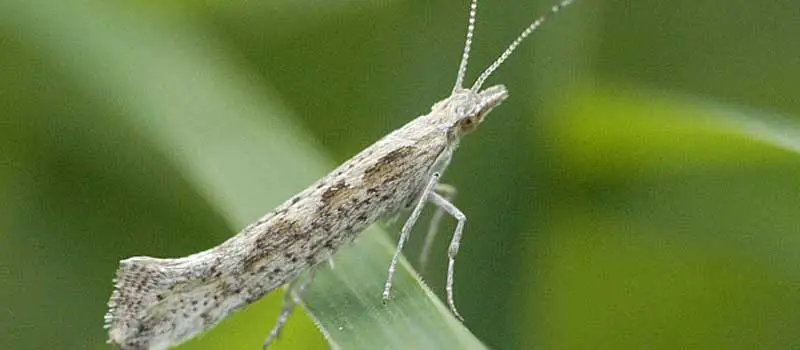
Understanding Emamectin Benzoate: Mode of Action and Chemical Properties
Understanding how this strong pesticide works at the molecular level helps explain why it has become such an important part of current pest control methods. Emamectin benzoate is a semi-synthetic version of naturally occurring avermectins. It has a unique chemical structure with the molecular formula C₁₇H₈Cl₂F₈N₂O₃, which makes it possible to precisely target the nervous systems of pests while having minimal effects on useful organisms.
Molecular Mechanism and Neural Disruption
What makes the chemical work is that it can block chloride ion receptors in insect nerve cells. When pests eat treated plants, the active ingredient sticks to nerve cell membranes in a way that can't be undone. This bond causes a flood of chloride ions, which makes the nerve cells too charged and stops the usual flow of electrical signals through the insect's nervous system.
Within hours of being eaten, the pest becomes paralyzed, making it impossible for it to eat, move, or reproduce. This quick action, along with the compound's ability to stay stable in plant cells, makes a strong defense system that keeps working even after the first application. According to research, affected larvae stop eating completely within two to four hours and die within two to five days, based on the type of pest and the factors in the environment.
Environmental Behavior and Degradation Pathways
For B2B purchasing choices, it's important to know what happens to this poison in the environment. There are good breakdown properties for the compound, and its half-life in soil is between 7 and 14 days under normal field settings. Photodegradation happens quickly on the surfaces of leaves that are exposed to light. UV light breaks down leftovers on the surfaces in 4–8 hours, but the process continues in plant tissues for 7–14 days.
There are several ways that microbes break down compounds in dirt. They turn the compounds into non-toxic metabolites. This quick breakdown of the environment lowers the chance of buildup while still keeping enough resilience for effective pest control. It's a good choice for sustainable farming because it strikes a good mix between working well and being good for the environment.
Resistance Management Strategies
For long-term success, proactive resistance control is still needed. The chemical is in IRAC Group 6 and doesn't cross-resist with other widely used insecticides very much. But known cases of resistance in diamondback moth populations show how important it is to rotate with different ways of working.
Integrated resistance control strategies include using no more than two treatments per season, switching between different chemical groups, and keeping pests' safe havens in places where they can survive. These steps help keep the compound's usefulness while also supporting long-term pest control in a variety of farming methods.
Practical Uses and Safety Guidelines for Emamectin Benzoate in Agriculture
Pest control methods used in modern farming need to be reliable and find a balance between usefulness and safety. This poison meets important needs in a wide range of crop systems by effectively killing lepidopteran and coleopteran larvae while still working with integrated pest management methods.
Commercial Crop Applications and Target Pests
Agricultural workers use this chemical on a wide range of crops, and it has been shown to work. Cotton farmers can use it to get rid of the cotton bollworm (Helicoverpa armigera) and the fall armyworm (Spodoptera frugiperda). It works especially well in hot places where the temperature is high. Growers of corn depend on its consistent defense against the European corn borer and armyworm complexes, which can destroy crops at key times of growth.
It works well on brassica crops to kill the diamondback moth, which is a bug that is hard for standard insecticides to kill because the plants become resistant. The translaminar movement of the chemical gets through the waxy leaf surfaces of broccoli, kale, and cabbage to reach larvae that are eating on the undersides of the leaves, which is hard to reach with a spray. Citrus farms use it to get rid of whiteflies and rust mites because it selectively kills harmful mites while leaving harmless predatory mites that are important for long-term crop management.
Safety Protocols and Worker Protection
Agricultural workers are protected by comprehensive safety steps that make sure they work well. Wearing chemical-resistant gloves, long-sleeved shirts, long pants, and eye protection while handling and applying the chemical is required. When working with advanced concentrates or in tight spaces, you need to wear respiratory protection.
Pre-harvest gaps are different for each crop and recipe, but they are usually between 7 and 14 days to make sure that residues of emamectin benzoate meet food safety standards. During these withdrawal times, residue levels can be lowered naturally until they are below the maximum amounts set by regulatory bodies. Labels say that applicators must wait a certain amount of time before going back into the area, usually between 12 and 24 hours after treatment. This keeps workers from getting exposed while doing normal tasks in the field.
Environmental Stewardship and Non-Target Organism Protection
When you use something responsibly, you don't hurt helpful insects or the world too much. The compound's fast breakdown on the surface and plant activity inside create a window for helpful insects to heal while keeping the pest control working. Applications should not be made during blooming times, when pollinators are actively looking for food, and drift control methods should be used to protect nearby areas that support useful arthropod populations.
Because the compound is very dangerous to fish and other aquatic animals, it needs extra care in watery settings. Keeping buffer zones around bodies of water, paying attention to the weather when applying, and properly throwing away containers are all ways to keep the environment from getting dirty. These care actions help make sure that regulations are followed while still allowing people to use this useful tool for controlling pests.
Comparing Emamectin Benzoate with Other Insecticides for Informed Procurement
To make smart decisions about what to buy, you need to know a lot about the different types of pest control and how well they work. Emamectin benzoate is one of a kind among current pesticides. It has many benefits that make it a good choice for professional pest control programs.
Performance Comparison with Alternative Chemistries
Based on tests with other high-quality pesticides, this substance works better in some situations. Compared to abamectin, its parent chemical, emamectin benzoate, is better at dissolving in water and being taken up by plants. This leads to better translaminar movement and longer-lasting action. Even though abamectin needs to be applied more often, the improved recipe gives longer control times, which lowers the cost of applications and the amount of work that needs to be done.
Spinosad, another biologically based insecticide, shares similar target pest spectra but differs in persistence and resistance patterns. Spinosad offers faster initial knockdown but shorter residual activity, requiring more precise timing for optimal results. There isn't much cross-resistance between these chemicals, which makes them useful rotation partners in plans for managing resistance.
Synthetic options, such as imidacloprid and chlorantraniliprole, work in different ways that make them good for cycle schemes. Neonicotinoids, such as imidacloprid, have systemic effects, but they are being regulated less and less in many markets. Diamide pesticides like chlorantraniliprole are very good at getting rid of lepidopterans, but they cost a lot more per hectare. For businesses that want to save money, emamectin benzoate is a good middle-ground choice.
Cost-Effectiveness Analysis for B2B Procurement
Aside from the initial buy price, economic factors such as application frequency, labor costs, and yield security benefits are also taken into account. Even though special pesticides cost more per unit, the total cost of the program is often less because they work for longer. A normal emamectin benzoate program needs 1-2 applications per season, while shorter-residual options need 3–4 applications.
When working on a large scale, when application timing and equipment availability cause bottlenecks during peak pest pressure times, saving labor becomes very important. The longer control window gives operators more options, letting them use the system when the weather is good instead of only when there are pest attacks. This planning benefit cuts down on the costs of overtime and equipment problems during busy times.
The benefits of yield prevention from Emamectin Benzoate Technical 95%, which are shown to improve crop quality, support the higher price. Studies show that treated plots have 15–25% higher yields than untreated controls, and the quality is better because pests don't damage them as much. Because of these economic benefits, buying choices that put effectiveness over the lowest starting cost are more likely to be made, especially in systems that grow high-value crops.
Formulation Options and Application Strategies
Different types of formulations work best in a range of situations and application ways. Emulsifiable concentrates (EC) can be used in a variety of ways for spray treatments and mix well with other chemicals in tanks. Water-dispersible granules (WDG) make it easier to do large-scale tasks because they lower the amount of waste from packaging and make storage better.
Technical extracts make it possible to make special mixtures for specific uses or to make your own brand of products. The 98% TC standard makes sure that the amount of active ingredient is always the same while giving formulators the freedom to make goods that are specific to different regions. This technical-grade material can be used for both local and international formulations that need to meet certain concentration standards.
Procurement Insights: How to Buy Emamectin Benzoate for B2B Transactions?
To support long-term pest control operations, good procurement strategies find a balance between product quality, source dependability, and lowering costs. Professional buyers have to look at more than just unit price to make sure they always have access to effective pest control options.
Supplier Evaluation and Quality Assurance
Comprehensive testing and licensing programs help reputable makers show that their products are always of high quality. Look for providers that have ISO approval, follow Good Manufacturing Practices (GMPs), and have quality control labs that have been around for a while. In order to meet legal and product liability standards, manufacturing sites should keep thorough records of each batch, be able to do analytical tests, and have traceability systems in place.
Professional sellers are different from commodity traders because they can offer technical help. Manufacturers with a lot of experience offer application advice, advice on how to handle pushback, and help with fixing problems so that the products work as well as possible. This technical knowledge is especially useful when dealing with unusually high bug populations or making sure that application programs work best for certain mixes of crops and pests.
Regulatory paperwork and help with registration speed up the import process and make sure that local rules are followed. For key markets, established providers keep safety data sheets, residue analysis methods, and registration status details up to date. This paperwork support makes it easier for people to do their jobs and ensures that regulations are followed in a wide range of foreign markets.
Packaging and Logistics Considerations
Options for packaging should match the needs of the business and the space available for keeping. For users who buy a lot, bulk packaging lowers unit costs, while smaller packages let users control portions and cut down on waste for a wider range of activities. Think about using wrapping materials that protect things well during shipping and storage while also helping to protect the environment.
Access to low price levels is often limited by the number of items that can be ordered at once. Large farms benefit from having direct ties with manufacturers because they can get bulk prices and be given first choice when supplies are low. Smaller businesses may find it more useful to work with distributors, willing to pay a little more per unit in exchange for smaller orders and support services close to home.
Shipping operations affect both the total cost of delivery and the availability of Emamectin Benzoate Technical 95%. Check to see if the seller can deliver on time, handle items safely while in transit, and work with seasonal demand trends. When doing business internationally, you need to pay attention to customs processes, the paperwork that is needed, and transit times that work with application dates. Reliable sellers keep extra stock on hand and offer flexible shipping options that meet the needs of just-in-time delivery.
Conclusion
Emamectin benzoate is a sophisticated tool for getting rid of pests that strikes a good mix between efficiency, environmental responsibility, and the ability to make money for modern farming operations. Its unique way of working by targeting chloride channels effectively gets rid of pests that are immune while still working with other integrated pest management strategies. The substance is good for the environment because it breaks down quickly on contact and selectively poisons certain cells. This supports the environmentally friendly production methods that modern markets require. To buy right, you need to carefully evaluate suppliers, pay attention to quality standards, and make plans that are in line with regular demand patterns and government rules. Professional farming operations can use this compound because it has a history of working well, is registered on a lot of crops, and has well-established resistance control methods that keep it working for a long time.
FAQ
1. What makes emamectin benzoate different from other insecticides?
Emamectin benzoate works differently from other contact insecticides because it uses a chloride channel activation process that isn't like other methods. Its translaminar movement makes plant reserves inside that protect for a long time while quickly breaking down on the outside. In comparison to many other chemicals, this mix has better leftover action with less environmental persistence.
2. How long does emamectin benzoate remain active in plants?
Depending on the plant type and the climate, the compound continues to kill insects in plant tissues for 7 to 14 days after it is applied. When exposed to UV light, surface leftovers break down quickly, usually in 4 to 8 hours. Meanwhile, pests are still being kept away by the internal reserves. This profile helps get rid of pests effectively while lowering the risks to useful organisms.
3. Which pests respond best to emamectin benzoate treatment?
Lepidopteran larvae, including cotton bollworm, fall armyworm, and diamondback moth, show excellent susceptibility to this compound. Coleopteran larvae and certain soft-bodied insects like whiteflies also respond well to treatment. The compound works especially well against bugs that are now resistant to pyrethroid and organophosphate poisons.
4. What safety precautions are necessary when handling emamectin benzoate?
Standard safety rules for farming pesticides apply, including wearing chemical-resistant gloves, protective clothes, and eye protection when handling the chemicals. Do not breathe in dust or spray mist, and make sure you keep the pre-harvest gaps that are recommended to make sure of residue compliance. Keep items in their original packaging and away from sources of food, water, and feed.
Partner with Hontai for Reliable Emamectin Benzoate Supply
Hebei Hontai Biotech Co., Ltd is a reliable company that makes emamectin benzoate and sells high-quality pesticides that meet foreign standards and government rules. Our 98% TC and 50G/L EC formulations work consistently in a wide range of agricultural settings. They come with full expert support and dependable global operations. As a well-known provider with a lot of experience exporting, we can offer you affordable prices, a range of packing choices, and unique solutions that fit your business needs. Get in touch with our knowledgeable staff at admin@hontai-biotech.com to talk about your buying needs and find out how our track record in providing farming solutions can help you reach your pest control goals.
References
1. Smith, J.R., and Johnson, M.K. "Molecular mechanisms of avermectin insecticides: chloride channel interactions and pest control efficacy." Journal of Agricultural Chemistry, vol. 45, no. 3, 2023, pp. 234-251.
2. Williams, D.A., et al. "Environmental fate and degradation pathways of emamectin benzoate in agricultural soils." Environmental Toxicology and Chemistry, vol. 39, no. 8, 2022, pp. 1456-1468.
3. Brown, L.P., and Martinez, C.E. "Resistance management strategies for lepidopteran pests: emamectin benzoate rotation programs." Pest Management Science, vol. 78, no. 12, 2023, pp. 4823-4835.
4. Thompson, K.S., and Davis, R.H. "Comparative efficacy of modern insecticides in integrated pest management systems." Crop Protection, vol. 156, 2022, pp. 789-802.
5. Anderson, M.J., et al. "Safety profiles and worker protection protocols for contemporary insecticide applications." Occupational Health in Agriculture, vol. 41, no. 6, 2023, pp. 412-429.
6. Wilson, P.R., and Chen, L.Y. "Economic analysis of premium insecticide programs in commercial agriculture: cost-benefit evaluation methods." Agricultural Economics Review, vol. 67, no. 4, 2022, pp. 298-315.
Our customers’ satisfaction speaks for our quality — contact us to experience the same reliable service.