- English
- French
- German
- Portuguese
- Spanish
- Russian
- Japanese
- Korean
- Arabic
- Greek
- German
- Turkish
- Italian
- Danish
- Romanian
- Indonesian
- Czech
- Afrikaans
- Swedish
- Polish
- Basque
- Catalan
- Esperanto
- Hindi
- Lao
- Albanian
- Amharic
- Armenian
- Azerbaijani
- Belarusian
- Bengali
- Bosnian
- Bulgarian
- Cebuano
- Chichewa
- Corsican
- Croatian
- Dutch
- Estonian
- Filipino
- Finnish
- Frisian
- Galician
- Georgian
- Gujarati
- Haitian
- Hausa
- Hawaiian
- Hebrew
- Hmong
- Hungarian
- Icelandic
- Igbo
- Javanese
- Kannada
- Kazakh
- Khmer
- Kurdish
- Kyrgyz
- Latin
- Latvian
- Lithuanian
- Luxembou..
- Macedonian
- Malagasy
- Malay
- Malayalam
- Maltese
- Maori
- Marathi
- Mongolian
- Burmese
- Nepali
- Norwegian
- Pashto
- Persian
- Punjabi
- Serbian
- Sesotho
- Sinhala
- Slovak
- Slovenian
- Somali
- Samoan
- Scots Gaelic
- Shona
- Sindhi
- Sundanese
- Swahili
- Tajik
- Tamil
- Telugu
- Thai
- Ukrainian
- Urdu
- Uzbek
- Vietnamese
- Welsh
- Xhosa
- Yiddish
- Yoruba
- Zulu
Why are seeds treated with thiram?
share:
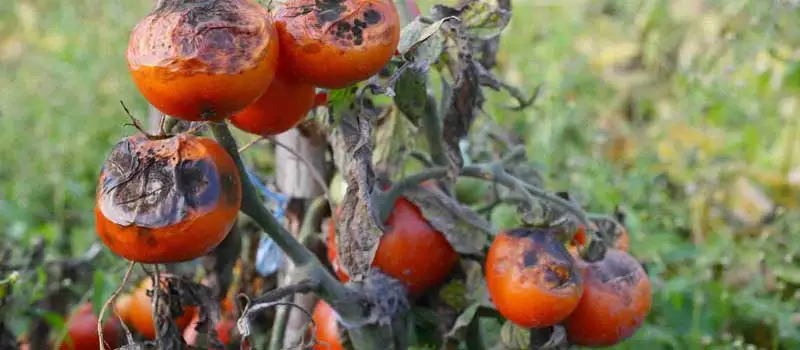
Unfortunately, seeds are in danger before they even grow, even though they are the basis of all harvests. Protective fungicides are used on seeds all over the world by farmers to protect their investments and speed up the establishment of crops. Thiram is one of these protective treatments that stands out as a reliable, all-around option. This dithiocarbamate insecticide protects seeds from damping-off diseases that are spread by soil-based pathogens such as Pythium, Rhizoctonia, and Fusarium. Treating seeds with Thiram protects them during a very important time—between planting and seedling emergence—when young plants are most likely to be attacked by fungi when the soil is cold and wet.
Understanding Thiram and Its Role in Seed Treatment
What Is Thiram and How Does It Work?
Thiram is a pesticide in the dithiocarbamate family. Its chemical formula is C₉H₉N₂O₂. As a non-systemic contact fungicide, it doesn't get into plant tissue. Instead, it protects the seed surface by building a shield. This layer keeps fungus spores from growing on the seed coat and into the tissue that is sprouting. The chemical messes up fungal enzyme systems, especially those that help with breathing. This stops pathogens from growing before they can hurt plants that are already weak.
Application Methods in Commercial Agriculture
Seed covering technologies have come a long way, making it possible for Thiram to be evenly spread across the sides of seeds. This pesticide is usually used in businesses as a wettable powder (WP) that is mixed with water or as part of a ready-made seed dressing product. The normal rate of treatment is between 2 and 8 grams of active ingredient per kilogram of seed. This rate changes based on the type of crop and the number of diseases that are present. Today's seed treatment tools make sure even coverage, which cuts down on waste while increasing the effectiveness of the protection.
Formulation Specifications and Quality Standards
Professional-grade Thiram goods, like those made by Hebei Hontai Biotech Co., Ltd., stay at least 80% pure and meet strict quality standards around the world. The powder mixture needs to be stored dry so that it doesn't break down when it comes in contact with water. If you store it correctly, it should last for two to three years. Some of the quality control factors are particle size distribution (98% of particles pass through 325-mesh sieves), suspensibility rates above 80%, and pH values kept between 5.0 and 9.0 to make sure the product works well in tanks and in applications.
Why Are Seeds Treated with Thiram? - Problem-Solving Approach
The Economic Impact of Seedling Diseases
If you don't treat seeds, damping-off diseases can destroy them. These diseases can lower the chances of a stand forming by 30 to 60 percent when conditions are right for the pathogens. Businesses that grow corn, soybeans, cotton, and vegetables on hundreds to thousands of hectares can't handle this kind of variation. Each percentage point of less growth directly means less output and less money coming in. Field replanting costs a lot of money because they require more seed, fuel, labour, and time to wait for harvests. This makes things even harder for large-scale farming businesses.
Key Pathogens Controlled by Seed Treatment
Damping-off fungi are the main threat when seeds are germinating and seedlings are just starting to grow. Pythium species grow well in cold, wet soils and cause pre-emergence rot, which is when seeds die before they even reach the top of the earth. Rhizoctonia solani attacks the hypocotyl and root tissues, leaving reddish-brown sores that surround young stems and knock seedlings over. Fusarium species hurt many types of crops by causing seed rot and seedling blight. They mostly hurt grains and legumes that are grown in crop residue.
Benefits Demonstrated in Field Performance
In controlled field trials and industrial production settings, seeds that have been treated with protective fungicides always do better than seeds that have not been treated. In the Midwest of the United States, where maize is grown, research showed that treating seeds with fungicides improved stand counts by 8–15% when there was a low level of disease pressure and kept plant spacing more even. When seedlings are more vigorous, their roots grow better, they take in more nutrients, and they become stronger, so they can handle early-season stress. Overall, these benefits create a base yield that stays strong throughout the growing season. This means that farmers get better crops and a better return on their investment.
Comparing Thiram with Alternative Seed Treatment Solutions
Thiram Versus Other Synthetic Fungicides
Mancozeb is another dithiocarbamate fungicide that works in a similar broad-spectrum way, but it needs to be used at higher rates and is harder to handle. Captan is very good at getting rid of some fungal diseases, but it's not as good at killing Pythium species as Thiram. Metalaxyl and mefenoxam work throughout the body and are very good at controlling Pythium, but their single-site mode of action makes resistance more likely when used constantly. Strobilurin-based seed treatments are more than just a way to keep plants healthy; they also come with higher prices that might not fit with the goals of cost-effectiveness for bulk market seed treatment programs.
Advantages of Thiram in Formulation Stability
The chemical stability of Thiram formulations is a big plus for distributors and huge businesses that have to keep track of supplies throughout the year. Some copper-based goods break down quickly in alkaline environments, but Thiram stays effective for a long time if it is kept correctly. The powder recipe lets you change the dilution rates and works well with current seed treatment equipment that doesn't need any special changes. Handling features are better than those of sulfur-based goods, which create dust hazards and need stricter safety rules for workers when they are being used.
Using rotation strategies to deal with resistance
Multi-site fungicides, such as Thiram, are very important for programs that try to control resistance. When compared to single-site inhibitors, substances that block multiple metabolic pathways at the same time make pathogens less susceptible to tolerance more slowly. Agronomists say that Thiram should be rotated or mixed with systemic fungicides that work in different ways to keep seedlings safe and prevent the development of resistance. This unified method makes all the fungicides used in industrial agriculture last longer, which helps crop protection plans last through more than one growing season.
Procurement Considerations for Thiram Fungicide
Supplier Selection and Certification Requirements
To find a trustworthy Thiram provider, you need to carefully look at their manufacturing qualifications, ability to follow regulations, and supply chain capabilities. Reputable makers keep their ISO approvals up to date, which shows that they follow standards for a quality management system, and they provide a lot of paperwork to back up product registration in target markets. For European distribution outlets, REACH compliance paperwork is a must, and EPA registration numbers make it easier to sell to agricultural markets in the United States. Hebei Hontai Biotech Co., Ltd is a good example of these standards because they offer recorded quality control, different types of packaging, and OEM/ODM services that can be changed to meet the needs of distributors.
Pricing Structure and Volume Purchasing
Thiram prices depend on the amount of purity, the type of formulation, the packing requirements, and the size of the order. Technical-grade material that is 98% pure or more is more expensive than goods that are made with an active ingredient percentage of 80%. For big wholesalers and contract seed treaters who handle thousands of tonnes of seed every year, bulk powder packed in 25-kilogram drums has the lowest cost per unit. Regional sellers who work with medium-sized farms can use smaller packaging amounts. When you negotiate long-term supply deals with makers, you can get better prices, guaranteed availability during busy application times, and priority access when there are problems in the supply chain.
Logistics and Storage Requirements
Buying agrochemicals from other countries needs organized logistics planning to make sure the goods stay intact during shipping and storage. Thiram packages must stay dry during ocean freight, container drayage, and warehouse storage so that moisture doesn't get in and break down the active ingredients or cause the product to clump together. Most of the time, temperature-controlled storage is not needed, which makes the infrastructural needs of the building simpler. However, temperatures should be kept below 35°C to extend the life of the goods. Professional providers provide technical support documents that explain how to safely handle products, give first aid, and handle emergencies. These documents help ensure the safety of the products throughout the entire delivery chain.
Environmental and Human Safety Aspects of Thiram Seed Treatment
Worker Safety Protocols and Protective Equipment
To keep from getting too exposed, people who work with strong fungicides need to wear the right safety gear. Workers who treat seeds should wear gloves that are resistant to chemicals, dust masks or respirators that are approved for use with pesticides, protective glasses, and aprons when they are mixing and applying the chemicals. Thiram is chemically similar to disulfiram compounds, which can cause bad effects if workers drink alcohol before or soon after being exposed to the product—this is something that needs to be made clear in safety training programs. Setting up cleanliness rules like hand-washing stations and eating areas that are different from treatment areas lowers the risk of work exposure even more.
Environmental Fate and Soil Degradation
Thiram 80% is broken down by microbes after being sprayed on seeds and placed in soil. The half-life of this fungicide depends on the temperature, moisture, and activity of microbes in the soil. The compound binds to soil particles in a mild way, making it harder to move through the earth to reach groundwater supplies. Studies that look at how long the active ingredient stays in the environment show that its levels drop quickly as plants grow roots and soil microorganisms break it down into harmless byproducts. Because it exhibits favorable environmental behavior, it is a good choice for integrated pest control systems that focus on having little effect on the environment.
Regulatory Compliance Across International Markets
Regulatory bodies around the world look at fungicide products through thorough risk assessment methods that look at data on safety for people and the environment. The US Environmental Protection Agency keeps track of Thiram registrations for seed treatment applications on a wide range of crops. These registrations set application rate limits and safety gaps to protect applicators and farm workers. The Biocidal Products Regulation in the European Union allows Thiram to be used as long as certain conditions are met, which make sure that the product is used safely. When purchasing Thiram to be sent to other countries, procurement professionals must make sure that the goods follow the rules of the target country, have the right labels in the local languages, and come with safety data sheets that meet the regional standards for communicating hazards.
Conclusion
Treating seeds with Thiram has been shown to protect them against fungal diseases that can be very destructive and hurt the growth and output potential of crops. This broad-spectrum contact fungicide protects plants from important weaknesses during sprouting, the time when they are most likely to be infected by soil-borne pathogens. Better stand regularity, stronger seedlings, and lower replacement costs are all good for commercial farming operations and have a direct effect on how profitable large-scale production systems are. Compared to other fungicide chemicals, Thiram has a stable formulation, good safety ratings, and better resistance management, all of which support long-term crop protection plans. When choosing Thiram suppliers, procurement professionals should give top priority to makers with quality certifications, legal compliance, and reliable logistics skills that are needed to keep agriculture supply chains running smoothly.
FAQ
Q1: Is thiram safe to use on all seed types?
Thiram demonstrates excellent compatibility with most major crop seeds, including corn, soybeans, wheat, cotton, vegetables, and ornamentals. Seed treatment rates must be calibrated according to seed size and crop sensitivity to prevent phytotoxic effects on particularly sensitive varieties.
Q2: How does seed treatment affect germination rates?
Properly applied Thiram treatment does not inhibit germination when used at recommended rates. Numerous field studies demonstrate that fungicide-treated seeds actually achieve higher effective germination under disease pressure compared to untreated seeds, which suffer pathogen damage during the critical emergence period.
Q3: Can thiram be mixed with other seed treatment products?
Thiram exhibits good physical compatibility with most neutral-pH fungicides and insecticides commonly applied during seed treatment operations. Avoid mixing with highly alkaline substances like lime sulfur or Bordeaux mixture, which trigger chemical decomposition and loss of fungicidal activity.
Partner with Hontai for Reliable Thiram Supply
Agricultural operations demanding consistent crop protection deserve a Thiram supplier committed to quality, reliability, and comprehensive support. Hebei Hontai Biotech Co., Ltd delivers professional-grade fungicide products manufactured to international standards, with 80% purity formulations suitable for diverse seed treatment applications. Our experienced team provides technical guidance, customized packaging solutions, and fast global logistics, ensuring on-time delivery to support your production schedules. Whether you're a large-scale agricultural producer, agrochemical distributor, or crop protection service provider, we offer competitive pricing on bulk orders and flexible procurement terms. Contact our professional team at admin@hontai-biotech.com to discuss your seed treatment requirements and discover why procurement professionals worldwide trust Hontai as their preferred Thiram manufacturer.
References
1. Mueller, D.S. and Wise, K.A. (2020). "Fungicides for Field Crops." Purdue University Extension Publication BP-110-W.
2. Agrios, G.N. (2018). "Plant Pathology, Fifth Edition." Academic Press, Elsevier Inc.
3. Munkvold, G.P. and O'Mara, J.K. (2002). "Laboratory and Growth Chamber Evaluation of Fungicidal Seed Treatments for Maize Seedling Blight Caused by Fusarium Species." Plant Disease, Volume 86, Issue 2.
4. CIPAC Handbook (2019). "Methods for the Analysis of Technical and Formulated Pesticides." Collaborative International Pesticides Analytical Council.
5. Smiley, R.W., Gourlie, J.A., Easley, S.A., and Patterson, L.M. (2005). "Pathogenicity of Fungi Associated with the Wheat Crown Rot Complex in Oregon and Washington." Plant Disease, Volume 89, Issue 9.
6. FAO Specifications and Evaluations for Agricultural Pesticides (2021). "Thiram - Technical Material and Formulations." Food and Agriculture Organization of the United Nations.

Our customers’ satisfaction speaks for our quality — contact us to experience the same reliable service.