- English
- French
- German
- Portuguese
- Spanish
- Russian
- Japanese
- Korean
- Arabic
- Greek
- German
- Turkish
- Italian
- Danish
- Romanian
- Indonesian
- Czech
- Afrikaans
- Swedish
- Polish
- Basque
- Catalan
- Esperanto
- Hindi
- Lao
- Albanian
- Amharic
- Armenian
- Azerbaijani
- Belarusian
- Bengali
- Bosnian
- Bulgarian
- Cebuano
- Chichewa
- Corsican
- Croatian
- Dutch
- Estonian
- Filipino
- Finnish
- Frisian
- Galician
- Georgian
- Gujarati
- Haitian
- Hausa
- Hawaiian
- Hebrew
- Hmong
- Hungarian
- Icelandic
- Igbo
- Javanese
- Kannada
- Kazakh
- Khmer
- Kurdish
- Kyrgyz
- Latin
- Latvian
- Lithuanian
- Luxembou..
- Macedonian
- Malagasy
- Malay
- Malayalam
- Maltese
- Maori
- Marathi
- Mongolian
- Burmese
- Nepali
- Norwegian
- Pashto
- Persian
- Punjabi
- Serbian
- Sesotho
- Sinhala
- Slovak
- Slovenian
- Somali
- Samoan
- Scots Gaelic
- Shona
- Sindhi
- Sundanese
- Swahili
- Tajik
- Tamil
- Telugu
- Thai
- Ukrainian
- Urdu
- Uzbek
- Vietnamese
- Welsh
- Xhosa
- Yiddish
- Yoruba
- Zulu
Fluazinam Fungicide Uses in Crop Disease Control
share:
In today's agriculture, fluazinam is a potent broad-spectrum fungicide. This pyridinamine contact fungicide disrupts pathogen mitochondrial oxidative phosphorylation. Fluazinam protects crop surfaces against spore germination and disease development before infection, unlike systemic fungicides that migrate into plant tissues. Its late blight, downy mildew, and soil-borne disease resistance make it useful for commercial enterprises handling hundreds to thousands of hectares of various crop portfolios.
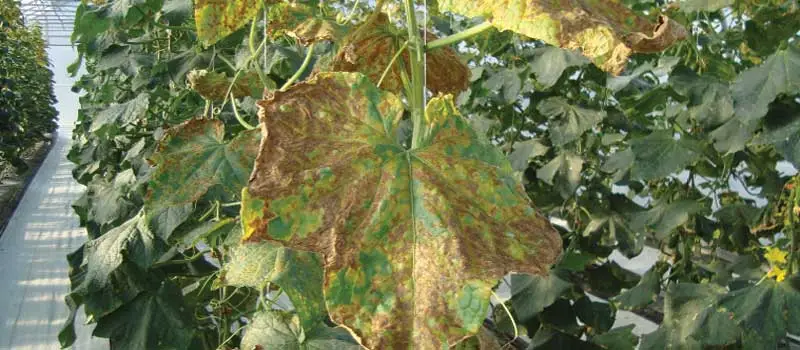
Understanding Fluazinam: Chemical Properties and Mode of Action
Chemical Structure and Physical Characteristics
Fluazinam (C13H4Cl2F6N4O4) is a yellow crystalline powder with unique crop protection capabilities. The molecular formula shows a complicated structure with numerous halogen atoms for stability and efficacy. This fungicide binds strongly to waxy plant cuticles and provides persistent protection even in harsh weather due to its high lipophilicity (LogP 4.03). Its limited water solubility (0.135 mg/L) requires careful formulation (96% Technical, 70% WP, 50% SC, and 35% WP) to maximise bioavailability in the field.
The compound's powder form gives agrochemical distributors more formulation possibilities for private-label goods. Hontai's flexible packaging meets the demands of major agricultural producers and regional distributors seeking customised solutions.
Unique Mode of Action and Multi-Site Inhibition
Using FRAC Group 29, the fungicide targets fungal cells' electron transport pathway. This mechanism is unique among fungicides, making it crucial to resistance control. Fluazinam inhibits spore germination, germ tube elongation, hyphal penetration, and sporulation via uncoupling oxidative phosphorylation.
Multi-site activity hinders resistance development. This trait permits rotation with other chemical classes without sacrificing long-term efficacy, which agricultural service providers using integrated pest control programs prefer. Due to touch, treatments must coat sensitive surfaces before pathogens arrive to create a fungicidal barrier rather than treat illnesses.
Environmental Profile and Safety Considerations
Due to high cuticle binding, rainfast qualities appear within two hours of spraying and last even after irrigation or precipitation. This eliminates repetitive applications, saving money for budget-conscious farm managers on tight limits.
Modern agriculture prioritises environmental protection. Fluazinam has minimal soil mobility, reducing groundwater pollution. According to temperature, moisture, and microbial activity, soil half-lives range from 30 to 90 days during degradation. This temporal window suppresses diseases without accumulating residue that might disrupt crop rotations.
Application Methods and Best Practices for Effective Crop Disease Control
Proper Application Timing and Coverage
Successful disease control requires preventative measures. Farmers have the best outcomes by starting programs before disease pressure increases, usually at susceptible crop growth periods when environmental circumstances favour pathogens. Foliar treatments must properly cover upper and lower leaf surfaces where spores may settle and germinate.
Crop architecture and canopy density affect spray volume. The penetration of dense vegetable crops may require 100-150 gallons per acre, whereas open canopy systems work at 50-80. When calibrated, modern ground rigs, airblast sprayers, and aerial application systems can handle Fluazinam formulations. Jar tests are recommended for tank mixing compatibility since certain adjuvants or emulsifiable concentrates might enhance cuticle permeability and induce phytotoxicity in hot weather.
Disease pressure, weather, and crop value determine application frequency. During peak danger periods, high-value vegetable operations may operate 7-10 days, whereas field crops operate 10-14 days. Rotating mode-of-action fungicides every 2-3 treatments ensures long-term efficacy and stewardship.
Crop-Specific Deployment Strategies
Fluazinam solves agronomic problems in potato cultivation. After symptoms show, late blight pressure in humid growing environments can destroy harvests within days. From row closure to bulking, preventative strategies safeguard foliage and tubers. Fluazinam as an exit spray during haulm destruction targets mobile zoospores in soil water, preventing tuber contamination and storage rot.
Peanut and soybean producers use crown-directed sprays to control Sclerotinia stem rot during blooming. White mould usually infects decaying plant materials near the soil line, but the fungicide protects it. This focused method saves product and protects important infection control.
Clubroot, a soil-borne disease, previously difficult to chemically treat, threatens Brassica output. Through soil soaking or mechanical integration at transplanting, fluazinam offers one of the few viable choices. Treatment minimises root hair primary zoospore infection, minimising gall formation that restricts plant growth and lowers marketable yields.
Regulatory Compliance and Label Adherence
Purchasing teams must check EPA registration numbers and local usage limitations on supplied items. For worker safety, label requirements indicate maximum application rates, pre-harvest intervals, and restricted-entry intervals. States and crops have different documentation needs; thus, providers with thorough regulatory assistance are necessary for smooth operations.
Understanding residue tolerances aids harvesting and exporting. Market Maximum Residue Limits (MRLs) vary; therefore, purchasers must consider destination requirements throughout procurement. Reliable manufacturers give residue decrease data for domestic and international interval decisions.
Fluazinam Compared: Evaluating Efficacy and Resistance Management
Performance Against Alternative Fungicides
Providing broad-spectrum crop protection for decades, chlorothalonil has been an industry staple. Compared to Fluazinam, its short residual time and lower rainfastness require more frequent treatments. Fluazinam's persistence in field trials reduces field trips and application costs, which is important for managing hundreds of hectares.
Metalaxyl and similar phenylamide fungicides have a systemic action that can cure; however, Phytophthora and downy mildew resistance restricts their use. Fluazinam's unique mechanism controls resistant pathogens, making it a vital rotation companion. Growers can use Fluazinam's preventive power for baseline protection while maintaining systemic choices for unique conditions.
Copper compounds are popular in organic operations and resistance control programs, although phytotoxicity hazards in chilly, moist circumstances restrict their usage. When used as directed, fluazinam is extremely crop-safe in a variety of situations, allowing for more application flexibility without compromising the health of the plant.
Resistance Risk Assessment and Mitigation
The mitochondrial respiration inhibitor classification (FRAC 29) has less resistance risk than single-site inhibitors. However, good stewardship is necessary. Our recommendation is to apply 8-10 Fluazinam sprays every season and rotate fungicides from at least two additional mode-of-action groups. This method protects sensitivity and extends chemical life.
Monitoring programs that detect lower sensitivity should immediately switch spray modes. Working with agricultural service providers who do efficacy evaluations helps uncover resistance changes before they threaten disease management. Application history documentation aids monitoring and data-driven resistance management.
Economic Considerations for Large-Scale Operations
Application frequency, labour, equipment time, and product performance affect cost-per-acre estimates. Fluazinam's longer residual activity requires one to two less sprays per season. Over vast acreages, fuel, labour, and machinery wear savings offset increased product prices. The ultimate return on investment is yield protection value, which prevents 30-50% losses in severe disease epidemics.
Economic benefits come from bulk purchasing with recognised suppliers. Volume commitments ensure supply during high-demand periods when spot market prices rise and obtain preferred pricing. Multiple-grower agrochemical distributors can use group purchasing power to boost profits and save clients money.
Procurement Guide: Finding Quality Fluazinam Suppliers and Partners
Supplier Qualification and Quality Verification
Finding trusted manufacturers distinguishes effective procurement techniques from problematic supply chains. Quality starts with HPLC-confirmed active ingredient content—reputable suppliers give Certificates of Analysis within tolerances. Fluazinam 50% SC formulations should include 500 g/L or 25 g/L to guarantee that label claims are accurate.
Physical quality metrics matter equally. Wet sieve tests indicate less than 0.1% residue on 75µm screens, preventing nozzle clogging in current high-pressure spray systems. Storage stability testing at 54°C for 14 days forecasts warehouse shelf life. Crystal growth or phase separation will cause application challenges and waste resources. Tank-filling operations go smoothly without overflow issues thanks to foam testing.
Manufacturing facility certifications boost confidence. ISO 9001, GMP, and third-party audits show production standards are maintained. Suppliers who disclose their quality control systems produce more dependable goods.
Navigating Import Logistics and Documentation
International procurement is complicated and requires cooperation. Commercial invoices, packing lists, and phytosanitary certifications must match to minimise shipment delays. Global commerce suppliers know these criteria and deliver appropriate paperwork bundles.
Origin, shipment mode, and destination port efficiency affect lead times. Ocean freight from production hubs takes 25–45 days, including customs clearance and domestic delivery. Air freight speeds up critical demands but raises expenses. Strategic purchasers plan seasonal needs months, employing ocean freight for base inventory and air options for demand spikes.
Import taxes and regulatory registrations affect land pricing and usage permission. U.S. State registrations address local regulations, whereas EPA registration verifies federal criteria. Before buying, check registration status—unregistered items cannot be sold or utilised, regardless of quality.
Building Long-Term Supplier Relationships
Dependable supply requires collaborations beyond transactional relationships. Preferred providers respond quickly to technical and delivery questions. Buyers can prepare ahead for supply limits rather than face shortages during important application times.
Technicians distinguish decent suppliers from exceptional ones. Having agronomists who understand area disease pressures and offer application tactics adds value beyond the product. Buyers may optimise disease control programs and enhance customer advisory services with this experience.
Distributors can create market-specific product lines with flexible packaging and private labelling. The customisation choices make suppliers key partners in corporate growth rather than commodity sources. Contract manufacturing agreements with precise quality criteria and delivery timetables stabilise these partnerships for both sides.
Case Studies and Industry Applications: Fluazinam Success Stories in Crop Disease Control
Potato Late Blight Management in Pacific Northwest Operations
In wet seasons, late blight caused 15-25% yield losses at a 2,000-hectare Washington State commercial potato operation. In high-pressure situations, traditional protectant programs needed treatments every 5-7 days, requiring a lot of labour and equipment. Adding Fluazinam improved disease control and prolonged spray intervals to 7-10 days.
The farm rotated Fluazinam and a systemic fungicide twice before switching. This method protected foliage throughout the season while regulating resistance. Exit spray timing was crucial—applying Fluazinam shortly after haulm destruction prevented zoospore migration to growing tubers. With storage rot down from 8% to 2%, crop value was preserved throughout selling. Although product prices were greater, shorter application visits and better marketable production resulted in $180 per hectare net savings.
White Mould Control in Southern Peanut Production
Georgia peanut growers fight Sclerotinia stem rot in humid summers. Fluazinam's crown protection was compared to their normal program by a 5,000-hectare agricultural cooperative. At early bloom, peak bloom, and two weeks post-peak bloom, fields received targeted sprays at the soil-stem interface, where diseases start.
The results showed 60-75% illness decrease compared to untreated tests and a 20-30% improvement over the prior benchmark. In mild disease years, yield improvements averaged 400 pounds per acre, maximising treatment ROI. After recommending Fluazinam to growers, the cooperative's agrochemical distributor partner established bulk purchasing agreements to ensure membership supply. End users, consultants, and suppliers working together demonstrate effective B2B agriculture connections.
Vineyard Disease Management in California Wine Grape Production
Powdery and downy mildew pressure threatens premium wine grape production, which requires low disease levels. A 300-hectare vineyard used Fluazinam to control downy mildew during spring growth when rainfall causes infection. During sensitive periods, contact activity and systemic fungicide rotations provided dependable protection.
Applications began when infection risk surpassed thresholds, using disease forecasting algorithms. With better disease control than before, the vineyard lowered seasonal fungicide applications from 12 to 9. No disease-related abnormalities were found in harvested fruit, justifying premium pricing. Winemakers recognised the program's contribution to constant fruit quality and brand recognition in competitive markets.
Conclusion
Fluazinam is a proven disease control treatment for varied agricultural systems. Commercial operations that require dependable performance benefit from its unique mode of action, high residual activity, and excellent resistance management profile. Procurement professionals require the fungicide's adaptability across treatment methods and crop varieties to establish complete disease management strategies.
Implementation requires precise application time, equipment calibration, and quality materials from approved sources. Economic advantages from reduced treatment frequency, yield protection, and crop quality justify investment expenditures across production systems. Alliances with manufacturers that provide technical assistance, regulatory knowledge, and reliable supply boost operations and agricultural production.
FAQ
Q1: Can Fluazinam formulations be mixed with adjuvants and other crop protection products?
Compatibility varies by formulation type and tank mix partners. Water-based formulations like 50% SC generally mix well with other suspension concentrates and water-dispersible granules. Caution applies when combining with emulsifiable concentrates or crop oils, as these can enhance cuticle penetration and potentially cause leaf burn under heat stress. Always conduct jar tests with actual products and water sources before mixing full spray tanks. Mixing sequences matter—typically adding products to water in this order: water-dispersible products, then suspension concentrates, followed by soluble products, with adjuvants added last. Consult product labels for specific compatibility statements and restrictions.
Q2: What are the pre-harvest interval and worker safety period?
Pre-harvest intervals vary by crop and application rate, typically ranging from 7 to 21 days depending on residue tolerances and degradation rates. Leafy vegetables generally have shorter intervals than root crops or fruits with protective skins. The restricted-entry interval following application is commonly 12 hours for most formulations, though label directions always supersede general guidance. Workers entering treated areas must wear appropriate personal protective equipment as specified on product labels until surfaces dry completely and REI expires.
Q3: How does Fluazinam compare to biological fungicides in integrated programs?
Biological fungicides offer valuable tools for organic production and resistance management, though efficacy levels often fall below those of synthetic chemistry, particularly under high disease pressure. Fluazinam delivers reliable control in challenging conditions where biologicals might struggle. An integrated approach combines both—using biologicals during low-pressure periods to reduce synthetic inputs, reserving Fluazinam and other conventional fungicides for critical protection windows. This strategy balances efficacy, cost management, and environmental stewardship while supporting diverse modes of action.
Partner with Hontai for Reliable Fluazinam Supply
Securing consistent access to quality crop protection products separates successful agricultural operations from those struggling with supply disruptions. Hontai Biotech, based in Shijiazhuang, Hebei Province, specialises as a Fluazinam manufacturer offering technical-grade material and multiple formulation options, including 70% WP, 50% SL, and 35% WP configurations. Our production capabilities support both direct bulk procurement and customised private-label development for distributors building branded product portfolios. Quality assurance protocols ensure every batch meets international standards with full analytical documentation supporting regulatory compliance across global markets. Our professional sales team responds promptly to technical inquiries and provides comprehensive after-sales support, helping customers optimise application strategies and resolve field challenges. With established logistics networks enabling fast global shipping, we maintain supply reliability that large-scale agricultural operations and distributors depend on during critical application windows. Contact us at admin@hontai-biotech.com to discuss your specific procurement needs, request product samples, or explore partnership opportunities.
References
1. Gisi, U. and Sierotzki, H. (2015). "Mechanisms of Resistance to Site-Specific Fungicides and Strategies for Resistance Management." In Fungicide Resistance in Crop Protection: Risk and Management, FRAC Monograph No. 3, pp. 87-101.
2. Johnson, D.A. and Cummings, T.F. (2013). "Effect of Extended Crop Rotation on Incidence of Potato Late Blight and Tuber Yield." American Journal of Potato Research, 90(5), pp. 456-462.
3. Keinath, A.P. (2019). "Evaluation of Fungicides for Control of White Mold on Cabbage and Analysis of Fungicide Sensitivity in Sclerotinia sclerotiorum." Plant Disease, 103(7), pp. 1644-1650.
4. Mueller, D.S. and Wise, K.A. (2016). "Fungicide Efficacy for Control of Soybean Foliar Diseases." Purdue University Cooperative Extension Service Publication BP-160-W, 12 pages.
5. Stevenson, W.R., Loria, R., and Franc, G.D. (2001). Compendium of Potato Diseases, 2nd Edition. American Phytopathological Society Press, St. Paul, Minnesota, 106 pages.
6. Weber, R.W.S. and Hahn, M. (2018). "A Rapid and Simple Method for Determining Fungicide Resistance in Botrytis cinerea." Journal of Phytopathology, 166(11-12), pp. 830-837.
Our customers’ satisfaction speaks for our quality — contact us to experience the same reliable service.