- English
- French
- German
- Portuguese
- Spanish
- Russian
- Japanese
- Korean
- Arabic
- Greek
- German
- Turkish
- Italian
- Danish
- Romanian
- Indonesian
- Czech
- Afrikaans
- Swedish
- Polish
- Basque
- Catalan
- Esperanto
- Hindi
- Lao
- Albanian
- Amharic
- Armenian
- Azerbaijani
- Belarusian
- Bengali
- Bosnian
- Bulgarian
- Cebuano
- Chichewa
- Corsican
- Croatian
- Dutch
- Estonian
- Filipino
- Finnish
- Frisian
- Galician
- Georgian
- Gujarati
- Haitian
- Hausa
- Hawaiian
- Hebrew
- Hmong
- Hungarian
- Icelandic
- Igbo
- Javanese
- Kannada
- Kazakh
- Khmer
- Kurdish
- Kyrgyz
- Latin
- Latvian
- Lithuanian
- Luxembou..
- Macedonian
- Malagasy
- Malay
- Malayalam
- Maltese
- Maori
- Marathi
- Mongolian
- Burmese
- Nepali
- Norwegian
- Pashto
- Persian
- Punjabi
- Serbian
- Sesotho
- Sinhala
- Slovak
- Slovenian
- Somali
- Samoan
- Scots Gaelic
- Shona
- Sindhi
- Sundanese
- Swahili
- Tajik
- Tamil
- Telugu
- Thai
- Ukrainian
- Urdu
- Uzbek
- Vietnamese
- Welsh
- Xhosa
- Yiddish
- Yoruba
- Zulu
Why are lemons treated with imazalil?
share:
Imazalil is used to treat lemons after they are picked because it is a systemic fungicide that successfully stops damaging mould infections that can happen during storage and foreign movement of fruit. For example, Imazalil targets pathogens like green mould and blue mould that cause big losses in the fruit business by breaking down the cell membranes of these fungi. This treatment keeps lemons from going bad, extends their shelf life, and makes sure they get to markets around the world in perfect shape. It's an important tool for business lemon growers and marketers.
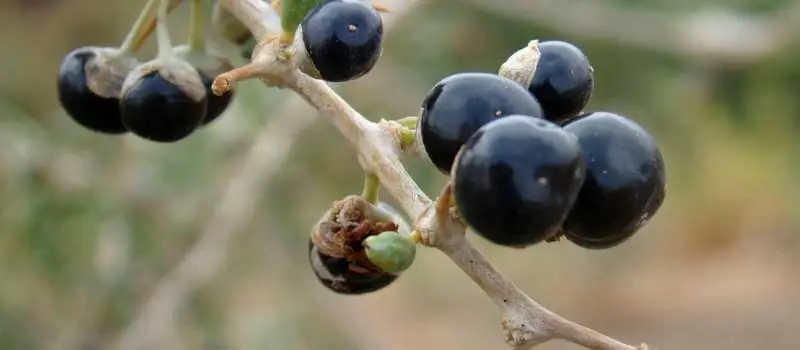
Understanding Imazalil and Its Role in Postharvest Citrus Protection
One of the biggest problems the citrus business is having right now is how to deal with diseases that appear after the fruit has been picked. When lemons leave the farm, they are at a weak point where fungal pathogens can quickly infect them and cause big losses in money.
The Chemical Foundation of Imazalil Protection
Imazalil is a fungicide in the imidazole class, and it works as a systemic cleanser and antioxidant. Surface protectants only cover the outside of fruits, but this substance gets inside the lemon peel and stops the metabolism of fungi at the cellular level. The active ingredient stops fatty breakdown in mould structures, changes how the body works, and stops cell membranes from letting things through. The most important thing is that it stops spores from forming, which means that sick fruits can't spread to nearby produce while it's being stored in bulk.
The chemical formula C9H9N3O2 shows a carefully balanced structure that lets the substance dissolve in water and get into cells. Commercial versions like the 50% SC (Suspension Concentrate) from companies like Hontai have a lot of active ingredients, which makes it possible to give the right amount for each dose.
Application Methods in Commercial Operations
Citrus packing shops use several tried-and-true methods for application. Drenching systems cover the whole surface of picked lemons with a weak pesticide solution, even the ends of the stems, where pathogens often enter. With dip tank methods, fruit is submerged for fixed amounts of time, usually 30 to 60 seconds. Spray applications spread a fine mist that can be used for automatic lines that process thousands of vegetables every hour. Some businesses put the fungicide right into the wax emulsions that are used to keep the wetness in, making a shield that protects in two ways.
These ways work for a range of operation sizes and output needs, and they keep the level of protection the same all along the supply chain.
Why Lemons Specifically Are Treated with Imazalil?
Some things make lemons more likely to get fungus than other citrus fruits. This is why focused pesticide treatment has become standard.
The Biological Vulnerability of Lemons
The higher wetness content of lemon peel compared to orange or grapefruit peel makes it a great place for fungi to grow. Pathogens can get into the fruit through natural holes and cuts from harvesting because the rind is slightly porous. The main danger is green mould (Penicillium digitatum), which can kill whole boxes within days if they are stored incorrectly. There are more risks with blue mould (Penicillium italicum), especially when it's kept cold for a long time, which is typical in export logistics, so Imazalil 50% EC is often used to help protect fruit quality.
According to research from the University of California Postharvest Technology Centre, lemons that haven't been treated with imidazole fungicides go bad at a rate of over 40% during normal three-week cold storage, but this rate drops to less than 5% when they are properly treated.
Performance Advantages Over Alternative Fungicides
There are several postharvest fungicides on the market, but Imazalil always works better than the others when it comes to protecting lemons. Thiabendazole doesn't work very well throughout the body, and it has a lot of problems with resistance in major output areas. Fludioxonil works great on the surface but doesn't go deep enough to control diseases that are already there. Pyrimethanil works well, but it needs to be applied more often, which raises the cost of treatment.
Because it both heals and protects, Imazalil can stop infections that start up to 48 hours before it is applied, which is very helpful because there is a delay between harvesting and processing in large industrial operations.
Thoughts on Safety, Residue, and Rules in International Markets
Every part of industrial fungicide use has to follow rules set by regulators, so procurement workers and farm service providers need to know a lot about them.
Toxicological Profile and Safety Margins
If you follow the directions on the bottle, Imazalil has a good safety record. The substance is not very dangerous to animals right away. In rats, the oral LD50 values are higher than 320 mg/kg body weight. Environmental fate studies show that it is moderately mobile in soil and toxic in water, so normal safety measures must be taken when handling and disposing of it. According to worker safety rules, you must wear protective gear while mixing and applying the product, and the signs make this very clear.
Maximum Residue Limits Across Export Markets
When you trade internationally, you have to be very careful to follow the rules of the target market. Maximum Residue Limits (MRLs) of 10 ppm are set by the US Environmental Protection Agency for citrus foods. The European Union sets a limit of 5 ppm for pesticide residues in lemons. This shows that the area takes a cautious approach to pesticide residues. Japan allows 5 ppm, and other Asian markets have similar rules that are in line with what Codex Alimentarius says should be done.
These limits set by the government are still a lot higher than the normal amounts of residue found on properly treated fruit, which are between 1 and 3 parts per million when standard treatment procedures are followed.
Resistance Management and Practices for Sustainability
Resistance control techniques must be used for long-term effectiveness. By switching between different types of fungicides, you can stop the selection pressure that makes pathogens immune. When you mix suitable chemicals in a tank, they work together to control the problem and stop resistance from developing faster. Monitoring programs keep an eye on changes in how well diseases are controlled across crop areas. This lets growers know about new resistance problems before they become too big a problem.
Sustainability factors are becoming more and more important in purchasing decisions. The fact that Imazalil doesn't stay in the environment for long and only attacks specific pests is in line with the principles of integrated pest management, which aim to have the least possible effect on the environment while still allowing businesses to run.
Procurement Insights: Sourcing Imazalil for Citrus Treatment
To get reliable fungicide supplies, you need to carefully look at the skills of the seller, the product specs, and the organisational factors that affect the continuation of operations. When looking for Imazalil to treat citrus fruits, you need to pay attention to quality control and legal paperwork.
Critical Supplier Selection Factors
Quality control starts with checking the qualifications of the maker. Leading providers, such as Hebei Hontai Biotech Co., Ltd., have thorough quality control systems that are backed up by certifications from outside organisations. Established makers make sure that performance is the same from batch to batch, so there is no variation in how well they work that could hurt disease control programs.
Product paperwork is another important thing to think about. For target markets, reputable providers provide full Material Safety Data Sheets, Certificates of Analysis that confirm the content of active ingredients, and regulatory permission paperwork. These materials make it easier to clear customs and meet the standards for quality management systems' due diligence.
Options for formulation should be carefully thought through based on the program infrastructure and operational tastes. For integrated coating systems, emulsifiable concentrates work better with wax because they are more compatible with it, while suspension concentrates are more stable and easier to mix. Different types of packaging are available, from small cases for testing in the lab to big drums and totes for putting a lot of items at once.
Logistics and Supply Chain Considerations
The ability to handle transportation on a global scale sets apart good providers from great partners. Fast shipping networks make sure that deliveries happen on time, in time for harvest times when demand for treatment capacity is highest. Flexible order amounts can be used for both one-time purchases during harvest booms and yearly contracts that ensure availability and keep prices stable.
When buying things from other countries, knowing about export compliance is very helpful. Suppliers who have dealt with foreign trade in agrochemicals know how to deal with the complicated paperwork, phytosanitary certificates, and customs rules that could otherwise slow down packages at crucial times.
Structures for competitive prices strike a balance between lowering costs and ensuring quality. Volume discounts are good for big buyers because they help keep the margins that support ongoing research, regulatory maintenance, and customer service infrastructure that is necessary for a relationship to work in the long run.
The best way to use Imazalil on lemons is to get the best results
To get the most out of a treatment, you need to pay attention to how it's applied, how well it's maintained, and combine disease management concepts that go beyond chemical intervention alone. Using Imazalil on lemons needs to be done carefully so that the fruit can be sold around the world and last a long time.
Dosage Optimisation and Application Protocols
Standard treatment methods call for 1000–2000 ppm of active ingredient concentration for dip and drench applications. This concentration should be changed depending on the disease pressure, the state of the fruit, and how long it will be stored. Higher amounts are best for lemons that will be kept cold for a long time or sent long distances, while normal rates are fine for fruit that will be sent quickly to local stores.
Efficacy and uptake are affected by the temperature of the solution. Keeping treatment tanks between 38°C and 45°C increases penetration without hurting plant cells with heat. Regular checks make sure that the temperature stays stable during changes in processes. The pH of a solution affects its stability and action. The best pH range is between 6.5 and 7.5, but it needs to be adjusted every so often because organic acids from plant surfaces build up in systems that are used again and again.
Integration Within Comprehensive Disease Management
Chemical treatment is an important part of programs that work to stop diseases. Pathogens and illness chances are lowered by doing things like carefully managing watering, picking at the right time, and quickly cooling the fruit after picking. Sanitation rules that get rid of sources of inoculum from packing areas and shipping gear keep cleaned fruit from getting contaminated again.
Quality control measures check how well the treatment is working by testing for residues on a regular basis, keeping track of how often things break down, and checking the shelf life. These measures find deviations from the routine that need to be fixed before they cause big losses.
Worker Safety and Environmental Stewardship
Responsible use puts protecting people's health and the environment first. When mixing, wearing gloves, eye protection, and breathing protection is important to keep from getting exposed. The air quality in application areas stays below the standards for work exposure when there is enough ventilation, and Imazalil should always be handled according to label directions. Waste management methods make sure that clean water and empty containers are disposed of or recycled in a way that follows local rules.
These actions show that the company is responsible and protects the workers who make the business's fruit operations successful.
Conclusion
The Imazalil treatment has become the gold standard for protecting lemons after they have been harvested because it successfully handles the unique vulnerability of these valuable citrus fruits to fungal decay. Because it works on a systemic level, kills a wide range of key pathogens, and works with industrial application systems, the chemical can't be replaced in global lemon supply chains. Its continued role in providing high-quality fruit to consumers around the world is ensured by regulatory acceptance in major export markets, as well as by safety profiles and resistance control methods that have been shown to work. Procurement workers looking for reliable ways to stop diseases after harvest can safely order Imazalil formulations from well-known companies that offer the quality control, paperwork, and logistics support needed for smooth foreign operations.
FAQ
Q1: What makes Imazalil more effective than other fungicides for lemons?
Imazalil's systemic activity allows it to penetrate lemon peel and control infections that have already started, unlike surface protectants. Its specific action against Penicillium moulds that primarily affect citrus, combined with curative properties acting within 48 hours post-harvest, provides superior protection compared to alternatives like thiabendazole or surface treatments.
Q2: Are lemons treated with Imazalil safe for consumption?
Lemons treated according to regulatory guidelines contain residue levels well below established safety thresholds. Maximum Residue Limits set by regulatory agencies incorporate substantial safety margins based on comprehensive toxicology studies. Washing lemons before use further reduces any surface residues, ensuring consumer safety.
Q3: How long does Imazalil protection last on treated lemons?
Properly treated lemons maintain effective protection throughout typical cold storage periods of 3-6 months. The fungicide's persistence within fruit tissues provides ongoing pathogen suppression during transport and retail display, though protection gradually diminishes over extended storage as the compound slowly degrades.
Partner with Hontai for Reliable Postharvest Protection Solutions
Agricultural service providers and citrus distributors seeking dependable fungicide supplies can rely on Hebei Hontai Biotech Co., Ltd. as their trusted Imazalil manufacturer. Our 50% SC formulation delivers consistent performance backed by rigorous quality control and complete regulatory documentation. With fast global logistics ensuring timely delivery to support your seasonal operations and competitive pricing structures designed for bulk buyers, we provide the reliability your business demands. Our professional technical team offers comprehensive application guidance and responsive customer support, addressing your specific postharvest challenges. Contact our specialists at admin@hontai-biotech.com to discuss your requirements and discover how our worldwide agricultural service can strengthen your supply chain quality assurance programs.
References
1. Eckert, J.W. and Eaks, I.L. "Postharvest Disorders and Diseases of Citrus Fruits," University of California Division of Agriculture and Natural Resources, Publication 4007, 1989.
2. Smilanick, J.L., Mansour, M.F., and Sorenson, D. "Pre- and Postharvest Treatments to Control Green Mold of Citrus Fruit During Ethylene Degreening," Plant Disease Journal, Vol. 90, No. 1, 2006.
3. Erasmus, A., Lennox, C.L., Smilanick, J.L., and Lesar, K. "Imazalil Residue Loading and Green Mould Control on Citrus Fruit as Affected by Formulation, Solution pH and Exposure Time in Aqueous Dip Treatments," Postharvest Biology and Technology, Vol. 77, 2013.
4. Holmes, G.J. and Eckert, J.W. "Sensitivity of Penicillium digitatum and P. italicum to Postharvest Citrus Fungicides in California," Phytopathology Journal, Vol. 89, No. 8, 1999.
5. United States Environmental Protection Agency. "Imazalil: Pesticide Tolerances Final Rule," Federal Register, Code of Federal Regulations Title 40, Part 180.
6. Palou, L., Smilanick, J.L., and Droby, S. "Alternatives to Conventional Fungicides for the Control of Citrus Postharvest Green and Blue Moulds," Stewart Postharvest Review, Vol. 4, No. 2, 2008.
Our customers’ satisfaction speaks for our quality — contact us to experience the same reliable service.