- English
- French
- German
- Portuguese
- Spanish
- Russian
- Japanese
- Korean
- Arabic
- Greek
- German
- Turkish
- Italian
- Danish
- Romanian
- Indonesian
- Czech
- Afrikaans
- Swedish
- Polish
- Basque
- Catalan
- Esperanto
- Hindi
- Lao
- Albanian
- Amharic
- Armenian
- Azerbaijani
- Belarusian
- Bengali
- Bosnian
- Bulgarian
- Cebuano
- Chichewa
- Corsican
- Croatian
- Dutch
- Estonian
- Filipino
- Finnish
- Frisian
- Galician
- Georgian
- Gujarati
- Haitian
- Hausa
- Hawaiian
- Hebrew
- Hmong
- Hungarian
- Icelandic
- Igbo
- Javanese
- Kannada
- Kazakh
- Khmer
- Kurdish
- Kyrgyz
- Latin
- Latvian
- Lithuanian
- Luxembou..
- Macedonian
- Malagasy
- Malay
- Malayalam
- Maltese
- Maori
- Marathi
- Mongolian
- Burmese
- Nepali
- Norwegian
- Pashto
- Persian
- Punjabi
- Serbian
- Sesotho
- Sinhala
- Slovak
- Slovenian
- Somali
- Samoan
- Scots Gaelic
- Shona
- Sindhi
- Sundanese
- Swahili
- Tajik
- Tamil
- Telugu
- Thai
- Ukrainian
- Urdu
- Uzbek
- Vietnamese
- Welsh
- Xhosa
- Yiddish
- Yoruba
- Zulu
Understanding Thiram: A Critical Fungicide in Modern Agriculture
share:
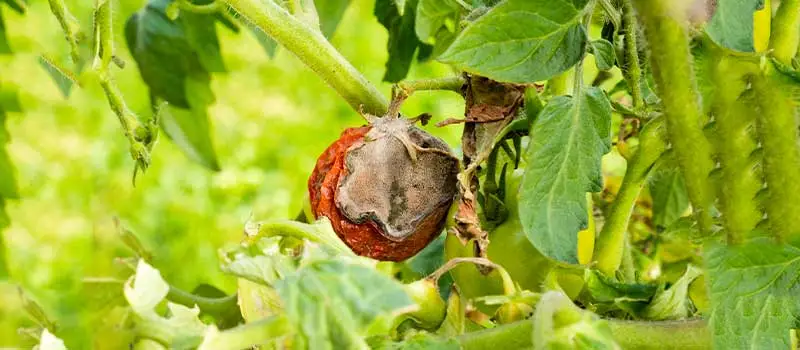
A protective pesticide called Thiram is widely used in modern farming to fight harmful fungal diseases in a wide range of food systems. As a dithiocarbamate compound, it protects fruits, veggies, ornamentals, and field crops from Botrytis, rust, scab, and storage diseases when they come into contact with them. Thiram also protects seedlings against pathogens that cause damping-off when used as a seed treatment. This pesticide is still a cost-effective way for farmers and dealers to get rid of diseases because it comes in formulations that are 80% pure and can be packaged in different ways.
What is Thiram? Chemical Properties and Fungicide Mode of Action
Knowing the basic chemistry and process of Thiram helps people who work in procurement and farm service make smart choices when choosing crop protection goods. Thiram, whose chemical name is tetramethylthiuram disulfide (EINECS No. 234-232-0, MF: C9H9N3O2), is a fine powder that dissolves only slightly in water and stays stable for a long time when stored properly. This pesticide has a shelf life of two to three years if it is kept in a dry place away from too much heat and moisture. It can be bought from companies like Hebei Hontai Biotech Co., Ltd.
Mechanism of Action Against Fungal Pathogens
Thiram works by stopping fungus spores from germinating at multiple sites, mainly before they can cause an illness. When the substance is put on seed surfaces or plant leaves, it creates a barrier that stops harmful fungi from setting up colonies. This way of working targets enzymes inside fungus cells, messing up metabolic paths that are necessary for spore growth. Systemic fungicides get into plant tissues, but Thiram stays on surfaces that have been treated, protecting them right away from new spore loads.
Application Methods and Crop Versatility
There are two main ways that Thiram is used in agriculture: treating seeds and spraying leaves with the chemical. Seed treatments kill any germs on the seed coat and make a barrier in the soil around the plants that protects them from soil-borne diseases like Pythium, Rhizoctonia, and Fusarium. Foliar treatments are used to kill diseases that grow above ground on decorative plants, veggies (like tomatoes, lettuce, and crucifers), and fruits (like apples, peaches, and strawberries). Thiram can be used by large-scale farmers who are in charge of hundreds to thousands of fields of different cropping systems, ranging from corn and soybeans to specialty horticultural businesses.
Thiram vs. Other Fungicides: Comparison and Decision Criteria
Commercial farmers and people who sell agrochemicals have to make tough choices about which fungicides to use based on how well they work, how much they cost, how well they follow the rules, and how to deal with resistance. When you compare Thiram to other options like mancozeb, captan, and carbendazim, you can see that it has clear benefits that affect how it is bought.
Cost-Efficiency and Economic Value
Thiram is usually cheaper than newer systemic fungicides, which makes it appealing to businesses that want to cut costs without sacrificing disease control. Because Thiram 80% formulations are priced competitively, industrial makers can buy them in bulk during certain times of the year. When looking at cost-benefit ratios, procurement teams know that Thiram's protective action successfully lowers disease pressure on many crops, though precise application time is needed to keep crops safe during sensitive growth stages.
Environmental Profile and IPM Integration
Compared to earlier organomercury seed treatments that are now illegal in many places, Thiram is much safer for the environment. Its touch method lowers the selection pressure on fungicide-resistant pathogen populations, which makes it useful in Integrated Pest Management (IPM) systems. In the same way that mancozeb controls a wide range of pests, Thiram breaks down more quickly in some soil circumstances. Regulatory information about Thiram's use, such as residue tolerance levels and pre-harvest intervals, is still very important for wholesalers that serve farming markets that are focused on exports and where compliance drives buying choices.
Resistance Management Considerations
Many-site contact fungicides, like Thiram, are less likely to become resistant than single-site systemics, like azoles or strobilurins. Because of this, Thiram is an important rotation partner or tank-mix part of complete disease control systems. Agricultural service providers and crop protection companies look at this trait highly when creating resistance management plans for clients who are facing rising disease pressures from pathogen populations that have been introduced over and over again.
Safe and Effective Usage of Thiram in Agricultural Practices
Paying attention to application parameters, safety measures, and agrochemical compatibility is important for getting the most out of Thiram. These are things that have a direct effect on crop growth, worker safety, and following the rules.
Dosage Recommendations and Application Timing
To use Thiram effectively, you need to use the right amount for each crop and time it right so that it doesn't interfere with disease growth windows. Rates of 0.5 to 1.5 grams of active ingredient per kilogram of seed are common for seed treatments. These rates depend on how sensitive the crop is to disease and how much disease pressure there is. Foliar treatments range from 1.5 to 3 kg per hectare, and they are done again every 7 to 14 days when disease risk is high or when conditions are good for infection. Applying before it's supposed to rain or in the early morning, when dew is still present, gives the best protection against fungus spores trying to attack.
Tank-Mix Compatibility and Phytotoxicity Prevention
Thiram is physically compatible with most neutral agrochemicals, which makes it easier to include in full spray plans. Agricultural operations should not mix Thiram with highly alkaline products like Bordeaux mixture or lime sulfur, because the chemicals quickly break down and the risk of phytotoxicity goes up. Application mistakes that cost a lot of money can be avoided by testing in small jars first, then mixing in a big tank. Crop protection businesses that offer field services stress the importance of keeping the pH of the spray solution between 5.0 and 7.0 to protect the safety and effectiveness of Thiram.
Worker Safety and Environmental Stewardship
During mixing and application tasks, handlers must wear the right personal safety equipment, such as gloves, respirators, and protective clothing. Workers must refrain from drinking alcohol before and after handling because Thiram exposure can cause bad bodily responses. Protecting the environment means keeping drift from entering watery areas and keeping safety zones around ecosystems that are sensitive. By reading labels and understanding how harmful they are, you can protect people's health and the environment while still being able to sell your products in countries that have strict rules about pesticide residues.
Procurement Guide for Thiram Fungicide: Sourcing and Supplier Insights
Strategic sourcing of Thiram means looking at where the products are made, the qualifications of the suppliers, the necessary paperwork for regulations, and the processes of the shipment to make sure that the quality is always stable and the supply is stable.
Global Manufacturing Landscape
China, India, the United States, and European industrial hubs are where Thiram makes most of its products. Chinese suppliers, especially those in Hebei province like Hontai, have low prices and let you make changes to private-label goods and OEM setups as needed. Indian makers stress the importance of regulatory compliance paperwork that supports exports to markets with strict rules. Knowing how the regional supply chain works helps importers and wholesalers make the best buying decisions based on delivery times, freight costs, and making sure that regulations are in line with the places where the goods will be sold.
Supplier Verification and Quality Assurance
Suppliers you can trust will give you a lot of quality information, like Certificates of Analysis that show how pure the active ingredient is (usually 98% for scientific grade and 80% for formulated goods), HPLC test results, and quality control data for each batch. Checking the melting point values (146–148°C for technical Thiram), the moisture content below 0.5%, and the particle size distribution through sieve analysis makes sure that the composition is consistent and works well in the application. Distributors who want to build long-term relationships with sellers look at their manufacturing certifications, export experience, records of legal compliance, and expert help after the sale.
Pricing Dynamics and Contract Structures
Keeping an eye on global Thiram price trends helps buying teams plan when to buy in bulk and negotiate good contract terms. Changes in seasonal demand, the supply of raw materials, and changes in regulations all affect how prices are set. Long-term bulk contracts with well-known providers keep prices stable and ensure supply during busy farming seasons, meeting the needs of commercial farm owners who buy in bulk during those times. Flexible package choices and personalized label services are helpful for wholesalers who work with a variety of regional markets that have different labeling rules.
Maximizing ROI: Integrating Thiram into Your Crop Protection Strategy
For Thiram fungicide programs to give you the best return on your investment, they need to be strategically integrated with crop protection plans, have strict monitoring routines, and use the expert support resources of their suppliers.
Application Scheduling and Climate Adaptation
Thiram systems that work well change when applications are due to local weather trends and disease prediction models. In places that get a lot of rain or leaves stay wet for long periods of time, spray intervals should be reduced. In dry places, on the other hand, application rates should be increased. Apple production systems have shown that applying Thiram before scabs form, starting at bud break and continuing through petal fall, is a much more effective strategy than strategies that wait until the scabs form. Strawberry farmers use Thiram as part of their grey mold control plans during bloom times, which are also times when the risk of Botrytis infections is highest. They time their treatments with weather forecasts and observations made while scouting the fields.
Residue Management and Export Compliance
Crops that are going to be sold in other countries must be grown in a way that strictly follows the maximum waste limits and pre-harvest times that are required by those countries. Regular testing of residue levels protects market access for high-value gardening goods by making sure they meet the standards of importing countries. Growers can make sure their final treatments are made at the right time by knowing that withdrawal periods vary from 3 to 14 days based on the crop and the application rate. Agricultural service providers who offer full crop protection advice include waste management as a key part of their Thiram care suggestions.
Leveraging Technical Support for Performance Optimization
Working closely with providers gives you access to application training, help with fixing problems, and personalized recipe advice that makes the program work better. Suppliers with professional, skilled teams can quickly answer questions about performance in the field, interface issues, and the need to understand regulations. This technical relationship is especially helpful when adding Thiram to complicated spray programs that have a lot of different active chemicals and adjuvants. Case studies shared through supplier networks show how integration methods can work for a wide range of crops and growing conditions, cutting down on application risks and speeding up the learning curve.
Conclusion
Thiram is still an important insecticide in modern farming because it has been shown to work against important seed and leaf diseases that affect many types of crops. It is useful for business producers, distributors, and farming service providers because it is cheap, doesn't cause resistance, and works with integrated disease control plans. Strategic buying from qualified sellers guarantees consistent products, compliance with regulations, and a reliable supply chain. Thiram works well to protect crops as long as it is used correctly and in accordance with safety rules and guidelines for managing residues. It does this by lowering crop losses and keeping product quality high.
FAQ
Q1: What crops benefit most from Thiram application?
Thiram works very well on seed crops like corn, soybeans, cotton, and veggies that are easily damaged by damping-off diseases. Apples, peaches, cherries, tomatoes, and attractive plants can all be protected against diseases by putting chemicals on their leaves. These chemicals work especially well against Botrytis grey mold, apple scab, and different rust diseases.
Q2: Can Thiram be safely mixed with other pesticides?
Thiram works well with most neutral-pH agricultural agents, such as many pesticides and fungicides. Do not mix with alkaline substances such as Bordeaux mixture or lime sulfur, as they break down chemicals. Before mixing in a big tank, you should always do jar tests to make sure the materials are physically compatible.
Q3: What safety precautions do workers need when handling Thiram?
When mixing and applying chemicals, people who handle them must wear gloves that are resistant to chemicals, respirators, and protective clothing. Because of possible bad effects, workers shouldn't drink booze before or after working. Follow all of the safety directions on the label, and make sure that storage places have enough airflow.
Partner with Hontai for Quality-Assured Thiram Solutions
Hebei Hontai Biotech Co., Ltd is ready to be your reliable Thiram provider. They offer 80% pure fungicide formulas with strict quality control and a range of customization options. Our professional team can give you full technical advice, offer low prices for large orders, and make sure that your products arrive on time to support your production plans. We make Thiram as a powder, and the labels can be changed to fit the needs of different markets. Email our experts at admin@hontai-biotech.com to talk about your unique crop protection needs and get access to full product specs that will help you make better buying choices.
References
1. Mueller, D. S., and Wise, K. A. (2020). Fungicides for Field Crops: A Practical Guide to Disease Management. American Phytopathological Society Press.
2. Van Den Bosch, F., Oliver, R., Van Den Berg, F., and Paveley, N. (2014). "Governing Principles Can Guide Fungicide-Resistance Management Tactics." Annual Review of Phytopathology, 52, 175-195.
3. Food and Agriculture Organization of the United Nations. (2016). International Code of Conduct on Pesticide Management: Guidelines on Data Requirements for the Registration of Pesticides. FAO Publications.
4. Gisi, U., Sierotzki, H., Cook, A., and McCaffery, A. (2002). "Mechanisms Influencing the Evolution of Resistance to Fungicides." Pest Management Science, 58(9), 859-867.
5. Ellis, M. A., Nita, M., and Miller, S. A. (2018). The Midwest Fruit Pest Management Guide. Ohio State University Extension Bulletin.
6. Tomlin, C. D. S. (Ed.). (2009). The Pesticide Manual: A World Compendium (15th Edition). British Crop Production Council.
Our customers’ satisfaction speaks for our quality — contact us to experience the same reliable service.