- English
- French
- German
- Portuguese
- Spanish
- Russian
- Japanese
- Korean
- Arabic
- Greek
- German
- Turkish
- Italian
- Danish
- Romanian
- Indonesian
- Czech
- Afrikaans
- Swedish
- Polish
- Basque
- Catalan
- Esperanto
- Hindi
- Lao
- Albanian
- Amharic
- Armenian
- Azerbaijani
- Belarusian
- Bengali
- Bosnian
- Bulgarian
- Cebuano
- Chichewa
- Corsican
- Croatian
- Dutch
- Estonian
- Filipino
- Finnish
- Frisian
- Galician
- Georgian
- Gujarati
- Haitian
- Hausa
- Hawaiian
- Hebrew
- Hmong
- Hungarian
- Icelandic
- Igbo
- Javanese
- Kannada
- Kazakh
- Khmer
- Kurdish
- Kyrgyz
- Latin
- Latvian
- Lithuanian
- Luxembou..
- Macedonian
- Malagasy
- Malay
- Malayalam
- Maltese
- Maori
- Marathi
- Mongolian
- Burmese
- Nepali
- Norwegian
- Pashto
- Persian
- Punjabi
- Serbian
- Sesotho
- Sinhala
- Slovak
- Slovenian
- Somali
- Samoan
- Scots Gaelic
- Shona
- Sindhi
- Sundanese
- Swahili
- Tajik
- Tamil
- Telugu
- Thai
- Ukrainian
- Urdu
- Uzbek
- Vietnamese
- Welsh
- Xhosa
- Yiddish
- Yoruba
- Zulu
What is fluazinam used for?
share:
Fluazinam is a broad-spectrum contact fungicide that is mostly used to stop deadly fungal diseases in valuable crops and for specialized grass management. This pyridinamine-class chemical works by stopping target pathogens from respiring mitochondria. This makes it very good at killing late blight in potatoes and tomatoes, Sclerotinia in soybeans, and several turfgrass diseases on golf courses. In the world of business-to-business purchasing, Fluazinam is known for being able to deal with the problems of resistance that plague traditional fungicides. It provides industrial farmers and agrochemical wholesalers with a safe way to protect crops from diseases that lower their quality and yield potential.
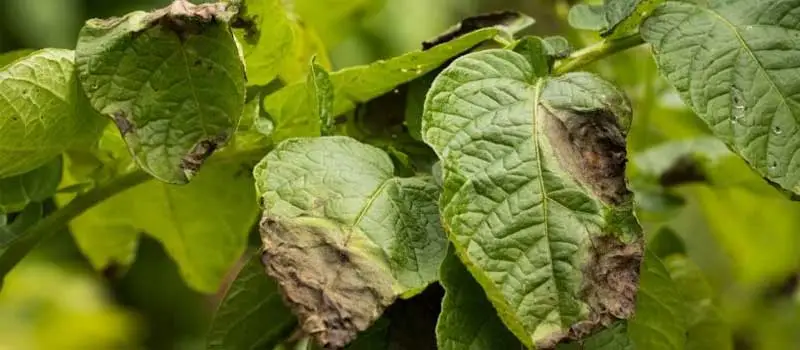
Understanding Fluazinam and Its Agricultural Uses
Chemical Properties and Mode of Action
Fluazinam, part of FRAC Code 29, separates oxidative phosphorylation in fungal mitochondria. Unlike systemic fungicides, it exclusively protects against contact. Its complicated structure, C13H4Cl2F6N4O4, makes it rain-resistant and protects leaves within two hours. Fluazinam protects plant surfaces unlike mobile chemicals. Prevention timing is more essential than therapy time.
Primary Crop Applications and Disease Control
Commercial potato farms need this active element throughout crucial development phases. Phytophthora infestans-caused late blight is one of the worst potato diseases for the global economy. Fluazinam stops zoospores from entering leaf tissue and forming roots.
Golf course superintendents treat turfgrass infections using Fluazinam. The chemical controls dollar spot, brown patch, and anthracnose, which degrade playing surfaces during busy times. To evenly cover treated areas, you need at least 50 gallons per acre of water for application.
Tomato farmers benefit from fluazinam's ability to eradicate both early and late blight. Grape farmers spray it for downy mildew. The pesticide is used by peanut and soybean farmers to prevent white mould (Sclerotinia sclerotiorum), a disease that thrives in leafy regions. Long-term chemical retention in soil creates a fungicidal screen near the crown. This prevents mycelial infection from decomposing plant materials.
Application Timing and Dosage Considerations
Fluazinam is only effective as a preventative because it has no therapeutic properties. Spray programs should begin before infections develop and illnesses rise. Dosage varies by form—70% WP (wettable powder) and 50% SC are the most prevalent. Companies making local market blends employ 96% pure technical-grade products.
Weather monitoring greatly impacts application timing. In moderate, humid weather, fungal spores grow faster; therefore, protection is essential. Retreatment times are normally seven to fourteen days, depending on illnesses, crop development, and rain events that may reduce residual activity.
Environmental and Safety Profiles
Leaders must consider environmental impacts when buying Fluazinam. Because it doesn't dissolve in water, the chemical can't easily enter subsurface systems. Because it adheres effectively to biological stuff, it must be used properly to avoid drift. Handling and mixing require standard personal safety equipment due to mild toxicological characteristics.
Regulation compliance varies. The chemical is still registered in all major farming markets, and treated foods have residual restrictions. Distributors must review permission papers to ensure formulations fulfil FAO and regional phytosanitary standards that facilitate cross-border trading.
Comparing Fluazinam with Other Fungicides: Making the Right Choice
Performance Against Conventional Alternatives
Chlorothalonil has been a solid protectant fungicide for years, although Fluazinam is better in resistant areas. Fluazinam is still effective in damaging mitochondria in Alternaria populations that are resistant to chlorothalonil. A cost analysis found that Fluazinam costs more than multi-site protectants, but its reduced application frequency and weather resilience typically offset the difference.
Some authorities are paying closer attention to ethylene-bis-dithiocarbamate (EBDC) fungicides Mancozeb and Metiram. When illnesses are prevalent, broad-spectrum protectants must be administered more regularly and have less residual impact. The extended security window of Fluazinam decreases spraying labour and equipment costs, which benefits large-scale farmers who manage hundreds or thousands of hectares.
Integration into Resistance Management Programs
Fluazinam's Group 29 status makes it a suitable candidate for moving between popular fungicide classes in FRAC rotation schedules. Several infections are now resistant to strobilurin (FRAC 11), and phenylamide insensitivity (FRAC 4) reduces metalaxyl's effectiveness against oomycete illnesses. Rotating Fluazinam with these compounds maintains its efficacy in several ways.
Two tanks must be carefully checked for mixing. Fluazinam SC combinations used with mineral oils or emulsifiable liquids can make the leaf layer more porous, which can affect heat-stressed plants. Jar tests are needed before mixing several active ingredients. However, smartly combining FRAC groups helps manage illnesses and reduce resilience pressure.
Economic Considerations for Bulk Purchasers
Distributors negotiate supply based on treatment costs per area, not raw material prices. Fluazinam's concentrated compositions treat ailments at lower rates than previous compounds. Regional formulators that create private-label crop protection products prefer technical-grade purchases due to shipping costs.
Volume guarantees substantially influence price trends. Seasonal demand depends on plant planting and disease transmission. This allows slow-time forward contracting. Payment periods, credit availability, and currency exchange rate security impact overseas purchasers' total buying costs from manufacturing sources.
Procurement Guide: How to Source Fluazinam Efficiently
Identifying Qualified Suppliers and Manufacturers
Technical producers, formulation firms, and transportation networks make up specialty fungicide supply chains worldwide. Many pesticide manufacturers exist in Hebei, China. Hebei Hontai Biotech Co., Ltd. produces Fluazinam (96% Tech, 70% WP, 50% SC, and 35% WP). Purchasing managers must evaluate the maker's GMP certification and ISO quality control procedures for batch consistency.
Products are lawful thanks to regulatory agencies' updated registration databases. The US EPA, Canada's Health Canada's Pest Management Regulatory Agency, and equivalent European authorities preserve accessible records of lawful product sales. Avoid accidental purchases of unlawful or phony items by comparing CAS (79622-59-6) and EINECS (245-740-7).
Quality Assurance and Testing Protocols
Professional buyers need HPLC to measure active ingredient levels. Technical-grade materials must be 96% pure, and combined items must be within ±5% of declared quantities. To prevent settling in storage cases and spray tanks, suspension concentrate formulae must pass suspensibility tests of over 90%.
Particle size distribution greatly impacts field performance. Laser diffraction study supports D90 values below 5 microns for optimal leaf covering and rain protection. On 75-micron screens, CIPAC Method 59.3 wet sieve testing leaves less than 0.1% dust. Prevents nozzle clogging in precision spray equipment like drones and high-pressure ground rigs.
Testing a building's stability under accelerated ageing circumstances (54°C for 14 days) can estimate its lifespan. Formulations without crystal growth, phase separation, or active component degradation help manage supplies throughout several growing seasons.
Packaging Options and Logistics Considerations
Bulk technical material is transported in 25-kilogram or 200-litre fibre drums, depending on the composition. Moisture-barrier packaging protects wettable powders during shipping. Suspension concentrate containers must handle liquid farming chemicals. High-density polyethylene containers with unbreakable locks are typical.
Container loading is the greatest strategy to save on international shipping. 20-foot containers may accommodate 10–12 metric tonnes, depending on packing. Factory-to-major US delivery hub lead times from Hebei, China, are 30–45 days, including customs processing. Procurement managers must arrange buffer inventories to support regular application slots due to supply chain issues, busy ports, and bureaucracy.
Dangerous substance labels alter transportation routes and carriers. UN numbers, shipping names, and packing group names must be on delivery papers. Agrochemical logistics products forwarders may assist you in complying with these laws and transporting your goods through overseas supply lines.
Maximizing Performance: Application Best Practices and Resistance Management
Spray Timing and Environmental Factors
Disease growth models use temperature, humidity, and leaf wetness length to figure out the best time to apply the chemical. When the total number of infections reaches a certain level, potato late blight predicting systems like Blitecast and Simcast send out protective sprays. Since Fluazinam doesn't move through the body to get rid of current illnesses, it works best when applied before the disease starts.
The level of the spray coverage decides how well the game performs. Adjuvants that make droplets spread and stick better improve foliar retention, especially on the slippery surfaces of brassica leaves. By choosing a nozzle that balances droplet size with drift control, you can make sure that the spray goes through the cover well while limiting movement off-target. Droplet spectra that are good for contact fungicides are usually made when the pressure is between 40 and 60 PSI.
Equipment Calibration and Water Volume
For use on a golf course, different types of spray equipment, such as boom sprayers, rotating spreaders with liquid injection, and specialized grass applicators, need to be precisely calibrated. The necessary 50-gallon-per-acre water volume makes sure there is enough coverage without too much runoff. Higher amounts may help thick grass crowns by spreading the active ingredient throughout the thatch layer, which is where pathogens start infections.
Maintenance on ground application equipment keeps pesticides and chemicals that don't mix from getting on the equipment. To keep sensitive plants safe from leftover phytotoxicity, spray tanks should be rinsed three times, worn nozzles should be replaced, and internal filters should be cleaned between products. Before each planting season, calibration checks make sure that the supply rates match what is written on the label and what the experts say is best for the plants.
Rotation Strategies Preventing Resistance Development
Fluazinam treatments should be limited to 8–10 times per season. This lowers the selection pressure that favours virus types that are resistant. By switching between fungicides from different FRAC groups, like FRAC 11 strobilurins, FRAC 7 carboxamides, or FRAC 3 demethylation inhibitors, different disease populations are kept under different kinds of selection pressure. When the same mechanism of action is used over and over, it creates genetic bottlenecks where few hardy people grow in number.
Checking the field for less effectiveness is a sign of new pushback. If disease control goes down even though the right way to apply the fungicide was used and the weather was good, fungicide sensitivity tests should be done. Private testing services and university extension laboratories can look at groups of pathogens and find ways to fight them off before they spread and cause widespread field failures.
Why Choose Fluazinam: Building Trust with Quality and Innovation
Manufacturer Reputation and Certification Standards
Established manufacturers have quality methods that cover every step of the production process, from getting the raw materials to making the end product. Hontai's factory in Shijiazhuang, Hebei, combines research and development with large-scale production. This lets the company quickly meet the needs of the market for customized formulas. The company's range of insecticides, herbicides, fungicides, and plant growth factors shows that it is technically strong in a number of different chemical areas.
Documentation that certifies something gives buyers peace of mind. ISO 9001 quality management systems make production processes more consistent, which lowers group differences that hurt performance in the field. Environmental management certifications (ISO 14001) show a dedication to environmentally friendly production methods that are becoming more and more important to the sustainability goals of big farm distributors and retail groups.
Product liability insurance and records of following the rules are two more ways to measure risk. Manufacturers of Fluazinam 50% SC who have a history of exporting to controlled markets like the European Union and North America show that they can meet strict technical requirements and paperwork standards that make it easier to get goods through customs and into the market.
Technical Support and Customer Service Infrastructure
In addition to providing products, extensive support services set chosen suppliers apart. Technical teams that offer agricultural advice, help with application problems, and personalized spray plans add value that goes beyond product prices. Educating dealer sales staff and end-user applicators through training programs improves product care by lowering the risks of misuse that can lead to liability.
Long-term relationship trust is built through responsive contact routes that address quality concerns, shipment tracking, and regulatory updates. Support teams that speak more than one language help people in foreign trade relationships communicate better, and local representatives give information about how to place yourself in the market and what new customer needs are coming up.
Innovation in Formulation Technology
Suspension concentrate technology is getting better, which makes it easier to handle and better in the field. Better dispersibility agents keep the mixture from hardening while it's being stored, and anti-foam additives make it easier to fill tanks quickly. Microencapsulation study looks into controlled-release methods that increase the amount of activity left over and lower the amount of exposure to the environment by delivering drugs precisely.
Sustainability efforts that focus on reducing carbon impact, packaging waste, and water-based products are in line with how consumer tastes are changing. Large farm buyers are using environmental factors more and more in their choices, and they prefer sellers that can show measurable progress toward sustainability standards without affecting agronomic performance.
Conclusion
For B2B farm buyers controlling disease pressure in high-value crops and specialized turf settings, Fluazinam offers a strategic fungicide option. Its special way of working gets around problems with resistance while still protecting consistently when used as directed on the label. It's helpful for procurement workers to know about changes in formulation, quality standards, and suppliers' abilities that make sure products work reliably in a range of growing circumstances. Sourcing strategies that work well combine cost with quality control, following the rules, and expert support services that lower the risk of implementation. Fungicides like Fluazinam that work with programs to control resistance while still meeting standards for efficacy will continue to be useful for commercial farmers and the companies that serve them as long as the agriculture market wants sustainable intensification.
FAQ
Q1: Can Fluazinam be used in organic farming systems?
Fluazinam is a man-made chemical pesticide that is not allowed in organic farming according to the USDA National Organic Program or similar foreign organic certification programs. To keep diseases under control, organic farmers must use biopesticides, copper-based products, and good farming methods that have been approved.
Q2: What is the recommended application frequency for disease control?
Depending on the number of diseases, the rate of crop growth, and the weather, the time between applications is usually between 7 and 14 days. When there is a lot of heat and rain, the time between protection may need to be shortened. When it's dry, the time between applications can be extended. To keep resistance control methods working, seasonal applications should not add up to more than 8–10 doses.
Q3: Does Fluazinam pose environmental risks to aquatic ecosystems?
The chemical doesn't dissolve easily in water, which lowers its leaking potential. However, it is harmful to aquatic life, so safety zones must be set up near bodies of water when it is being used. By managing spray spread correctly and following the label's instructions, you can protect sensitive areas that aren't being sprayed at while still protecting the crop effectively.
Partner with a Trusted Fluazinam Supplier for Your Agricultural Needs
To get reliable fungicide goods, you need to work with manufacturers that can show they can provide consistent quality and full service. Hontai is an expert at making different kinds of Fluazinam formulations, such as 70% WP, 50% SC, and technical-grade material that can be used for making unique formulas. International standards guide our quality control methods, which make sure that every package meets the requirements that are important for field performance.
We know what it's like to deal with the challenges of buying things for businesses, like meeting regulatory requirements, handling logistics across foreign supply chains, and keeping inventory in line with yearly demand cycles. Our professional team offers expert advice to help with choosing the right product, suggesting the best way to use it, and integrating resistance management. Fast global logistics make sure that deliveries happen on time, which helps you stick to your production plans. You can also choose from a variety of packaging options that can fit both large orders and smaller trial amounts.
Our customization services, which include private labelling and recipe changes to meet the needs of particular regions, are useful for agricultural wholesalers, OEM partners, and large-scale producers. You can email our sales team at admin@hontai-biotech.com to talk about your Fluazinam needs, ask for scientific information, or get competitive quotes.
References
1. Cohen, Y., & Gisi, U. (2007). Differential activity of carboxylic acid amide fungicides against various developmental stages of Phytophthora infestans. Phytopathology, 97(12), 1274-1283.
2. Fungicide Resistance Action Committee (FRAC). (2023). FRAC Code List: Fungicides sorted by mode of action. Crop Life International.
3. Gullino, M. L., Tinivella, F., Garibaldi, A., Kemmitt, G. M., Bacci, L., & Sheppard, B. (2010). Mancozeb: Past, present, and future. Plant Disease, 94(9), 1076-1087.
4. Hewitt, H. G. (1998). Fungicides in Crop Protection. CABI Publishing, Wallingford, United Kingdom.
5. Morton, V., & Staub, T. (2008). A short history of fungicides. APSnet Features, American Phytopathological Society.
6. Pscheidt, J. W., & Ocamb, C. M. (2021). Pacific Northwest Plant Disease Management Handbook. Oregon State University Extension Service.
Our customers’ satisfaction speaks for our quality — contact us to experience the same reliable service.