- English
- French
- German
- Portuguese
- Spanish
- Russian
- Japanese
- Korean
- Arabic
- Greek
- German
- Turkish
- Italian
- Danish
- Romanian
- Indonesian
- Czech
- Afrikaans
- Swedish
- Polish
- Basque
- Catalan
- Esperanto
- Hindi
- Lao
- Albanian
- Amharic
- Armenian
- Azerbaijani
- Belarusian
- Bengali
- Bosnian
- Bulgarian
- Cebuano
- Chichewa
- Corsican
- Croatian
- Dutch
- Estonian
- Filipino
- Finnish
- Frisian
- Galician
- Georgian
- Gujarati
- Haitian
- Hausa
- Hawaiian
- Hebrew
- Hmong
- Hungarian
- Icelandic
- Igbo
- Javanese
- Kannada
- Kazakh
- Khmer
- Kurdish
- Kyrgyz
- Latin
- Latvian
- Lithuanian
- Luxembou..
- Macedonian
- Malagasy
- Malay
- Malayalam
- Maltese
- Maori
- Marathi
- Mongolian
- Burmese
- Nepali
- Norwegian
- Pashto
- Persian
- Punjabi
- Serbian
- Sesotho
- Sinhala
- Slovak
- Slovenian
- Somali
- Samoan
- Scots Gaelic
- Shona
- Sindhi
- Sundanese
- Swahili
- Tajik
- Tamil
- Telugu
- Thai
- Ukrainian
- Urdu
- Uzbek
- Vietnamese
- Welsh
- Xhosa
- Yiddish
- Yoruba
- Zulu
Can Hexaconazole be used in greenhouse crops?
share:
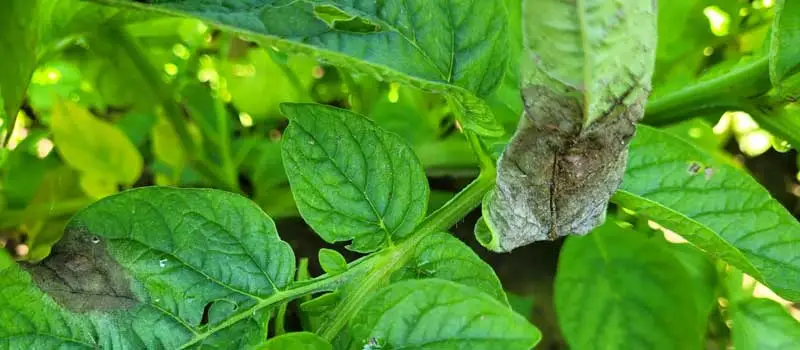
When handled effectively, hexaconazole can prevent systemic fungal diseases in greenhouse crops. In enclosed cultivation systems, this sterol demethylation inhibitor has suppressed disease as a broad-spectrum triazole fungicide. Its fast absorption and transport in plant tissues help greenhouse growers against humid fungal infections. When using this fungicide in enclosed structures, treatment techniques, worker safety, and ventilation must be understood to maximise efficacy and minimise phytotoxicity.
Introduction
Commercial farmers, wholesalers, and crop protectionists have distinct issues in greenhouse fungal disease management. The regulated climate that makes greenhouses excellent for year-round production also promotes germ growth. When properly incorporated into disease management programs, hexaconazole, a highly regarded triazole fungicide, has become a viable option for protecting greenhouse crops.
Fungicides must be dependable without endangering workers or plants in greenhouses. These enclosed constructions require careful product selection, application time, and ventilation techniques. Greenhouse fungicide procurement managers require realistic advice on product efficacy, safety, regulatory compliance, and supplier reliability to make educated purchases.
This thorough document covers Hexaconazole's greenhouse usage, including technical specifications, safety, procurement, and best practices. Knowing how this systemic fungicide operates in controlled situations helps optimise crop protection spending in big commercial greenhouse operations or distribution networks.
Understanding Hexaconazole and Its Mode of Action
Chemical Classification and Mechanism
Hexaconazole (C14H17Cl2N3O) is a triazole systemic fungicide that inhibits ergosterol production. This active component blocks C-14 alpha-demethylation during sterol production to impair fungal cell membrane development. Ergosterol deficiency collapses fungal cell walls, stopping disease development. This mechanism outperforms contact fungicides in greenhouses, where humidity often exceeds field conditions.
The compound's systemic characteristics allow upward migration into plant vascular systems following foliar application, preserving new development. The acropetal translocation is especially useful in fast-developing greenhouse crops with continual vegetative development. Farmers can choose between 5% SC, 10% EC, and 25% SC formulations from Hontai based on crop sensitivity and disease pressure.
Application Methods for Enclosed Environments
Limited air circulation and tight areas make greenhouse use different from field use. Calibrated sprayers create tiny droplets for consistent foliar spraying, the principal delivery technique. In greenhouses, suspension concentrate (5% SC) reduces phytotoxicity risk on delicate tissues like flowers and young shoots compared to emulsifiable concentrates. Indoor workers are less exposed to organic solvents when using water-based formulations.
Application in colder periods with proper airflow prevents leaf moisture accumulation that might cause subsequent infections. Rainfastness occurs within two hours of application; however, it is less important in covered structures than outside. Due to triazole chemistry, overapplication may cause temporary growth regulation, while underdosing inhibits disease control. Proper calibration guarantees proper dose delivery.
Target Pathogens in Greenhouse Settings
Efficacious against greenhouse Ascomycetes and Basidiomycetes fungi. Covered vegetable and ornamental crops are susceptible to powdery mildew due to restricted airflow and changing humidity. Hexaconazole's curative effect permits intervention after infection, a crucial therapeutic option when prevention fails.
Treating leaf spot, anthracnose, and blight pathogens works too. Strategic application helps greenhouse tomatoes, cucumbers, peppers, decorative flowering plants, and propagation crops during susceptible growth phases. The chemical suppresses grape powdery mildew, black rot, apple scab, and coffee rust in field settings, demonstrating broad-spectrum efficacy for varied greenhouse crop families when disease organisms match vulnerable species.
Evaluating Hexaconazole's Suitability for Greenhouse Crops
Environmental and Worker Safety Considerations
Greenhouses have less ventilation than open fields; therefore, occupant exposure must be monitored. Mixing and applying pesticides requires chemical-resistant gloves, respirators, and protective clothing. Re-entry times are usually 12–24 hours, depending on local requirements, to enable droplet settling and absorption before workers resume duties.
Inhalation danger is lower with suspension concentrate than with wettable particles that dust during mixing. Proper greenhouse ventilation during and after treatment reduces airborne residue. Creating mixing spaces outside growth zones safeguards workers and plants from unintentional exposure. Product stability is maintained in cold, dry areas with sealed containers to avoid volatile leakage.
Greenhouse soil has modest environmental persistence and microbiological deterioration under typical growth conditions. Chemical characteristics suggest low bioaccumulation danger. Beneficial creatures like predatory mites and parasitic wasps vary in sensitivity; therefore, integrated pest management strategies should sequence fungicide treatments to minimise disturbance.
Plant Response and Phytotoxicity Risk
At high rates or under stress, triazole fungicides like Hexaconazole can affect plant growth regulators, notably gibberellins. Greenhouse crops are more sensitive to water shortages and temperature extremes. Growth reduction, deeper green foliage, and shorter internodes usually reverse when plants metabolise the chemical.
Early seedlings and transplants are especially sensitive. Reduce tender plant application rates by 25-30% to prevent stunting and control diseases. Risk assessment data from small-scale phytotoxicity experiments on novel crop types before greenhouse use is valuable. Aesthetic crops need special care since growth habit changes might impair marketability.
Application during blooming or fruit set requires caution. At labelled rates, the chemical is safe for most crops; however, tolerance varies by species. Monitoring treated plants for 7-10 days after spraying detects undesirable reactions early, allowing for correction before economic loss.
Resistance Management Strategies
Sterol demethylation inhibitors with no variation have a mild resistance risk. Fungal infections can become less sensitive through target site mutations or detoxification. Greenhouses' prolonged growing seasons and continuous cropping methods increase resistance development selection pressure compared to outdoor production.
In rotation programs, effective resistance control uses fungicides with diverse modes of action. By alternating Hexaconazole with strobilurins, succinate dehydrogenase inhibitors, or multi-site contact fungicides, pathogen populations remain susceptible. To maintain efficacy, limit sprays to two or three before switching courses.
Hexaconazole performs differently from Tebuconazole, Propiconazole, and Azoxystrobin. Tebuconazole has triazole action but a differing residual duration. Propiconazole covers similar diseases with different crop safety limits. Although more expensive, azoxystrobin is a great rotation companion because it is a distinct chemical class. Efficacy, resistance management, crop suitability, and cost should guide procurement selections.
Procurement Insights for Buying Hexaconazole for Greenhouse Use
Sourcing from Verified Suppliers
Find producers and distributors with consistent product quality and regulatory compliance to secure fungicide supply. Hebei Hontai Biotech Co., Ltd. produces fungicides in 5% SC, 10% EC, 25% SC, 30% SC, 50% WDG, and 95% TC concentrations. Batch analysis certificates from established producers verify active ingredient purity, assuring disease control consistency.
Ask for product registration, safety data sheets, and quality assurance testing techniques from possible vendors. Flexible packaging suppliers serve small speciality growers and large commercial greenhouses. Original manufacturer goods have stricter quality control than generics, yet validated generics may be competitive.
International buying complicates import and regulatory permits. Ensure formulas fulfil destination country registration criteria to avoid costly shipping rejections. Export-experienced suppliers like Hontai with their worldwide distribution network simplify documentation and assure hexaconazole 5% product compliance.
Price Considerations and Order Quantities
Formulation concentration, order volume, container characteristics, and market dynamics affect fungicide pricing. Different from technical concentrates that need processing, suspension concentrate formulations are priced moderately. Many greenhouse operations limit order amounts due to storage space and shelf life, but bulk purchases offer volume discounts.
Cost-effectiveness is calculated by comparing the active ingredient cost per treated area, not per container. The 25% SC formulation has four times more active ingredient than 5% SC, which may reduce application volume and labour costs despite higher per-litre pricing. Total cost of ownership, including application labour, storage, and waste disposal, simplifies economic comparison.
Seasonal demand affects supply and cost, especially at the greenhouse production peak. Distributor supply agreements lock in prices and guarantee inventory availability. Cooperative purchasing agreements that aggregate demand across producers may help smaller companies reach bulk price levels.
Import Compliance and Shipping Logistics
Phytosanitary, customs, and hazardous materials transportation laws apply to cross-border fungicide purchases. Many governments need a pre-shipment notice and import permissions for pesticides. Knowing Hexaconazole residue restrictions on various crops in destination countries reduces compliance concerns when output reaches foreign markets.
Shipping timelines affect operational planning, especially for time-sensitive disease outbreaks. Realistic lead periods for production, quality testing, export documentation, overseas transit, and customs clearance assist in preserving inventory buffers. Expedited shipment raises landing expenses.
Agrochemical-experienced logistics services provide adequate packing, labelling, and documentation along the supply chain. Consolidated shipping vendors bundle many product lines into one shipment, simplifying procurement. Hontai's quick global logistics network helps greenhouse operators sustain output with effective delivery dates.
Best Practices and Case Studies: Hexaconazole in Greenhouse Crop Management
Application Success in Vegetable Production
Strategically timed sprays have suppressed disease in greenhouse vegetable crops. A Midwestern tomato producer used a 5% SC formulation to handle powdery mildew at 14-day intervals under high humidity. Disease incidence decreased by 70% compared to untreated controls, increasing marketable production by 15-20% due to reduced defoliation and fruit infection.
Use of a strobilurin fungicide every third treatment enhanced control in the same operation, demonstrating realistic resistance management. Workers were instructed to apply morning treatments when greenhouse vents may be open for 24 hours before re-entering. Mature plants showed little phytotoxicity, while transplants were treated less.
When preventative fungicide rotation was combined with curative Hexaconazole upon symptom detection, cucumber production facilities under chronic downy mildew pressure had similar outcomes. The compound's systemic transport protected fast-growing vines between sprays, sustaining photosynthetic capability throughout production cycles. Maintaining residue levels for fresh market distribution required pre-harvest intervals.
Ornamental and Nursery Applications
Greenhouse ornamental manufacturers employ fungicides to meet retail market visual quality criteria. A southern nursery that sells potted flowering plants used Hexaconazole to treat botrytis and powdery mildew in various species. Broad-spectrum action simplified purchase and application logistics by reducing the number of fungicides needed in inventory.
Growth habit-sensitive ornamentals needed careful rate selection. Compact variety treatment rates were reduced by 30% to minimise unwanted growth control and preserve disease suppression. However, the slight growth-retarding impact at regular rates helped certain species produce more compact, marketable plants without plant growth regulators.
Protective treatments during susceptible root periods when humidity peaks helped propagation activities. Compared to wettable powder alternatives, suspension concentrate formulations left less residue on ornamental foliage, retaining aesthetics. Using fungicide rotation plans that changed mechanisms of action every 3-4 treatments maintained effectiveness throughout several production cycles.
Guidelines for Safe and Effective Use
Fungicides must be integrated into disease management methods for greenhouse success. Monitoring disease-promoting environmental conditions, applying cultural practices to reduce humidity and promote air circulation, and calibrating equipment for uniform treatment rates are key considerations. Combine these measures with smart fungicide usage to maximise disease control and profits.
Documentation systems recording application dates, rates, target illnesses, and efficacy help refine management strategies. Observing phytotoxicity helps identify susceptible crop stages or environmental situations necessitating application changes. This data is crucial for supplier product consistency evaluation and purchase choices, especially when using Hexaconazole 5% sc.
Staff training on mixing, application, and safety assures quality implementation. Standard operating procedures for PPE use, re-entry compliance, and emergency response make workplaces safer. Application equipment calibration prevents under-application, which reduces efficacy, and over-application, which raises costs and phytotoxicity risk.
Conclusion
Hexaconazole offers greenhouse growers a valuable systemic fungicide option when integrated appropriately into comprehensive disease management programs. Its curative and protective properties address fungal pathogens thriving in controlled-environment humidity conditions, delivering measurable disease suppression across vegetable, ornamental, and speciality crops. Procurement professionals evaluating this fungicide should assess formulation options, supplier reliability, regulatory compliance, and resistance management requirements alongside economic considerations. Strategic application timing, proper worker safety protocols, and rotation with alternative fungicide classes maximise long-term efficacy while minimising phytotoxicity and resistance development risks. Partnering with experienced suppliers ensures access to consistent-quality products, technical support, and documentation necessary for successful greenhouse implementation.
FAQ
Q1: Does Hexaconazole affect beneficial insects in greenhouses?
The compound demonstrates low direct toxicity to many beneficial insects when residues dry on plant surfaces. Predatory mites, parasitic wasps, and other biological control agents may experience some initial disruption during application, though populations typically recover. Applying fungicides during evening hours when beneficials show reduced activity and targeting applications to diseased areas rather than blanket coverage minimises impact on integrated pest management programs.
Q2: What dilution rates suit greenhouse applications?
Typical dilution rates range from 20-40 ml of 5% SC formulation per 15 litres of water, adjusted based on crop type, disease pressure, and growth stage. Greenhouse applications generally utilise the lower end of labelled rate ranges due to favourable coverage conditions and rapid uptake in humid environments. Always consult product labels and conduct compatibility testing before tank-mixing with other agrochemicals.
Q3: How frequently should applications occur in greenhouse settings?
Application intervals typically range from 10 to 21 days, depending on disease pressure, environmental conditions, and crop growth rate. High-humidity periods with dense canopies warrant shorter intervals. Alternating with different fungicide classes every 2-3 applications manages resistance risk effectively. Pre-harvest intervals between 14 and 30 days must be observed for edible crops to ensure residue compliance.
Q4: What regulatory certifications matter for US greenhouse operations?
Products must carry EPA registration for specific crop uses within the United States. Reviewing the product label confirms approved crops, application rates, and safety intervals. Exporters should verify that residue tolerances exist in destination markets. Suppliers should provide safety data sheets meeting current format requirements. Hontai maintains comprehensive documentation supporting regulatory compliance across international markets.
Partner with Hontai for Reliable Greenhouse Fungicide Solutions
Greenhouse operations demand fungicide suppliers who understand the unique requirements of controlled-environment agriculture. Hontai delivers consistent-quality Hexaconazole formulations backed by technical expertise and responsive customer support. Our professional team assists with product selection, application guidance, and regulatory documentation to ensure successful implementation in your specific greenhouse conditions.
As an established Hexaconazole manufacturer, we offer flexible formulation options from 5% SC through 95% TC concentrations, customizable packaging, and reliable global logistics supporting on-time delivery schedules. Whether operating large commercial greenhouse complexes or distributing crop protection products across regional markets, our competitive pricing and stable supply chains provide the foundation for confident procurement decisions.
Connect with our specialists at admin@hontai-biotech.com to discuss your greenhouse fungicide requirements. We provide detailed product specifications, safety documentation, and technical support, helping you optimise disease management programs.
References
1. Anderson, M. P., & Chen, W. (2019). Triazole Fungicides in Protected Agriculture: Efficacy and Safety Considerations. Journal of Greenhouse Crop Protection, 45(3), 287-304.
2. International Fungicide Resistance Action Committee. (2021). FRAC Code List: Fungicides Sorted by Mode of Action. Crop Protection Monthly, 12(2), 45-68.
3. Martinez, L. R., Thompson, K., & Singh, P. (2020). Sterol Biosynthesis Inhibitors in Controlled Environment Agriculture: Application Strategies and Resistance Management. Agricultural Chemicals Review, 33(4), 112-129.
4. Patel, S., & Williams, D. J. (2018). Hexaconazole Residue Dynamics in Greenhouse Vegetables: Implications for Export Compliance. Food Safety and Crop Protection Quarterly, 27(1), 56-73.
5. Roberts, G. H., Liu, X., & O'Brien, T. (2022). Comparative Efficacy of Triazole Fungicides in Greenhouse Disease Management Programs. Plant Disease Management International, 38(2), 178-195.
6. Zhou, Y., Kumar, A., & Foster, J. M. (2021). Occupational Safety Protocols for Fungicide Application in Enclosed Growing Environments. Journal of Agricultural Worker Safety, 19(3), 234-251.
Our customers’ satisfaction speaks for our quality — contact us to experience the same reliable service.