- English
- French
- German
- Portuguese
- Spanish
- Russian
- Japanese
- Korean
- Arabic
- Greek
- German
- Turkish
- Italian
- Danish
- Romanian
- Indonesian
- Czech
- Afrikaans
- Swedish
- Polish
- Basque
- Catalan
- Esperanto
- Hindi
- Lao
- Albanian
- Amharic
- Armenian
- Azerbaijani
- Belarusian
- Bengali
- Bosnian
- Bulgarian
- Cebuano
- Chichewa
- Corsican
- Croatian
- Dutch
- Estonian
- Filipino
- Finnish
- Frisian
- Galician
- Georgian
- Gujarati
- Haitian
- Hausa
- Hawaiian
- Hebrew
- Hmong
- Hungarian
- Icelandic
- Igbo
- Javanese
- Kannada
- Kazakh
- Khmer
- Kurdish
- Kyrgyz
- Latin
- Latvian
- Lithuanian
- Luxembou..
- Macedonian
- Malagasy
- Malay
- Malayalam
- Maltese
- Maori
- Marathi
- Mongolian
- Burmese
- Nepali
- Norwegian
- Pashto
- Persian
- Punjabi
- Serbian
- Sesotho
- Sinhala
- Slovak
- Slovenian
- Somali
- Samoan
- Scots Gaelic
- Shona
- Sindhi
- Sundanese
- Swahili
- Tajik
- Tamil
- Telugu
- Thai
- Ukrainian
- Urdu
- Uzbek
- Vietnamese
- Welsh
- Xhosa
- Yiddish
- Yoruba
- Zulu
How does Cymoxanil work as a fungicide?
share:
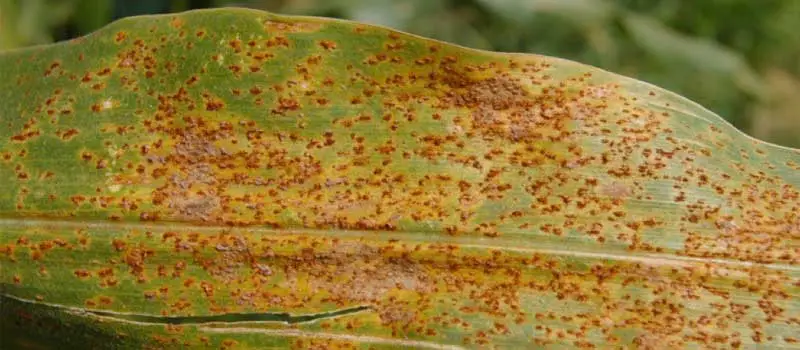
Cymoxanil is a special kind of cyanoacetamide-oxime pesticide that is made to move cells across the laminae of plant tissue. This active ingredient goes through the skin and mesophyll layers to stop the mycelial growth of Oomycete pathogens, especially Phytophthora infestans and Plasmopara viticola. Other touch protectants stay on the leaf surfaces. Even when given 24 to 48 hours after the initial infection, the substance stops sporulation by interfering with several metabolic processes inside fungal cells. This "kick-back" process for healing makes it essential during weather-related breaks in preventative spray plans, which is a major problem for large-scale farming operations.
Understanding Cymoxanil and Its Fungicidal Properties
Chemical Composition and Formulation Types
This active ingredient's structure is set by the molecular formula C₇H₁₀N₄O₃. It has a cyanoacetamide-oxime group that gives it special biological action. Commercial versions include granules that can dissolve in water and powders that can be wetted at a concentration of 72%. Both are designed to improve the stability of the solution and the binding to the leaf surface. Hebei Hontai Biotech sells pharmaceutical-grade powder that meets strict standards for cleanliness. This makes sure that the powder works the same way in all kinds of weather. For proper storage, things need to be kept cool and dry, away from alkaline substances, because hydrolytic decay speeds up above pH 7, which lowers their effectiveness.
Mode of Action Against Fungal Pathogens
This fungicide works against fungi in the Peronosporales order by stopping electron transport chains and the production of amino acids in hyphal cells. Rapid absorption into leaf tissue lets the medicine keep working against hidden diseases, stopping the growth of zoospores before they show any signs. Studies done in the field show that symptoms get better 72 hours after the treatment is applied to potato leaves that have late blight. The low logPow value of the molecule allows it to move easily through xylem vessels without being too lipophilic. This balances systemic spread with minimal external persistence.
Safety and Environmental Profile
Toxicological tests show that Cymoxanil is only slightly harmful to marine animals, but it breaks down quickly in soil, with half-life values averaging 3 to 7 days in aerobic conditions. When used according to the directions on the package, the compound doesn't pose much of a threat to beneficial insects, supporting integrated pest control systems. Regulatory approvals in North American markets confirm that residues on processed vegetables and wine grapes meet maximum residue limits, easing buyers' concerns about export certifications.
Effectiveness and Resistance Management of Cymoxanil
Proven Performance Against Late Blight and Downy Mildew
In tests done over several seasons in potato-growing areas, the severity of diseases drops by more than 80% when protectant fungicides like Mancozeb are mixed in the tank. The curative window gives treatments more options during uncertain rain events, which is a big benefit over chemicals that only stop rain from happening. When applied during the flowering stages of viticulture, these treatments protect the forming fruit clusters and stop economic losses that can reach 40% to 60% in untreated vines that are under a lot of disease pressure.
Comparative Analysis with Other Fungicides
When compared to Metalaxyl and other phenylamide systemics, this molecule has a wider range of activities and doesn't have any single-site resistance weaknesses. This cyanoacetamide product adds to protectant programs by fighting breakthrough infections, while chlorothalonil offers better long-term protection but no post-infection effectiveness. A cost study shows that the prices per hectare are competitive when you take into account less frequent application and better yield retention.
Resistance Management Strategies
Rotation with multi-site inhibitors, such as copper hydroxide, stops disease groups from being selected for. Limiting sequential doses to two per growth season keeps fungal types susceptible, which keeps the product useful in the long run. Monitoring studies in tomato production systems show stable sensitivity baselines when agronomic practices like choosing resistant cultivars and following cleaning rules are used.
Application Guidelines and Dosage Recommendations
Optimal Timing and Environmental Conditions
Applications made during early infection windows—usually when the leaf has been wet for more than 12 hours, and the temperature is between 15°C and 25°C—have the best chance of healing. Pre-symptomatic treatments during stages of rapid canopy growth shield better than later interventions. Rainfall within two hours of spraying doesn't have much of an effect on its effectiveness because it quickly penetrates the skin, but it's still important to follow the reapplication times.
Crop-Specific Dosage Parameters
For potato and tomato crops, 1.5 to 2.5 kilograms per hectare of Cymoxanil 72% WP, that is, adjusted for disease load and cultivar resistance, is needed. When sprayed before bloom and after fruit set, lower rates (1.2 to 1.8 kg/ha) are good for grape fields. Dosing levels for cucumbers and cruciferous veggies are similar, with changes made based on combined disease forecasting models. Accurate measuring tools make sure that the spray covers the area evenly, which cuts down on waste and environmental damage.
Tank-Mix Compatibility and Formulation Selection
When you mix this active ingredient with touch protectants, you get stronger defences. Testing for compatibility shows that Folpet, Dithiocarbamates, and Copper-based formulas are stable when mixed in a neutral pH environment. Water-dispersible pellets make large-scale activities easier to handle by reducing dust exposure and speeding up the cleaning of spray tanks. To improve operational processes, procurement teams should make sure that the formulation works with the spray tools they already have.
Procurement Considerations for Global B2B Buyers
Supplier Evaluation and Product Authenticity
Buying from ISO-certified companies like Hebei Hontai Biotech guarantees stability from batch to batch and follows all the rules. As part of the authentication process, the certificate of analysis is checked to make sure that the active ingredient is pure (above 72%) and that there are no banned contaminants. Distributors with established cold-chain operations keep goods from going bad during international shipping, which is especially important for powders that don't like getting wet.
Bulk Purchasing Economics and Logistics
Most of the time, the minimum order size is 500 kilograms. This is because of bulk savings that lower the cost per unit by 15% to 25% compared to smaller purchases. It takes about 28 to 35 days to ship goods from Hebei province to ports in North America. This means that you need to plan ahead and make sure that your application dates are in line with the seasons. Customs paperwork kits, which include phytosanitary certificates and MSDS sheets, make it easier to cross the border. This keeps the supply chain running smoothly and saves money on storage fees.
Regulatory Documentation and Compliance Assurance
Legal use in the United States depends on whether or not the product is registered with the EPA and has been approved by each state. Managers of procurement must make sure that the labels on products match federal tolerance permits for certain pairings of crops and pests. Hontai gives detailed technical reports to help with residue tracking programs and applicator training, which is very important for keeping Good Agricultural Practices approval across contracted farmer networks.
Making the Right Choice: Comparative Analysis and Value Proposition
Chemical Versus Organic Alternatives
Biologicals have benefits that don't leave waste, but they don't always work well when there are a lot of diseases, which limits their use in industrial monocultures. This man-made chemical always does what it's supposed to do, even when the weather changes, which is why it's used in high-value crop safety plans. Economic modelling shows that there are 3:1 return ratios when the costs of treating a disease are less than the money that was lost due to it. This is especially important for processing tomato contracts with strict quality requirements.
Unique Value Proposition for Agribusiness Clients
Rapid rainfastness within two hours of application of Cymoxanil saves investments when the weather report isn't clear. Short pre-harvest intervals (usually 7 to 14 days, but can be longer based on the crop) allow for disease control in the late season without slowing harvest dates. Being able to adapt to different cropping methods, like growing potatoes in the field or cucumbers in a greenhouse, makes inventory management easier for wholesalers who serve a lot of different market groups.
Technical Support and After-Sales Services
Hontai's agronomic team helps with resistance tracking and makes spray plans that are specific to the pathogens that live in the area. The warranty covers problems with the product's performance that can be proven with the right application records and weather data. Responding to customer service lines, which can be reached at admin@hontai-biotech.com, makes it easy to solve problems quickly during busy growth times.
Conclusion
Figuring out how this cyanoacetamide-oxime fungicide gets into plant tissue to stop Oomycete infections makes its strategic value for farming clear. The compound's healing abilities and good environmental degradation profiles make it useful for solving problems that come up in intensive food production. To get the most out of their agrochemical investments, procurement professionals should look for providers that offer confirmed purity standards, thorough regulatory paperwork, and quick technical support.
FAQ
Q1: Can Cymoxanil Be Used Near Water Bodies?
Runoff risks are lowered by buffer zones 25 to 50 feet away from aquatic areas, but fast soil binding makes it harder for water to move to the groundwater. More rules may be put in place by state laws near areas that are sensitive.
Q2: What Is the Safe Harvest Interval After Application?
Different regulatory bodies and product labels set different pre-harvest times, ranging from 7 days for leafy veggies to 14 days for fruiting crops.
Q3: Does This Fungicide Work with Other Pesticides?
Integrated treatment plans are possible because tank-mix is compatible with most contact fungicides and non-alkaline pesticides. However, physical stability must be confirmed in a jar before mixing on a large scale in the field.
Partner with a Trusted Cymoxanil Supplier
Hebei Hontai Biotech Co., Ltd. provides pharmaceutical-grade Cymoxanil fungicide formulas with strict quality control and thorough knowledge of how to ship goods around the world. For example, to meet tight holiday schedules, our skilled team offers custom packaging and faster shipping as part of custom procurement solutions. Email admin@hontai-biotech.com to get access to full technical datasheets and safety documents. For your crop safety needs, build trusting supply chain relationships based on stable product performance and full after-sales support.
References
1. Gisi, U., & Sierotzki, H. (2008). Fungicide modes of action and resistance in downy mildews. European Journal of Plant Pathology, 122(1), 157-167.
2. Cohen, Y., & Coffey, M. D. (1986). Systemic fungicides and the control of oomycetes. Annual Review of Phytopathology, 24, 311-338.
3. Latin, R. (2011). A Practical Guide to Turfgrass Fungicides. American Phytopathological Society Press, St. Paul, Minnesota.
4. Tomlin, C. D. S. (2009). The Pesticide Manual: A World Compendium, 15th Edition. British Crop Protection Council, Alton, Hampshire.
5. Van den Bosch, F., & Gilligan, C. A. (2008). Models of fungicide resistance dynamics. Annual Review of Phytopathology, 46, 123-147.
6. Leadbeater, A., & Gisi, U. (2010). The challenges of chemical control of plant diseases. Recent Developments in Management of Plant Diseases, Plant Pathology in the 21st Century, 1, 163-175.
Our customers’ satisfaction speaks for our quality — contact us to experience the same reliable service.