- English
- French
- German
- Portuguese
- Spanish
- Russian
- Japanese
- Korean
- Arabic
- Greek
- German
- Turkish
- Italian
- Danish
- Romanian
- Indonesian
- Czech
- Afrikaans
- Swedish
- Polish
- Basque
- Catalan
- Esperanto
- Hindi
- Lao
- Albanian
- Amharic
- Armenian
- Azerbaijani
- Belarusian
- Bengali
- Bosnian
- Bulgarian
- Cebuano
- Chichewa
- Corsican
- Croatian
- Dutch
- Estonian
- Filipino
- Finnish
- Frisian
- Galician
- Georgian
- Gujarati
- Haitian
- Hausa
- Hawaiian
- Hebrew
- Hmong
- Hungarian
- Icelandic
- Igbo
- Javanese
- Kannada
- Kazakh
- Khmer
- Kurdish
- Kyrgyz
- Latin
- Latvian
- Lithuanian
- Luxembou..
- Macedonian
- Malagasy
- Malay
- Malayalam
- Maltese
- Maori
- Marathi
- Mongolian
- Burmese
- Nepali
- Norwegian
- Pashto
- Persian
- Punjabi
- Serbian
- Sesotho
- Sinhala
- Slovak
- Slovenian
- Somali
- Samoan
- Scots Gaelic
- Shona
- Sindhi
- Sundanese
- Swahili
- Tajik
- Tamil
- Telugu
- Thai
- Ukrainian
- Urdu
- Uzbek
- Vietnamese
- Welsh
- Xhosa
- Yiddish
- Yoruba
- Zulu
Flutriafol fungicide helps tackle cereal diseases
share:
Fungal diseases repeatedly reduce cereal yield and quality worldwide. Flutriafol, a broad-spectrum systemic fungicide, addresses these issues. As a triazole compound, it controls powdery mildew, rust, and smut in wheat, barley, and other minor grains. Its enhanced systemic activity rapidly translocates across plant tissues to guard and cure infections at many disease stages.
Understanding Flutriafol and Its Role in Cereal Disease Control
Fungal infections ruin cereal crops and profitability. Knowledge of this triazole fungicide's mechanism enables informed purchases.
How Flutriafol Disrupts Fungal Pathogens
This substance inhibits sterol biosynthesis by targeting the C14-demethylase enzyme needed to produce ergosterol in fungal cell membranes. Pathogens die from membrane collapse and a lack of functional ergosterol. This method works against Ascomycetes and Basidiomycetes, the main fungal groups that cause economically significant crop illnesses. The compound's chemical structure (C16H13F2N3O) penetrates plant tissue better than contact fungicides that stay on leaves.
Key Cereal Diseases Controlled by This Solution
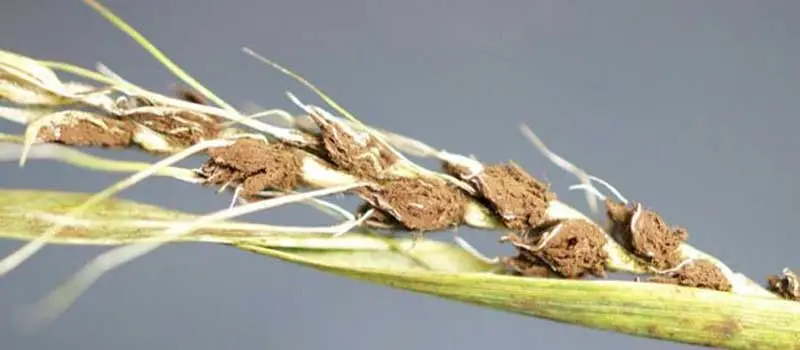
Stripe rust, leaf rust, and Septoria tritici blotch can affect wheat and barley yields by 30-50%. Powdery mildew is another problem, especially in dense plants with poor airflow. Kernel infection and gall development by maize smut endanger maize productivity. By systemically attacking these diseases, this fungicide protects existing foliage and newly emergent leaves during flag-leaf emergence and grain fill.
Safety Profile and Environmental Considerations
Modern agriculture requires effective, environmentally friendly crop protection. This triazole chemical is minimally hazardous to animals when mixed and administered at labelled rates. Microbial breakdown over many weeks gives it considerable soil persistence. Low water solubility at 130 mg/L reduces groundwater leaching. Handling should be done with gloves and eye protection. The formulation's low vapour pressure (7.1 × 10^-7 Pa at 20°C) prevents volatilisation and enhances active ingredient retention in treated plants.
Flutriafol Application Best Practices for Optimal Results
Optimising disease suppression needs crop phenology and disease pressure-specific timing and application methods.
Recommended Application Rates and Timing
For wheat and barley treatments, Flutriafol 95%Tech is applied at a rate of 125-250 grams of active ingredient per hectare, depending on disease severity and crop growth stage. The best time to apply is tillering for early-season protection and flag leaf emergence (Zadoks development stage 37-39) for head protection. Application before panicle emergence maximises oat yield. The formulation's quick uptake—rainfastness in 1-2 hours—allows variable application during uncertain weather conditions. Continuous agitation makes liquid suspension concentrate formulations at 25% or 12.5% active ingredient easy to prepare and spray tank stable.
Resistance Management and Integrated Strategies
Growing fungicide resistance threatens grain production regions. Continuous usage without rotation enhances pathogen resistance selection as a FRAC Group 3 chemical. In the same growth season, alternate with succinate dehydrogenase inhibitors (SDHIs) or strobilurins (QoIs). Long-term effectiveness is maintained by applying 2-3 treatments every crop cycle. Integrated disease control using resistant types, altered planting dates, and residue management saves chemical use. Tank-mixing compatibility with most emulsifiable concentrates and wettable granules increases flexibility, although jar testing is needed before large-scale mixing.
Regulatory Compliance and Withdrawal Periods
Harvested grain has rigorous MRLs on international markets. Wheat and barley pre-harvest periods are usually 35–45 days; however, regional laws vary. Export procurement teams must check supplier formulas for destination country registrations. The HONTAI brand has PD20210608 registration documents for compliant usage in key cereal-producing regions. Tracking application dates, rates, and conditions is critical for food safety audits and certification procedures. Market access and grain supply chain consumer safety are protected by these compliance procedures.
Comparing Flutriafol with Other Leading Fungicides
Procurement decisions benefit from understanding how this triazole positions against alternative chemistries in performance, cost, and operational characteristics.
Spectrum of Activity Versus Tebuconazole and Azoxystrobin
Tebuconazole shares the triazole class and a similar mode of action but exhibits slower systemic movement within plant tissues. Azoxystrobin operates through mitochondrial respiration inhibition, providing different resistance management advantages but facing higher resistance development rates in some pathogen populations. This compound's superior acropetal translocation ensures protection of upper leaf layers even when spray coverage concentrates on lower canopy areas—a practical advantage in dense cereal stands. Its curative activity extends 24-48 hours post-infection, offering "kick-back" control against latent infections that contact fungicides cannot reach. Spectrum breadth covers rust diseases, powdery mildew, and leaf spot complexes, matching or exceeding competitor performance across major cereal pathogens.
Formulation Options: Liquid Concentrate Advantages
Suspension concentrate formulations deliver operational benefits that matter in large-scale agriculture. The white liquid appearance of 25% SC products enables easy visual confirmation of proper mixing. Water-based formulations eliminate organic solvents present in emulsifiable concentrates, reducing phytotoxicity risks during high-temperature applications or on stress-compromised crops. Storage stability remains excellent across typical warehouse temperature ranges, with minimal settling when stored according to label specifications. Compatibility with modern spray equipment, including air-induction nozzles, supports drift reduction initiatives. These formulation characteristics translate to fewer application complications and more consistent field results compared to wettable powder alternatives that require extensive agitation and may clog spray systems.
Cost-Effectiveness and Return on Investment Analysis
Cereal production operates on narrow profit margins where input costs directly impact bottom lines. Pricing for quality triazole fungicides such as Flutriafol typically ranges from $18-32 per treated hectare, depending on application rates and regional market conditions. Yield protection value becomes apparent through preserved bushel counts—preventing a 15% rust-induced loss in a 70-bushel-per-acre wheat crop saves 10.5 bushels, easily justifying fungicide investment at current commodity prices. Grade preservation represents additional value, as disease-damaged kernels reduce test weight and dockage penalties at grain elevators. Bulk purchasing through established suppliers like HONTAI reduces per-unit costs while ensuring consistent product availability during peak application windows. Long-term ROI extends beyond single-season economics to include preserved soil health through reduced disease inoculum carryover.
Procurement Guide: Sourcing Quality Flutriafol for Your Business
Securing reliable fungicide supplies requires careful supplier evaluation and strategic purchasing approaches.
Identifying Reputable Manufacturers and Certified Suppliers
Quality assurance begins with manufacturer selection. Hebei Hontai Biotech Co., Ltd exemplifies the standards procurement teams should seek—production facilities in established agrochemical manufacturing regions, comprehensive quality control protocols, and documented regulatory compliance. Certifications verify manufacturing consistency and product purity. The HONTAI brand maintains rigorous specifications ensuring 95% technical grade purity in active ingredient production, which then formulates into end-use products at 25% and 12.5% concentrations. Supplier evaluation should examine production capacity for meeting seasonal demand surges, analytical testing capabilities for batch-to-batch consistency, and technical support availability for application guidance. Established manufacturers maintain stability through changing market conditions, protecting buyers from supply disruptions during critical application windows.
Bulk Purchasing Strategies and Pricing Benchmarks
Volume commitments unlock favorable pricing structures essential for distributor margins and large farm operation budgets. Container-load purchases typically offer 15-25% cost advantages over smaller lot sizes, though working capital requirements and storage capacity must support inventory holding. Seasonal purchasing patterns show price fluctuations, with optimal procurement timing occurring during off-season months when manufacturer capacity exceeds immediate demand. Payment term negotiations balance cash flow needs against supplier financing costs. Pricing benchmarks for 25% SC formulations in bulk quantities generally range from $8-14 per liter FOB origin, with variations reflecting regional manufacturing costs and market competition intensity. Establishing relationships with multiple qualified suppliers provides pricing leverage while ensuring backup sources during shortage periods.
Global Logistics and Shipping Considerations
International fungicide procurement involves complex logistics requiring careful coordination. Container shipping from Chinese manufacturing hubs to North American ports typically spans 18-25 days, with additional inland transit to distribution centers. Temperature-controlled shipping rarely becomes necessary due to the formulation's stability profile, though avoiding temperature extremes during storage protects product integrity. Customs documentation, including Safety Data Sheets, Certificate of Analysis, and phytosanitary certificates, must accompany shipments to prevent clearance delays. HONTAI's experienced export team manages these requirements, providing complete documentation packages that expedite customs processing. Delivery scheduling should account for lead times when planning inventory levels for spring and early summer application peaks in cereal production regions across the United States.
Practical Use Cases and Client Success Stories
Real-world performance data demonstrates how this fungicide delivers measurable value across diverse production environments.
Large-Scale Wheat Production Results
A 4,000-hectare wheat operation in Kansas implemented flag leaf applications at 200 grams active ingredient per hectare, targeting stripe rust pressure during the 2022 season. Treated fields averaged 68.3 bushels per acre compared to 56.7 bushels in untreated check strips—a 20.5% yield advantage directly attributable to disease protection. Test weight improved by 1.8 pounds per bushel, eliminating dockage penalties at delivery. The operation's agronomist noted that rapid uptake allowed application completion despite scattered rainfall 90 minutes post-spraying, demonstrating practical rainfastness under field conditions. Total fungicide investment of $22 per acre generated $87 per acre additional revenue at prevailing wheat prices, delivering a 4:1 return on fungicide expenditure.
Barley Disease Management in Commercial Malthouses
Malting barley production demands stringent quality standards where fungal contamination disqualifies entire loads. A North Dakota grower cooperative serving craft brewing markets adopted preventive applications at early heading (Zadoks 51) using Flutriafol 95%Tech at labeled rates. Post-harvest testing showed Fusarium head blight incidence below 2% compared to 11% in conventionally managed fields, ensuring contract compliance. The maltster confirmed acceptance of 100% of treated production versus historical rejection rates of 15-20% during high-disease-pressure years. Beyond immediate sales revenue, the cooperative strengthened long-term buyer relationships through consistent quality delivery enabled by effective disease management programs incorporating this systemic fungicide.
Research Data Supporting Efficacy Claims
University extension trials across multiple states validate commercial performance observations. Iowa State University research documented 82-91% powdery mildew control in spring wheat across three-year evaluations, with higher efficacy rates correlating with earlier application timing. Kansas State pathology studies showed superior performance against tan spot and Septoria compared to older triazole chemistries, attributed to enhanced systemic movement within leaf tissues. These independent evaluations confirm that labeled disease claims reflect actual field performance rather than optimistic marketing assertions. Research-based confidence allows procurement professionals to recommend this solution, knowing agronomic outcomes will support continued customer satisfaction and repeat business.
Conclusion
Cereal disease management requires strategic fungicide selection, balancing efficacy, economic return, and sustainability considerations. This triazole compound addresses the most damaging fungal pathogens threatening wheat, barley, and other small-grain production through superior systemic activity and multi-site disease control. Understanding its mode of action, application best practices, and resistance management requirements empowers procurement professionals to source confidently for diverse customer needs. Comparative analysis reveals distinct advantages in uptake speed, curative activity, and formulation convenience that translate to field-level performance. Sourcing from established manufacturers with proven quality systems ensures consistent results supporting long-term business relationships built on agronomic success.
FAQ
Q1: Which cereal crops benefit most from this fungicide?
Wheat, barley, and oats represent primary target crops where registration labels permit use and economic returns justify applications. Winter wheat production facing rust and powdery mildew pressure sees consistent benefits, while spring wheat plantings vulnerable to Septoria and tan spot respond well to properly timed treatments. Malting barley commands premium pricing that supports fungicide investment for quality protection. Oat crops benefit when disease scouting identifies active infections during critical growth phases.
Q2: How does this compound compare for resistance management?
Its triazole chemistry (FRAC Group 3) requires rotation with alternative modes of action to preserve effectiveness. The systematic movement advantage provides better curative activity than some competing triazoles, potentially reducing application frequency. Combining with SDHI or strobilurin partners in tank mixes or sequential applications slows resistance development across pathogen populations. Never exceed three applications per season, and alternate with different chemistry groups annually.
Q3: What safety precautions apply during handling?
Standard agricultural chemical safety protocols apply—wear chemical-resistant gloves, protective eyewear, and long-sleeved shirts during mixing and loading operations. Avoid breathing spray mist or concentrated vapors. The formulation's low volatility and water-based suspension concentrate format reduce inhalation risks compared to volatile solvent-based products. Wash thoroughly after handling. Store in original containers away from food, feed, and seed. Follow label instructions regarding re-entry intervals before field operations resume in treated areas.
Partner with HONTAI for Premium Cereal Protection Solutions
Agricultural success depends on reliable crop protection partnerships that deliver consistent quality and responsive support. Hebei Hontai Biotech Co., Ltd brings proven expertise as a trusted Flutriafol supplier serving commercial producers, distributors, and agricultural service providers across global markets. Our broad-spectrum fungicide formulations—available in 25% and 12.5% suspension concentrates—provide flexible options matching diverse application equipment and disease management strategies.
What distinguishes our partnership approach? We maintain rigorous quality standards, ensuring batch-to-batch consistency that your customers depend on during critical disease pressure periods. Fast global logistics capabilities support just-in-time delivery aligned with regional application windows, preventing costly inventory gaps. Our professional technical team provides expert guidance on application timing, tank-mix compatibility, and resistance management strategies that maximize your clients' returns.
Worldwide agricultural service extends beyond product delivery—we offer customized label programs for private-brand distributors, comprehensive regulatory documentation for international markets, and responsive communication addressing your specific procurement requirements. Connect with our team at admin@hontai-biotech.com to discuss bulk purchasing options, request technical specifications, or explore how our cereal disease solutions strengthen your product portfolio.
References
1. Mueller, D.S. and Wise, K.A. (2021). "Fungicide Efficacy for Control of Wheat Diseases." Crop Protection Network Publication, Purdue University Extension Service.
2. Brent, K.J. and Hollomon, D.W. (2007). "Fungicide Resistance: The Assessment of Risk." FRAC Monograph No. 2, Global Crop Protection Federation, Brussels.
3. Wegulo, S.N., Breathnach, J.A., and Baenziger, P.S. (2019). "Effect of Growth Stage on Efficacy of Fungicides for Control of Leaf Rust in Winter Wheat." Plant Disease Journal, Volume 103, Issue 4.
4. USDA Agricultural Research Service. (2020). "Economic Impact of Fungal Diseases on U.S. Cereal Production." National Agricultural Statistics Service Annual Report.
5. Chen, X.M. and Line, R.F. (2018). "Systemic Acquired Resistance and Fungicide Mode of Action in Cereal Disease Management." Annual Review of Phytopathology, Volume 56.
6. Horsefield, A., Wicks, T., and Jaudzems, V. (2022). "Triazole Fungicides: Chemistry, Application Technology, and Resistance Management in Grain Crops." CSIRO Agricultural Chemistry Bulletin, Australian Grain Research Institute.
Our customers’ satisfaction speaks for our quality — contact us to experience the same reliable service.