- English
- French
- German
- Portuguese
- Spanish
- Russian
- Japanese
- Korean
- Arabic
- Greek
- German
- Turkish
- Italian
- Danish
- Romanian
- Indonesian
- Czech
- Afrikaans
- Swedish
- Polish
- Basque
- Catalan
- Esperanto
- Hindi
- Lao
- Albanian
- Amharic
- Armenian
- Azerbaijani
- Belarusian
- Bengali
- Bosnian
- Bulgarian
- Cebuano
- Chichewa
- Corsican
- Croatian
- Dutch
- Estonian
- Filipino
- Finnish
- Frisian
- Galician
- Georgian
- Gujarati
- Haitian
- Hausa
- Hawaiian
- Hebrew
- Hmong
- Hungarian
- Icelandic
- Igbo
- Javanese
- Kannada
- Kazakh
- Khmer
- Kurdish
- Kyrgyz
- Latin
- Latvian
- Lithuanian
- Luxembou..
- Macedonian
- Malagasy
- Malay
- Malayalam
- Maltese
- Maori
- Marathi
- Mongolian
- Burmese
- Nepali
- Norwegian
- Pashto
- Persian
- Punjabi
- Serbian
- Sesotho
- Sinhala
- Slovak
- Slovenian
- Somali
- Samoan
- Scots Gaelic
- Shona
- Sindhi
- Sundanese
- Swahili
- Tajik
- Tamil
- Telugu
- Thai
- Ukrainian
- Urdu
- Uzbek
- Vietnamese
- Welsh
- Xhosa
- Yiddish
- Yoruba
- Zulu
Where to buy chlorothalonil fungicide?
share:
If you're searching for reliable sources to purchase chlorothalonil fungicide, you've come to the right place. This broad-spectrum protective fungicide remains essential for commercial farms, distributors, and crop protection companies worldwide. Whether you operate large-scale agricultural enterprises in Southeast Asia, manage distribution networks across Africa, or provide pest management services in Central America, finding a trustworthy chlorothalonil supplier with consistent quality, competitive pricing, and dependable logistics can directly impact your operational success. This comprehensive guide walks you through regional market dynamics, sourcing channels, supplier verification methods, and practical procurement strategies to help you make informed purchasing decisions.
Why Global Sourcing of Chlorothalonil Matters for Modern Agriculture
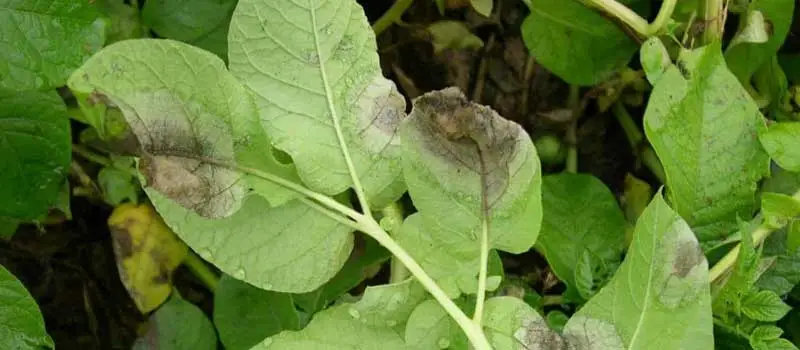
Chlorothalonil is one of the most useful multi-site fungicides in agriculture. It keeps over 100 crops safe from fungal diseases. Growers count on this contact fungicide to keep diseases away from everything from pome fruits and citrus trees to rice paddies and veggie farms, season after season.
Getting chlorothalonil from Southeast Asia, Africa, the Middle East, Europe, and Central America comes with both pros and cons. The needs of farmers in different parts of the world are very different. For example, rice farmers in Southeast Asia have very different recipe needs than veggie farmers in Europe or coffee farmers in Africa. Regulatory frameworks change between markets, which affects the paperwork needed for imports, the amount of waste that can be left behind, and the allowed uses for crops.
Knowing about these regional differences helps buyers find providers who can meet legal standards while keeping supply consistent. When you work directly with a maker, you can often save money and make changes that you wouldn't be able to make through other channels. Local wholesalers know the market better and can get smaller orders to you faster.
Finding sources with proven manufacturing skills, regulatory knowledge, and reliable shipping networks is key. This is especially true if you need big technical concentrates for preparation plants or ready-to-use liquid concentrates for direct use in the field.
Understanding Chlorothalonil: Properties, Applications, and Market Demand
Core Technical Characteristics
Chlorothalonil 720g/L SC (C8Cl4N2) is a multi-site contact pesticide that stops the metabolism of fungal cells at several enzyme sites at the same time. Compared to single-site systemic fungicides, this process makes it less likely that tolerance will form.
Technical grade chlorothalonil usually has at least 98% active ingredient and is a crystalline material that doesn't dissolve in water very well (0.6–0.9 mg/L). This low solubility means that once spray particles dry on plant surfaces, they don't dissolve at all in rain. The product stays steady in neutral to slightly acidic conditions and is very resistant to UV light.
Manufacturers of high-quality goods keep impurities under tight control, making sure that amounts of Hexachlorobenzene (HCB) are below 40 parts per million for most markets and below 10 parts per million for EU norms. These quality factors have a direct effect on getting governmental approval and getting into the market.
Primary Agricultural Applications
The versatility of chlorothalonil spans numerous crop categories:
- Fruit Production: Pome fruits, stone fruits, citrus, berries, and tropical fruits benefit from chlorothalonil's protective action.
- Field Crops: Rice, soybean, peanut, cotton, and maize respond effectively to properly timed applications.
- Vegetable Cultivation: Tomatoes, peppers, cucurbits, and brassicas receive reliable disease prevention.
- Speciality Crops: Coffee, tea, rubber, tobacco, and ornamental plants remain manageable with chlorothalonil-based programs.
- Turf Management: Golf courses and athletic fields rely on formulations like Chlorothalonil 720g/L SC for turfgrass disease control.
Regional Demand Patterns
- Southeast Asia: Rice, palm oil, rubber, and tropical fruit production drive fungicide demand.
- Africa: Coffee, cocoa, cotton, and vegetable production expand across the continent.
- Middle East: Greenhouse vegetables, date palms, and field crops create specialised demand.
- Europe: Potato, vegetable, and ornamental production maintain demand for low-HCB formulations.
- Central America: Coffee, banana, vegetable, and ornamental exports require effective disease management.
Analysing Different Buyer Segments and Their Procurement Needs
- Large-Scale Agricultural Producers: Prioritise efficacy, consistent quality, and cost efficiency; typically purchase in bulk Chlorothalonil 720g/L SC.
- Agrochemical Distributors and Importers: Require broad portfolios, flexible packaging, and regulatory support.
- Agricultural Service Providers: Value technical support, application guidance, and consistency across varied conditions.
Comparing Chlorothalonil Sourcing Channels
| Sourcing Channel | Advantages | Disadvantages | Best For |
|---|---|---|---|
| Direct Manufacturers | Lowest pricing; customisation; direct technical support; quality traceability | Higher MOQs; longer lead times | Large buyers; distributors; formulators |
| Authorized Distributors | Lower MOQs; faster delivery; local inventory | Higher unit costs; limited customisation | Medium-scale farms; seasonal buyers |
| B2B Platforms | Supplier variety, competitive quotes, streamlined communication | Quality verification challenges | Initial research: smaller importers |
| Trading Companies | Market knowledge; consolidated shipping; handles documentation | Additional markup; less control over the supply chain | First-time importers |
| Local Retailers | Immediate availability; small quantities; local support | Highest pricing; limited technical support | Small farms; urgent needs |
Navigating Direct Manufacturer Relationships
Direct sourcing provides cost advantages, customisation, technical support, and quality traceability. Batch-specific certificates of analysis and impurity profiles are available for regulatory submissions. Consider MOQs, lead times, and supplier verification to ensure a smooth procurement process.
Practical Guidance for Screening and Verifying Suppliers
- Credentials for Manufacturing: Check licenses, manufacturing permits, and certificates.
- Product Testing: An independent lab checks the quantity of the active element and any toxins in the product.
- References: Check your chlorothalonil credibility by getting in touch with past clients.Facility Assessment: Virtual tours or checks by a third party give people trust in the output capabilities.
- Regulatory Documentation: Make sure that the COA, MSDS, and effectiveness statistics are full.
Understanding MOQ, Payment Terms, and Delivery Logistics
- MOQs for liquid mixtures are 1,000 to 5,000 litres and 500 to 1,000 kg for speciality extracts.
- Payment options include L/C for new deals and T/T for long-term agreements.
- Production takes 2–4 weeks, and shipping takes 3–6 weeks.
Regional Sourcing Considerations Across Global Markets
- Southeast Asia has well-known wholesalers, a large local store, and competitive makers in China.
- Africa has a wide range of market trends, last-mile transport options, and benefits for importing in bulk.
- Middle East: Specialised indoor crops that depend on imports.
- In Europe, low-HCB formulas that are driven by compliance are the norm.
- Central America is focused on exports and must follow international standards for waste.
Conclusion
A good chlorothalonil buying strategy strikes a mix between quality, following the rules, saving money, and making sure there is a steady supply. Understanding regional markets, checking sellers, and making sure that purchase amounts match operating needs are all things that can be done to keep crops safe and operations running smoothly.
FAQ
1. Where can I find certified chlorothalonil manufacturers?
Certified manufacturers typically hold ISO 9001 quality management certifications, GMP production approvals, and environmental compliance permits. China's Hebei province hosts numerous established producers serving global markets. Request certification copies and verify authenticity through issuing bodies before committing to supply agreements.
2. What documentation should suppliers provide for international shipments?
Complete documentation packages include commercial invoices, packing lists, certificates of analysis (COA), material safety data sheets (MSDS), phytosanitary certificates, and fumigation certificates where required. Regulatory markets may need additional technical data packages supporting product registration.
3. How do I verify chlorothalonil quality before purchasing?
Obtain representative samples and conduct independent laboratory testing verifying active ingredient concentration (should meet ≥98% for technical grade or labelled concentration for formulations), HCB impurity levels, and physical properties like particle size for suspension concentrates. Reputable third-party agricultural laboratories provide these analytical services.
4. What are typical minimum order quantities from manufacturers?
Direct manufacturers commonly require 500-1,000 kg minimum orders for technical concentrates and 1,000-5,000 litres for liquid formulations like Chlorothalonil 720g/L SC. Some offer reduced MOQs for initial trial orders, though pricing may be less competitive.
Partner with Hontai for Reliable Chlorothalonil Supply
Hebei Hontai Biotech Co., Ltd. specialises as a chlorothalonil manufacturer serving agricultural producers, distributors, and service providers across global markets. Our production facility delivers high-purity technical concentrates and formulations, including Chlorothalonil 720g/L SC, meeting international quality standards with verified low-HCB content. We provide flexible customisation for labels, packaging configurations, and formulation specifications tailored to your regional requirements. Our professional technical team offers comprehensive application guidance and after-sales support, while our established logistics network ensures reliable delivery schedules. Contact admin@hontai-biotech.com to discuss your specific procurement needs and request product specifications.
References
1. Food and Agriculture Organisation. (2019). Specifications and Evaluations for Agricultural Pesticides: Chlorothalonil Technical Material and Formulations. FAO Plant Production and Protection Paper.
2. International Union of Pure and Applied Chemistry. (2018). Pesticide Properties Database: Chlorothalonil Physicochemical Characteristics and Environmental Behaviour.
3. Crop Protection Association. (2020). Multi-Site Fungicides in Resistance Management: The Role of Chlorothalonil in Integrated Disease Control Programs.
4. Journal of Agricultural and Food Chemistry. (2017). Impurity Profiles in Technical Grade Chlorothalonil: Analytical Methods and Regulatory Implications.
5. European Chemicals Agency. (2019). Risk Assessment Report on Chlorothalonil: Human Health and Environmental Safety Evaluation.
6. Agricultural Chemical Regulation Directorate. (2021). Global Registration Requirements for Broad-Spectrum Contact Fungicides: Comparative Analysis of Major Markets.
Our customers’ satisfaction speaks for our quality — contact us to experience the same reliable service.