- English
- French
- German
- Portuguese
- Spanish
- Russian
- Japanese
- Korean
- Arabic
- Greek
- German
- Turkish
- Italian
- Danish
- Romanian
- Indonesian
- Czech
- Afrikaans
- Swedish
- Polish
- Basque
- Catalan
- Esperanto
- Hindi
- Lao
- Albanian
- Amharic
- Armenian
- Azerbaijani
- Belarusian
- Bengali
- Bosnian
- Bulgarian
- Cebuano
- Chichewa
- Corsican
- Croatian
- Dutch
- Estonian
- Filipino
- Finnish
- Frisian
- Galician
- Georgian
- Gujarati
- Haitian
- Hausa
- Hawaiian
- Hebrew
- Hmong
- Hungarian
- Icelandic
- Igbo
- Javanese
- Kannada
- Kazakh
- Khmer
- Kurdish
- Kyrgyz
- Latin
- Latvian
- Lithuanian
- Luxembou..
- Macedonian
- Malagasy
- Malay
- Malayalam
- Maltese
- Maori
- Marathi
- Mongolian
- Burmese
- Nepali
- Norwegian
- Pashto
- Persian
- Punjabi
- Serbian
- Sesotho
- Sinhala
- Slovak
- Slovenian
- Somali
- Samoan
- Scots Gaelic
- Shona
- Sindhi
- Sundanese
- Swahili
- Tajik
- Tamil
- Telugu
- Thai
- Ukrainian
- Urdu
- Uzbek
- Vietnamese
- Welsh
- Xhosa
- Yiddish
- Yoruba
- Zulu
How Often Should You Apply Copper Oxychloride? A Seasonal Guide
share:
Large-scale farming operations need a well-thought-out application approach to deal with the stress of fungal diseases. Copper Oxychloride, a contact pesticide that has been shown to be effective against downy mildew, Phytophthora, and anthracnose, needs to be applied every 7–14 days when the disease is active. But the regularity changes a lot depending on the type of crop, the disease threat, the time of year, the amount of rain, and the growth stage. Seasonal calibration works best for commercial growers of veggies, fruit trees, and grain crops. It should be used preventively in the spring, intensified during the humid summer months, and at different times during the fall and winter hibernation. This guide gives you useful information on how to get the most out of your applications, cut down on waste, and make sure your crops are always protected all year long.
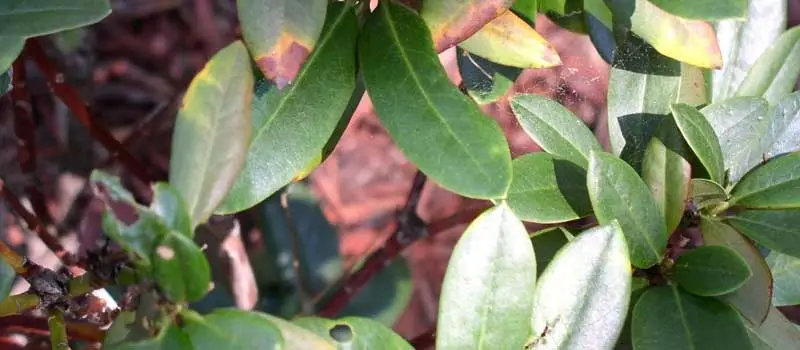
Understanding Copper Oxychloride and Its Role in Crop Protection
Copper Oxychloride (Cu₂(OH)₃Cl) stops fungus spores from germinating on leaf surfaces and acts as a protective contact pesticide. It doesn't get into plant tissue as systemic fungicides do. Instead, it makes a barrier that breaks down pathogen cell walls when it comes into contact with them. Because it works on multiple sites, it is very good at fighting diseases that are likely to become resistant while still being safe enough for integrated pest control systems.
Chemical Structure and Mode of Action
The compound's solid structure releases copper ions over time, killing microbes in specific areas of treated surfaces. Copper ions mess up the enzyme systems of fungus spores, which stops them from infecting other cells. This process is very different from copper sulfate, which breaks down quickly and has less action left over. Copper Oxychloride doesn't dissolve easily, so it stays on thick leaf surfaces for a long time. This is especially helpful when it rains a lot and water loss is a big problem.
Agronomic Benefits for Commercial Operations
Copper Oxychloride is liked by large-scale farmers who take care of hundreds to thousands of fields because it is cheap and effective at killing a wide range of diseases. When applied according to disease-predicting models, trials carried out in a variety of climate zones consistently show yield gains of 15 to 25 percent. Because the product works with most pesticide tank mixes, it can be easily added to current spray programs without the need to buy new equipment. Its normal pH range (6.0–8.0) lowers the risks of phytotoxicity that come with copper formulas that are more acidic.
Safety and Environmental Considerations
Concerns about copper buildup in soils in the past have been addressed by modern formulas. Copper Oxychloride doesn't pose much of a risk to groundwater contamination when used at the suggested rates (usually 1.5 to 2.5 kg/ha). This is because it has strong soil-binding qualities. When handling and mixing, applicators should follow standard safety rules for protective gear like gloves, respirators, and protective clothing. Microbial activity in the soil breaks down the compound naturally. The half-life of the compound is thought to be between 30 and 90 days, based on the pH and organic matter level of the soil.
Factors Influencing the Frequency of Copper Oxychloride Application
To effectively control diseases, the number of sprays needs to be adjusted based on practical and external factors. There isn't a single plan that works for all application periods.
Crop Type and Growth Stage Sensitivity
During their growth stages, different crops have different sensitivity windows. During blooming and fruit set, when late blight pressure is highest, tomatoes and potatoes need a lot of protection. This usually means that they have to wait 5 to 7 days. Grape farms do better with longer plans (10–14 days) during vegetative growth, but they need to be shortened to 7 days before harvest when downy mildew threatens the quality of the fruit. Knowing about these phenological weaknesses helps procurement teams plan for regular demand spikes and keep enough inventory on hand.
Climatic Conditions and Disease Pressure
When temperatures are between 18°C and 25°C and the humidity is above 85%, the conditions are perfect for fungi to grow. With 72 to 96 hours of lead time, weather-based disease models can predict when an infection will happen, which lets growers switch from spraying based on the calendar to spraying based on risk. When things aren't infected, this method cuts down on uses that aren't needed, and when infections are expected, it boosts defense. Regional trends of rainfall have a big effect on how long a product lasts. Places that get a lot of rain may need to be reapplied every 5–7 days, while dry areas only need to be reapplied every 14 days.
Resistance Management Strategies
Pathogens become resistant to fungicides faster when they are only used once at a time. Because it works on multiple sites, Copper Oxychloride is an important cycle partner for systemic fungicides that target specific enzyme pathways. To keep the long-term effects going, agronomists say to alternate copper treatments with different types of chemicals (strobilurins, triazoles). This rotation strategy changes how purchases are planned because purchasing managers have to organize the supply of goods that work well together to support protocols for integrated resistance management.
Seasonal Application Guide: How Often to Apply Copper Oxychloride
Aligning the number of applications with how diseases change with the seasons is the best way to protect crops and keep costs down. The yearly framework below gives field managers a starting point for making changes based on local factors.
Spring Applications: Establishing Early Protection
When fungal inoculum that has been dormant over the winter becomes viable in the spring, the growing season starts. The first treatments should start when the buds break or when the plant is still young. This will create a barrier to protect against illness before it gets worse. A 10–14-day break is usually enough during this time, as long as the temperature and humidity are reasonable. Teams in charge of buying things should make sure there is enough stock by late winter, because demand goes up quickly once field conditions allow spraying. Early uses set the stage for disease control throughout the season, so getting products to customers on time is very important for their happiness.
Summer Management: Intensifying During Peak Pressure
The highest risk of disease is in the summer, when it is warm, humid, and there are lots of crops. This means that applications should happen every 7–10 days, or even every 5–7 days after heavy rain. Spray amounts may need to be changed as crop leaves grow bigger, so that new tissue is properly covered. Most businesses' busiest time is during this time, which can put a strain on supply lines if it wasn't planned for. Distributors who work with big agribusinesses should get in touch with makers early on to make sure they get enough bulk supplies and don't run out during key application times.
Autumn Strategies: Protecting Final Growth Stages
As crops get closer to being fully grown and temperatures level off, disease pressure usually goes down. If there aren't any localized cases, application periods can be extended to 10 to 14 days. Late-season sprays with copper oxide metalaxyl protect the quality of fruit that is ripening and stop carry-over inoculum that could hurt plants that come after them. During this changeover time, the amount of goods bought goes down, which lets the inventory be used up before winter storage. Keeping small amounts of stock on hand makes sure that you can meet late-season needs without tying up too much capital in idle inventory.
Winter Considerations: Preparation and Dormancy
Most cold plants go into dormancy, which means they are no longer at risk of illness. Maintenance on tools, training for applicators, and making plans for the next season are the major tasks during this time. During the winter, procurement professionals look at how well suppliers are doing, discuss yearly contracts, and find other ways to get goods. To keep products working well during the off-season, storage spaces should keep the right temperature and humidity levels. Some subtropical businesses keep producing all year, which means they need to keep applying chemicals, but not as often, because diseases are less likely to spread in the winter.
Best Practices for Applying Copper Oxychloride
Paying attention to mixing methods, dosing methods, and safety rules is important for getting the most out of fungicides. These practical details have a big effect on both how well it works and how much it costs.
Dosage Precision and Mixing Protocols
Correct amount makes sure that diseases are controlled well without using too much. Rates are usually between 1.5 kg/ha and 3 kg/ha, but they rely on the type of crop and how bad the disease is. Copper Oxychloride powder should always be mixed with water in a different container before being added to the spray tank. This will keep the powder from sticking. Keep agitating the suspension all the time while shooting to keep it even and keep the tip from getting clogged. For the best stability in suspension, the pH of the water should be between 6.0 and 7.5. If needed, stabilizing agents can be used to change the pH.
Equipment Selection and Calibration
The choice of nozzle affects the level of coverage and the spread of droplet sizes. When working at 40 to 60 psi, flat fan or hollow cone nozzles allow the best entry into thick canopies. Once a year, calibrate the tools and check the output rates at the start of each season. 50-100 mesh screens keep the nozzles from getting clogged while still letting enough product flow through. For tightly planted veggies, high-volume sprayers that give 400–600 liters/ha work best. For row crops with open canopies, low-volume systems (200–300 L/ha) work best.
Safety Protocols for Application Personnel
When mixing and packing, workers should wear gloves that can withstand chemicals, long-sleeved shirts, pants, and respirators that have been cleared by NIOSH. Do not apply when the wind speed is over 10 km/h to keep the substance from drifting to areas that are not intended. Set the right time between visits (usually 24 to 48 hours) before letting workers back into cleaned areas. At mixing sites, emergency eyewash stations should be easy to get to. These investments in safety protect the health of workers and show that they are following the rules, which is a very important thing for procurement managers to look at when they are reviewing seller certifications.
Integration with Products That Go Well Together
Mixing Copper Oxychloride with pesticides or plant nutrients that work well together in a tank can lower the cost and work needed for application. Do jar tests before mixing on a big scale to make sure the materials are physically compatible. When mixing, don't use oil-based or highly alkaline adjuvants that could harm plants. Using systemic fungicides from different chemical families along with copper treatments improves resistance control while keeping protection in place all the time. To make integrated programs work well, procurement teams should plan where to find goods that work well together.
Procurement Insights for Copper Oxychloride: Buying and Supply Chain Considerations
When you strategically source crop protection goods, you have to find a balance between quality control, low costs, and a reliable supply chain. When navigating foreign markets, it's important to pay attention to regulations and the reliability of suppliers.
Evaluating Manufacturer Quality Standards
Copper Oxychloride providers with a good reputation keep their ISO certifications up to date and follow FAO guidelines for the amount of active ingredient they use, which is usually 50% ± 2% solid copper. Ask for analysis papers that show the substance is susceptible (>80%), has low wet sieve residue (<2% on a 45-micron screen), and is low in heavy metals (lead <5 ppm). These factors directly affect how well the field works and how well the regulations are accepted. When manufacturers put money into quality control facilities like ICP-MS testing for contaminants and CIPAC-standard physical testing, it shows that they want their products to always work well.
Pricing Dynamics and Order Quantities
For big farming businesses, bulk purchasing agreements help them save money by buying in bulk. Asian producers usually require at least 5 to 10 metric tons of goods to be ordered before they will ship them. At 50 tons or more, the cost per unit drops by a lot. Price changes with the seasons show how much raw materials cost and how demand changes around the world. When compared to buying on the spot in the spring, locking in annual contracts during off-peak times (autumn and winter) can save you 10-15%. But procurement managers have to weigh the cost savings against the limited space for storing and operating capital.
Logistics and Supply Chain Reliability
Lead times from major production regions like China and India to North American ports are usually between 30 and 45 days, so you need to plan ahead to make sure you don't run out of supplies during the growing season. Check the sellers' shipping history, the accuracy of their paperwork (like phytosanitary certificates and material safety data sheets), and how quickly they respond to problems with shipments. Putting domestic warehouses near important farming areas speeds up delivery times to end users and lowers the risk of port congestion. Fast global transportation removes the best suppliers from the rest, which has a direct effect on how many customers wholesalers and formulators can keep.
Regulatory Compliance and Traceability
Copper Oxychloride goods that are used in the United States must be listed with the Environmental Protection Agency. Check to see if foreign products have the right EPA registration numbers and follow the rules for your state. Traceability systems that keep track of manufacturing batch numbers, production dates, and quality test results make it possible to quickly fix any problems that arise in the field. Suppliers who offer full legal support, such as help with label creation and residue data for new crops, add value above and beyond the price of the product.
Conclusion
Copper Oxychloride application frequency needs to be optimized by taking into account crop-specific needs, yearly disease trends, and cost factors. When it comes to commercial activities, the best results come from stepping up protection during times of high risk and extending breaks during times of low pressure, which can last anywhere from 5 to 14 days based on the conditions. Strategic relationships with qualified makers make sure that you can get consistent quality formulas, prices that are affordable, and delivery times that are reliable and fit with changes in seasonal demand. Agricultural businesses can get the most out of disease control while keeping costs low across a wide range of cropping systems by using application methods that adapt to changing weather conditions and keeping enough inventory gaps.
FAQ
Q1: What is the recommended dosage of copper oxychloride for vegetable crops?
For veggies, the usual rate is between 1.5 and 2.5 kg/ha mixed with 400 to 600 liters of water. To keep their leaves from burning, leafy veggies like lettuce need lower amounts, while solanaceous plants like peppers and tomatoes can handle higher rates. Follow the pre-harvest times and always read the labels of products to get advice that is specific to the crop.
Q2: Can copper oxychloride be used in organic farming systems?
Copper Oxychloride-based fungicides are approved by many organic certification programs, but only 6 to 8 kg of pure copper per field can be used in a year. Check with your certifying body about specific limits. To reduce their reliance on copper and keep soil from building up, organic farms should focus on cultural practices and hardy types.
Q3: How does rainfall affect application timing?
If it rains a lot within 4 to 6 hours of application, the product will be washed off the leaf surfaces, making it much less effective. Keep an eye on the weather reports and wait to spray if it looks like it will rain more than 10 mm. If it rains more than 25 mm, you should repeat within three to five days, no matter how often you normally do it, to protect newly exposed tissue.
Partner with Hontai for Reliable Copper Oxychloride Supply
Agricultural companies need fungicide providers who know how important it is to start disease control programs at the right time. Hontai mixes high-quality production with quick customer service to make sure your Copper Oxychloride inventory gets to you exactly when it's needed in the field. Our production plant in Hebei follows strict quality controls during recipe development. This ensures that the copper content, particle size distribution, and susceptibility are always in line with FAO standards. We offer a range of flexible package choices and reasonable prices to meet the needs of businesses of all sizes. Whether you need bulk technical concentrate for custom formulation or ready-to-use wettable powders, we can help. Contact our purchasing experts at admin@hontai-biotech.com to talk about your seasonal needs, get product specs, or look into ways to work together with a reliable Copper Oxychloride maker that wants to help you protect your crops.
References
1. Gullino, M.L., Tinivella, F., Garibaldi, A., Kemmitt, G.M., Bacci, L., & Sheppard, B. (2010). "Mancozeb: Past, Present, and Future." Plant Disease, 94(9), 1076-1087.
2. Lamichhane, J.R., Osdaghi, E., Behlau, F., Köhl, J., Jones, J.B., & Aubertot, J.N. (2018). "Thirteen Decades of Antimicrobial Copper Compounds Applied in Agriculture: A Review." Agronomy for Sustainable Development, 38(3), 28.
3. Agrios, G.N. (2005). "Plant Pathology, Fifth Edition." Elsevier Academic Press, San Diego, California.
4. Van der Plank, J.E. (1963). "Plant Diseases: Epidemics and Control." Academic Press, New York.
5. McGrath, M.T. (2004). "What are Fungicides?" The Plant Health Instructor, American Phytopathological Society.
6. Scherm, H., & van Bruggen, A.H.C. (1994). "Global Warming and Nonlinear Growth: How Important are Changes in Average Temperature?" Phytopathology, 84(12), 1380-1384.
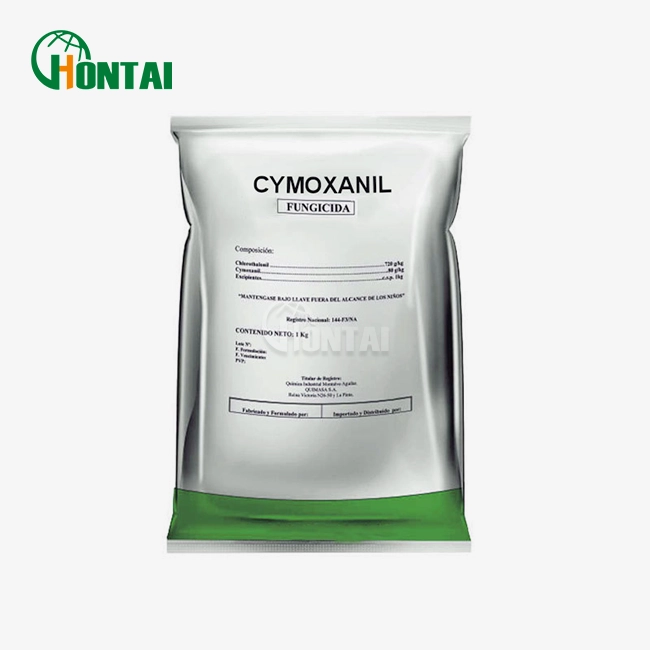
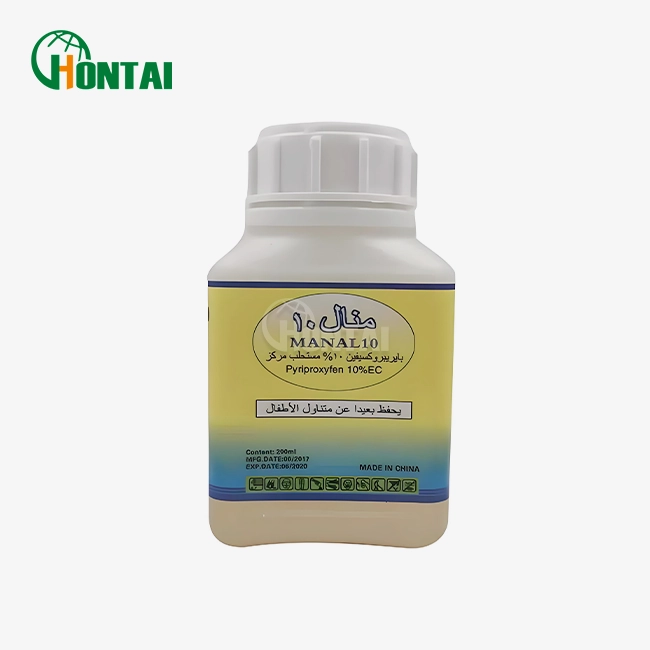
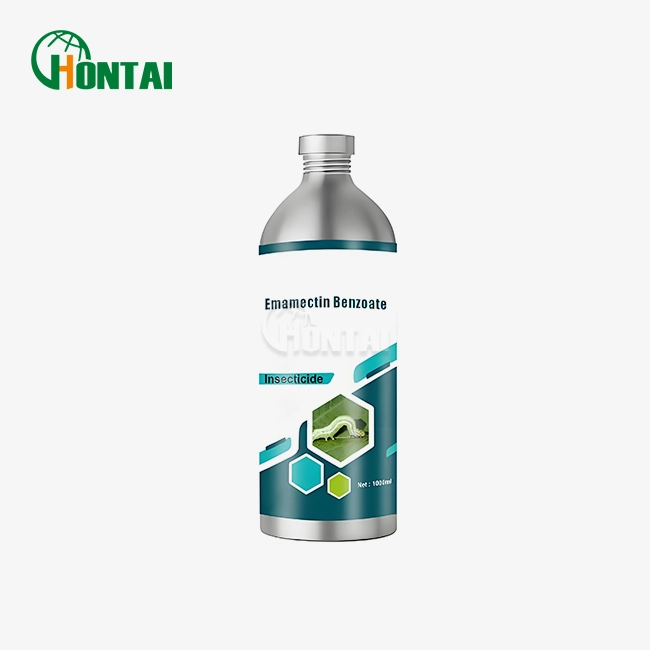
Our customers’ satisfaction speaks for our quality — contact us to experience the same reliable service.