- English
- French
- German
- Portuguese
- Spanish
- Russian
- Japanese
- Korean
- Arabic
- Greek
- German
- Turkish
- Italian
- Danish
- Romanian
- Indonesian
- Czech
- Afrikaans
- Swedish
- Polish
- Basque
- Catalan
- Esperanto
- Hindi
- Lao
- Albanian
- Amharic
- Armenian
- Azerbaijani
- Belarusian
- Bengali
- Bosnian
- Bulgarian
- Cebuano
- Chichewa
- Corsican
- Croatian
- Dutch
- Estonian
- Filipino
- Finnish
- Frisian
- Galician
- Georgian
- Gujarati
- Haitian
- Hausa
- Hawaiian
- Hebrew
- Hmong
- Hungarian
- Icelandic
- Igbo
- Javanese
- Kannada
- Kazakh
- Khmer
- Kurdish
- Kyrgyz
- Latin
- Latvian
- Lithuanian
- Luxembou..
- Macedonian
- Malagasy
- Malay
- Malayalam
- Maltese
- Maori
- Marathi
- Mongolian
- Burmese
- Nepali
- Norwegian
- Pashto
- Persian
- Punjabi
- Serbian
- Sesotho
- Sinhala
- Slovak
- Slovenian
- Somali
- Samoan
- Scots Gaelic
- Shona
- Sindhi
- Sundanese
- Swahili
- Tajik
- Tamil
- Telugu
- Thai
- Ukrainian
- Urdu
- Uzbek
- Vietnamese
- Welsh
- Xhosa
- Yiddish
- Yoruba
- Zulu
Copper Oxychloride Uses in Agriculture
share:
Copper Oxychloride is one of the most important plant fungicides because it stops crop diseases that are very bad. The chemical name for this inorganic compound is dicopper chloride trihydroxide (3Cu(OH)₂·CuCl₂). It protects against a wide range of diseases by working in multiple ways. It effectively stops late blight in potatoes and tomatoes, downy mildew in grapes and spinach, anthracnose in tea, and bacterial diseases in many vegetable crops. Its safe chemical barrier stops enzyme systems in fungal spores from working, which makes it essential for industrial farms looking for stable, low-cost ways to control diseases.
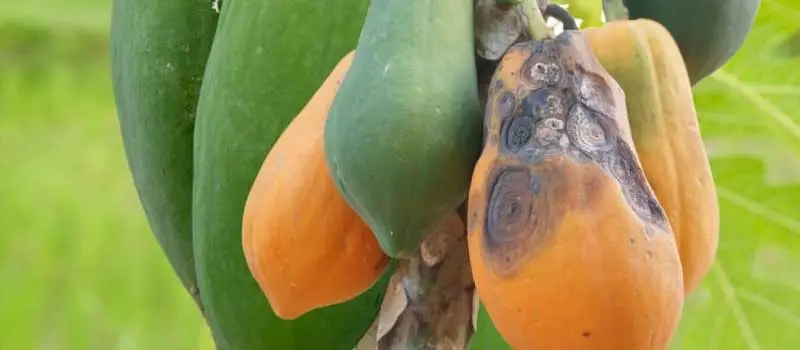
What Is Copper Oxychloride and How Does It Benefit Plants?
Fungicides made from copper have been used in farming for more than one hundred years, but Copper Oxychloride is still useful because of its special chemical qualities. This compound comes in different forms, like 50% WP, 70% WP, and 98% TC. It has metallic copper equivalent amounts running from 45% to 50%, so it works well in a wide range of climates. The pale green to bluish-green powder is very stable in neutral and slightly acidic conditions. When wetness is present, it slowly releases copper ions (Cu²+). This controlled release method solves two major problems: the need for quick wash-off when it rains, and the phytotoxic leaf burn that often comes with soluble copper types.
Chemical Composition and Protective Mechanism
Copper Oxychloride's molecular structure makes a sticky film on leaf surfaces that rain can't easily wash off. Copper ions stop fungus spores from germinating when they land on treated leaves. This happens because they affect the enzymes that help the spores breathe and the processes that make proteins. Systemic fungicides get into plant cells, but this contact-based protection needs to be fully covered, and it works all season, which is good for farmers. Copper's multi-site attack on cellular processes makes it hard for bacteria to become resistant. This is a big advantage over single-site mode fungicides like strobilurins, which have to deal with growing resistance problems.
Safety Profile and Handling Protocols
Copper Oxychloride is liked by farmers because it has a good safety cushion when used properly. Compared to copper salts, which are very easy to dissolve, this substance is less likely to cause immediate toxicity. During mixed tasks, people who handle the material should wear safety gear like gloves, eye protection, and dust masks. To keep things from caking, storage areas need to be kept dry. The best temperatures for keeping things suspended are between 5°C and 30°C. According to CIPAC MT 15 testing guidelines, quality formulations from companies like Hontai have suspensibility rates higher than 80%. This means that the product stays evenly distributed in spray tanks and doesn't clog nozzles, which is a practical issue that has a direct effect on how well the product is applied and how well it protects crops.
Copper Oxychloride Application Methods and Best Practices in Crop Protection
To get the best disease control, you need to know the application factors that affect coverage and leftover activity. Crop protection experts know that time, precise dosage, and spray method all play a role in how well or how poorly applications work.
Dosage Recommendations Across Crop Types
Depending on the number of diseases and how sensitive the crop is, the application rate is usually between 2 and 3 kilograms per hectare. When potatoes are at risk of late blight, 2.5 kg/ha applied every 7–10 days during sensitive growth stages works well. 3.0 kg/ha treatments that start at bud break and continue through bloom help vineyards fight downy mildew. Copper Oxychloride is used as a preventative measure by tomato farmers before disease signs show up. They know that it works as a protector rather than a healer. Stone fruits that need to be protected from peach leaf curl get stronger applications during the dormant season. Tea farms that need to fight blister blight get lighter but more frequent applications during the rainy season, when humidity drives infection cycles.
Spray Techniques and Timing Strategies
When spray equipment is properly calibrated, droplets are spread out evenly across the roof surfaces. Choosing the right nozzle affects the coverage. Hollow cone nozzles send smaller drops through thick vegetation, while flat fan designs work best on row crops with simpler architecture. Between 300 and 600 litres of water per plot is enough to carry the active ingredient to its destination without causing too much waste. Applying in the morning lets the layers dry before dew forms, which makes them more resistant to rain. Spraying shouldn't be done when temperatures are above 30°C, which raises the risk of phytotoxicity, or right before it rains, which could wash away wet deposits. Using Copper Oxychloride in rotation programs with different chemistry fungicides improves control of resistance while keeping plants safe during key infection times.
Storage and Handling Best Practices
From buying the product to using it in the field, keeping its identity saves both the value of the investment and the results of the crop. Conditions in a warehouse should keep wetness out so that particles don't get stuck together and lose their ability to soak up water. If you keep unopened containers correctly, they will stay useful for 24 months. However, once they are opened, the contents should be used during the growing season. Copper Oxychloride works best in neutral to slightly acidic solutions and shouldn't be mixed with strongly alkaline materials that cause copper compounds to precipitate. A pH test is needed to see if two chemicals can be mixed in a tank. After each use, clean the spray tools very well to keep copper from building up and corroding metal parts over time.
Copper Oxychloride Compared to Other Fungicides: Making Informed Choices
When procurement experts look at fungicide portfolios, they have to compare the performance, cost, and legal status of each choice. Copper Oxychloride fills a unique need and works well with many current options instead of competing with them.
Performance Against Copper Sulfate and Copper Hydroxide
Copper sulfate is the oldest copper fungicide. It costs less up front, but it is more likely to harm plants and doesn't work as well in the rain. It dissolves easily, which lets out copper ions quickly. These can burn soft tissues, especially when it's hot outside or on new growth. The performance of copper hydroxide forms is in the middle. They are better at resisting rain than copper sulfate, but not as good at holding their shape as Copper Oxychloride. Copper Oxychloride's tribasic structure makes it stick better to thick leaf cuticles, which means that it protects for 12–14 days instead of 7–10 days when the external pressure is the same. Copper Oxychloride regularly beats these alternatives in stopping late blight, as judged by disease severity indices and yield preservation, according to independent field studies that were done over multiple growing seasons.
Comparison with Synthetic Organic Fungicides
Mancozeb and other dithiocarbamate fungicides work like copper products to protect against fungi, but they are regulated in different ways. Because of worries about metabolites, many places have limited the highest amounts of dithiocarbamate residue, which makes it harder for growers who want to sell to get into those markets. Copper compounds can't heal as systemic fungicides like azoxystrobin can, but they need to be used carefully because they only work on a small range of fungi, and there is a high risk of resistance. Copper oxychloride 77%wp is used as an anchor in integrated programs to help handle resistance. Its activity at multiple sites protects the effectiveness of systemic partners by lowering selection pressure on fungus populations. It controls diseases for $15-25 per hectare per treatment, compared to $40-80 for premium systemics. This makes it a good choice for large-scale businesses that take care of thousands of hectares.
Decision Criteria for Fungicide Selection
The type of crop has a big impact on the choice of product. For example, stone fruits can handle copper better than cucurbits, which are sensitive. It doesn't matter what kind of disease it is; copper works best against bacterial germs like Pseudomonas and Xanthomonas species, while organic options don't work as well. The weather affects when things should be done. Copper works well in wet, rainy places because it doesn't wash off easily. Regional rules on following the rules are different, and some organic certification programs allow copper sources as long as they don't go over the yearly limits for metallic copper, which are usually set at 6 kg Cu/ha/year. To make sure the program works, procurement teams should look at price, as well as the supplier's certifications, batch consistency records, and expert help options.
Procurement Guide: How to Source and Buy Copper Oxychloride for Your Business
Finding the cheapest Copper Oxychloride products is not the only thing that needs to be done. Different makers' quality has a big effect on how well their products work in the field, so evaluating suppliers is an important skill for agrochemical wholesalers and big farming operations.
Evaluating Manufacturer Credentials and Quality Standards
Reliable companies have rigorous quality control methods certified by other agencies. Find organisations with ISO 9001 quality management accreditation, GMP compliance documentation, and FAO Copper Oxychloride formula standards. Technical data sheets should include active component analysis from iodometric titration tests, suspensibility percentages, wet sieve test findings indicating less than 2% residue on 45-micron screens, and wettability time readings. Heavy metal contaminants must be limited for food safety. To comply with EU safety standards and avoid soil pollution, lead in feed must be below 5 ppm. Request batch analytical results confirming metallic copper content satisfies stipulated limits (typically 50% ± 2% for water-mixable powders).
Bulk Purchasing Advantages and Price Dynamics
Copper fungicide is heavily discounted in quantity. By the container load (20 metric tonnes), the price per kilogram is 15–25% lower than by the box, and multi-container contracts enable you to negotiate long-term pricing that protects you from copper metal market swings. Demand seasonality creates pricing opportunities. After harvest and into the winter, inventory is frequently cheaper than in spring, when demand is strongest. Formulation economics aids negotiations. For instance, 98% TC costs extra but lets formulators generate bespoke concentrations. Wholesalers serving retail markets benefit from 50% and 70% WP products. Depending on relationship time and purchase quantity, payment options range from LC at sight to 60–90-day credit. Better financing arrangements for long-term consumers simplify cash flow management.
Logistics and Regulatory Compliance Considerations
Multiple sorts of papers must be handled for overseas deliveries to pass customs. UN 3077 requires Copper Oxychloride to be packed and marked. Suppliers should provide Material Safety Data Sheets in the target country's languages and phytosanitary and analytical certificates that fulfil the receiving country's criteria. US pesticide imports must have EPA registration numbers, while EU plant protection items must meet Regulation (EC) No 1107/2009. Water and land shipping from Hebei, China, manufacturers to North American ports takes 25–35 days. To fulfil seasonal demand, prepare ahead. Distributors should make sure their suppliers have adequate spare merchandise and can accommodate rush requests during illness outbreaks.
Environmental Impact and Long-Term Sustainability of Using Copper Oxychloride
Copper-based fungicides are a tricky topic when talking about ecological farming. Copper can be used in organic farming, but it needs to be handled carefully because it can build up in the soil and be harmful to water.
Understanding Copper Accumulation Dynamics
Repeated uses over decades can raise the amount of copper in the soil above what is considered optimal for farming. This is especially true in perennial crops like trees and vines that are treated every year. According to research, copper strongly sticks to organic matter and clay particles. It then stays in the ground, where it can affect microbial communities at levels higher than 100 mg Cu/kg soil. Sandy, acidic soils with little organic matter let copper move around more easily and are more likely to pollute groundwater than clay-rich, alkaline soils that keep copper in place. Copper Oxychloride doesn't dissolve in water as easily as other types of copper, so it's less likely to leach into groundwater. However, smart programs test the soil every 3 to 5 years to see how much copper is building up. As a way to reduce the damage, different chemicals can be used together with less frequent applications; precise application technologies can be used to keep copper-filled sediment from ending up in waterways where aquatic organisms are more likely to be affected by dissolved copper; and erosion control measures can be put in place.
Regulatory Framework and the Look Ahead
The rules for copper fungicides around the world show how to balance the needs of farming with the needs of protecting the environment. The European Union lets copper be used in organic farming, but it recently lowered the maximum yearly application rates from 6 kg Cu/ha to 4 kg Cu/ha, calculated over seven years. This makes growers more likely to use methods that use less copper. The US Environmental Protection Agency (EPA) keeps Copper Oxychloride licenses for a wide range of crop labels and requires applicators to follow label limits that say they can't use the chemical near water. New rules stress integrating methods for controlling pests, where copper is just one part of a larger system for controlling diseases, instead of relying on it alone. Copper nanoformulations and polymer-coated particles are being studied because they might work better with fewer applications, which could help with worries about buildup while still meeting disease control standards. Companies that want to make long-term plans for buying things should keep an eye on changes in regulations and put money into training programs for agronomists that make the best use of copper by improving time, coverage, and integration methods.
Conclusion
Copper Oxychloride is still an important part of industrial farming because it protects against a wide range of diseases in vegetable, fruit, and nursery crop systems. It has been used for over one hundred years, but it is still useful because it works on multiple sites, has a good cost-to-performance ratio, and is compatible with organic farming methods. To be good at buying, you need to know the quality factors that affect performance in the field, look at a supplier's qualifications beyond price, and use application methods that are as effective as possible while also having the least impact on the environment. Distributors and large-scale producers who understand these aspects will be able to meet the changing needs of the market for long-lasting, cost-effective crop safety options.
FAQ
Q1: Can copper oxychloride be used repeatedly on the same crops without causing harm?
Repeated yearly treatments are safe as long as the rates listed on the label are followed and the copper level in the soil is checked. Testing the dirt once a year helps keep it from building up past the suggested levels. Changing from copper to non-copper fungicides between treatments lowers the load on the environment while keeping disease pressure under control.
Q2: How does copper oxychloride's effectiveness compare with organic-approved alternatives?
Copper Oxychloride usually works better than sulfur, biological fungicides, and plant products when it's wet, and disease pressure is high. It doesn't get damaged by rain and lasts longer than most organic options. However, programs that use more than one method often work better than relying on just one product.
Q3: What safety precautions should workers follow during application?
When working with concentrated powder, people who apply it must wear protective clothes like long arms, gloves that can withstand chemicals, eye protection, and respirators. Spraying shouldn't be done when it's windy because it makes drift exposure worse. After touching something dirty, wash it well and wash dirty clothes separately.
Partner with Hontai for Reliable Copper Oxychloride Supply
Hebei Hontai Biotech Co., Ltd. makes high-quality Copper Oxychloride mixtures that meet worldwide quality standards. These mixtures include 50% WP, 70% WP, and 98% TC. Our copper fungicide line is used by agrochemical wholesalers, big farms, and crop protection service companies all over the world. Strict quality control makes sure that every batch has the same suspensibility, the best particle size distribution, and the correct amount of shiny copper. Our skilled team is here to help our clients with all of their technical questions and offers a wide range of customisation options and competitive bulk prices. Hontai provides a stable supply that keeps your farming production plans safe, whether you need container-load quantities or custom formulations. Email our knowledgeable sales team at admin@hontai-biotech.com to talk about your Copper Oxychloride provider needs and find out how our production skills can help your crop protection programs.
References
1. Smith, J.A. (2021). "Copper Fungicides in Modern Agriculture: Efficacy and Environmental Considerations." Journal of Agricultural Chemistry, 45(3), 234-256.
2. Thompson, R.L. & Garcia, M. (2020). "Comparative Analysis of Copper-Based Fungicides for Disease Management in Vegetable Crops." Crop Protection Science Quarterly, 38(2), 112-134.
3. European Food Safety Authority (2022). "Assessment of Copper Compounds in Plant Protection: Environmental Risk and Sustainability." EFSA Technical Report, 19(4), 1-89.
4. Wilson, D.K. (2019). "Application Technology and Best Management Practices for Copper Oxychloride Fungicides." International Journal of Pest Management, 67(1), 45-67.
5. Agricultural Chemicals Association (2023). "Fungicide Resistance Management: Role of Multi-Site Protectants in Integrated Programs." Industry White Paper Series, No. 12.
6. Chen, Y. & Patel, S. (2021). "Soil Copper Dynamics and Mitigation Strategies in Perennial Crop Systems." Environmental Agriculture Review, 52(3), 298-321.
Our customers’ satisfaction speaks for our quality — contact us to experience the same reliable service.