- English
- French
- German
- Portuguese
- Spanish
- Russian
- Japanese
- Korean
- Arabic
- Greek
- German
- Turkish
- Italian
- Danish
- Romanian
- Indonesian
- Czech
- Afrikaans
- Swedish
- Polish
- Basque
- Catalan
- Esperanto
- Hindi
- Lao
- Albanian
- Amharic
- Armenian
- Azerbaijani
- Belarusian
- Bengali
- Bosnian
- Bulgarian
- Cebuano
- Chichewa
- Corsican
- Croatian
- Dutch
- Estonian
- Filipino
- Finnish
- Frisian
- Galician
- Georgian
- Gujarati
- Haitian
- Hausa
- Hawaiian
- Hebrew
- Hmong
- Hungarian
- Icelandic
- Igbo
- Javanese
- Kannada
- Kazakh
- Khmer
- Kurdish
- Kyrgyz
- Latin
- Latvian
- Lithuanian
- Luxembou..
- Macedonian
- Malagasy
- Malay
- Malayalam
- Maltese
- Maori
- Marathi
- Mongolian
- Burmese
- Nepali
- Norwegian
- Pashto
- Persian
- Punjabi
- Serbian
- Sesotho
- Sinhala
- Slovak
- Slovenian
- Somali
- Samoan
- Scots Gaelic
- Shona
- Sindhi
- Sundanese
- Swahili
- Tajik
- Tamil
- Telugu
- Thai
- Ukrainian
- Urdu
- Uzbek
- Vietnamese
- Welsh
- Xhosa
- Yiddish
- Yoruba
- Zulu
How does chlorothalonil work?
share:
By directly interacting with several fungal enzyme processes at once, chlorothalonil functions as a multi-site contact fungicide. When it comes in contact with plant surfaces, it stops important biochemical processes in fungus cells, mainly glycolysis, cellular respiration, and ATP production. This broad-spectrum effect stops spores from germinating and mycelial growth as soon as they come into contact with the substance, stopping pathogens from establishing themselves before an attack happens. Instead of going deep into plant tissues like systemic fungicides do, chlorothalonil creates a layer of protection on the surfaces of leaves and fruits. This makes it very useful for managing diseases in a wide range of farming systems around the world.
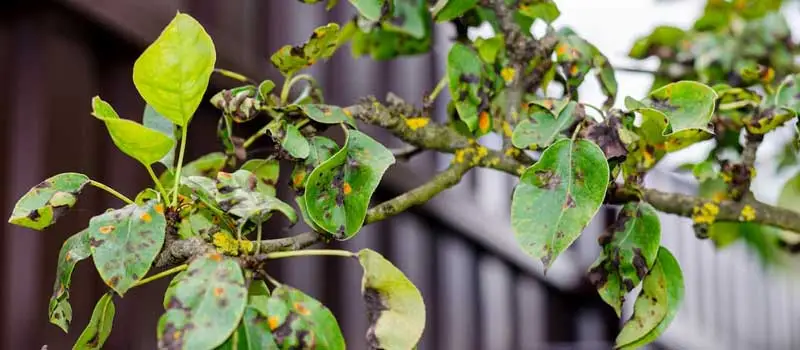
Understanding Chlorothalonil: Chemical Properties and Mode of Action
Core Chemical Characteristics
Chlorothalonil (chemical formula C8Cl4N2) is unique among fungicides because it is very stable and doesn't mix with water easily. This solid substance has a molecular weight of 265.9 and a melting point between 250 and 251°C. It is very persistent in the field. Hontai's technical-grade material, which meets high-purity standards of more than 98%, works the same way in all climate zones. This chemical stability directly leads to longer protection intervals, which lowers the number of times the product needs to be applied and the cost of work for large-scale activities.
The very low water solubility (0.6–0.9 mg/L) makes it very resistant to rain, which is very important for large farms that have to deal with unpredictable weather. When made as a Chlorothalonil 720g/L SC suspension concentrate, improved detergents and stickers help leaves stick to the product, so it will still work even if it rains one to two hours after application. In places where it rains a lot during important growth stages, this trait alone can determine how well the harvest turns out.
Multi-Site Mode of Action Explained
The multi-site inhibitor group of the pesticide is what makes it work. Chlorothalonil doesn't just target one biochemical route; it also interferes with at least six different cellular processes in fungal diseases. This includes messing with enzymes that break down glucose, damaging cell membranes through lipid peroxidation, and stopping the processes that allow spores to germinate. This kind of complete cell damage makes it almost impossible for the fungus to become resistant, which is a problem that single-site fungicides have in systems with a lot of plants.
Knowing how chlorothalonil works helps procurement managers understand why it is still effective against late blight, anthracnose, leaf spots, and downy mildew after decades of use in agriculture. Pathogens can't get to pome fruits, stone fruits, citrus, veggies, cucurbits, potatoes, rice, soybeans, cotton, coffee, tea, ornamentals, and turf because it has broad-spectrum action. This makes it an essential tool for agrochemical dealers who work with a wide range of crop sectors.
Application Across Diverse Crop Systems
The chlorothalonil mixtures made by Hontai work well in a wide range of farming situations. Commercial farmers who grow grains like corn, wheat, and soybeans depend on preventative treatments made during growth stages that are more likely to damage yield potential. Growers of tomatoes, peppers, and brassicas use chlorothalonil as part of cycle plans to keep fungi under control while keeping the effectiveness of other chemicals in the system.
Specialty crop growers, like those who grow cranberries, strawberries, bananas, mangoes, and coconut trees, benefit from how versatile the pesticide is. When used on plantations with oil palms, rubber, pepper plants, and hops, chlorothalonil protects against a wide range of diseases at a low cost. Even high-value fields like ornamental production and turf management need reliable recipes to keep up with the high standards of both aesthetic and functional quality that picky markets expect.
Chlorothalonil Safety and Environmental Impact
Handling Protocols and Worker Protection
It's important to think about safety when handling and applying something. Chlorothalonil is a Class II hazard material, which means that you need to wear full protection gear at all times when you work with it. Material Safety Data Sheets from reputable makers list specific risks, such as serious eye pain and breathing problems that can happen when handling a lot of the product at once. As they mix and add chemicals, commercial applicators should wear masks, gloves that can handle chemicals, and eye shields.
Hontai's flexible packaging choices lower exposure risks during warehouse operations and field moves, which is good for large farming businesses that buy in bulk. If you store food properly in a cool, dry place, it will last up to two or three years without going bad chemically. Training programs that stress safe working methods keep workers safe and make sure that regulations are followed in a variety of places.
Environmental Stewardship Considerations
The environmental profile of chlorothalonil necessitates careful management techniques that are in line with principles of sustainable agriculture. Because the substance stays in the soil for a long time, it's important to keep an eye on how fast it breaks down and apply it during times that reduce runoff risks. Studies show that the right time and amount of the chemical can keep it from building up in places it's not supposed to be, which protects water ecosystems and good bacteria in the soil.
Concerns about the safety of pollinators have led to changes in formulations and instructions for use. Even though chlorothalonil is not as dangerous to bees as some other insecticides, it is still best to avoid using it when flowers are actively blooming to protect pollinator groups that are important to food production systems. Agricultural service providers can set themselves apart by using combined pest management methods that protect pollinators and keep diseases under control.
Concerns about legacy pollution are addressed by new formulas. Hexachlorobenzene (HCB) levels are kept below legal limits by high-quality technical material—below 40 parts per million for normal markets and below 10 parts per million for strict EU requirements. Buying from companies with strict quality controls lowers the chance of not following the rules and helps companies reach environmental goals, which are becoming more and more important to their sustainability efforts.
Comparing Chlorothalonil to Other Fungicides and Alternatives
Performance Against Conventional Options
When you compare chlorothalonil to other drugs like mancozeb, azoxystrobin, and fluazinam, you can see that it has clear benefits in some situations. Another multi-site inhibitor, mancozeb, has some of the same benefits for managing resistance, but it needs to be used more often and has less leftover action. Azoxystrobin and other strobilurin fungicides work all over the body and can cure fungus, but groups that are subject to repeated single-site applications are becoming more resistant.
Fluazinam has similar multi-site activity in specific uses, but it costs more, which can hurt distributors' profit margins in price-sensitive markets. Chlorothalonil is a key ingredient in tank mixes and cycle programs because of its affordability and efficiency. When used with systemic partners, it saves their long-term usefulness by reducing the number of pathogens before resistance changes take hold.
Organic and Alternative Approaches
Copper-based fungicides are the main organic option that has been allowed for use in certified farming systems. Copper products work well against bacterial and some fungal diseases, but they can be harmful to sensitive plants and make people worry about heavy metal buildup in soils. Biological control agents and plant defense inducers are other choices, but they don't always provide the same level of constant, broad-spectrum protection that thiophanate methyl chlorothalonil does when there are a lot of diseases around.
Purchasing agents who work with organic growers can place chlorothalonil orders for conventional production clients while giving copper alternatives and biologicals for approved organic operations. This method for a diversified portfolio makes the most of the market reach while taking into account different production theories and customer tastes.
Best Practices for Chlorothalonil Application and Resistance Management
Optimizing Application Timing and Dosage
To get the most out of your pesticide investment, you need to time it just right so that it works with the stages of crop growth and disease pressure. Using preventative measures before a virus even starts to grow gives better results than trying to cure illnesses once they've started. Models that predict diseases based on the weather help industrial growers figure out the best times to spray, so they don't use too much water and still protect their crops during times of high risk.
The right doses depend on the type of crop, the disease being targeted, and the strength of the mixture. The Chlorothalonil 720g/L SC version from Hontai usually needs to be sprayed at rates of 1.5 to 2.5 liters per hectare, with enough water to cover the whole area (200–400 L/ha for ground equipment). For aerial uses, you need specific adjuvants and smaller amounts of material while still getting a good deposition density across the canopy areas.
Integrating Resistance Management Strategies
Because it works on multiple sites, chlorothalonil is an important part of fungicide resistance control programs that are required by agronomic experts and regulatory bodies. Rotating or mixing systemic fungicides from different modes of action stops the selection pressure that leads to resistance. Agricultural service providers who offer technical help along with product sales can show their worth by creating custom rotation plans based on data from tracking pathogen populations and resistance.
Monitoring for changes in effectiveness all the time lets us know about new resistance problems before they get too bad for crop protection programs. Pathogens may become resistant to tank-mix partners, but chlorothalonil itself doesn't pose much of a risk. When procurement managers help customers with diagnostic tools and up-to-date resistance management practices, they build long-lasting relationships with them that go beyond just buying products.
Procurement Insights: Buying Chlorothalonil for Your Business
Sourcing from Reputable Manufacturers
Choosing a seller based on manufacturing standards, legal compliance, and supply reliability is the first step to successful buying. Established companies like Hebei Hontai Biotech Co., Ltd show their dedication to quality by consistently maintaining technical-grade purity levels above 98%, strict impurity controls (HCB <40 ppm, DCBP within FAO limits), and a wide range of quality approvals. These standards make sure that products meet the registration requirements of all major farming markets. This lowers the chance that products will be rejected and makes it easier to get goods through customs.
Buying choices are affected by more than just the product specs of a supplier's credentials. Manufacturing sites that keep up with ISO certifications, GMP compliance, and third-party quality checks can be sure that stability from batch to batch meets business needs. Private-label programs and OEM possibilities for wholesalers building their own product lines are supported by long-term supply deals with makers that offer flexible packaging choices, such as customized labels, different bottle types, and different formulations.
Evaluating Cost Factors and Value Propositions
Pricing factors include more than just the cost per unit. They also include overall landing costs and services that add value. Volume prices on buying a lot of technical concentrates, such as Chlorothalonil 98%TC or formulated goods, have a direct effect on the distributor's profit margins and how they place themselves in the market. Container-load shipping lowers the cost per kilogram while making sure there is enough inventory during times of high demand when supply lines are limited.
To figure out the real value, you have to look at the supplier's help beyond just delivering the goods. For wholesalers who work with a wide range of customers, technical advice on recipe development, application suggestions, and resistance management is a real asset. Manufacturers who offer translated labels, regulatory documents specific to the market, and quick technology help make operations easier and speed up the time it takes to enter new markets.
Fast global logistics skills set apart providers who can stick to tight production plans. Reliable shipping partnerships, established relationships with customs brokers, and regular updates on the state of orders all help avoid expensive delays that hurt relationships with customers. When purchasing managers give more weight to sellers with a history of exporting to more than one area, the risks that come with international agrochemical trade are lessened.
Conclusion
Knowing how chlorothalonil works—by disrupting multiple fungal sites and building protected barriers on plant surfaces—helps procurement pros make smart buying choices that balance cost, effectiveness, and safety. Because it works on a wide range of pathogens and in a lot of different crop systems, it is essential for industrial farming, and the way it handles resistance means it will be useful for a long time. Modern standards for sustainability are in line with safety rules and practices for taking care of the environment, which support the responsible expansion of agriculture. Comparing performance to other options makes strategic placement within full crop protection plans clearer. Value is maximized throughout the supply chain by buying from producers who show consistent quality, compliance with regulations, and reliable logistics.
FAQ
Q1: Can chlorothalonil control existing fungal infections?
Chlorothalonil has no healing qualities and only serves as a protective fungicide. Pathogen germs must be applied before they grow and get into plant cells. Once fungi get into the structures of leaves or fruits, systemic fungicides are needed to get rid of them. This limitation shows how important it is to plan when to apply based on models that predict diseases and the stage of crop growth.
Q2: What particle size specifications affect formulation performance?
Suspension concentrates of good grade keep the D90 particle size ranges below 5 microns. Smaller bits cover more surface area and stick better to sticky leaf cuticles, which directly improves how well and how long the product works in the rain. Coarser generic versions don't work as well and need to be applied at higher rates or sprayed more often. Specifications for buying things should clearly state the ranges of accepted particle sizes to make sure that the field results are the same for all runs of products.
Q3: How should distributors manage product storage and shelf life?
Chlorothalonil formulations stay effective for two to three years if they are kept in their original, sealed cases in cool, dry stores away from extreme temperatures. Some signs that the quality is getting worse are hard caking that won't dissolve again, even after being shaken hard, and phase separation that is greater than 5–10% of the leftover liquid. Using first-in, first-out procedures to rotate inventory keeps old stock from affecting customer happiness and regulatory compliance.
Partner with Hontai for Reliable Chlorothalonil Supply
Hebei Hontai Biotech Co., Ltd. offers chlorothalonil products that are very pure and are backed by strict quality controls and a lot of experience in agrochemicals. Our adaptable customization choices, such as custom packaging, private labeling, and multiple concentration forms, help wholesalers build competitive product lines for a wide range of farming markets. We help procurement managers find the best ways to protect crops while keeping costs low. Our fast global services ensure on-time delivery, and our professional expert teams help with application advice and resistance management.
Our global farming service network can help you find reliable solutions that meet your unique operational needs, whether you're looking for Chlorothalonil 720g/L SC for large-scale industrial farms, technical concentrate for later formulation, or combination goods. Get in touch with our team at admin@hontai-biotech.com to talk about bulk prices, legal paperwork, and custom solutions from a reputable chlorothalonil manufacturer.
References
1. Food and Agriculture Organization. "Specifications and Quality Control Standards for Agricultural Pesticides." FAO Plant Production and Protection Series, 2021.
2. Morton, V., and Staub, T. "A Short History of Fungicides." APSnet Features, American Phytopathological Society, 2008.
3. Russell, P.E. "Sensitivity Monitoring and Resistance Management in Crop Protection Fungicides." Journal of Agricultural and Food Chemistry, vol. 52, no. 6, 2004, pp. 1659-1672.
4. Van den Bosch, F., et al. "The Dose Rate Debate: Does the Risk of Fungicide Resistance Increase or Decrease with Dose?" Plant Pathology, vol. 60, no. 4, 2011, pp. 597-606.
5. Gisi, U., et al. "Mechanisms Influencing the Evolution of Resistance to Fungicides." Annual Review of Phytopathology, vol. 40, 2002, pp. 271-297.
6. Environmental Protection Agency. "Reregistration Eligibility Decision for Chlorothalonil." EPA Prevention, Pesticides and Toxic Substances Publication, 1999.
Our customers’ satisfaction speaks for our quality — contact us to experience the same reliable service.