- English
- French
- German
- Portuguese
- Spanish
- Russian
- Japanese
- Korean
- Arabic
- Greek
- German
- Turkish
- Italian
- Danish
- Romanian
- Indonesian
- Czech
- Afrikaans
- Swedish
- Polish
- Basque
- Catalan
- Esperanto
- Hindi
- Lao
- Albanian
- Amharic
- Armenian
- Azerbaijani
- Belarusian
- Bengali
- Bosnian
- Bulgarian
- Cebuano
- Chichewa
- Corsican
- Croatian
- Dutch
- Estonian
- Filipino
- Finnish
- Frisian
- Galician
- Georgian
- Gujarati
- Haitian
- Hausa
- Hawaiian
- Hebrew
- Hmong
- Hungarian
- Icelandic
- Igbo
- Javanese
- Kannada
- Kazakh
- Khmer
- Kurdish
- Kyrgyz
- Latin
- Latvian
- Lithuanian
- Luxembou..
- Macedonian
- Malagasy
- Malay
- Malayalam
- Maltese
- Maori
- Marathi
- Mongolian
- Burmese
- Nepali
- Norwegian
- Pashto
- Persian
- Punjabi
- Serbian
- Sesotho
- Sinhala
- Slovak
- Slovenian
- Somali
- Samoan
- Scots Gaelic
- Shona
- Sindhi
- Sundanese
- Swahili
- Tajik
- Tamil
- Telugu
- Thai
- Ukrainian
- Urdu
- Uzbek
- Vietnamese
- Welsh
- Xhosa
- Yiddish
- Yoruba
- Zulu
What does flutriafol do?
share:
Flutriafol is a systemic pesticide from the triazole chemical family that works against a wide range of fungi. It protects plants by stopping the growth of fungal cell membranes. This demethylation inhibitor (DMI) works by going after the C14-demethylase enzyme. It stops diseases like powdery mildew, smut, maize smut, and Septoria leaf blotch that are very bad for cereal crops, soybeans, and speciality agricultural goods. Because it quickly absorbs and moves through plant tissues, professional growers who have to deal with a lot of diseases and changeable weather can't do without it.
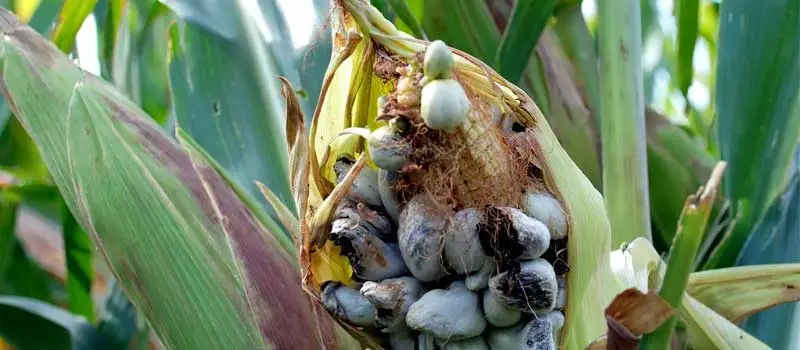
Understanding Flutriafol – Chemical Properties and Mode of Action
Flutriafol works through a complex biochemical route that makes it different from other fungicides. The chemical formula C16H13F2N3O makes it easier for it to get into plant tissue, which helps fight against disease and heal it.
How Flutriafol Blocks Fungal Growth
By attaching to the C14-demethylase enzyme in fungus cells, the active ingredient stops the production of ergosterol. Without ergosterol, the cell membranes of fungi lose their structural integrity. This lets pathogens fall apart before they cause noticeable signs on crops. This way of working is part of FRAC Group 3, and it has been shown to work against Ascomycetes, Basidiomycetes, and Deuteromycetes fungi, which destroy crops every year for billions of dollars.
Comparative Advantages Over Other Triazoles
When farm service providers look at different fungicides, they find that this compound works better than Propiconazole in terms of systemic movement and rainfastness. Tests in the lab show that treated plants get protection within 30 minutes of being treated, making them less vulnerable when the weather changes quickly. Manufacturers like Hontai make a white liquid formulation that is 25% pure and works consistently in a wide range of weather conditions. This meets the needs of buying teams for reliable disease control tools.
Physical and Chemical Stability
The crystalline structure stays stable at temperatures ranging from -10°C to 40°C, which protects the quality of the product while it is being shipped internationally and stored in a building. Low vapour pressure (7.1 × 10^-7 Pa at 20°C) reduces off-target drift, which protects nearby fields and lowers environmental worries that officials keep a close eye on.
Practical Applications of Flutriafol in Agriculture
For modern crop protection plans to work, they need versatile options that can be used in several ways and can handle different disease situations, such as Flutriafol 25 SC. This pesticide can be used in a number of different ways, depending on the needs of the farming industry.
Foliar Spray Applications for Cereal Crops
This systemic fungicide is used by wheat and barley farmers at key points in the growth process, especially when the flag leaves start to show (Zadoks GS 37–39). Doses of 125 to 200 grams of active ingredient per hectare are suggested, but this depends on how bad the disease is and how many pathogens are in the area. The upward movement makes sure that even leaves that are only partly covered are fully protected, which is very important when thick canopies make it hard for rain to get through. Growers see big drops in stripe rust, leaf blotch, and fusarium head blight after treatment, which is directly linked to better grain quality and test weights.
Seed Treatment Technology
More and more, agrochemical dealers carry seed treatment mixtures that cover each seed before planting. This preventative method keeps growing plants safe from soil-borne diseases like Rhizoctonia and early-season leaf diseases. The 12.5% liquid extract mixes easily with polymer coats and other actives for seed treatment, so it can be used to make custom treatment plans. Treated seeds have higher rates of sprouting and greater vigour, which gives crops an edge during the sensitive stages of establishment.
Integration with Resistance Management Programs
Continuous use of any single-site fungicide leads to selection pressure that favours hardy disease types. There are people who work in crop protection who say that this triazole should be used alternately with multi-site fungicides or items from different FRAC groups, like SDHIs or QoIs. Mixing systemic chemicals with contact fungicides like chlorothalonil in the tank gives extra protection and makes the chemicals last longer. These strategic mixes answer distributors' worries about the long-term survival of products in places where diseases are likely to become resistant.
Calibration of application tools has a direct effect on success in the field. The best effects are seen when growers use spray amounts of 100 to 200 litres per hectare and nozzles that make droplets of medium size. When you stir the suspension concentrate the right way, it stays equal and doesn't settle, which could lead to uneven doses in different areas that need treatment.
Safety, Environmental Impact, and Regulatory Compliance
International trade in agrochemicals is based on getting regulatory permission and safety paperwork. Before agreeing to large orders, people who work in procurement must make sure that sellers meet strict standards.
Operator Safety and Handling Protocols
When treated according to the directions on the package, this chemical doesn't pose a high risk of acute toxicity to those who use it. Workers should wear standard safety gear like gloves, long-sleeved shirts, and eye protection when they are making and applying substances. Re-entry times are usually between 12 and 24 hours after treatment. This gives fields time to dry and lowers the risk of skin contact. Material Safety Data Sheets (MSDS) from companies like Hontai give detailed instructions on how to handle the product in a way that meets US OSHA safety standards.
Environmental Fate and Non-Target Organism Safety
Studies of field dissipation show that substances stay in the soil for about 30 to 90 days, based on temperature, wetness, and microbial activity. When used outside of pollinator foraging times, the substance is not very harmful to honeybees and other helpful insects. Aquatic toxicity studies determine the buffer zone needs near bodies of water, which usually require 25 to 50 meters of space for aerial uses. Public health groups and city companies look at these environmental factors to make sure that the pest control goods they choose are sustainable.
Documentation for International Trade
To get goods through customs and make phytosanitary authorities happy, importers and wholesalers of Flutriafol need complete regulatory packages. Important papers to have include a Certificate of Analysis that confirms the purity requirements, Good Manufacturing Practice (GMP) licenses, and reports of the register status in the markets where the goods will be sold. In the US, the EPA registration process requires a lot of safety and effectiveness statistics to be sent in. In the EU, markets require compliance with Regulation (EC) No 1107/2009. Suppliers like Hontai keep regulatory dossiers that speed up customs clearance and cut down on delays caused by red tape for holiday orders that need to get there quickly.
Each foreign shipment comes with export licenses and phytosanitary papers that prove the goods meet the standards of the country that is buying them. These compliance methods keep buyers from getting sued and keep supply chains running smoothly during key application windows.
Market Comparison and Buying Guide for Flutriafol
To get around in the global agrochemical market, you need to know how differences in formulation, provider skills, and processes of buying affect the total cost of ownership.
Formulation Types and Performance Characteristics
The market is dominated by suspension concentrates (SC), which are made of water and lower the risk of phytotoxicity compared to emulsifiable concentrates that contain chemical solvents. The 25% SC formula has a concentrated amount of active ingredients, which means it takes up less room in shipping and storage. Wettable powder versions are still available, but they need to be stirred more vigorously and pose a higher risk of breathing in during mixing.
Supplier Selection Criteria for B2B Buyers
Hontai and other well-known makers set themselves apart by consistently making high-quality products that can be tested by a third party and are the same from batch to batch. Suppliers that give customised packaging choices, ranging from 1-litre bottles to 200-litre drums, can work with a wide range of customers, from small-scale farming groups to large-scale farms. Technical support is what sets premium suppliers apart from commodity vendors. Agronomic advice services help customers get the most out of their application timing and disease-scouting routines.
Pricing Structures and Volume Discounts
When you buy in bulk through direct manufacturer ties, you usually save 15 to 25 per cent compared to buying through multiple distribution outlets. For active ingredients, the minimum order quantity usually starts at 500 kg, and for formulated goods, it starts at 2,000 litres. This is because of economies of scale in transportation and production. When negotiating prices, you should think about Incoterms (FOB, CIF, or DDP), payment terms, and currency fluctuation hedging techniques that keep you safe from changes in the value of the dollar over long-term buying cycles.
Logistics and Supply Chain Reliability
Fast global logistics skills decide whether goods arrive at the best times for use or miss important chances to stop diseases. Lead times for ocean freight from Chinese makers to U.S. ports are usually 25 to 35 days, so it's important to plan to make sure that your orders arrive during the right growing seasons. When suppliers keep strategic inventory in target markets, they can offer faster delivery choices that help distributors who manage just-in-time inventory systems make more accurate forecasts.
Container shipping options include ISO tanks for bulk liquid formulations and palletised drums for smaller volume orders. Labels that use GHS danger communication symbols and UN transport classifications correctly make sure that goods can move easily through international networks.
Benefits and Future Prospects of Using Flutriafol
Long-term value assessment includes more than just stopping diseases right away. It also looks at things like protecting yields, keeping quality, and being able to adapt to new problems in agriculture.
Verified Performance Outcomes
In field tests done over several growing seasons, the treatment increased yields by 8% to 22% compared to controls that weren't treated. The effects were best when there were a lot of diseases. As the quality of grains gets better, mycotoxin poisoning in Fusarium-affected wheat goes down. This has a direct effect on market grades and chances to get higher prices. Soybean farmers say that delayed leaf senescence extends photosynthetic activity during key stages of pod filling, resulting in bushel-per-acre gains that are three to five times higher than the cost of investing in fungicides.
Resistance Management and Product Longevity
This science will continue to work for future generations if it is strategically used in integrated pest management (IPM) systems. Monitoring systems keep an eye on changes in how sensitive pathogens are, so changes can be made to treatment rates and rotation plans before resistance spreads widely. It protects against single-gene resistance changes because it has multi-site complementary activity when mixed with protectant fungicides.
Innovation in Formulation Technology
More research into controlled-release microcapsule formulations of Flutriafol 25 SC shows that they could have longer-lasting effects with less damage to the environment. Nanoemulsion technologies targeting this active ingredient are being worked on to cover more leaf surface area with less treatment, which will save money while still keeping diseases at bay. With these improvements, this fungicide can be used as a base for next-generation crop security options that are both environmentally friendly and good for the economy.
When temperatures rise, pathogens can spread to new areas that weren't touched before. This changes the trends of disease pressure. The fungicide's broad-spectrum action and systemic movement enable it to react to new disease threats. This helps crops stay strong when the environment is uncertain.
Conclusion
Flutriafol is an important part of current crop protection systems because it effectively controls diseases thanks to its special systemic properties and wide-ranging activity. Commercial growers like that there are a lot of different ways to use the product, and wholesalers like that it is safe and that the market will always want it. Knowing how the chemical works, how to use it correctly, and any safety concerns gives procurement workers the power to make smart choices that protect crop investments and improve operating efficiency. As problems in farming change, this triazole fungicide keeps changing by coming up with new ways to make it and smart ways to use it, which keeps it useful in global crop protection markets.
FAQ
Q1: What is the typical rainfastness period after application?
Rainfastness occurs within one to two hours after foliar application, significantly faster than many competitive products. The rapid cuticle penetration reduces wash-off risks during unpredictable weather patterns common in spring cereal production regions.
Q2: Can this fungicide be tank-mixed with other crop protection products?
Physical compatibility exists with most herbicides and insecticides formulated as emulsifiable concentrates or water-dispersible granules. Conducting jar tests before large-scale mixing remains essential to identify potential incompatibilities. Avoid combining with highly alkaline products that may degrade the active ingredient.
Q3: How does the suspension concentrate formulation improve crop safety?
The water-based SC formulation eliminates organic solvents present in older emulsifiable concentrate products, substantially reducing phytotoxicity risks during high-temperature application conditions or sensitive crop growth stages like flowering.
Q4: What resistance management practices extend this product's effectiveness?
Rotating with fungicides from different FRAC groups (such as Group 7 SDHIs or Group 11 Strobilurins) prevents selection pressure that favours resistant pathogen populations. Limiting applications to two or three treatments per season maintains susceptibility in target disease organisms.
Partner with Hontai for Reliable Flutriafol Supply
Hebei Hontai Biotech Co., Ltd. delivers consistent quality and responsive service that addresses the operational challenges faced by large-scale agricultural producers and agrochemical distributors. Our 25% SC and 12.5% liquid formulations meet international purity standards, backed by complete regulatory documentation for seamless customs clearance. As an experienced Flutriafol manufacturer, we offer flexible packaging configurations from retail-ready bottles to bulk containers, accommodating diverse market requirements across North American and global distribution networks.
Our professional, skilled team provides technical consultation on application timing, disease identification, and resistance management strategies that maximise your return on fungicide investments. Fast global logistics ensure products arrive during critical application windows, supported by strategic inventory positioning that reduces lead time uncertainties. Whether you manage thousands of hectares or supply regional agricultural markets, our customised solutions and after-sales support help you deliver effective disease control to end users. Contact our team at admin@hontai-biotech.com to discuss your specific procurement needs and discover how our reliable advantages in product consistency and supply chain performance support your agricultural success.
References
1. Mueller, D.S. & Wise, K.A. (2021). Fungicide Efficacy for Control of Wheat Diseases. Purdue University Extension Publication BP-160-W.
2. Bartlett, D.W., Clough, J.M., Godwin, J.R., Hall, A.A., Hamer, M. & Parr-Dobrzanski, B. (2002). The strobilurin fungicides. Pest Management Science, 58(7), 649-662.
3. Brent, K.J. & Hollomon, D.W. (2007). Fungicide Resistance: The Assessment of Risk. FRAC Monograph No. 2, Second Edition.
4. United States Environmental Protection Agency. (2019). Reregistration Eligibility Decision for Flutriafol. EPA Publication 738-R-19-004.
5. Hewitt, H.G. (1998). Fungicides in Crop Protection. CAB International, Wallingford, United Kingdom.
6. Oliver, R.P. & Hewitt, H.G. (2014). Fungicides in Crop Protection: Second Edition. CAB International, Boston, Massachusetts.
Our customers’ satisfaction speaks for our quality — contact us to experience the same reliable service.