- English
- French
- German
- Portuguese
- Spanish
- Russian
- Japanese
- Korean
- Arabic
- Greek
- German
- Turkish
- Italian
- Danish
- Romanian
- Indonesian
- Czech
- Afrikaans
- Swedish
- Polish
- Basque
- Catalan
- Esperanto
- Hindi
- Lao
- Albanian
- Amharic
- Armenian
- Azerbaijani
- Belarusian
- Bengali
- Bosnian
- Bulgarian
- Cebuano
- Chichewa
- Corsican
- Croatian
- Dutch
- Estonian
- Filipino
- Finnish
- Frisian
- Galician
- Georgian
- Gujarati
- Haitian
- Hausa
- Hawaiian
- Hebrew
- Hmong
- Hungarian
- Icelandic
- Igbo
- Javanese
- Kannada
- Kazakh
- Khmer
- Kurdish
- Kyrgyz
- Latin
- Latvian
- Lithuanian
- Luxembou..
- Macedonian
- Malagasy
- Malay
- Malayalam
- Maltese
- Maori
- Marathi
- Mongolian
- Burmese
- Nepali
- Norwegian
- Pashto
- Persian
- Punjabi
- Serbian
- Sesotho
- Sinhala
- Slovak
- Slovenian
- Somali
- Samoan
- Scots Gaelic
- Shona
- Sindhi
- Sundanese
- Swahili
- Tajik
- Tamil
- Telugu
- Thai
- Ukrainian
- Urdu
- Uzbek
- Vietnamese
- Welsh
- Xhosa
- Yiddish
- Yoruba
- Zulu
What is Kresoxim-methyl 50%WDG used for?
share:
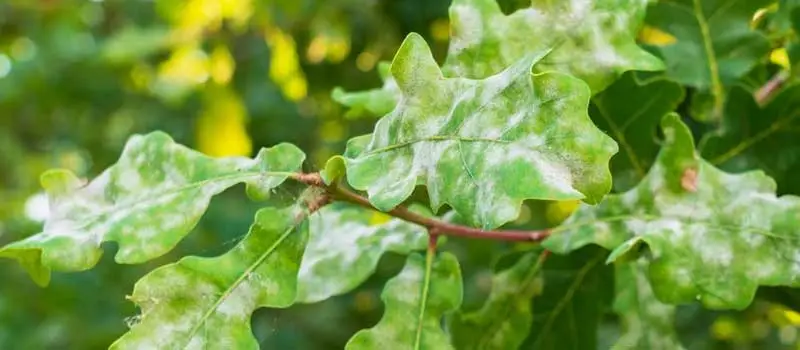
Kresoxim-methyl 50% WDG is a water-dispersible granule that contains 50% of the active ingredient strobilurin. It is a broad-spectrum fungicide. This fungicide is very important for keeping diseases under control in industrial farming because it stops fungus spores from germinating and mycelial growth. Farmers and people who sell agrochemicals depend on this product to keep diseases like powdery mildew, scab, and other blights away from high-value crops like apples, pears, grapes, grains, cucurbits, and sugar beets that hurt the crops' value. The formula's long-lasting defensive, curative, and eradicative effects make it essential for dealing with complex disease pressures in a wide range of growing environments.
Understanding Kresoxim-methyl 50% WDG and Its Mode of Action
The science behind this fungicide makes it stand out among current tools for protecting crops. Specifically, Kresoxim-methyl is a Quinone outside Inhibitor (QoI) under FRAC Group 11 and is in the strobilurin class. The chemical formula C18H19NO4 shows that it was made in a lab, but strobilurins were originally made from mushroom molecules that were released when wood broke down.
How QoI Inhibition Works in Disease Control
In fungus cells, this active chemical works by stopping mitochondrial respiration at the cytochrome bc1 complex. If fungi can't make energy through breathing, their seeds won't grow and the mycelium that is already there will stop growing. In contrast to contact-only fungicides, this compound moves across leaf tissue to cover both the top and bottom sides of the leaf. The vapour-phase transfer improves coverage even more by letting the active ingredient move quickly across the plant's surface and reach areas that haven't been treated yet.
Chemical Properties That Define Performance
The physical process of making Kresoxim-methyl affects its field performance. The white, crystalline, granular texture makes it easier to handle and minimises mixing dust. The chemical melts around 101–102°C and doesn't mix with water (2 mg/L at 20°C), therefore it clings well to waxy leaf surfaces. It resists rain and sticks nicely after an hour or two, after drying due to its lipophilic nature. At 20°C, the vapour pressure is 2.3 × 10⁻³ mPa, enabling disease-fighting shifts across leaf surfaces without requiring complete circulation.
The "greening effect" and disease-fighting properties of this fungicide make procurement managers cherish it. Even under severe stress, Kresoxim-methyl prevents leaf senescence and prolongs photosynthetic activity, improving crop vigour and yield quality.
Practical Applications and Safety Guidelines for Kresoxim-methyl 50% WDG
In order to use Kresoxim-methyl 50% WDG correctly, you need to know the best ways to use it and strictly follow safety rules. When commercial farmers and farming service providers use Kresoxim-methyl 50% WDG as part of full disease control plans, they get the best return on their investment.
Target Crops and Key Disease Indications
Apples and pears are constantly at risk from apple scab (Venturia inaequalis) and powdery mildew (Podosphaera leucotricha). Kresoxim-methyl controls infections by inhibiting sporulation. When you apply prophylactic sprays before an illness is crucial. Although they provide the highest protection, they may recover within 24 to 48 hours of the disease.
Grape farmers eliminate powdery mildew (Uncinula necator) using this herbicide throughout the season. Rain doesn't wash off the chemical because it adheres to fruit and leaf surfaces, safeguarding the fruit throughout crucial development phases. Powdery mildew (Sphaerotheca fuliginea) plagues cucurbit growers. This product's integrated pest control compatibility appeals.
Wheat and barley output benefits from Septoria leaf blotch, rusts, and powdery mildew (Erysiphe graminis) treatments. Applying during the flag leaf rise maximises disease management and natural greening, helping the grain fill up.
Erysiphe betae may affect sugar beetroot cultivation, like other crops. Timely treatments prevent root development and sugar accumulation in the leaf area.
Application Best Practices for Commercial Operations
Wet-mixable granules are superior to earlier powder compositions. Granular shape eliminates the danger of breathing in when handling and distributes swiftly in spray tanks without clogging automated spraying nozzles. The suggested treatment rate is 150–250 grams of product per hectare, depending on the crop and diseases. For optimal coverage, use 200 to 400 litres per acre for field crops and up to 1000 for heavy tree canopies.
Tank mixing requires planning. Kresoxim-methyl combines nicely with many toxins and fertilisers, but test it in a jar before combining it in bulk to prevent costly issues. Avoid alkaline formulae since they may break down the active ingredient.
Environmental Considerations and Safety Protocols
Being conscious of global impacts is responsible usage. According to research, this herbicide harms marine life and beneficial insects, notably bees. Avoid applications while flowers are blooming and insects are hunting. State rules demand buffer zones around water sources. Half-lives of many weeks are typical for the chemical in soil. So pre-harvest gaps and maximum residue limitations must be addressed.
Mixing and applying need long-sleeved shirts, trousers, chemical-resistant gloves and eye protection. Water Dispersible Granules reduce skin and lung contact compared to previous formulations, safety measures must be used.
Comparing Kresoxim-methyl to Other Fungicides: Making Informed Procurement Decisions
To make smart purchases, you need to know how Kresoxim-methyl 50% WDG fits into larger crop safety plans. Distributors and farm managers can make disease control programs work better by comparing performance traits, resistance profiles, and cost factors.
Strobilurin Class Comparisons
The main options in the QoI fungicide family are azoxystrobin and trifloxystrobin. Azoxystrobin is better in some cases where greater tissue penetration is needed because it works better in a wider range of plants and has a little more systemic activity through xylem transport. Some rust diseases in grains are more effectively controlled by trifloxystrobin. Kresoxim-methyl stands out because it has better vapour-phase diffusion and strong binding to leaf surfaces, which makes it very good at protecting plants and staying in place in the rain. Which strobilurin to use often relies on the types of diseases that are present, the crops that are grown, and how resistance is managed in that area.
Multi-Site Fungicides as Alternatives
Chlorothalonil, mancozeb, and copper-based fungicides all work in more than one way at the same time, which makes it much less likely that tolerance will emerge. These medicines can help with a lot of different kinds of diseases, but they don't usually last as long or have as many bodily benefits as strobilurins. A lot of farmers use multi-site fungicides in tank mixes or in a cycle with Kresoxim-methyl to get rid of diseases more effectively while reducing the risk of resistance. Chlorothalonil works especially well in high-pressure disease settings, but it is getting more and more closely looked at by regulators in some markets. Mancozeb is still widely used as a cheap foundation treatment, even though it needs to be applied more often because its leftover activity lasts less long.
Resistance Management Strategies
Fungicides with a single site of action, like Kresoxim-methyl, can become resistant if they are used over and over again without being rotated. As a FRAC Group 11 fungicide, target disease populations can't become resistant if it is only used two or three times during the growing season. It stays effective for a long time when you switch between or tank-mix different modes of action groups, like DMI triazoles (FRAC Group 3) or SDHI fungicides (FRAC Group 7). The most long-lasting way to protect crops is through integrated disease control plans that use cultural practices, host resistance, and different chemical modes of action.
Sourcing Kresoxim-methyl 50% WDG: Supplier and Procurement Insights
Crop security systems can only work if they have reliable sources of supplies. Ensuring quality, keeping the supply chain stable, and offering competitive prices all have a direct effect on how efficiently large-scale farming operations and transportation networks work.
Quality Certifications and Manufacturer Credentials
Reputable makers have strict quality control systems that are backed up by ISO certifications and follow Good Manufacturing Practices. The technical specs should make sure that the active ingredient is at least 50% pure, with few flaws that could affect its effectiveness or the safety of the crop. Important parts of quality assurance are batch testing records, shelf-life promises, and Material Safety Data Sheets. Suppliers who offer full regulatory support, such as registration paperwork, leftover data, and label compliance advice, are very valuable to wholesalers that are entering new markets.
Procurement Logistics and Supply Chain Considerations
Bulk purchase saves money for frequent buyers. Container loads (10–20 metric tonnes) have the best unit pricing. Suppliers have different minimum order quantities. From order to delivery, foreign deliveries take 4–8 weeks. You must plan ahead to align application windows with the seasons. Storage regulations emphasise keeping things cold, dry, and out of direct sunlight for two years.
Transportation difficulties include moisture-proof packing and compliance with hazardous product regulations. Building relationships with on-time suppliers prevents spray plans from being delayed during critical application windows. Distribution networks reward suppliers that provide a variety of packaging options, such as 100-gram sachets for small-scale markets and 5-kilogram containers for enterprise operations, since they satisfy a broad spectrum of clients.
Competitive Pricing Dynamics
Kresoxim-methyl 50% WDG prices change on the market depending on the cost of raw materials, the amount that can be made, and the demand trends in different areas. Knowing how these things work helps buying managers get better deals. Tiered price systems that reward loyalty and regular buying patterns are often unlocked by volume promises. Geographical factors affect the total delivered costs. For example, local providers may have better logistics than imports, even if their base prices are higher. This is because imports take longer to ship and clear customs.
Maximising the Value of Kresoxim-methyl 50% WDG in Your Crop Protection Strategy
When Kresoxim-methyl is strategically added to full crop protection plans, it gives measured results by stopping diseases, protecting yields, and improving quality. Real-life examples show how the right use of Kresoxim-methyl features can lead to real economic and agricultural benefits.
Disease Control Success in High-Value Crops
Scab management is usually good when big apple farmers use Kresoxim-methyl during infection seasons. Preventative methods limit the initial infection from overwintering ascospores from green tip to petal fall, and the second infection cycle later. Growers believe they can reduce cullage, keep fruit clean, and maintain market grades. Due to the lengthy residual effect (10–14 days under modest disease pressure), spray intervals may be short without compromising protection.
Vineyard managers who combat powdery mildew value its protective and healing properties. Early-season sprays safeguard shoots, while smart mid-season treatments throughout cluster development preserve fruit quality. Vapour-phase transfer may treat infection spots that contact sprays miss in hard-to-spray cluster areas. Harvest quality inspections indicate fewer illnesses and better-looking grapes that satisfy top wine grape criteria.
Resistance Management for Sustainable Performance
Disciplined pushback control is needed to keep a product working well. When Kresoxim-methyl is added to rotation programs that switch between mode-of-action groups, the selection pressure that leads to resistance development is stopped. Combining strobilurins with triazoles or SDHIs has been shown to be effective over a number of growth seasons. By keeping an eye on disease populations for changes in how sensitive they are, you can find new resistance early on and make changes to your approach before control fails. These preventative steps will make sure that strobilurin fungicides can be used in farming systems for a long time.
Future Innovations in Strobilurin Technology
Formulation changes that improve application speed and environmental profiles are still being looked into. Microencapsulation technologies offer longer-lasting residual action with fewer uses. Co-formulations combine goods with different but complementary modes of action to make application logistics easier and improve resistance control at the same time. As farming moves toward more precise application technologies, fungicide formulas that can be used with drones and variable-rate application systems will become easier for farms of all sizes to access. By keeping up with these new developments, procurement plans can take advantage of new possibilities that give them a competitive edge.
Conclusion
Kresoxim-methyl 50% WDG is a proven insecticide that manages diseases in several high-value crops. It protects, cures, and eliminates economically significant fungal infections, including scab, powdery mildew, and other plant diseases, with its unique QoI method of action. Businesses benefit from Water Dispersible Granule's handling safety and application speed. Knowing when to apply, how to manage resistance, and where to strategically put crops in integrated crop protection schemes maximises agronomic value. Purchasing managers benefit from working with reputable manufacturers that provide high-quality items and technical assistance. No matter what happens in agriculture, this fungicide will control infections to help crops thrive and produce money.
FAQ
1. What crops benefit most from Kresoxim-methyl applications?
Apples, pears, grapes, and other high-value fruit crops do very well at keeping scab and powdery mildew away. Septoria, rusts, and mildews are targeted by cereal farmers who grow wheat and barley. People who grow vegetables like cucurbits and sugar beets also get a lot of safety. The product can be used on a wide range of crop types that are susceptible to fungal diseases because it has broad-spectrum action and physiological effects.
2. How does this fungicide compare in environmental safety?
Kresoxim-methyl needs to be used carefully because it is harmful to water life and good bugs. Pollinators are protected when applications are not made during bloom, and environmental pollution is kept from entering water bodies through buffer zones. The combination doesn't last very long in soil; it usually breaks down over a few weeks. Following label limits and integrated pest management principles is the best way to protect the environment and control diseases at the same time.
3. Can organic farming operations use this product?
Kresoxim-methyl is a man-made fungicide that is not allowed in organic farming according to the USDA National Organic Program or similar foreign organic approvals. If organic farmers are looking for other ways to control diseases, they should think about sulfur-based products, copper-based products, and biological fungicides that meet the standards for organic certification.
Partner with Hontai for Reliable Kresoxim-methyl Supply
Kresoxim-methyl is made by Hebei Hontai Biotech Co., Ltd., a reliable company that specialises in high-quality pesticide solutions for industrial farming around the world. Our 50% WDG recipe meets strict quality standards and comes with all the testing and approval paperwork that is needed for B2B buyers to trust it. We know that big farming operations and distribution networks need a steady supply, prices that are affordable, and technical help that is quick to respond.
Our skilled sales team can help you choose the right product, tell you how to use it, and come up with resistance control strategies that are perfect for your crop protection needs. Fast global logistics make sure that your orders get delivered on time, which helps you stick to your production plans. Customisation choices let you meet the different packing and labelling needs of different markets.
Our global farming service gives your business the dependability it needs, whether you're in charge of thousands of hectares of land or sell agrochemicals in different regions. Email our team at admin@hontai-biotech.com to talk about prices for large orders, technical details, and how our Kresoxim-methyl products can help your crop protection programs.
References
1. Bartlett, D.W., et al. (2002). "The Strobilurin Fungicides: Discovery and Development of a Novel Class of Agricultural Compounds." Pest Management Science, Volume 58, pp. 649-662.
2. Gisi, U., Sierotzki, H., Cook, A., and McCaffery, A. (2002). "Mechanisms Influencing the Evolution of Resistance to Qo Inhibitor Fungicides." Pest Management Science, Volume 58, pp. 859-867.
3. Heaney, S.P., Hall, A.A., Davies, S.A., and Olaya, G. (2000). "Resistance to Fungicides in the QoI-STAR Cross-Resistance Group: Current Perspectives." Proceedings of the Brighton Crop Protection Conference on Pests and Diseases, Volume 2, pp. 755-762.
4. Leadbeater, A. and Staub, T. (2007). "Exploitation of Secondary Metabolites for the Discovery of New Fungicides." Modern Crop Protection Compounds, Wiley-VCH, pp. 107-134.
5. Sauter, H., Steglich, W., and Anke, T. (1999). "Strobilurins: Evolution of a New Class of Active Substances." Angewandte Chemie International Edition, Volume 38, pp. 1328-1349.
6. FRAC (Fungicide Resistance Action Committee). (2023). "FRAC Code List: Fungicides Sorted by Mode of Action." Fungicide Resistance Action Committee Publication, pp. 1-15.
Our customers’ satisfaction speaks for our quality — contact us to experience the same reliable service.