- English
- French
- German
- Portuguese
- Spanish
- Russian
- Japanese
- Korean
- Arabic
- Greek
- German
- Turkish
- Italian
- Danish
- Romanian
- Indonesian
- Czech
- Afrikaans
- Swedish
- Polish
- Basque
- Catalan
- Esperanto
- Hindi
- Lao
- Albanian
- Amharic
- Armenian
- Azerbaijani
- Belarusian
- Bengali
- Bosnian
- Bulgarian
- Cebuano
- Chichewa
- Corsican
- Croatian
- Dutch
- Estonian
- Filipino
- Finnish
- Frisian
- Galician
- Georgian
- Gujarati
- Haitian
- Hausa
- Hawaiian
- Hebrew
- Hmong
- Hungarian
- Icelandic
- Igbo
- Javanese
- Kannada
- Kazakh
- Khmer
- Kurdish
- Kyrgyz
- Latin
- Latvian
- Lithuanian
- Luxembou..
- Macedonian
- Malagasy
- Malay
- Malayalam
- Maltese
- Maori
- Marathi
- Mongolian
- Burmese
- Nepali
- Norwegian
- Pashto
- Persian
- Punjabi
- Serbian
- Sesotho
- Sinhala
- Slovak
- Slovenian
- Somali
- Samoan
- Scots Gaelic
- Shona
- Sindhi
- Sundanese
- Swahili
- Tajik
- Tamil
- Telugu
- Thai
- Ukrainian
- Urdu
- Uzbek
- Vietnamese
- Welsh
- Xhosa
- Yiddish
- Yoruba
- Zulu
Is difenoconazole systemic?
share:
Difenoconazole kills fungus all over the body. After being applied to the leaves or seeds, it goes deep into the plant's cells and protects all of its parts by going through the plant's vascular system. Triazole fungicides do more than just sit on the leaf surface, as contact fungicides do. Instead, it actively moves inside the plant, going after fungal pathogens wherever they show up, on leaves, stems, or new growth. Because it works on the whole body, difenoconazole is very good at getting rid of existing infections and stopping diseases from spreading to the whole plant cover.
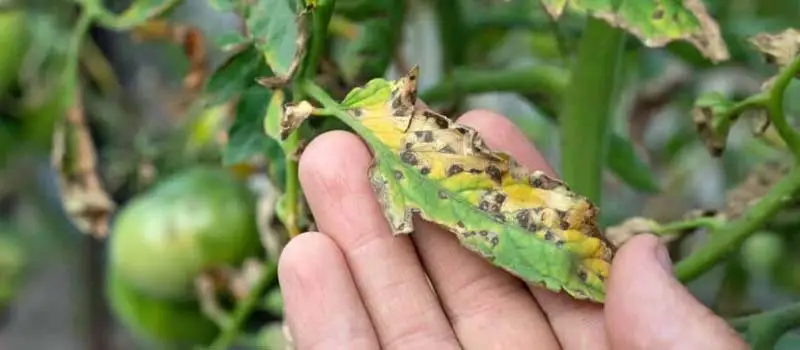
Understanding Difenoconazole and Its Mode of Action
You can find difenoconazole in the triazole chemistry class. It works as a Sterol Demethylation Inhibitor (DMI) and is in FRAC Group 3. Its molecular formula, C19H17Cl2N3O2, makes it a very powerful weapon against fungal diseases that hurt food quality and output all over the world.
How Systemic Movement Works
When difenoconazole is put on plant surfaces, it quickly absorbs into the leaf tissues because it is lipophilic. It usually stops working after one to two hours of rain. Once it gets inside the plant, it uses both xylem and localized translocation routes to cover all the treated areas and even the new leaves that are just starting to grow. Systemic fungicides move inside the plant, while protectant types stay on the outside and are easier to wash off.
During key growth stages, the systemic nature is very important. When growers use difenoconazole during blooming or fruit development, the active ingredient gets to tissues that are more likely to get diseases like powdery mildew, rust, and different leaf spot pathogens that external sprays might miss.
Mechanism of Fungicidal Action
By blocking the C14-demethylase enzyme, which fungi need to make ergosterol, an important part of their cell walls, difenoconazole inhibits fungus growth at the cellular level. Without effective ergosterol, the membranes of fungus cells become unstable, which causes them to grow in strange ways, change shape, and eventually die.
In this special way, this molecular interaction works to both stop and heal. If you use difenoconazole within 24 to 48 hours of the first attack, research shows that it can stop the growth of fungi. This is called "kick-back" action. This therapeutic window gives growers important freedom when bad weather delays spraying plans. This fixes a problem that has been a problem for a long time in disease management programs.
Agricultural workers who are in charge of large-scale activities on hundreds or thousands of hectares of land, like this dual-action character. Applications that stop infections before they happen protect field investments, and qualities that heal infections save crops when early signs of infection show up, lowering economic losses.
Application and Usage Instructions for Optimal Results
Systemic fungicides like difenoconazole 25% ec can help prevent diseases, but they need to be applied correctly and at the right time so that they can be absorbed and spread throughout the plant.
Recommended Application Practices
Hontai's difenoconazole 25% EC recipe has 250 grams of active ingredient per liter in an emulsifiable concentrate form that can be used for treating seeds or spraying on leaves. The best spread and uptake are achieved by diluting and spraying the substance correctly.
Foliar Application Timing: Apply during the early stages of illness growth or as a preventative measure before an infection. When you apply it in the morning, when the stomata are still open, it absorbs better. Focus on weak growth stages like flowers, fruit set, and fast vegetative growth. These are the times when tissues are most likely to be attacked by pathogens.
Dosage Guidelines: Application rates depend on the type of food, the number of diseases that are present, and the rules that apply in your area. Commercial farms usually use 100 to 250 ml of the product per plot, diluted as directed on the box. Always look at area standards and test things on a small scale before deploying them on a large scale.
Spray Intervals: You may need to do this again every 10 to 21 days, based on the number of diseases, the weather, and the crop's growth rate. Conditions with a lot of humidity or crop types that are easily damaged may need shorter gaps between applications to keep up defensive covers.
Tank Mixing and Compatibility
Difenoconazole mixes well with a lot of different agrochemicals, which means that it can be used to control both pests and diseases in one treatment. This compatibility cuts down on labor costs and machine use, which are important factors for big agribusinesses that want to run efficiently.
When you mix difenoconazole with fungicides that work well together, like azoxystrobin, you get strong binary formulas that work in more than one way. These kinds of mixtures address a wider range of diseases while keeping resistance from growing. Do not mix with highly alkaline goods like Bordeaux mixture, as the chemicals can react and make the mixture less effective. Doing jar tests before mixing on a big scale in a tank makes sure that the materials are physically compatible and stops expensive application failures.
Resistance Management Strategies
As a FRAC Group 3 fungicide, difenoconazole has a slight chance of resistance if it is used over and over again without stopping. For professional resistance control, switching between groups of fungicides and using multi-site protectants is necessary. Rotating difenoconazole applications with FRAC Group 11 strobilurins or multi-site contact fungicides protects the long-term usefulness of the product, keeping disease control stable across growth seasons and protecting the money spent on purchases.
These unified plans are in line with the ideas of sustainable farming that wholesalers and agribusinesses are giving more weight to when choosing which products to offer. Manufacturers like Hontai back these methods by giving technical advice and coming up with new formulations that work with all-around crop protection plans.
Safety and Environmental Impact Considerations
When fungicides are used in commercial farming, operators' safety, protecting the environment, and following the rules must all be carefully considered. These are important things that procurement professionals look at when choosing providers and goods.
Operator Safety Requirements
When handling and applying chemicals, people who handle them should wear the right safety gear, like chemical-resistant gloves, long-sleeved shirts, long pants, and eye protection. Difenoconazole is not very dangerous to animals when it is treated properly, but it is still best to avoid direct contact or breathing it in. Storage rules say that things must be kept in cool, dry places that are away from food and animal feed. Hontai makes personalized labels that make safety precautions, first aid steps, and proper dumping methods very clear. This helps companies around the world follow safety standards at work when handling azoxystrobin difenoconazole.
Environmental Behavior Profile
Knowing what happens to the environment helps buying managers judge a company's commitment to sustainability and its compliance with regulations. Difenoconazole stays in the soil for about 50 to 180 days, but this depends on the type of soil, the temperature, and the activity of microbes. This makes it harder for diseases to spread for a longer time, but it needs careful crop rotation and good land management.
Aquatic toxicity studies show that fish and aquatic animals are only moderately hurt by difenoconazole. Environmental damage is kept to a minimum by using buffer zones around bodies of water and following spread reduction methods. The chemical firmly attaches to soil particles, which lowers the chance of leaching into groundwater in usual farming situations.
Studies of the effects on helpful insects show that honeybees are not too poisonous as long as they don't come into close contact with the chemicals during blooming times. Integrated pest control programs time the use of fungicides with the activity patterns of pollinators. This protects both crop yields and the health of the environment.
Regulatory Compliance and Market Access
Major farming markets have set Maximum Residue Limits (MRLs) for difenoconazole in different crops. The US Environmental Protection Agency (EPA), the European Union, and other regulatory bodies have all done thorough reviews that back its registration for a wide range of crops, such as cereals, fruits, veggies, and oilseeds.
Products with unified international MRLs are especially valuable to agribusinesses that want to export. Difenoconazole is widely accepted by regulators, which makes it easier for businesses to follow the rules. This makes it easier for growers who feed global food chains to get into new markets. When procurement teams buy from makers like Hontai, they get a lot of legal paperwork that makes it easier to clear customs and get into new markets in a lot of different places.
Comparative Analysis: Difenoconazole vs Other Fungicides
In order to choose the best fungicide for a given farming situation, you need to know how they compare in terms of performance, cost, and ease of use.
Efficacy Comparison Across Fungicide Classes
Difenoconazole regularly works better than many other options against diseases that stick around on plant leaves. Difenoconazole beats older DMI fungicides like tebuconazole against powdery mildew on grapes and pome fruits, causing less phytotoxic stress, particularly when temperatures are high. It works against a wider range of viruses, including Ascomycete and Basidiomycete types that narrow-spectrum goods can't kill.
Difenoconazole has a greater healing effect than strobilurins like azoxystrobin alone. Strobilurins are great at keeping things safe, but they aren't very good at healing once an infection starts. Binary mixtures like azoxystrobin and difenoconazole use both of their strengths—strobilurin's ability to stop breathing and triazole's ability to damage membranes—to create synergistic control that lets you spray more often and better control diseases when pressure is high.
Propiconazole is an alternative triazole that works in a similar way, but it has smaller crop safety gaps and less effectiveness against some Alternaria and Cercospora species that are harmful to veggie crops. Difenoconazole has a good safety rating, so it can be used on sensitive plants like ornamentals and high-value vegetables where phytotoxicity worries make other options unavailable.
Cost-Effectiveness and Procurement Value
Fungicides that balance unit cost against performance life are more likely to be bought in bulk. Because it stays active for longer and can heal, difenoconazole only needs to be applied once a season, while purely protective fungicides need to be reapplied more often. This means lower costs for labor, less fuel use, and less wear and tear on equipment, all of which are important for big farms that manage thousands of acres.
Choices about formulation have an effect on total cost structures. Hontai's 25% EC formulation has a concentrated active ingredient that requires less shipping and storage room than options with lower concentrations. This saves money on transportation for wholesalers who serve regional markets. Volume savings on big orders help dealers and wholesalers build complete agrochemical portfolios, which increases their chances of making a profit.
Because the product can be mixed in tanks, fewer application trips are needed, which further improves working efficiency. Commercial farms say that using fungicides, insecticides, and foliar nutrients together in allowed compatibility conditions saves 20 to 30 percent on treatment costs compared to using each one separately.
Procurement Guide for Bulk Buying Difenoconazole
Getting around in the global agricultural supply chains means knowing what suppliers of difenoconazole can do, how to make sure quality, and what transportation issues need to be thought about to make sure difenoconazole products get delivered on time.
Supplier Selection Criteria
For procurement agreements to work, the producer must be trustworthy, the regulators must know what they're doing, and the supply line must be reliable. When looking at difenoconazole providers, check how stable their production capacity is, if they have quality control certifications, and if they can help with export paperwork. Manufacturers that have been serving foreign markets for a long time show that they know how to follow the rules in a number of different countries.
Hontai, which opened in May 2021 and is in Shijiazhuang, Hebei Province, is a current example of a pesticide company that serves B2B markets around the world. The company combines product creation, research, and sales. They offer difenoconazole 25% EC in flexible packaging and labeling choices that are good for OEM partnerships and private-label projects.
Quality Assurance and Technical Specifications
For professional buying to happen, technical factors must be checked carefully to make sure they meet international standards. Important measures of quality are:
- Active Ingredient Purity: High-Performance Liquid Chromatography (HPLC) tests show that premium technology concentrates keep purity levels at least 95–96%. Formulated goods, like 25% EC, should have the same quantity from batch to batch.
- Physical Stability: After normal storage tests, emulsion formulas must form stable, homogeneous mixtures that don't separate the oil or crystallize. For suspension extracts to work properly in the field, their suspensibility must be higher than 60–70%.
- Regulatory Documentation: Full details like CAS number (119446-68-3), EINECS number (213-997-4), and safety data sheets help with following regulations and getting goods through customs.
Hontai gives full technical information, like quality certificates, Material Safety Data Sheets (MSDS), and application guidelines. This lets buying teams check that the products are real and follow the rules before committing to big orders.
Logistics and Supply Chain Management
Fast global operations make sure that products are available on time, in line with the plans for seasonal farming. During peak planting and disease management windows, when application timing directly affects crop protection results, lead times, shipping reliability, and the ability to change order amounts become very important.
When you work with providers that offer online service 24 hours a day and professional technical help, you can get answers to your pressing questions during key decision times. Hontai's worldwide farming service network helps customers after the sale in all global markets by answering technical questions and resolving problems that come up during product rollout.
Flexible packaging meets the needs of a wide range of markets. Distributors who are making private-label goods can use customizable label choices to help their brands stand out, while standard packaging works well for direct-use applications. Bulk formulas in bigger barrels lower the cost per unit for people who use a lot of it and take care of a lot of land.
Conclusion
Systemic properties of difenoconazole control a wide range of fungal diseases, protecting food investments in a wide range of farming methods. Its internal translocation, dual preventive and curative action, and broad-spectrum effectiveness solve some of the most important disease control problems that industrial farms and pesticide wholesalers around the world face. Knowing the right time to apply, how to deal with resistance, and the benefits compared to other fungicides helps people make smart purchasing choices that improve both crop protection and operating efficiency. Integrating trusted manufacturers that offer quality assurance, regulatory knowledge, and quick technical help is the best way to make sure that complete crop protection plans work.
FAQ
1. What crops benefit most from systemic difenoconazole applications?
Systemic difenoconazole works really well on grains like wheat and rice, fruits like apples and grapes, veggies like potatoes and tomatoes, and specialty crops like bananas and oilseed rape. Its movement inside the plant guards developing tissues especially well, which makes it useful during the blooming and fruiting stages when sprays from the outside don't cover everything. Growers who want to export like that its MRLs are set across major markets, which makes it easier to follow international trade rules.
2. How quickly does difenoconazole start working after application?
If the conditions are right, absorption starts one to two hours after application to the leaf. For established infections, treatment works best when done within 24 to 48 hours of the initial fungal infection, before the infection spreads widely. Within three to five days, the disease usually stops spreading because the fungus stops growing and the spot stops getting bigger.
3. Can difenoconazole be used in organic farming systems?
No, difenoconazole is not allowed in recognized organic farming methods because it is a man-made fungicide. Organic farmers can only use biological controls and fungicides made from minerals that have been approved. However, traditional integrated pest control programs like difenoconazole because it works better and is better for the earth than older chemicals.
Partner with Hontai for Reliable Difenoconazole Supply
Hontai offers complete solutions that are made to fit the needs of businesses on a large scale when they need steady quality and quick service in the farming sector. As a company that makes difenoconazole and has production, technical know-how, and worldwide distribution capabilities, we help large-scale producers, regional wholesalers, and agrochemical service companies by providing a stable supply, reasonable pricing, and the ability to make difenoconazole formulations that fit their needs. Our professional team helps farmers in a wide range of situations by giving them technical advice, legal paperwork, and support after the sale. Get in touch with us at admin@hontai-biotech.com to talk about how our difenoconazole 25% EC can help your disease control program and how it can protect your crops.
References
1. Fungicide Resistance Action Committee. (2023). FRAC Code List: Fungicides Sorted by Mode of Action. Crop Life International.
2. United States Environmental Protection Agency. (2022). Reregistration Eligibility Decision for Difenoconazole. EPA Office of Pesticide Programs.
3. European Food Safety Authority. (2021). Peer Review of the Pesticide Risk Assessment of Difenoconazole. EFSA Journal.
4. Food and Agriculture Organization. (2020). Specifications and Evaluations for Agricultural Pesticides: Difenoconazole Technical and Formulations. FAO Plant Production and Protection Paper.
5. Russell, P.E. (2019). Sensitivity Baselines in Fungicide Resistance Research and Management. Crop Protection Research Monograph Series.
6. Bartlett, D.W., et al. (2018). The Strobilurin Fungicides and Triazole Combinations: Mechanisms, Resistance Management, and Agricultural Applications. Pest Management Science Journal.
Our customers’ satisfaction speaks for our quality — contact us to experience the same reliable service.