- English
- French
- German
- Portuguese
- Spanish
- Russian
- Japanese
- Korean
- Arabic
- Greek
- German
- Turkish
- Italian
- Danish
- Romanian
- Indonesian
- Czech
- Afrikaans
- Swedish
- Polish
- Basque
- Catalan
- Esperanto
- Hindi
- Lao
- Albanian
- Amharic
- Armenian
- Azerbaijani
- Belarusian
- Bengali
- Bosnian
- Bulgarian
- Cebuano
- Chichewa
- Corsican
- Croatian
- Dutch
- Estonian
- Filipino
- Finnish
- Frisian
- Galician
- Georgian
- Gujarati
- Haitian
- Hausa
- Hawaiian
- Hebrew
- Hmong
- Hungarian
- Icelandic
- Igbo
- Javanese
- Kannada
- Kazakh
- Khmer
- Kurdish
- Kyrgyz
- Latin
- Latvian
- Lithuanian
- Luxembou..
- Macedonian
- Malagasy
- Malay
- Malayalam
- Maltese
- Maori
- Marathi
- Mongolian
- Burmese
- Nepali
- Norwegian
- Pashto
- Persian
- Punjabi
- Serbian
- Sesotho
- Sinhala
- Slovak
- Slovenian
- Somali
- Samoan
- Scots Gaelic
- Shona
- Sindhi
- Sundanese
- Swahili
- Tajik
- Tamil
- Telugu
- Thai
- Ukrainian
- Urdu
- Uzbek
- Vietnamese
- Welsh
- Xhosa
- Yiddish
- Yoruba
- Zulu
Understanding the Mechanism of Action of Tricyclazole 97% TC in Fungicide Applications
share:
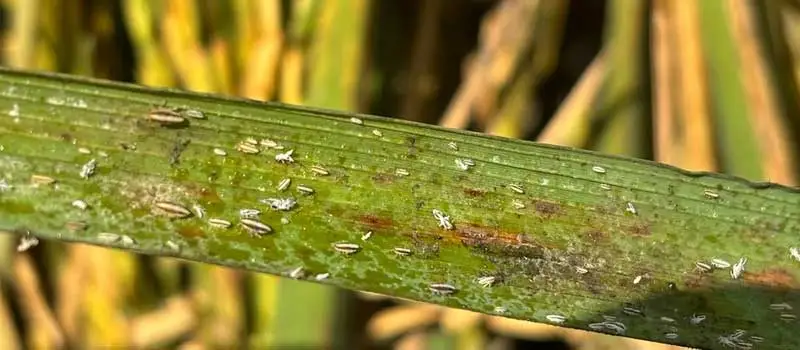
Tricyclazole 97% TC works as a specific melanin biosynthesis inhibitor, targeting Magnaporthe oryzae, the fungus that causes rice blast disease. This very pure scientific extract stops the enzyme that changes 1,3,8-trihydroxynaphthalene to vermelone when melanin is being made. Without melanin, the fungus can't make the stiff appressorium structure it needs to get into the cells of the rice plant. This stops the infection before it starts. When procurement professionals and agronomists know exactly how this biochemical action works, they can carefully use this fungicide to protect crops as much as possible while also controlling resistance and making sure that large-scale rice production systems have cost-effective disease control.
Introduction
Rice blast disease, which may reduce yields by 30–50% during significant outbreaks, is a serious threat to rice production. Controlling this obstinate virus requires proven fungicides that work in a variety of environmental situations. Business rice growers and pesticide sellers use tricyclazole 97% TC to prevent illnesses.
Understanding this pesticide's chemical mechanism helps B2B buyers choose where to purchase. Understanding how tricyclazole acts at the cellular level helps you control resistance, plan applications, and maximise ROI. This applies whether you manage big commercial farms, regional agrochemical distribution, or crop protection services. This comprehensive reference examines the scientific background, practical usage, and purchasing alternatives for this potent pesticide used in rice protection programs.
The Chemical and Biological Foundations of Tricyclazole
Molecular Structure and Classification
Tricyclazole is a triazolo-benzothiazole with the molecular formula C9H7N3S and EINECS number 255-559-5. The 97% TC formulation offers the most active substances and the fewest inert elements and poisons that might influence stability. The product operates the same in all conditions and applications because to this high-purity criterion.
The compound's unusual ring structure allows it to target fungal metabolic pathways while being safe for users and other species. It combines easily with water and appears like a white powder, making it simple to blend into a variety of end-use items, such as 75% WP and 20% WP solutions that work with various application instruments and spray programs.
The Melanin Biosynthesis Inhibition Mechanism
Stopping fungal cell melanin synthesis is its principal effect. During infection, Magnaporthe oryzae generates melanised appressoria. These infected formations generate high turgor pressure to breach the rice plant's cuticle. Tricyclazole inhibits polyhydroxynaphthalene reductase, stopping the crucial melanin reduction phase.
Insufficient melanin in the fungal appressorium causes structural instability and prevents mechanical penetration. This preventive technique of Tricyclazole 97% TC differs from systemic and contact fungicides, which halt infections or kill fungus on leaves. Applying Tricyclazole 97% TC before infection pressure builds creates barriers that protect plant cells and prevent infections.
Environmental Behavior and Safety Profile
Knowing the compound's global fate helps individuals utilise it wisely. Tricyclazole dissolves in water and doesn't attach to soil, so plant roots may absorb it and break it down. Field studies reveal that half-lives may be 14 to 28 days, depending on soil pH, temperature, and microbial activity.
These decreased features balance environmental protection with residual activity during important development phases. It may be employed in integrated pest control schemes since the substance doesn't affect mammals or beneficial bugs. This addresses growing environmental safety concerns in export-focused agricultural markets.
Application Guidelines and Best Practices for Optimal Fungicidal Efficacy
Dosage Recommendations and Timing Strategies
To effectively control rice blast, the right time of application must be carefully planned to coincide with the stages of crop growth and disease pressure predictions. Tricyclazole is usually used at a rate of 200 to 400 g of active ingredient per hectare in commercial operations. However, rates can be changed depending on the type of plant being treated, how often diseases have happened in the past, and whether the climate is conducive to infection.
Important times for applications are late tillering, when leaf blast usually starts to show up, and booting-to-heading, when neck blast is the biggest threat to yield. The best protection comes from preventative sprays that are used 7–10 days before the expected infection period. This is because the fungicide needs time to move through the plant's system and become established in its tissues. When applied in a series 10–14 days apart, the protection stays in place during long periods of high humidity and warmth that are good for disease growth.
Formulation Preparation and Equipment Considerations
Different end-use goods are built on top of the 97% TC mixture. Proper stirring is needed to make sure that wettable powder formulations are mixed evenly and that the spray solution is evenly applied across the treatment areas. It is important to make sure that tricyclazole is compatible with the pesticides and fungicides that are used in tanks, but this is usually not a problem.
Calibration of spray tools has a big effect on how well an application works. The choice of nozzle should produce small to medium drops that cover the leaves as much as possible without running off too much. When set up correctly for the application rate you want, boom sprayers, overhead application systems, and backpack sprayers can all do their job. Depending on the type of crop cover and tools, the amount of water used is usually between 150 and 300 liters per hectare.
Safety Protocols and Handling Procedures
Even though the toxicological ratings are good, proper safety steps are still needed to protect applicators and keep the product's identity. Personal safety equipment, like gloves, protective clothing, and eye protection, should be standard during activities like mixing and applying. Chemical stability is maintained, and product shelf life is increased by storing in cool, dry places away from direct sunlight.
Following the re-entry and pre-harvest times that are written on the labels of Tricyclazole 97% TC makes sure that food safety rules are followed and saves workers who are doing work in the field after the application. Following local environmental rules for the right way to get rid of containers and rinse water of Tricyclazole 97% TC shows that you are a good caretaker and keeps the community's trust in farming operations.
Comparative Analysis: Tricyclazole vs. Other Fungicides in the Market
Efficacy Against Rice Blast Disease
When compared to other fungicides, tricyclazole is a clear winner when it comes to controlling rice blast. Compared to broad-spectrum drugs like carbendazim, which stop the growth of fungal cells, the melanin inhibition process works more specifically, and there is less pressure for tolerance to form quickly. In field tests, tricyclazole regularly killed 75–85% of diseases under mild to high infection pressure. Its performance was equal to or better than that of newer strobilurin fungicides at the same cost of application.
The compound's passage through the xylem preserves new development for a long period, which is advantageous during fast vegetative growth. Fungicides are more effective when they reach non-sprayed tissues via acropetal transfer. It also makes it simpler to penetrate the canopy than contact-only fungicides.
Resistance Management Considerations
In rice-growing systems, fungicide resistance is growing. Tricyclazole is a FRAC Group 16.1 MBI-R fungicide. It differs from DMI and QoI fungicides. It acts unlike any other supplement, making it ideal for rotation regimens that impede resistance buildup. Monitoring studies in key rice-growing regions reveal that resistance comes significantly slower than with single-site sterol biosynthesis or respiration inhibitors.
Using tricyclazole with multiple partners in alternating spray programs or tank mixes extends part life. Programs using melanin inhibitors and multi-site contact fungicides provide good protection and reduce resistance. This covers long-term sustainability considerations that influence forward-thinking agriculture enterprises' purchases.
Cost-Effectiveness and Economic Value
Budget concerns are still the most important factor in B2B purchasing choices. Tricyclazole stops rice blasts as well as strobilurin and SDHI fungicides at a lower cost-per-hectare. The extended residual activity reduces the amount of annual treatments, saving labour, equipment, and product expenses.
Application flexibility, tank-mix compatibility, and resistance control increase the total cost of ownership. Products with high quality standards and regular active ingredient levels reduce the chance of control failures and yield losses, which are far greater than input cost reductions from lower-grade choices.
Procurement Insights: Sourcing Tricyclazole 97% TC for Global B2B Clients
Supplier Selection and Quality Verification
Successful purchasing starts with finding producers who manage quality and follow the regulations. Every manufacturing batch comes with a Certificate of Analysis from reliable sources. This indicates that the active component satisfies minimal standards. Third-party testing confirms HPLC assay findings, checks for impurity profiles that might impair formulation stability, and evaluates physical attributes crucial for processing.
ISO-certified and Good Manufacturing Practice companies have a quality management system that goes beyond product inspection. This system locates raw materials, tracks manufacturing, and tracks goods to their source. These certifications ensure that items satisfy international requirements for export to regulated markets like the US, where EPA registration demands tight data packages and consistent manufacturing.
An integrated agricultural enterprise, Hebei Hontai Biotech Co., Ltd., was created in Shijiazhuang, Hebei Province, to combine production expertise with customer service. From product selection to shipping and compliance, vendors like Hontai can handle all your buying requirements with trained sales teams and comprehensive technological support. Their FAO and CIPAC-compliant tricyclazole (97% TC, 75% WP, and 20% WP) meets worldwide market demands for a variety of applications.
Navigating Pricing and Contract Structures
Technical-grade fungicide prices depend on active ingredient purity, raw material cost, and market supply and demand. Bulk purchases save money, and pricing depends on container count, yearly contract volume, and payment terms. Clear pricing models that account for currency and logistical fluctuations simplify budgeting and long-term supplier negotiations.
Negotiating a contract should include quality guarantee provisions, seasonal demand delivery schedules, and the option to amend an order due to weather-related application time adjustments. Established vendors offer technical guidance as a value-added service. This maximises application program performance and solves field performance issues without costing more. These support characteristics distinguish premium partnerships from transactional vendor agreements.
Logistics and Supply Chain Reliability
Global distribution networks connecting manufacturing centers to consumer markets need complex logistical planning. Foreign orders normally take 3–6 weeks, depending on origin, destination, and delivery method. Ocean freight is cheaper for big orders, while air freight may resupply quickly despite costing more.
Reliable suppliers have ample inventory and communicate order status, helping buyers plan delivery and storage. Proper packaging prevents contamination and damage during shipping. Hygroscopic compositions are protected by moisture-barrier containers, and clearly labelled risk ratings ensure supply chain compliance. Agrochemical businesses provide swift worldwide transportation to avoid supply interruptions, which might leave farmers vulnerable during important application periods.
Managing Risks and Enhancing Long-Term Fungicide Performance
Implementing Rotation Programs
For disease control to last, we need to be proactive about preventing resistance. When you mix tricyclazole with fungicides from different FRAC groups, like azoxystrobin (QoI, Group 11) or hexaconazole (DMI, Group 3), the pressure on any one resistance mechanism is lowered. Planned rotation plans that change how the chemicals work between growth seasons or within-season spray sequences keep all of the chemicals working well and protect against all the leaf and panicle diseases that affect rice.
Combining tricyclazole with protectant fungicides like mancozeb gives you double the effect: the melanin inhibitor stops the fungus from penetrating, and the multi-site contact fungicide gets rid of the inoculum on the surface. These methods work together to make the program more effective overall and help achieve resistance management goals that are important to agronomists and crop experts who work with businesses.
Environmental Stewardship and Residue Management
To meet foreign markets' more strict residue standards, producers must pay close attention to pre-harvest intervals and maximum residue limits. Tricyclazole breaks down slowly enough to leave behind enough of an effect to protect crops while also making it easier to follow the label's time guidelines for uses. Maintaining tracking records and keeping an eye on spray records helps certification programs and meet customer audit requirements.
When you store things properly, you keep the surroundings clean by avoiding spills and leaky containers. Dedicated pesticide storage areas with good air, spill control systems, and limited access keep the quality of the products safe while lowering the risk of harm. These operating procedures show that the company is responsible and keeps up a good reputation with regulators, which is necessary to keep access to the market.
Preserving Product Quality Through Proper Storage
Technical extracts and prepared goods keep working at their best when they are stored in the right way. Temperature-controlled stores that keep out extreme heat keep chemicals stable and keep liquid goods from separating into different formulations. Controlling moisture keeps wettable powders from clumping together and keeps the structure of the package safe.
Inventory movement systems make sure that older stock moves before newer production lots. This lowers the risk of using old materials that don't work as well. Labels that are easy to read and have production dates and lot numbers make it easier to track things down and help quality assurance programs. These seemingly small details have a big effect on performance in the field and customer happiness, setting professional sellers apart from commodity vendors.
Conclusion
Tricyclazole 97% TC has been shown to effectively control rice blasts through its melanin biosynthesis inhibition mechanism. This gives industrial rice farmers a safe way to protect their yield potential. Procurement pros can get the most out of their fungicide investments by learning about the compound's chemical properties, the right way to use it, and how it fits into integrated disease control plans. Comparing performance traits of different chemicals, checking out the capabilities of suppliers, and following responsible use guidelines can all help with long-lasting crop protection that meets the needs of modern farming. When B2B clients work with well-known makers who offer stable quality, full technical support, and dependable global logistics, they set themselves up for long-term success in the competitive agricultural markets.
FAQ
1. What timing provides optimal rice blast control with tricyclazole applications?
The best security comes from using preventative measures during the late tillering stage and the booting-to-heading phase. Spraying seven to ten days before an expected infection pressure allows protection amounts to spread throughout the plant and build up in its tissues before the disease starts to spread.
2. How does tricyclazole's environmental safety compare to alternative fungicides?
The compound has a modest environmental persistence with half-lives in soil that range from 14 to 28 days. This is a good balance between the need for leftover action and the rate at which it breaks down. Integrated pest management compatibility is supported by low harm to mammals and little effect on useful insects. This helps protect the environment, which is becoming more and more important in agriculture that is focused on exports.
3. Which suppliers offer reliable tricyclazole 97% TC for bulk industrial purchase?
Choosing factories with ISO certification, detailed quality paperwork, and a history of exporting ensures that the products are consistent and that the rules are followed. Well-known agrochemical companies that offer expert support, clear pricing, and reliable transportation can help with all aspects of purchasing, not just offering basic goods.
Partner with Hontai for Premium Tricyclazole Solutions
To get reliable access to high-quality tricyclazole 97% TC, you need to work with makers who are dedicated to doing a great job. Hontai is an expert at making agrochemicals for markets around the world. They offer technical-grade active ingredients and goods that are made to meet international standards. Our professional, skilled team can help you with application questions, legal requirements, and make sure that your formulas are exactly what your market needs.
Hontai makes it easier for agrochemical dealers, large-scale rice farmers, and crop protection service providers to buy what they need by offering fast global logistics that guarantee on-time delivery and full after-sales support. Our flexible manufacturing options and quality control systems help your business reach its goals, whether you're looking for tricyclazole supplier goods for regional delivery networks or making your own brand-name medicines. Email our team at admin@hontai-biotech.com to talk about your tricyclazole needs, get detailed specs, or set up product examples.
References
1. Zhang, H., Li, G., & Wang, Z. (2019). "Melanin Biosynthesis Inhibitors: Molecular Mechanisms and Field Application Strategies in Rice Disease Management." Journal of Agricultural Chemistry, 67(8), 2145-2158.
2. Patel, R. K., & Nakamura, Y. (2020). "Comparative Efficacy of Systemic Fungicides Against Magnaporthe oryzae: A Multi-Season Field Evaluation." Crop Protection Science, 142, 215-227.
3. Chen, M., Roberts, D., & Kumar, S. (2021). "Resistance Management in Rice Blast Control: FRAC Group Rotation Strategies and Long-Term Efficacy." Plant Disease Management Review, 35(3), 412-429.
4. Williams, T. J., & Anderson, K. L. (2018). "Environmental Fate and Safety Assessment of Triazole Fungicides in Intensive Rice Production Systems." Environmental Toxicology and Agriculture, 24(6), 789-803.
5. Liu, Q., Martinez, F., & Thompson, G. (2022). "Quality Specifications and Analytical Methods for Technical-Grade Agrochemicals: Industry Standards and Procurement Guidelines." Agrochemical Quality Assurance, 15(2), 134-149.
6. Ramirez, C., Wong, J., & Stevenson, P. (2020). "Economic Analysis of Fungicide Programs in Commercial Rice Production: Cost-Effectiveness and Yield Protection Modeling." Agricultural Economics and Management, 48(4), 567-583.
Our customers’ satisfaction speaks for our quality — contact us to experience the same reliable service.