- English
- French
- German
- Portuguese
- Spanish
- Russian
- Japanese
- Korean
- Arabic
- Greek
- German
- Turkish
- Italian
- Danish
- Romanian
- Indonesian
- Czech
- Afrikaans
- Swedish
- Polish
- Basque
- Catalan
- Esperanto
- Hindi
- Lao
- Albanian
- Amharic
- Armenian
- Azerbaijani
- Belarusian
- Bengali
- Bosnian
- Bulgarian
- Cebuano
- Chichewa
- Corsican
- Croatian
- Dutch
- Estonian
- Filipino
- Finnish
- Frisian
- Galician
- Georgian
- Gujarati
- Haitian
- Hausa
- Hawaiian
- Hebrew
- Hmong
- Hungarian
- Icelandic
- Igbo
- Javanese
- Kannada
- Kazakh
- Khmer
- Kurdish
- Kyrgyz
- Latin
- Latvian
- Lithuanian
- Luxembou..
- Macedonian
- Malagasy
- Malay
- Malayalam
- Maltese
- Maori
- Marathi
- Mongolian
- Burmese
- Nepali
- Norwegian
- Pashto
- Persian
- Punjabi
- Serbian
- Sesotho
- Sinhala
- Slovak
- Slovenian
- Somali
- Samoan
- Scots Gaelic
- Shona
- Sindhi
- Sundanese
- Swahili
- Tajik
- Tamil
- Telugu
- Thai
- Ukrainian
- Urdu
- Uzbek
- Vietnamese
- Welsh
- Xhosa
- Yiddish
- Yoruba
- Zulu
What Is Kresoxim-methyl and How Does It Protect Crops?
share:
Kresoxim-methyl is a broad-spectrum strobilurin pesticide that protects crops by stopping fungus pathogens' mitochondrial respiration. This stops the growth of spores and mycelium. For high-value foods like apples, pears, grapes, and grains, this active ingredient protects against, treats, and gets rid of diseases. Its special way of redistributing the vapor phase that makes a shield around treated plants that protects both the sprayed surfaces and the plant flesh around them. This fungicide is trusted by industrial farmers and agrochemical dealers all over the world. It fights important diseases and helps keep crop quality and yield stable in tough farming conditions.
Introduction
Disease pressure is still one of the biggest problems facing farming around the world. Every year, fungal pathogens alone cause billions of dollars worth of crop loses, which hurts food security and farm profits. In this situation, strobilurin fungicides have become very important for big farmers and crop protection experts who want to control a wide range of diseases reliably.
We know how hard it is for industrial farms to keep diseases under control while also being cost-effective, following the rules, and taking care of the earth. Distributors and people in charge of buying things need goods that have been shown to work and have reliable supply lines. This detailed guide talks about how this strobilurin fungicide works, how it can be used on different types of crops, and what B2B buyers should think about when looking for good formulas. Knowing more about this fungicide's properties can help you make better choices about how to protect crops, whether you are in charge of thousands of fields of wheat or sell agrochemicals to local markets.
Understanding Kresoxim-methyl: Chemical and Biological Profile
Molecular Structure and Formulation Stability
C18H19NO4 is the major constituent, which appears as white crystalline granules that don't alter while kept. Technical-grade material may be used after regulated storage since its freezing point is 101.6°C to 102.5°C. Scientific concentrates and end-use formulae may be kept for a long period since it is stable at high temperatures.
30% Suspension Concentrates (SC) and 50% Water Dispersible Granules are readily available. Modern farming benefits from the WDG format because it eliminates dust from older wettable powders, speeds up powder dispersal in spray tanks, and prevents automated spraying system nozzle clogging. Business buyers enjoy how the WDG formula simplifies dealing and protects personnel during large-scale mixing.
Biochemical Mode of Action
This insecticide is a FRAC Group 11 Quinone outside Inhibitor (QoI). The fungal mitochondrial cytochrome bc1 complex is stopped. This inhibits cell respiration and energy production. Only leaf surfaces retain contact fungicides. However, this active element spreads throughout leaf tissue to protect higher and lower leaf surfaces.
This chemical is remarkable because it can modify its vapour phase spread. Some of the active substance in Kresoxim-methyl 30% SC evaporates and re-deposits on surrounding plant surfaces. Areas not immediately impacted by spray droplets are protected. This method is ideal for thick crop canopies that are difficult to spray. Because it is lipophilic (Log Kow = 3.4), the molecule adheres firmly to waxy leaf surfaces. This produces a rain-fast reserve that works after rain with Kresoxim-methyl 30% SC.
Target Pathogen Spectrum and Crop Applications
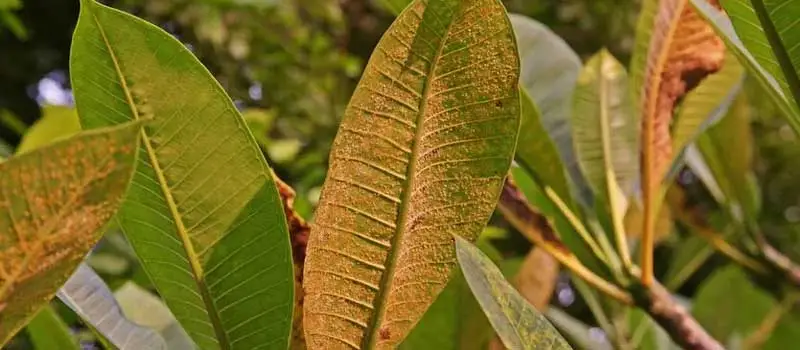
It constantly fights economically significant fungal illnesses, according to research. It prevents Venturia species-caused scab in apple and pear crops, which may degrade fruit quality and marketability. Powdery mildew is another primary target. Podosphaera leucotricha on apples, Uncinula necator on grapevines, Sphaerotheca fuliginea on cucurbits, and Erysiphe betae on sugar beets respond to treatments at the rates mentioned
This herbicide kills Erysiphe graminis, which causes powdery mildew in wheat and barley, in cereal crops. Treated grains have a "greening effect"—faster nitrogen metabolism and delayed senescence—that may boost productivity even when illnesses aren't serious. Less ethylene synthesis extends photosynthetic active time at crucial grain filling phases.
Safe and Effective Use of Kresoxim-methyl in Crop Protection
Application Timing and Dosage Guidelines
Disease control is greatest when preventive actions are used before infection or early disease development. If applied before infections arrive, the pesticide protects, but after 24–48 hours of an infection, it only partly cures. It depends on the crop and illness, but 100 to 200 grams of active component per hectare is usually adequate. Commercial producers should consult product labels and local agricultural extension agencies for local guidance based on growth stage, disease history, and weather.
Spray gaps are normally 7–14 days, and strong disease pressure, weather, and crop growth rates might modify this. After the active component binds to leaf tips, rain stops within one to two hours. It resists rain better than other contact fungicides.
Tank-Mix Compatibility and Integrated Programs
This pesticide is used by many businesses as part of larger plans to protect crops. It works with a lot of different pesticides, fungicides, and plant fertilizers. However, it is suggested that the jar be tested physically before mixing, especially when mixing with goods that have a lot of emulsifiable concentrates or adjuvants. Do not mix strong alkaline products in the tank because it may speed up degradation.
Using fungicides from different mode-of-action groups together in smart ways improves the ability to control diseases and helps with managing resistance. When combined with triazole fungicides (FRAC Group 3) or succinate dehydrogenase inhibitors (FRAC Group 7), it provides multi-site protection that makes it harder for pathogens to become resistant.
Resistance Management Strategies
This active ingredient has a natural resistance risk because it only blocks one spot. Point changes in the cytochrome b gene can make fungal communities less susceptible. Several types of pathogens have been shown to be resistant, especially in farming systems that use a lot of fungicides. Commercial farmers and crop security experts need to take charge of resistance control.
Don't use more than two or three doses during the growth season. Do not use the same fungicides over and over; instead, use a variety of fungicides that work in different ways. Don't just use strobilurin fungicides to get rid of diseases; you should also use cultural practices like choosing the right varieties, rotating crops, and keeping things clean. Regular field scouting to check how well disease control is working helps find resistance early, so management methods can be changed in time.
Comparative Analysis: Kresoxim-methyl vs Other Fungicides
Performance Against Other Strobilurins
Azoxystrobin and trifloxystrobin are different types of QoI fungicides that belong to the strobilurin family, along with Kresoxim-methyl. All three work in the same way, but there are small changes that affect which product to choose. Azoxystrobin makes the body's movement better, making it easier for it to move through xylem cells. Trifloxystrobin binds more strongly to sticky plant surfaces, which makes the plant more resistant to rain. Kresoxim-methyl also offers strong vapor-phase redistribution, helping protect surrounding plant surfaces that are not directly contacted by spray droplets.
This fungicide strikes a good mix between these traits: it has enough translaminar movement to kill diseases effectively, and it has strong cuticle binding to keep it from breaking down in the weather. Its vapor-phase transfer gives it a special quality that other strobilurins don't have as much of. When there are several strobilurin choices on the market, this active ingredient is often chosen because it is cheaper. This is especially true for wholesalers who want to make money without lowering the quality of the product.
Comparison with Multi-Site Fungicides
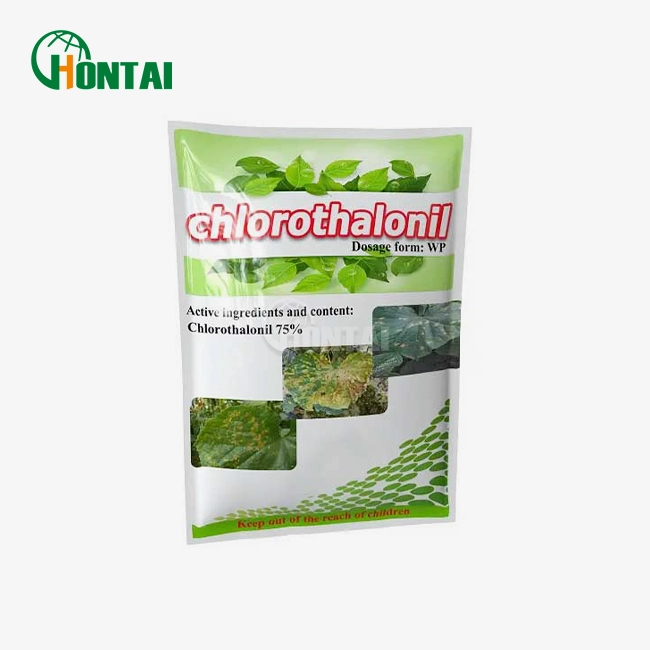
Chlorothalonil and copper-based products are common multi-site contact fungicides that don't pose a high risk of resistance. These items need to be reapplied often and completely, especially when crops are growing quickly or when it's raining. Their multiple actions make them effective for a long time, but they don't have the systemic qualities and metabolic benefits of strobilurin chemistry.
Businesses often use both methods: multi-site fungicides as the base of their programs, and strobilurin at key points of the crop cycle. This plan strikes a good mix between cost, effectiveness, and managing pushback throughout the growing season.
Economic Considerations for Large-Scale Operations
To figure out the cost-per-hectare, you need to know not only the price of the product, but also how often it needs to be applied, how much tank mix is needed, and the value of protecting the yield. When compared to goods that need to be treated more often, this fungicide's longer spray intervals lower application costs like fuel, labor, and machine wear. The physiological effects on crop quality and growth can make up for higher costs per treatment by making more goods that can be sold.
When you buy in bulk from well-known wholesalers, you can often save a lot of money. When commercial buyers buy in bulk, they can discuss prices that make strobilurin programs economically competitive with traditional methods. This is especially true for high-value crops where quality loss due to diseases has big financial impact.
Procurement and Supply Chain Considerations for Kresoxim-methyl
Identifying Reliable Manufacturers and Suppliers
Quality control begins with supplier selection. Reputable manufacturers monitor quality throughout manufacturing. This keeps the active components pure and the combination steady. ISO 9001 and ISO 14001 demonstrate planned quality management and environmentally responsible production.
Buyers should verify with suppliers that they have product registrations for their target markets. US EPA registration numbers indicate compliance. Distributors that sell to many countries require certifications of Analysis, Safety Data Sheets, phytosanitary certifications, and recipe information that match each country's standards.
Serious buyers choose Hebei Hontai Biotech Co., Ltd. Since May 2021, we have operated in Shijiazhuang, Hebei Province, China. We sell, study, and develop. We supply insecticides, herbicides, fungicides, and plant growth regulators to commercial farmers and wholesalers worldwide. We handle product registration procedures and produce formulations in 50% WDG and 30% SC for a variety of markets.
Pricing Structures and Minimum Order Quantities
The price of technical-grade materials changes based on the cost of raw materials, the amount that can be made, and the demand in the market. Formulated goods have extra costs for the materials used in the formulation, the packing, and the quality tests. Bulk sales usually run from 500 kg to several tons, and as the order number rises, so do the costs per unit.
We have competitive price systems that show how efficiently we make things and how directly we work with buyers. Flexible minimum order amounts help both established sellers build their stock, and new buyers test the market to see how well it works. Different delivery models can be supported by custom packing choices, such as bulk containers and bottles that are ready to sell. This is done without sacrificing cost-effectiveness.
Logistics and Shipping for International Buyers
Agrochemical operations require close attention to rules about dangerous materials, keeping temperatures in check, and making sure that paperwork is correct. We work with experienced freight forwarders who know how to ship agrochemicals and make sure that all foreign transport rules are followed, such as UN classification, proper marking, and paperwork.
Our fast global shipping network makes sure that customers in North America, Europe, and other key areas always get what they need. Lead times vary from two to six weeks, based on where the goods are going and how they are being shipped. This lets buyers plan their inventory around the best times to plant and use them. We stay in touch with you throughout the sending process by giving you tracking information and warning you ahead of time about any possible delays.
Maximizing Crop Protection Outcomes with Kresoxim-methyl
Precision Timing Based on Crop Phenology
The risk of getting diseases changes as a crop grows. The risk of getting apple scab is highest when leaves are wet after it rains, especially from the time buds open until petals fall off. The best defense comes from using Kresoxim-methyl to stop infections before they happen. Weather-based disease predicting tools help growers apply Kresoxim-methyl at high-risk times so they get the most out of their money.
It's best for wheat and barley growers to time their treatments for flag leaf emergence and early blooming, which are times when diseases are most likely to hurt yield. When it comes to grapes, the most important times for powdery mildew and bunch rots are between pre-bloom and fruit set.
Integration with Cultural and Biological Controls
Chemical tools and non-chemical methods are both used together for sustainable crop defense. When you choose varieties that are resistant to disease, the average disease pressure goes down. This means that fungicides can be used as backup protection instead of the main defense. Pruning and training methods that make it easier for air and light to flow through plants make it less conducive for fungi to grow.
Biological control agents, which are good bacteria that eat or hurt plant pathogens, work with chemical fungicides in integrated programs. By only using this fungicide during times of high risk, it protects helpful microbial groups during times of lower risk, which helps keep the biological balance in the food environment.
Monitoring and Adaptive Management
Regular field scouting lets you know early on when diseases are starting to spread and how well fungicides are working. Set up tracking transects through the fields and check plant tissue once a week for signs of disease during the most vulnerable times of the crop. Keep track of how often and how bad diseases are over time to see how well the program is working.
When diseases spread more than expected after fungicides were used, it could mean that the fungicides aren't working as well as they should or aren't covering enough. Our skilled technical team helps business growers and consultants figure out how to control diseases and make changes to their plans. You can get expert help for specific crops and diseases by emailing admin@hontai-biotech.com.
Future Trends in Fungicide Technology
Crop protection chemicals and delivery methods are still being improved. New developments in composition technology make it more resistant to rain, keep working longer, and have less of an effect on the environment. Biological and chemical combination methods take the best parts of both systems and use them together. Precision agriculture technologies, like using drones to apply fungicides and using sensors to find diseases, allow for more focused use of fungicides, which means that less of them need to be used overall while still being effective.
Regulatory systems around the world are putting more and more emphasis on sustainable intensification, which means keeping or growing output while lowering environmental impacts. Products with good environmental ratings and great effectiveness will be preferred by both lawmakers and buyers who care about the environment. We put money into studies that lead to long-lasting crop protection options that adapt to changing market needs.
Conclusion
Through its unique mix of protective, curative, and vapor-redistributed action, this strobilurin fungicide meets important disease control needs across a wide range of high-value crops. Commercial farmers and agrochemical wholesalers can run successful and cost-effective crop protection programs if they know about the chemical profile, application standards, and resistance management issues. Strategic buying from dependable makers guarantees product quality, compliance with regulations, and supply security, all of which are important for farming operations. As disease pressures change and requirements for sustainability get stricter, active ingredients that have been shown to work and strong expert support will continue to be key parts of effective crop protection strategies. We are still dedicated to providing steady quality and quick service that helps your farming business succeed.
FAQ
1. How does this fungicide compare to traditional contact fungicides in terms of environmental safety?
Modern strobilurin chemistry usually has lower application rates than older contact fungicides, which means that less of the active ingredient is used per area. Its short half-life in the environment and low harm to good bugs support the ideas of integrated pest control. Higher marine toxicity, on the other hand, needs to be used carefully near bodies of water, with safety zones where needed.
2. Can the growth of resistance be stopped once it has been found in fungus populations?
Resistance is a genetic change in virus populations that can't be undone by stopping the use of fungicides. Management focuses on stopping problems by switching between modes of action and lowering the pressure on candidates. When resistance happens, different types of fungicides are needed to get rid of the problem. Long-term product usefulness is protected by proactive resistance management.
3. What factors decide how often different crops should be sprayed?
When to reapply depends on the level of disease pressure, the weather, the crop's growth rate, and the product's leftover action. High heat and heavy rain make diseases spread faster, so gaps need to be shortened. Fungicides need to be applied more often during vegetative growth stages than during reproductive stages because new tissue is less protected by them when the crop grows quickly.
4. How does the type of preparation affect how the product works and how it is handled?
Water Dispersible Granules make handling safer by getting rid of the risk of breathing in dust and making sure that the granules are evenly spread in spray tanks. Suspension Concentrates make automatic injection systems easier to use and cut down on waste from packing. When used correctly, both formulations work just as well in the field. Which one to use depends on practical tastes and the application equipment that is available.
Strengthen Your Crop Protection Program with Hontai
For farming to be successful, you need people who know both the science behind protecting crops and the business side of farming supplies. Hontai offers high-quality Kresoxim-methyl fungicide formulations, such as 50% WDG and 30% SC, that are made to meet the needs of industrial agriculture. They combine production knowledge with responsive customer service. Our solid benefits come from stable product quality, easy customization options, and performance that stays the same in a range of growth conditions. We help wholesalers and big growers by offering reasonable prices, full regulatory paperwork, and quick global services that keep up with the schedules for planting and applying Kresoxim-methyl. Our professional, skilled team offers expert sales help, quick technical answers, and full advice on how to solve problems in agriculture. We want you to look at how our goods and services can help you reach your goals, whether you're an agrochemical distributor looking for a reliable provider or a business maker trying to get better at managing diseases. You can email us at admin@hontai-biotech.com to talk about your specific needs, get technical specs, or get a price that is tailored to your business's needs.
References
1. Bartlett, D.W., Clough, J.M., Godwin, J.R., Hall, A.A., Hamer, M., & Parr-Dobrzanski, B. (2002). The strobilurin fungicides. Pest Management Science, 58(7), 649-662.
2. Vincelli, P., & Dixon, E. (2002). Resistance to QoI (strobilurin-like) fungicides in isolates of Pyricularia grisea from perennial ryegrass. Plant Disease, 86(3), 235-240.
3. Ammermann, E., Lorenz, G., Schelberger, K., Mueller, B., Kirstgen, R., & Sauter, H. (2000). BAS 500F—the new broad-spectrum strobilurin fungicide. Brighton Crop Protection Conference: Pests and Diseases, Volume 2, 541-548.
4. Ypema, H.L., & Gold, R.E. (1999). Kresoxim-methyl: modification of a naturally occurring compound to produce a new fungicide. Plant Disease, 83(1), 4-19.
5. Heaney, S.P., Hall, A.A., Davies, S.A., & Olaya, G. (2000). Resistance to fungicides in the QoI-STAR cross-resistance group: current perspectives. Brighton Crop Protection Conference: Pests and Diseases, Volume 2, 755-762.
6. Köhle, H., Grossmann, K., Jabs, T., Gerhard, M., Kaiser, W., Glaab, J., Conrath, U., Seehaus, K., & Herms, S. (2002). Physiological effects of strobilurin fungicides F500 and BAS 500F on plant health. Modern Fungicides and Antifungal Compounds III, 61-74.
Our customers’ satisfaction speaks for our quality — contact us to experience the same reliable service.