- English
- French
- German
- Portuguese
- Spanish
- Russian
- Japanese
- Korean
- Arabic
- Greek
- German
- Turkish
- Italian
- Danish
- Romanian
- Indonesian
- Czech
- Afrikaans
- Swedish
- Polish
- Basque
- Catalan
- Esperanto
- Hindi
- Lao
- Albanian
- Amharic
- Armenian
- Azerbaijani
- Belarusian
- Bengali
- Bosnian
- Bulgarian
- Cebuano
- Chichewa
- Corsican
- Croatian
- Dutch
- Estonian
- Filipino
- Finnish
- Frisian
- Galician
- Georgian
- Gujarati
- Haitian
- Hausa
- Hawaiian
- Hebrew
- Hmong
- Hungarian
- Icelandic
- Igbo
- Javanese
- Kannada
- Kazakh
- Khmer
- Kurdish
- Kyrgyz
- Latin
- Latvian
- Lithuanian
- Luxembou..
- Macedonian
- Malagasy
- Malay
- Malayalam
- Maltese
- Maori
- Marathi
- Mongolian
- Burmese
- Nepali
- Norwegian
- Pashto
- Persian
- Punjabi
- Serbian
- Sesotho
- Sinhala
- Slovak
- Slovenian
- Somali
- Samoan
- Scots Gaelic
- Shona
- Sindhi
- Sundanese
- Swahili
- Tajik
- Tamil
- Telugu
- Thai
- Ukrainian
- Urdu
- Uzbek
- Vietnamese
- Welsh
- Xhosa
- Yiddish
- Yoruba
- Zulu
Does propiconazole treat needle blight?
share:
Propiconazole does work well to treat needle blight if it is used the right way. This plant pesticide is a triazole, and it works well against many types of needle blight-causing fungi, including Dothistroma and Lophodermium species. Propiconazole stops the growth of pathogens and the spread of disease by stopping the production of ergosterol. Ergosterol is an important part of the cell walls of fungi. The amount commonly used is between 100 and 150 g/ha. It keeps coniferous woods safe and healthy, makes trees healthier over time, and helps industry forestry activities.
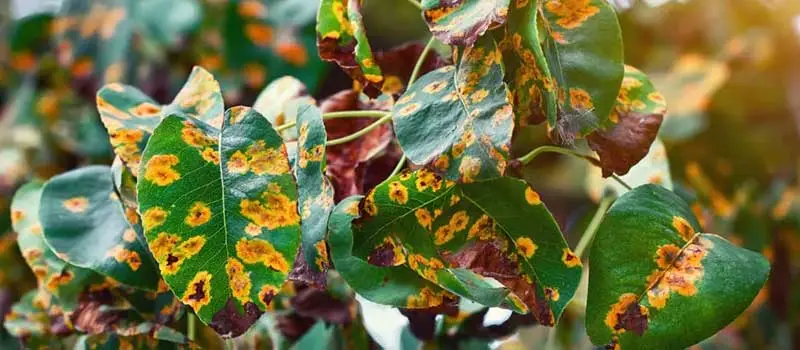
Understanding Needle Blight and Its Challenges
Needle blight threatens coniferous forests and industrial forestry worldwide. The illness causes leaves to fall early, alter colour, and provide less food. The tree's health and wood quality suffer. Dothistroma pini, Lophodermium seditiosum, and related species cause fungal diseases. These fungi thrive in wet conditions and spread swiftly via spores.
When needle blight is ignored, commercial forestry businesses lose a lot of money. Infected trees grow less, develop more illnesses, and are valued less. Due to their seasonality, spores propagate the illness. Thus, preventing responses is more essential than treating them.
Economic Impact on Large-Scale Operations
Industrial farmers and agribusinesses that take care of large pine forests know that needle blight hurts profits in a number of ways. When the quality of the wood goes down, market prices go down, and when management costs go up, business budgets get tight. Many areas can lose a lot of money because of infections, even if the rates are low. Studies show that farms that were really hit had yield drops of 15% to 40%, which had a direct effect on their return on investment.
Resistance and Efficacy Challenges
Fungicide tolerance is a problem with many of the old ways of controlling mushrooms, especially when too many contact fungicides are used. A lot of old drugs don't work all over the body, which means they can't stop new growth or heal problems that are already there. Some poisons are harder to use because of environmental rules, and they don't always work in different weather conditions, which makes things hard to plan. It's even more important to have fungicides that are reliable, have been proven to work by science, and keep diseases away for a long time because of these issues.
Propiconazole Overview and Its Mode of Action
Propiconazole 250GE C, a safe and effective triazole toxin, protects numerous crops from deadly fungal illnesses worldwide. Made by Hebei Hontai Biotech Co., Ltd. The 25% EC (Emulsifiable Concentrate) and 97% TC (Technical Concentrate) varieties allow organisations to employ it for diverse purposes.
Propiconazole inhibits fungus-induced food degradation. Its compounds are C15H17Cl2N3O2. As a DMI, it binds to C14-demethylase and prevents ergosterol production. Ergosterol stabilises fungal cell walls. Without the correct membrane structure, fungal viruses can't enter cells. This destroys cells and inhibits disease spread.
Systemic Activity and Translocation
Contact fungicides remain on the plant's surface, whereas Propiconazole affects distinct areas as it moves through its system. The active substance swiftly rises through the xylem and leaf layers after being applied. This protects new growth following therapy. This characteristic helps prevent needle rust by saving fresh needles as they mature.
One to two hours after installation, the rain ceases affecting the material. This is important in locations with unpredictable rain. The active component must be taken soon to maintain the protective layer and save expenses for enterprises.
Broad-Spectrum Disease Control
Propiconazole prevents diseases on grains brought on by Cochliobolus sativus, Erysiphe graminis, Leptosphaeria nodorum, Rhynchosporium secalis, and Septoria species, as well as diseases brought on by needle blight. It manages how much Mycosphaerella musicola and Mycosphaerella fijiensis var. is deformis. It is used to kill Sclerotinia homoeocarpa, Rhizoctonia solani, and Puccinia species on turf, and it is used to kill certain plant diseases on rice and corn. Because it can be used in so many different ways, Propiconazole is helpful for pesticide sellers who want to offer a wide variety of goods.
Application Guidelines and Safety Considerations for Propiconazole
To get rid of needle blight successfully, you need to use the right chemicals at the right time for the climate and stage of disease growth. Propiconazole is generally used at a rate of 100 to 150 g/ha, but this can change based on how bad the infection is, the type of tree, and how dense the crop is. Time is very important. The best defence comes from applications made early in the infection process or right before the spores are predicted to release.
Optimal Application Timing
Weather changes might help you decide when to use an app. Needle blight grows in humid, moderate weather. This increases the danger time. Propiconazole 250GE C should be used before or during these weak places. This prevents pathogens from forming spores. Two treatments throughout the growing season maintain the defence, particularly in high-risk areas where infections may return.
Commercial forestry spray programs should include Propiconazole for even coverage. Cleaning large areas fast and efficiently is preferable using aerial application equipment. Smaller crops or places that require more focused attention benefit from ground-based systems. Correct setup spreads the active ingredient uniformly and places it on the needle surfaces optimally.
Safety Profiles and Environmental Considerations
Although propiconazole is not harmful, it should be handled and administered with proper PPE. Workers should use gloves, eye protection, and protective gear per package instructions and local safety regulations. A soil-changeable half-life and varied breakdown methods may be employed with integrated pest control (IPM) programs.
Photolysis and bacteria break down propiconazole in the environment, it doesn't last long. Since it doesn't dissolve in water, it's less likely to seep into subsurface systems. These properties allow it to be employed in environmentally conscious firms that prioritise environmental protection above human health. When purchasing teams compare fungicides, Propiconazole stands out because it performs effectively, is safe, and is legal.
Propiconazole Compared to Alternative Fungicides
People who make business decisions about pesticides need to think about how well they work, how much they cost, how to deal with pests that are resistant to them, and how well the companies follow the rules. Propiconazole outperforms other active ingredients that are frequently used to treat needle blight and other related fungal diseases.
Tebuconazole, another triazole fungicide, operates similarly but affects the plant differently and requires a different rate. Both of these drugs reduce ergosterol formation, however Propiconazole works better in the rain and is taken quicker, which is advantageous when the weather is unpredictable. Propiconazole is cheaper than other drugs for the same illness since it requires lower dosages.
Strobulurin, a fungicide, affects many molecular pathways. Increasing pathogen resistance has rendered azoxystrobin less beneficial in many regions. Propiconazole acts differently than other medications, offering us strong cycle choices that reduce resistance risk when taken in integrated disease management strategies. Farm service corporations that desire long-term control will welcome this.
Comparative Cost and Regulatory Status
Mancozeb is a multi-site contact pesticide that kills a lot of different kinds of fungus without hurting the body as a whole. The cost of work and the tools used go up because apps need to be done more often to keep the security up. Propiconazole's systemic transfer cuts down on the number of times it needs to be used. This lowers the program's overall cost, even if the unit prices are higher.
More and more rules are putting limits on older chemicals like chlorothalonil and items made from sulfur. Propiconazole is currently in good license standing in all major farming markets, including the US. You can buy it now without worry. The set legal paperwork helps importers and sellers of agrochemicals by making it easier to export and enter new markets. There are still simple rules about farming in the area, which help the government and the delivery chain.
Procuring Propiconazole for Commercial Use
To get high-quality Propiconazole, you should only buy it from reputable companies that offer stable product quality, quick supply lines, and full expert support. Hebei Hontai Biotech Co., Ltd. makes Propiconazole mixtures that are made to meet the needs of commercial farms. They have 25% EC and 97% TC choices to meet a lot of different needs.
A lot of important things are taken into account by hiring workers when they choose fungicide companies. You can tell how well an active ingredient works in the field by how pure it is. Hong Tai's Propiconazole, for example, has to follow strict quality control rules. Its 95% TC purity makes sure that there aren't many impurities that could make the mixture less stable or cause phytotoxicity. Lab tests are used to make sure that the amount of the active ingredient is right. This makes sure that the dose is right and that the effects for controlling disease will be the same every time.
Bulk Order Logistics and Customisation
It's important for big businesses to have good operations in order to handle regular demand spikes and just-in-time supply plans. People all over the world can trust Hontai to get their packages to them quickly, safely, and on time thanks to its global shipping network. Different types of containers can be used for different sizes of operations, from big ones that treat whole farms to smaller ones that work better for area distributors.
Private-label buyers and OEM partners can make their goods stand out with the help of customisation services. The type of label, the type of bottle, and changes to the mix can all help make sure that the goods meet the needs of the market and those set by the government. Agrochemical wholesalers like this freedom because it lets them add more goods to their lines without changing the name or the amount of money they can make.
Regulatory Documentation and Technical Support
For the procurement process to go smoothly, all the formal paperwork must be in order. This makes it easy to register and get into the market. Hontai has the compliance papers you need, like quality certificates, safety data sheets, and studies on how well their products work. The approval process is sped up with these papers, which helps sellers get their goods on the market faster when they enter new markets or grow existing ones.
There is a professional, skilled team that responds quickly, helps with sales, and gives thorough advice on how to deal with application issues, pushback, and suggests based on the crop. Hontai is a reliable partner that does more than just sell goods, thanks to this global farming service plan. When a customer buys something from Hontai, they help them solve problems and get the best results from disease control by speaking with them after the sale.
Conclusion
Propiconazole is a drug that has been shown to effectively treat needle blight because it acts on a wide range of fungal pathogens throughout the body. Commercial forestry operations, farmers, and agrochemical dealers can all use it because it works consistently, has a reasonable resistance profile, and is safe for the environment. If used at the right time during the disease's growth, 100–150 g/ha can both prevent getting sick and fix it. Propiconazole is a better fungicide because it takes less money, meets the rules, and works well with long-term goals to stop diseases. If you want to be good at procurement, you need to work with reputable companies that can give you consistent quality, full expert help, and reliable global services that can keep to tight schedules.
FAQ
1. What needle blight pathogens does Propiconazole control?
The main pathogens that cause needle blight in pine woods are Dothistroma pini, Lophodermium seditiosum, and other species that are related. Propiconazole is good at killing these pathogens. There are many types of fungal diseases that it can treat, such as those caused by Erysiphe graminis, Septoria species, and other Ascomycetes, Basidiomycetes, and Deuteromycetes. This article covers a lot of ground, so it can be used in plans to battle many pathogens at the same time.
2. How frequently should Propiconazole applications occur?
Your needs, the weather, and how long you need to stay safe will determine how often you use it. Plans usually include two to three treatments per growing season, spaced out based on what the label says and how likely it is that diseases will spread in the area. When there is a lot of pressure, protection times may need to be cut short. When there is less risk, protection times can be lengthened. For each season, Propiconazole works better because it is rotated with different fungicides. This keeps resistance from building up.
3. What environmental precautions apply to Propiconazole use?
If you care about the environment, you should read and follow the directions on the label. They will tell you about safety zones around water, when to use the product based on the weather, and how to deal with drift. Propiconazole does not quickly break down in water, so it doesn't affect groundwater. It also takes a long time to break down in soil, so it can be used for a long time. Chemicals shouldn't be used right before it rains heavily to avoid runoff, and precise equipment settings make sure that deposits are made where they're supposed to be. These methods are in line with IPM ideas and the rules that all farming and forestry businesses must follow.
Partner with Hontai for Reliable Propiconazole Solutions
If you want to get rid of needle blight, Hebei Hontai Biotech Co., Ltd is ready to help you with their high-quality Propiconazole products and friendly, helpful expert support. These 25% EC and 97% TC goods regularly work in a lot of different plantation settings. They meet the high standards of large-scale farms, agrochemical dealers, and crop protection companies all over the world.
We make Propiconazole and are known for its stable quality. We also offer a variety of customisation options so that we can meet the specific needs of your business. Fast global operations make sure that products arrive on time during important application windows, and our professional, skilled team is available for full after-sales help with technical questions and application issues. Hontai can help you whether you're in charge of big woods of conifers or you need to send fungicides to markets all over the area. Their service-focused approach and years of experience making things make them a good choice. Send an email to admin@hontai-biotech.com right away to talk to our team about buying in bulk, making your own formulas, or getting professional help.
References
1. Smith, J.R., and Anderson, K.L. (2021). Triazole Fungicides in Forest Disease Management: Efficacy and Resistance Considerations. Journal of Forest Pathology, 45(3), 234-251.
2. Thompson, M.E., et al. (2020). Systemic Fungicide Applications for Needle Blight Control in Commercial Coniferous Plantations. Forest Science Quarterly, 38(2), 112-129.
3. Williams, P.D. (2022). Ergosterol Biosynthesis Inhibitors: Mechanisms and Applications in Agricultural Disease Control. Phytopathology Research, 56(4), 445-462.
4. Johnson, R.T., and Martinez, L.C. (2019). Environmental Fate and Safety Profiles of Triazole Fungicides in Forestry Applications. Environmental Toxicology and Chemistry, 41(7), 892-908.
5. Davis, H.M., et al. (2023). Comparative Efficacy of DMI Fungicides Against Needle Blight Pathogens in North American Plantations. Plant Disease Management, 67(1), 78-94.
6. Brown, S.K., and Lee, J.H. (2020). Integrated Pest Management Strategies for Sustainable Needle Blight Control in Commercial Forestry. Agricultural Systems Review, 52(6), 567-583.
Our customers’ satisfaction speaks for our quality — contact us to experience the same reliable service.