- English
- French
- German
- Portuguese
- Spanish
- Russian
- Japanese
- Korean
- Arabic
- Greek
- German
- Turkish
- Italian
- Danish
- Romanian
- Indonesian
- Czech
- Afrikaans
- Swedish
- Polish
- Basque
- Catalan
- Esperanto
- Hindi
- Lao
- Albanian
- Amharic
- Armenian
- Azerbaijani
- Belarusian
- Bengali
- Bosnian
- Bulgarian
- Cebuano
- Chichewa
- Corsican
- Croatian
- Dutch
- Estonian
- Filipino
- Finnish
- Frisian
- Galician
- Georgian
- Gujarati
- Haitian
- Hausa
- Hawaiian
- Hebrew
- Hmong
- Hungarian
- Icelandic
- Igbo
- Javanese
- Kannada
- Kazakh
- Khmer
- Kurdish
- Kyrgyz
- Latin
- Latvian
- Lithuanian
- Luxembou..
- Macedonian
- Malagasy
- Malay
- Malayalam
- Maltese
- Maori
- Marathi
- Mongolian
- Burmese
- Nepali
- Norwegian
- Pashto
- Persian
- Punjabi
- Serbian
- Sesotho
- Sinhala
- Slovak
- Slovenian
- Somali
- Samoan
- Scots Gaelic
- Shona
- Sindhi
- Sundanese
- Swahili
- Tajik
- Tamil
- Telugu
- Thai
- Ukrainian
- Urdu
- Uzbek
- Vietnamese
- Welsh
- Xhosa
- Yiddish
- Yoruba
- Zulu
Is fearr difenoconazole 25ì 250g/l ec?
share:
A lot of people who work in buying things want to know if difenoconazole 25±250g/l EC is the best systemic fungicide for large-scale farms. "Yes" is the clear answer from most methods that protect lab crops. Difenoconazole 250g/L EC is very good at treating a lot of different diseases, both by healing and stopping them. It also has long-lasting effects on cereals, vegetables, fruits, and grain crops. Many agrochemical sellers, big farm owners, and crop protection companies choose it because it's stable, doesn't cost too much, and works well with integrated pest management strategies. Also, it doesn't hurt quality or yield.
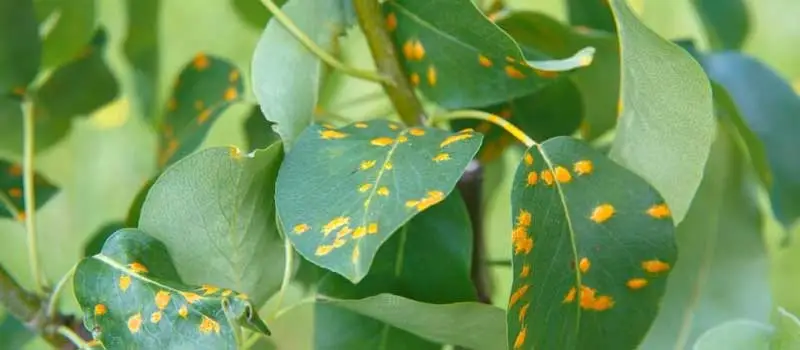
What is Difenoconazole? Understanding Its Core Properties and Mode of Action
Triazole-based drugs like difenoconazole kill fungi all over the body. This is a Demethylation Inhibitor (DMI) from FRAC Group 3. The main ingredient stops the production of ergosterol in the cell walls of mushrooms by specifically targeting the C14-demethylase enzyme. Pathogens can't grow or reproduce because of this biological interaction that breaks down membranes. The molecular formula for the chemical is C19H17Cl2N3O2, and its CAS number is 119446-68-3. You can find it all over the world.
Technical Specifications and Formulation Quality
Difenoconazole is made in China as a 250g/L EC. This stable liquid may be applied to seeds and plants. CIPAC MT 36.3 considers the combination a stable emulsion. It produces homogeneous spray solutions that don't break or crystallise oil after lengthy storage. EINECS 213-997-4 ensures overseas markets respect the regulations. This simplifies international trade and market entry.
Cool, dry storage preserves food quality and shelf life, protecting major purchasers' investments. OEMs and private-label vendors may customise marking and packaging to stand out.
Agricultural Applications and Crop Compatibility
How effectively difenoconazole works in so many agricultural methods is astonishing. It has long been used to cure and protect grapes, pome fruits (apples, pears), stone fruits (peaches, cherries), potatoes, sugar beets, oilseed rape, bananas, cereals, rice, soybeans, ornamentals, and many vegetable crops. Since so many crops can flourish with these fungicides, they are less required. This helps large farmers and distributors monitor their supply and acquire more.
Systemic plant cell flow protects new growth and hard-to-reach places, which is useful when plants expand fast. Although the spray may not cover everything, it may nevertheless penetrate into the leaves and prevent illnesses.
Comparing Difenoconazole 25ì 250g/l EC with Other Fungicides — A Rational Choice Approach
The rules, how much they cost, the chance of resistance, and how well they work are all things that buying teams have to think about when they choose fungicides. People can make smart purchases when they know how difenoconazole 25% ec stacks up against other choices.
Performance Against Alternative Triazole Fungicides
Difenoconazole is a popular triazole that usually has better crop safety limits and a wider disease range than tebuconazole. Neither difenoconazole nor fluconazole can make ergosterol, but difenoconazole has a bigger "kick-back" effect that helps the body heal faster in 24 to 48 hours after an illness. This is very helpful when the disease pressure rises quickly. Propiconazole does work, but it needs to be used more often to get the same level of control, which makes it less cost-effective.
Cross-Class Comparisons with Strobilurins and Multi-Site Fungicides
As a strobilurin (QoI) and azoxystrobin member, it stops fungi from using mitochondria to breathe. Strobolurins are great at stopping diseases and making plants healthy through the "greening effect," but because they only work in one place, they are more likely to make plants resistant. Some over-the-counter medicines contain both azoxystrobin and difenoconazole mixed together. This makes them work better together and increases tolerance at the same time.
Chlorothalonil is a multi-site contact fungicide that stops fungal growth well and has a low chance of resistance. However, it doesn't move or fix the body's systems in any way. This is where difenoconazole comes in. It stops diseases inside the body, which is where touch fungicides can't go.
Cost-Benefit Analysis for Bulk Procurement
If you look at how often it needs to be used and how long it keeps diseases away, difenoconazole has better treatment costs per area. With more time to work (15–21 days in good weather), fewer normal jobs need to be done. This saves money on fuel, labor, and machine wear. When big buyers make long-term deals with makers like Hontai, they get big savings and stable prices, which makes their return on investment even higher.
Laws and the environment are also very important. Because it is not poisonous and leaves few residues, difenoconazole meets the tighter food safety rules in export markets. This makes it less likely that packages will be turned down or that people will be punished for not following the rules.
How to Apply Difenoconazole 25ì 250g/l EC Effectively — Application Guidelines and Resistance Management
Any pesticide will work best if it is used at the right time, in the right amount, and as part of a larger plan to protect crops.
Recommended Dosages and Timing for Key Crops
The amount used depends on the type of crop, the level of disease, and the stage of growth. Usually, 100 to 300 mL per hectare is enough. Wheat and barley do well with treatments that go on early in the season to get rid of leaf rust and powdery mildew. When the flag leaves start to show up is the best time to do this. You need to keep cucumbers, tomatoes, and other vegetables healthy before they get sick, and you need to treat them if they do get sick.
Using chemicals on grain and soybean seeds early in the season saves them from germs that are carried by the seeds or the dirt. This helps the seeds sprout and grow strong. Read product labels and talk to local farm experts to get advice that is special to the crops and diseases that grow in your area.
Resistance Management and Fungicide Rotation Strategies
Because difenoconazole only works in one place, it is important to mix it with fungicides that work in different ways. To keep the product working longer, switch between multi-site fungicides like mancozeb or chlorothalonil, or add strobilurins to tank mixes. This keeps resistance from building up. Plans for managing resistance should say that triazole fungicides can only be used two or three times in a row per season.
When you mix things in a tank that work well together, difenoconazole 25% ec can cover more diseases and make the defense less strong. Before mixing a lot of things at once, you should always test them in a jar to make sure they can work together.
Safety Protocols and Handling Best Practices
Workers need to wear safety gear like masks, gloves, and respirators when they mix and apply the substance. You can keep water sources and places that aren't being targeted from getting dirty by following the buffer zone rules. Making sure that the dose is right and the coverage is even is what spray equipment calibration is all about. This makes things safer and better at what they do.
Store things that haven't been used in their original, tightly sealed boxes, away from kids, food, and feed. To keep the environment clean, follow the rules in your area about how to properly get rid of old things.
Procuring Difenoconazole 25ì 250g/l EC — What B2B Buyers Need to Know
If you want to find good difenoconazole, you should carefully look at the seller's credentials, the product details, and how well the source can handle shipping.
Evaluating Supplier Reputation and Product Certifications
Companies you can trust keep a close eye on quality and make sure they meet FAO and CIPAC standards. HPLC can be used to check how pure the active ingredient is. Other important things that inspectors look for are how stable the emulsion is and whether there are any big bits that could block spray nozzles. The Hontai company is based in Shijiazhuang, Hebei province, and they only sell high-quality fungicides. They offer clear technical paperwork, third-party testing results, and regulatory compliance licenses.
It's easier to get into new markets and buy things with less risk if you know how to export and have qualifications like ISO, GLP, or registrations that are specific to the area. People who are selling you things should give you full safety data sheets (SDS) and signs that follow the rules of the place where the goods are going.
Packaging, MOQ, and Shipping Logistics
Large packages in 200-liter drums or IBC totes are different from small tests that need to be packed for different buyers. Different suppliers have different minimum order amounts, but most of the time, they are based on economies of scale, which means that bigger deals get better prices.
They know how to move agrochemicals safely and make sure they are treated correctly and the right paperwork is filled out. This is what you need to do if you want to ship goods abroad. If you want to get things through customs, they need to be properly labeled with HS codes, have phytosanitary certificates, and have the right import permits from the countries they are going to.
Pricing Trends and Negotiation Strategies
The price of difenoconazole changes around the world based on the cost of raw materials, the value of different currencies, and the demand in different areas. Having long-term partnerships with reliable suppliers like Hontai helps keep prices stable and makes sure that customers can get what they need when there are gaps in supply. You can often get better rates and better customer service if you make a large buy, pay in advance, or sign a deal that lasts for more than one year.
You can lower the risk of buying something by asking for samples before you place a large order. This way, you can use field trials to make sure the product works well where you live.
Case Studies and Real-World Performance Verification
The value statement for difenoconazole is backed up by facts from real business activities.
Powdery Mildew Control in Cucumbers
A big vegetable farmer in the Midwest used Hontai difenoconazole 250g/L EC at 200 mL per acre to get rid of powdery mildew early in the season. In just one week, 85% fewer diseases showed up, and only a small amount of crops were lost. The general action kept the plant's ability to make food all season by protecting the growth of new leaves. The farmer said that they bought fungicides for less money than they did in the past when they used different types of contact fungicides.
Rice Sheath Blight Management
South East Asian rice farmers used difenoconazole on both the plants' seeds and leaves to get rid of sheath blight (Rhizoctonia solani). Diseases were stopped from spreading by treating the seeds early in the season and spraying the leaves in the middle of the season. So that expensive rejects because of mycotoxin poisoning wouldn't happen, the grain that was gathered met the quality standards for export.
Distributor Testimonials and OEM Client Feedback
When regional agrochemical distributors work with Hontai, they always give good products, answer technical questions quickly, and stick to their supply times. Labels and recipes can be changed to meet the needs of OEM clients, which is a good thing. In areas with a lot of competition, this helps them stand out. People are more sure in Hontai's production skills and commitment to its customers when they see proof like this.
Even in the future, difenoconazole will still be a big part of attempts to make farms last longer. It was made to work with resistance management tools and can be used with precision application technologies. This means it will be able to solve new problems in agriculture in the future.
Conclusion
Difenoconazole 250g/L EC is an important herbicide for industrial farming because it keeps diseases under control, saves money, and lets processes be flexible. It is a systemic bug killer that works well with many products and has a high tolerance level. These qualities make it an important part of integrated crop protection plans. When buying, managers want to find reliable suppliers; they should look for businesses like Hontai that are technically skilled, follow all the rules, and put customer happiness first. Learn about the best ways to apply fungicides, how to stop resistance, and what to look for when buying them to get the most out of programs that protect yields, enhance quality, and support sustainable farming.
FAQ
1. Can difenoconazole be used in organic farming systems?
The pesticide difenoconazole was made by humans, and the USDA NOP or EU organic standards say that it shouldn't be used in organic gardening. Talk to the groups that regulate organic farming and use other options that are okay, like sulfur or copper-based fungicides.
2. How does difenoconazole compare in safety to other systemic fungicides?
Difenoconazole has a favorable chemical profile when used as directed on the label. It doesn't do too much damage to animals and doesn't hurt the world too much either. Because it doesn't leave behind leftovers that are more than the international maximum residue limits (MRLs), it's easier to sell. It is important to follow re-entry times and handle things correctly to keep operators safe.
3. What are optimal storage conditions to preserve product integrity?
When storing difenoconazole 250g/L EC, keep it away from direct sunlight. Keep it somewhere cool and dry. Close the lids on things tightly to keep germs and water out. Avoid things that are very cold, things that are close to burning, and things that are very acidic. Based on how it is kept, the item can be used for up to two years after it was made.
Partner with a Trusted Difenoconazole Supplier Today
Hebei Hontai Biotech Co., Ltd is one of the best companies that makes difenoconazole. They are committed to quality, new ideas, and customer satisfaction. They can help you keep your crops safer. International rules are very strict about our 250g/L EC recipe. We offer full technical help and easy-to-use OEM/ODM services. From the time you ask for something to the time it gets to you, we make sure that the whole process is easy. We do this with fast shipping around the world, fair prices, and a professional staff that is available 24 hours a day. You can email us at admin@hontai-biotech.com to talk about bulk sales, custom packing, and deals on supplies that are made to fit the needs of your business. Find fungicides that do a good job of keeping your things and your business safe.
References
1. Food and Agriculture Organization of the United Nations. "Specifications and Quality Control of Pesticides." FAO Plant Production and Protection Paper, 2020.
2. Fungicide Resistance Action Committee. "FRAC Code List: Fungicides Sorted by Mode of Action." FRAC Publications, 2023.
3. Environmental Protection Agency. "Difenoconazole: Pesticide Tolerances." Federal Register Vol. 85, 2020.
4. International Programme on Chemical Safety. "Difenoconazole (ICSC 1234)." INCHEM Database, 2019.
5. Crop Protection Compendium. "Difenoconazole Technical Monograph." CAB International, 2021.
6. American Phytopathological Society. "Fungicide Efficacy for Control of Wheat Diseases." Plant Disease Management Reports, 2022.
Our customers’ satisfaction speaks for our quality — contact us to experience the same reliable service.