- English
- French
- German
- Portuguese
- Spanish
- Russian
- Japanese
- Korean
- Arabic
- Greek
- German
- Turkish
- Italian
- Danish
- Romanian
- Indonesian
- Czech
- Afrikaans
- Swedish
- Polish
- Basque
- Catalan
- Esperanto
- Hindi
- Lao
- Albanian
- Amharic
- Armenian
- Azerbaijani
- Belarusian
- Bengali
- Bosnian
- Bulgarian
- Cebuano
- Chichewa
- Corsican
- Croatian
- Dutch
- Estonian
- Filipino
- Finnish
- Frisian
- Galician
- Georgian
- Gujarati
- Haitian
- Hausa
- Hawaiian
- Hebrew
- Hmong
- Hungarian
- Icelandic
- Igbo
- Javanese
- Kannada
- Kazakh
- Khmer
- Kurdish
- Kyrgyz
- Latin
- Latvian
- Lithuanian
- Luxembou..
- Macedonian
- Malagasy
- Malay
- Malayalam
- Maltese
- Maori
- Marathi
- Mongolian
- Burmese
- Nepali
- Norwegian
- Pashto
- Persian
- Punjabi
- Serbian
- Sesotho
- Sinhala
- Slovak
- Slovenian
- Somali
- Samoan
- Scots Gaelic
- Shona
- Sindhi
- Sundanese
- Swahili
- Tajik
- Tamil
- Telugu
- Thai
- Ukrainian
- Urdu
- Uzbek
- Vietnamese
- Welsh
- Xhosa
- Yiddish
- Yoruba
- Zulu
What is mancozeb fungicide?
share:
The effects of mancozeb, a non-systemic contact pesticide, are extensive. The molecular name for it is ethylene bisdithiocarbamate (EBDC). In order to protect itself, it messes up several enzyme systems, especially the process of pyruvic acid oxidation inside fungal cells. This stops fungus spores from developing and early mycelial growth. Because it can work on more than one site, it is very useful for stopping fungal diseases in many foods, like field grains, tomatoes, vegetables, fruits, and potatoes, without making resistance grow.
Understanding Mancozeb Fungicide: Composition, Mode of Action, and Uses
Chemical Composition and Formulations
Mancozeb is a coordination compound of zinc ions and manganese ethylene bisdithiocarbamate. Products typically include 80% Water Dispersible Granules (WDG) and 75% Wettable Powder. Most technical-grade materials contain 95% active ingredient. These things strengthen the support, make leaves attach to it, and make it rainproof. The powder's bright yellow colour makes it simple to combine large volumes or use typical filling equipment.
Zinc and manganese prevent illnesses and keep plants healthy. These trace minerals boost chlorophyll production and plant health. They replenish nutritional gaps that render crops unhealthy and unmarketable. This differentiates it from man-made fungicides and makes it useful in nutrient-poor soils.
Mode of Action: Multi-Site Protection
While on the leaf, this protective fungicide inhibits germs from entering. Systemic fungicides penetrate plant tissue. It suppresses respiration, lipid synthesis, and amino acid biosynthesis in fungus cells simultaneously since it is in FRAC Group M03. This makes resistance accumulation uncommon, one of joint resistance control's finest features.
When the active component contacts fungal spores during germination, it produces reactive compounds. Sulfhydryl enzymes and proteins are broken down by these compounds, which prevent fungal metabolism. This defence must be used before sickness. Knowing when infections are likely to spread and taking treatment before they worsen is crucial.
Target Diseases and Crop Applications
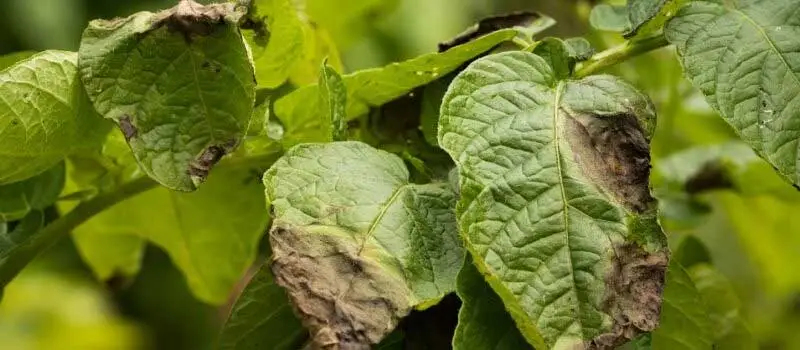
Over 400 fungal pathogens may be eliminated by mancozeb in several growth conditions. It is the greatest approach to manage Late Blight (Phytophthora infestans) and Early Blight (Alternaria solani) in potato crops. These pathogens may destroy crops in days. Grape producers use it to fight Downy Mildew, while apple farmers use it to stop Scab without rusting the fruit, which reduces export value.
To protect tomatoes, cucumbers, beans, and leafy greens against Anthracnose, Leaf Spot, and Cercospora, vegetable producers use it. This poison may be applied to plant leaves or combined with seeds to protect them against soil-borne pathogens like Rhizoctonia and Fusarium during the crucial growth period. This is vital for huge farms that require robust, low-cost security since it works on numerous crops and illnesses.
Compatibility and Tank-Mix Considerations
One great thing about fungisida mancozeb is that it mixes well with many agrochemicals, so you can use more than one way to get rid of pests. Systemic fungicides like Azoxystrobin, Metalaxyl, or Cymoxanil can be mixed in a tank to make different products that work together to heal and defend. This method fights tolerance and extends the time between infections by giving bacteria more than one way to die at the same time with the fungicide mancozeb.
But it is very important to keep an eye on the pH points. When the pH level is higher than 8, the mancozeb quickly breaks down, losing its usefulness and possibly harming plants. It should never be mixed with alkaline poisons like Lime Sulfur or Bordeaux mixture. If you keep tank solutions neutral to slightly acidic, they will stay steady and be spread out evenly when you use them. It can handle rain better if you add non-ionic cleaners or sticker adhesives. It is very helpful in places where it rains a lot because the covering might get washed away.
Safe and Effective Application Guidelines for Mancozeb
Recommended Dosage and Timing
The correct dosage of medication for the crop stage and disease is crucial. About 1.5 to 2.5 kilograms per hectare are combined with 300 to 600 litres of water in the field. Price depends on cover size and illness severity. When pressure is low, 7–10 days between applications is appropriate. These gaps are reduced to 5–7 days when illness spreads quickly.
To safeguard new development, apply at the proper moment with this contact insecticide, which doesn't travel in plant cells. The optimal time to spray is when the weather prediction predicts high humidity, leaves that remain wet for more than six hours, and temperatures between 15°C and 25°C, which promote germ growth. Drug use decreases with disease prevention schedules.
Application Techniques and Equipment
It works by equally covering everything. Ground-based boom sprayers at 2–4 bar pressure deliver little drips that thoroughly cover leaves using hollow-cone or flat-fan nozzles. Aerial application may aid with large-acreage work, but it must be set properly to deposit enough without shifting. Spray enough to cover the top. This is particularly crucial for dense plants like potatoes, because lower leaves get diseases first.
How well anything operates depends on its maintenance. Regularly cleaning tanks, filters, and pumps maintains a consistent flow and prevents blockages. Every season, sprayers must be adjusted to administer the proper quantity of product. So there are no protection breakdowns caused by not applying enough or too much, which wastes product and increases residue.
Safety Protocols and Personal Protective Equipment
Safety is crucial while using and handling the item. Safety clothing includes long-sleeved shirts, trousers, chemical-resistant gloves and eyewear. Mixers of powder must wear respirators with particle filters to avoid dust. Farm workers may reduce touch exposure by following label re-entry timings.
How something is kept affects its safety and stability. This toxin won't become Ethylenethiourea (ETU) if kept cold, dry, and below 30°C. Controlled drugs like ETU must be monitored. High heat and humidity accelerate breakdown. This may reduce product usefulness or exceed waste limitations. Proper storage makes food safer and longer-lasting.
Environmental Stewardship and Residue Management
People can use the world more wisely if they know how it works. Within 30 to 90 days of normal conditions, microbes break down this mancozeb, and it doesn't move around much in the soil. It doesn't dissolve easily in water, so it can't leach. However, runoff into open water is still a problem in places that slope after it rains a lot. Marine life can be protected by setting up safety zones near sources of water and not using chemicals right before it rains.
For each crop and place, the rules about leftovers are different. The time between harvests for most crops is three to fourteen days, but it varies by crop type and preparation rate. By collecting the food within these time frames, it is guaranteed to meet the Maximum Residue Limit (MRL) standards for both local and foreign markets when using fungisida mancozeb. As part of quality assurance programs, regularly checking for leftovers shows that rules are being followed and protects entry to the market with fungicides such as mancozeb.
Comparing Mancozeb with Other Fungicides: Making Informed Choices
Mancozeb vs. Chlorothalonil
Both work in more than one place because they are broad-spectrum contact fungicides, but there are some differences that make one better than the other. It is being controlled less and less in some places because people are worried about how long chlorothalonil will stay in the environment. It can also protect against some viral diseases. Mancozeb works better with biological control agents and is better than chlorothalonil at providing micronutrients. This helps with plans for healthy change.
Mancozeb vs. Copper-Based Fungicides
Copper mixes have been used for a long time as fungicides to protect crops, especially in organic farming. Copper can kill harmful bacteria and fungi, but it can also build up in soil over time and reach amounts that are phytotoxic, which means they hurt good microorganisms in the soil. There is less damage to the earth over time because this chemical breaks down more quickly. Copper also makes the fruit of sensitive plants brown, but mancozeb, when used properly, keeps the quality of cosmetics that are sold in high-end stores.
Mancozeb vs. Systemic Fungicides
Systemic goods, like Azoxystrobin and Metalaxyl, get into plant cells and fix them. They also spread the medicine to areas that haven't been treated yet. Because these traits only work in one place, you have more freedom over when to use them. However, there is a high chance of tolerance. As a protector, mancozeb needs to be planned ahead of time, but it provides the best defence and lasts the longest. "Tank mixing," which is another name for strategic rotation, takes the best parts of both ways and uses them together to protect against direct action right away and help the body fight off diseases that are already there.
Practical Decision Framework
Buying teams should consider fungicides in many ways. It depends on the diseases, their hardiness, how well crops can withstand them, how much trash target markets require, and how well they interact with other pest control programs. For potato Late Blight, using this pesticide with Cymoxanil in a tank provides significant protection throughout tuber development. Switch between this product and sterol inhibitors to control apple rot. This prevents resistance and preserves fruit quality.
There's more to cost-effectiveness than unit pricing. How frequently it's used, how well it mixes in tanks, and whether plants can thrive in it are all factors. Products that kill more bugs or don't need to be used as frequently may save labour and tool costs. Instead of looking at product prices, consider program expenses to determine economic value.
Procuring Mancozeb: Sourcing, Pricing, and Supplier Insights for B2B Buyers
Identifying Reputable Manufacturers and Distributors
Mancozeb is exported by specialised producers in China, India, and Europe and by large agricultural corporations. When choosing a supplier, check their production qualifications, quality badges like ISO 9001, and compliance paperwork. Each batch has a Certificate of Analysis from reputable firms that verifies purity, particle size distribution, and ETU levels.
Authorised dealers have local goods, can assist with technical concerns, and know local market regulations, making them more useful. Contact the producer for private labels or custom formulas for large customers. However, wholesalers are great for medium-sized enterprises that need to adjust order amounts and acquire items quickly. Buying from many sellers ensures you always have what you need, even when things become hectic or production pauses.
Pricing Factors and Market Dynamics
Market prices may shift for several reasons. Manganese, zinc, ethylenediamine, and carbon disulfide prices depend on other items and the dig depth. How effectively a plant utilises its resources influences production cost. Manufacturing more saves money due to economies of scale. The complexity of formulation affects pricing. Solid formulations are more expensive than wettable powders but simpler to handle and less dusty.
International operations significantly impact landing costs. Shipping goods from Asia to North America or Europe requires port fees, customs duties, and government inspection expenses. Currency fluctuations are more fascinating. Buyers should establish pricing that accounts for input cost changes while remaining constant to stay under budget, when making long-term transactions.
Evaluating Supplier Reliability and Service
Along with product quality, a supplier's after-sales service should be evaluated. Technical support teams who assist with applications, provide solutions, and suggest unique spray programs for mancozeb are valuable. Safety Data Sheets, residue data for export markets, and licensing updates benefit purchasing teams working with mancozeb.
Farms function better with delivery. Experienced shipping businesses and warehouses fulfil products on time for critical application dates. Buyers may place purchases during peak demand periods when wait times are known. Lines of credit and payment delays make cash flow tracking simpler throughout manufacturing cycles.
Customisation and OEM/ODM Opportunities
Companies like Hontai let customers make changes that are useful for big sellers and people who buy under their own names. From 1 kg store boxes to 25 kg bulk bags or even ton containers, there are many different ways to pack food that can meet the needs of different types of customers. Different goods can be made to handle different disease combinations in different places by mixing this active ingredient with fungicides that work well with it.
Customising labels and logos helps with marketing plans. It's easier to get into new markets when suppliers help with design, have signs in more than one language, and follow local packing rules. Wholesalers can build brand recognition through OEM deals, and they can also use the manufacturer's expertise in quality control and food science.
Managing Risks and Ensuring Compliance with Mancozeb Use
Toxicity Profiles and Human Health Considerations
Know how dangerous the material is to work safely. This mancozeb is WHO Class II for oral and skin usage, making it hazardous. Lung protection is needed during mixing since breathing is more risky. The development of ETU molecules alarms individuals about long-term exposure. Regulatory organisations monitor this with food Maximum Residue Limits.
To minimise exposure, technological measures are essential. Closed mixing systems, adequate ventilation, and spill-proof structures are examples. When staff are educated to recognise hazards, adopt safe practices, and handle problems, accidents are less probable. When doctors follow routinely exposed persons, they may spot health issues early and respond.
Resistance Management Strategies
Although resistance is unlikely, this chemical will be most effective if employed as part of larger resistance-fighting measures. Switching fungicides from various FRAC families reduces disease population pressure to change. Throughout the season, fungi are exposed to direct and systemic products, which might create biological issues. This allows access to all active compounds.
In tanks with single-site fungicides, high-risk items don't get immune. The action sites form a barrier that kills resistant fungi before they can reproduce. This care strategy keeps vital systemic fungicides on the market for disease-fighting.
Global Regulatory Landscape
Global regulatory changes affect enterprises that sell what they acquire. This pesticide may be used on various US crops after a particular period and rate before harvest. EU restrictions prohibit certain member states due to concerns over environmental consequences and ETU metabolite tracking.
Keep up with changing regulations to avoid market entry issues. Suppliers advise clients of upcoming changes via regulatory information services. Customers may adjust their spray plans or items before the changes occur. Good Agricultural Practice (GAP) guidelines and leftover sample data help the government assess exports.
Quality Assurance and Product Testing
Quality checking prevents you from buying substandard goods. To ensure compliance, the active ingredient, pH, particle size distribution, and ETU % are tested before shipping. Third-party lab clearance is essential when selling or purchasing expensive items.
Batch tracking systems connect field usage to product lots. It allows individuals to react fast if quality concerns arise. A well-documented chain of control from product maker to user helps individuals follow rules and manage risk. Quality control is quicker with thorough documentation from suppliers.
Conclusion
This detailed approach explains that choosing a pesticide partner goes beyond looking at the active chemicals. Buying professionals may achieve the finest crop protection outcomes while keeping expenses low and respecting the law by knowing how it interacts with other items, how effectively it shields against numerous pests, and how to apply it. Comparing this mancozeb to others may reveal its best application. This is particularly true in areas where pests may acquire resistance and in multi-chemical insect control programs. This active element, an ordinary input, may become a strategic asset that makes farms more efficient and competitive over time. They must acquire it from reputable producers with reliable quality, regulatory backing, and technological expertise.
FAQ
1. Can mancozeb fungicide be mixed with alkaline pesticides?
It's very easy for these chemicals to break down when mixed with alkaline things like Bordeaux mixture or Lime Sulfur. This makes it much less useful and might lead to phytotoxic effects. The ethylene bisdithiocarbamate structure becomes unstable when the pH level is above 8. This lets out chemicals that aren't helpful. There should never be more than a little acid in the tank solutions when you are making spray mixes. Making sure it works with small amounts first, before adding a lot of it, stops costly mistakes in use and crop damage.
2. Does mancozeb fungicide offer curative action against established infections?
The only thing this mancozeb does is keep things from getting worse; it doesn't fix. But it can't get rid of fungi that are already inside the plant. It only stops the growth of spores and early hyphae on the leaves. Once there are signs of an infection, you need broad-spectrum fungicides that can get rid of them. In successful disease management plans that use it before someone gets sick, this product is often tank-mixed with systemic partners to meet both protective and curative needs at the same time.
3. What is the rainfastness period for mancozeb fungicide applications?
Since it stays on the leaves and kills fungi, how well it keeps the rain off depends on how long it has to dry. These things need to dry for four to six hours before they can turn into stable crystals that can't be washed off. Stickers or spreading adjuvants make sticking much better, which is especially helpful in places that are wet or get a lot of rain. Planning applications around weather reports to avoid rain is the best way to protect investments and keep diseases under control.
4. Why do procurement professionals monitor ETU levels in mancozeb fungicide?
If you store this poison in a way that makes it break down quickly, like with too much heat or humidity, you will make ethylenethiourea (ETU). The government keeps a close eye on ETU because it is bad for your health. So, teams that buy things have to make sure that the goods only have the bare minimum of ETU. It is safe to buy from companies that store their goods properly in cool, dry warehouses and make new batches. These companies will be following Maximum Residue Limits and keeping the food safety certifications they need to get on the market.
Partner with Hontai for Reliable Mancozeb Supply
It is safe to trust Hebei Hontai Biotech Co., Ltd to make mancozeb and send high-quality mixtures to farms, dealers, and crop security companies around the world. Our 95% TC and 80% WDG recipes meet strict international standards, and when you buy a lot of them, you can save a lot of money. We know that production on a large scale needs more than just goods. Because of this, our expert technical team gives you personalised tips on how to use our goods, and our worldwide logistics network makes sure they get to you on time so you can plant. If you need help with private-label packing, OEM formulation development, or all of your legal paperwork for foreign markets, we can help. Our options are adaptable, so they can be changed to fit your needs. Tell our team about your food security needs at admin@hontai-biotech.com, and we'll let you know how our steady supply, technical know-how, and customer-focused service can help you do well in farming.
References
1. Fungicide Resistance Action Committee. (2022). FRAC Code List: Fungicides sorted by mode of action. Crop Life International.
2. United States Environmental Protection Agency. (2021). Reregistration Eligibility Decision for Mancozeb. Office of Pesticide Programs.
3. Food and Agriculture Organisation. (2020). Pesticide Residues in Food: Mancozeb Toxicological Evaluation. Joint FAO/WHO Meeting on Pesticide Residues.
4. European Food Safety Authority. (2019). Peer Review of the Pesticide Risk Assessment of the Active Substance Mancozeb. EFSA Journal.
5. Gisi, U., & Sierotzki, H. (2015). Fungicide Modes of Action and Resistance in Downy Mildews. European Journal of Plant Pathology, 122(1), 157-167.
6. Latin, R. (2018). Practical Guide to Fungicide Resistance Management in Vegetable Crops. American Phytopathological Society Press.

Our customers’ satisfaction speaks for our quality — contact us to experience the same reliable service.