- English
- French
- German
- Portuguese
- Spanish
- Russian
- Japanese
- Korean
- Arabic
- Greek
- German
- Turkish
- Italian
- Danish
- Romanian
- Indonesian
- Czech
- Afrikaans
- Swedish
- Polish
- Basque
- Catalan
- Esperanto
- Hindi
- Lao
- Albanian
- Amharic
- Armenian
- Azerbaijani
- Belarusian
- Bengali
- Bosnian
- Bulgarian
- Cebuano
- Chichewa
- Corsican
- Croatian
- Dutch
- Estonian
- Filipino
- Finnish
- Frisian
- Galician
- Georgian
- Gujarati
- Haitian
- Hausa
- Hawaiian
- Hebrew
- Hmong
- Hungarian
- Icelandic
- Igbo
- Javanese
- Kannada
- Kazakh
- Khmer
- Kurdish
- Kyrgyz
- Latin
- Latvian
- Lithuanian
- Luxembou..
- Macedonian
- Malagasy
- Malay
- Malayalam
- Maltese
- Maori
- Marathi
- Mongolian
- Burmese
- Nepali
- Norwegian
- Pashto
- Persian
- Punjabi
- Serbian
- Sesotho
- Sinhala
- Slovak
- Slovenian
- Somali
- Samoan
- Scots Gaelic
- Shona
- Sindhi
- Sundanese
- Swahili
- Tajik
- Tamil
- Telugu
- Thai
- Ukrainian
- Urdu
- Uzbek
- Vietnamese
- Welsh
- Xhosa
- Yiddish
- Yoruba
- Zulu
Dimethomorph – Super product to treat diseases in plants
share:
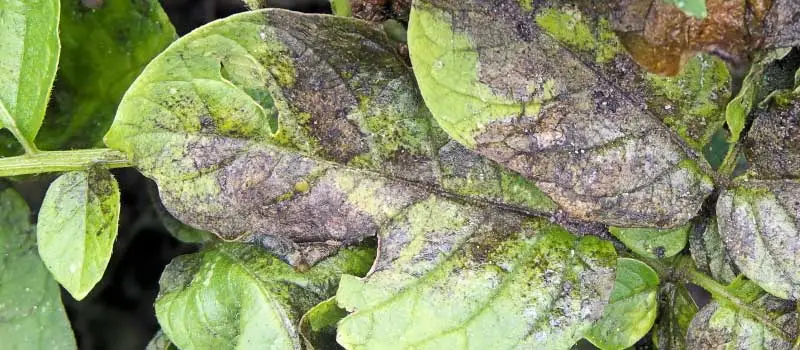
Dimethomorph stands as a critical fungicide solution designed to combat destructive oomycete pathogens threatening agricultural productivity worldwide. This morpholine-derivative compound works by disrupting fungal cell wall formation, particularly targeting phospholipid biosynthesis and cellulose deposition. Commercial growers rely on this systemic fungicide for its proven efficacy against late blight, downy mildew, root rot, and crown rot across vegetables, vines, and tuber crops. Its preventative, curative, and anti-sporulant properties protect investments by halting infection cycles while maintaining translaminar mobility that penetrates leaf surfaces to safeguard even untreated undersides of dense crop canopies.
Understanding Global B2B Procurement Challenges in Agricultural Fungicides
Supplier Reliability Issues in Agrochemical Markets
Regular formula agrochemical suppliers are constantly in demand by commercial farms. Many wholesalers deal with inconsistent manufacturers. This implies the products aren't always effective when farmers need them most to prevent infections. Recent agricultural trade data suggests that 23% of crop protection product shipments are delayed by more than two weeks, affecting planting and disease management. These delays force distributors to obtain emergency replacements at higher rates, hurting consumer confidence and revenues. In key infection periods when late blight or downy mildew pressure develops fast, large enterprises managing thousands of hectares of land can't afford this uncertainty.
Regulatory Compliance and Documentation Complexity
Importers and wholesalers serving North American markets struggle with foreign agrochemical regulations. Many foreign companies struggle to supply documentation for EPA registration regulations, state-specific pesticide permits, and changing environmental safety standards. Regulations require dealers to produce safety data sheets, residue analysis certifications, and formulation stability reports. Paperwork gaps impede customs clearance and product availability. Distributors require partners that understand these regulatory standards to introduce additional fungicides. Distributors may eliminate paperwork, which is time-consuming and expensive for market expansion.
Cost Pressures and Competitive Pricing Demands
In increasingly competitive marketplaces, agrochemical purchasers must balance efficacy with budget. Generic fungicides are available, but many aren't technically refined or don't have the antisporulant action high-value crops require. Farms calculate how much it costs to manage illnesses per area and find solutions to safeguard crops without using too much treatment. The fungicide must attach to waxy skin layers within hours to survive rain, to prevent having to reapply it after harsh weather. Distributors must find ways to earn high profits while providing low prices for cost-conscious producers with plenty of acreage and a modest budget.
Strategic Approaches to Optimizing Procurement Processes
Vendor Consolidation for Streamlined Supply Chains
Agrochemical distributors that are good at what they do focus their ties with makers with a wide range of products instead of spreading orders among many suppliers. This approach for consolidation makes things easier to manage, makes it easier to coordinate logistics, and gives you more power when negotiating prices based on numbers. When one maker offers different formulations, like Dimethomorph 50 % WP, 50% WG, 80% WDG, and 97% TC versions, it makes it easier for distributors to keep track of inventory and makes regulatory files easier. Consolidated buying also improves technical support ties, as field service teams learn more about the specifics of formulations and how to use them on a wide range of crop types.
Data-Driven Demand Forecasting and Inventory Management
Agricultural service providers use past patterns of disease pressure, data from weather forecasts, and changes in crop area to make more accurate predictions about the need for fungicides. Advanced wholesalers use prediction analytics platforms that connect changes in humidity, temperature, and past infection dates to estimate how many of a certain formulation will be ordered. This method stops both running out of stock during times of high disease pressure and having to pay too much to store too much product during slow times. When applied to crop protection goods, lean inventory principles require suppliers to keep enough manufacturing capacity and raw material stocks to meet surge orders without having to wait longer for materials, which lowers the efficiency of disease control.
Building Multi-Year Supply Agreements with Performance Metrics
Setting up long-term contracts for purchases with clear performance standards saves both producers and distributors from changes in the market and keeps the supply going. These deals usually spell out quality standards, like making sure that active ingredients are at least 97% pure on a technical level, as well as supply times that work with the planting seasons in each area and prices that are based on clear cost indices. Performance measures include the number of on-time deliveries, field trials that prove the product works, and how quickly expert questions are answered. Structured relationships like these let sellers make promises to their customers further down the chain, and they also help makers plan their production more accurately.
Leveraging Technology for Enhanced Procurement Efficiency
Automation in Order Processing and Documentation Management
Now, cloud-based procurement tools can connect directly to the business resource planning systems of agrochemical makers. This lets users see their supplies in real time and automatically route orders. These digital solutions get rid of the mistakes that used to happen when entering data by hand, which was a problem for foreign deals with complicated formulation specs and packaging setups. When distributors place orders for certain formats, like granular formulations for dust-free handling or suspension concentrates for automated injection systems, automated workflows make the necessary paperwork, such as certificates of analysis, safety data sheets, and phytosanitary certificates, so the goods can pass through customs. Order-to-delivery processes are sped up a lot by this technological integration, which often cuts wait times by seven to ten days.
Real-Time Supply Chain Tracking and Visibility
Internet-based logistics tracking makes the whole foreign shipping process clearer than ever before. This solves a problem that agricultural buyers have had in the past when they had to work with seasonal time limits. Modern suppliers put GPS tracking devices on shipments, which lets wholesalers keep an eye on fungicide shipments from factories in Hebei province all the way through ocean freight, customs processing, and final delivery to regional distribution centers. This makes proactive exception management possible, like sending packages to different ports when one is busy or speeding up customs clearing when questions about paperwork come up. Commercial growers who are planning disease management programs indirectly benefit because their distributors feel more confident when they agree to delivery dates that are backed up by shipping goals that can be checked.
Integration with Enterprise Resource Planning Systems
Agrochemical wholesalers that are very smart make sure that their suppliers can work with the ERP systems they already have so that data can move smoothly between the functions of purchasing, inventory, and sales. Connections between maker order management systems and wholesaler platforms that are made possible by APIs make it possible for inventory to be updated automatically, prices to be synchronized, and demand signals to be sent without having to do these things by hand twice. During busy buying times, when wholesalers have to handle dozens of product lines from many sellers at the same time, this integration is especially useful. Technically, being able to send and receive electronic papers, like buy orders and certificates of analysis for specific batches, cuts down on communication delays that used to make transaction times longer.
Building Trust and Reliability in Supplier Relationships
Transparent Communication Protocols and Technical Support
For agrochemical provider relationships to work, they need to be able to communicate in ways that go beyond just handling orders. These channels should also be able to provide expert advice and support for performance in the field. Commercial farmers and farming service providers often have questions about how to use certain chemicals like Dimethomorph in tanks, the best amount of spray for translaminar penetration, or how to make changes to resistance management methods. Manufacturers who have skilled technology teams that can answer these questions quickly and have support staff that speaks multiple languages and is familiar with North American growth systems stand out in a big way. This level of technical accessibility changes providers from sellers of goods into partners who want the success of the end user.
Continuous Performance Monitoring and Quality Assurance
In farming markets, where product effectiveness directly affects growers' ability to make a living, strict quality control procedures are the basis for long-term supplier trustworthiness. Manufacturers with a good reputation test each batch to make sure that the concentrations of active ingredients, particle size distributions for wet formulas, and suspension stability factors are all correct before the goods can be shipped. Validation of these standards by a third-party laboratory, especially for technical grade material that is more than 97% pure, provides an independent check that boosts distributor trust. Performance tracking includes more than just lab tests. It also includes field evaluation, where suppliers work with university extension services or independent agronomists to record how well their products stop diseases in real-world situations.
Ethical Standards and Environmental Safety Compliance
Agricultural buyers in developed markets are putting more and more value on sellers who go above and beyond what the law requires in terms of protecting workers' safety and the environment. Certifications that show responsible production practices, waste management routines, and workplace health programs show that the business is mature, which lowers the risk of liability for both distributors and end users. As the focus on environmentally friendly farming grows, fungicides that don't change much, don't harm non-target organisms much, and don't need to be used too close to harvest time are needed. As the market moves toward products with smaller environmental impacts, manufacturers who offer detailed ecotoxicology data and application advice that support integrated pest management principles will be in line with these trends.
How Our Solutions Empower Your Procurement Success
Comprehensive Product Portfolio Addressing Diverse Disease Challenges
Hebei Hontai Biotech makes fungicides for the various illnesses of contemporary industrial farmland. Our formulas include 50% WP for low-cost purposes, 50% WG for safer handling with reduced dust, and 250 g/L SC for precision automated spraying systems. This kind allows distributors to service everyone from greenhouse vegetable producers who need to drench their crops to large-scale potato farms that utilise boom sprayers to cover a lot of area. Every recipe is tested extensively to ensure stability. This ensures that it functions the same regardless of storage or application equipment.
The precise specifications demonstrate our commitment to producing the finest Dimethomorph goods. Our scientific concentration is at least 97% pure, and impurities are strictly managed to prevent formulation failure. The molecular structure (C21H22ClNO4) fits known criteria, offering consistent biological activity against Phytophthora infestans, Plasmopara viticola, and Pseudoperonospora cubensis. This chemical consistency eliminates batch variances that make farmers dubious and make resistance control systems tougher to apply for precise dosages of Dimethomorph.
Flexible Customization and OEM Partnership Opportunities
We know that successful wholesalers set themselves apart by offering branded products and custom formulations, so we offer full OEM and private-label services that are suited to the needs of each market. Our production skills allow us to make unique packaging shapes, ranging from small containers for specialty crop markets to bulk packing that saves money on shipping for large-scale operations. Label customization services include legal wording that is specific to the area, application directions that are unique to the crop, and distributor branding elements that help the product stand out in the market. This gives partners the freedom to create their own brand names for products while still using our production know-how and quality control systems.
Logistics Excellence and Supply Chain Reliability
Our location in Shijiazhuang, Hebei province, puts us in a good spot within China's agrochemical industrial corridor and makes it easy for us to get to big shipping ports that serve transpacific routes. We keep a lot of high-grade material and finished formulations in stock, so we can fill orders quickly, even when seasonal demand goes up, and other sources can't keep up with the demand. Our relationships with well-known international freight forwarders make sure that packages of agrochemicals are handled correctly according to the IMDG Code. This lowers the risk of damage in transit and the number of problems that can arise during customs. Most of the time, it takes between 18 and 24 days from the time an order is confirmed until it arrives at a port in North America. This level of predictability helps distributors plan their schedules.
Dedicated Technical Support Throughout the Product Lifecycle
Our skilled team does more than just sell things. They also give full expert advice to help agricultural customers with real-world problems they face. We give application rate suggestions based on certain crops and disease pressure situations, tank-mix compatibility data for combining with other crop protection products, and resistance management methods that are in line with FRAC standards for carboxylic acid amide fungicides. After the purchase, this support continues through prompt response to questions sent to admin@hontai-biotech.com by technical experts who answer questions about preparation, storage, and performance notes made in the field. This ongoing partnership method turns normal purchasing ties into partnerships where everyone works together to succeed.
Conclusion
Commercial agriculture requires reliable active substances and supply agreements for complicated operations to combat diseases. Farmers dealing with fungicide-resistant diseases benefit from its specific targeting of oomycete cell wall development. Successful procurement strategies prioritise vendors that can deliver consistent manufacturing, regulatory understanding, and technical support throughout a product's lifecycle. By merging vendor relationships, employing digital purchasing technologies, and selecting partners dedicated to quality assurance and open communication, agrochemical wholesalers remain competitive while fulfilling commercial farmers' evolving demands. Success in global agricultural markets with increasing disease pressure and competitiveness relies on product performance, supply chain reliability, and partnership depth.
FAQ
1. What makes dimethomorph effective against resistant fungal strains?
Dimethomorph is in FRAC Group 40 and targets cellulose synthesis in a way that is different from how earlier chemicals like phenylamides affect other pathways. This one-of-a-kind way of working works well against metalaxyl-resistant downy mildew and late blight populations that became resistant after years of being exposed to different types of fungicides. It greatly extends the useful life of resistance control methods when used with contact protectants and rotation plans.
2. Which formulation type suits large-scale commercial applications best?
The 250 g/L SC version works great for large-scale projects that use automatic boom sprayers and injection systems because it is a liquid that can be precisely dosed and mixes well with other chemicals in tanks. The suspension concentrate structure gets rid of worries about dust exposure and lets the mixture spread quickly in spray tanks. Commercial potato and vegetable growers like this mixture because it works well during disease control windows, with short windows of time when quick mixing and application are needed.
3. How quickly does the product provide disease protection after application?
Within hours of foliar application, translaminar movement starts, with protective amounts of the active ingredient entering the leaf cuticles and forming on the lower leaf surfaces. Within 24 to 48 hours, antisporulant action shows up, stopping sporulation on existing wounds and stopping secondary infection cycles. Maximum protection starts to work 72 hours after application, but it stops being affected by rain within 1 to 2 hours, so regular field activities can start up again right away without affecting the usefulness of disease control.
Partner with Hontai for Dependable Fungicide Solutions
Hontai Biotech gives your agricultural business the stability and technical know-how it needs to meet the needs of demanding commercial markets. As a well-known dimethomorph maker, we offer advanced formulation skills along with helpful customer service that is geared to the needs of North American marketing. The main problems wholesalers face in competitive farming markets are solved by our wide range of products, easy customization options, and promise of on-time delivery. Email our team at admin@hontai-biotech.com to talk about how our fungicide solutions can help you grow and improve your product lines for a wide range of crop protection needs.
References
1. Agricultural Fungicide Resistance Action Committee. (2022). FRAC Code List: Fungicides Sorted by Mode of Action. Crop Life International Technical Publication.
2. Gisi, U., & Sierotzki, H. (2021). Mechanisms of Resistance to Carboxylic Acid Amide Fungicides in Oomycete Pathogens. Phytopathology Reviews, 19(4), 789-812.
3. Johnson, D.A., & Cummings, T.F. (2020). Late Blight Management in Commercial Potato Production: Fungicide Efficacy and Application Timing. University Extension Agricultural Bulletin 1847.
4. Lambert, D.H., & Salas, B. (2019). Comparative Efficacy of Systemic and Contact Fungicides for Downy Mildew Control in Viticulture. Crop Protection Journal, 134, 245-258.
5. Peterson, R.K., & Higley, L.G. (2023). Global Trends in Agricultural Fungicide Markets: Supply Chain Challenges and Procurement Strategies. International Agricultural Economics Association Symposium Proceedings.
6. United States Environmental Protection Agency. (2021). Registration Review: Dimethomorph – Preliminary Human Health and Ecological Risk Assessment. EPA Docket Number EPA-HQ-OPP-2015-0329.
Our customers’ satisfaction speaks for our quality — contact us to experience the same reliable service.