- English
- French
- German
- Portuguese
- Spanish
- Russian
- Japanese
- Korean
- Arabic
- Greek
- German
- Turkish
- Italian
- Danish
- Romanian
- Indonesian
- Czech
- Afrikaans
- Swedish
- Polish
- Basque
- Catalan
- Esperanto
- Hindi
- Lao
- Albanian
- Amharic
- Armenian
- Azerbaijani
- Belarusian
- Bengali
- Bosnian
- Bulgarian
- Cebuano
- Chichewa
- Corsican
- Croatian
- Dutch
- Estonian
- Filipino
- Finnish
- Frisian
- Galician
- Georgian
- Gujarati
- Haitian
- Hausa
- Hawaiian
- Hebrew
- Hmong
- Hungarian
- Icelandic
- Igbo
- Javanese
- Kannada
- Kazakh
- Khmer
- Kurdish
- Kyrgyz
- Latin
- Latvian
- Lithuanian
- Luxembou..
- Macedonian
- Malagasy
- Malay
- Malayalam
- Maltese
- Maori
- Marathi
- Mongolian
- Burmese
- Nepali
- Norwegian
- Pashto
- Persian
- Punjabi
- Serbian
- Sesotho
- Sinhala
- Slovak
- Slovenian
- Somali
- Samoan
- Scots Gaelic
- Shona
- Sindhi
- Sundanese
- Swahili
- Tajik
- Tamil
- Telugu
- Thai
- Ukrainian
- Urdu
- Uzbek
- Vietnamese
- Welsh
- Xhosa
- Yiddish
- Yoruba
- Zulu
Which is better, Bt or Spinosad?
share:
When it comes to controlling pests in agriculture, the choice between Bacillus Thuringiensis Powder and Spinosad depends on your specific needs for crop safety, the bugs you want to get rid of, and how you want to run your business. Both are high-quality biopesticides, but they work best in different situations. Bt is very good at killing lepidopteran larvae, works well with organic matter, and doesn't need to be applied before harvest, which makes it perfect for large-scale grain production and organic farming. Spinosad, on the other hand, controls a wider range of pests and kills them quickly, making it especially useful for thrips, leafminers, and other dipteran pests. When agricultural producers and distributors know these differences, they can choose the best option that fits with their integrated pest control plans and meets legal standards.
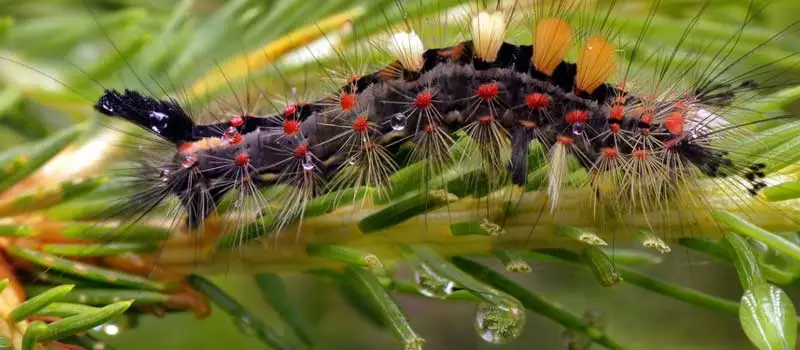
Understanding Bt and Spinosad: What Are They, and How Do They Work?
The Science Behind Bacillus Thuringiensis
Bacillus thuringiensis is a naturally occurring bacterium that lives in the soil and has changed the way that pests are controlled in agriculture around the world. This gram-positive bacterium makes unique parasporal crystal inclusions that contain delta-endotoxins, more specifically Cry proteins, during the sporulation process. These solid structures don't do anything until they are eaten by the pests. The alkaline environment in the pests' midguts sets off the toxins.
The activation process involves specific binding to receptor spots on the midgut epithelium of the bug. This makes the cell pores that stop digestion from working normally. With this focused method, the gut is paralyzed, which stops the pest from feeding within hours and kills it within 24 to 72 hours. Bacillus Thuringiensis Powder formulations are very selective, only killing insect types that are sensitive while leaving harmless arthropods and pollinators alone. This is because receptor binding is very specific.
Spinosad's Natural Fermentation Origins
Spinosad is made when Saccharopolyspora spinosa ferments. Saccharopolyspora spinosa is a naturally occurring soil actinomycete that was found in the soil of an old rum distillery. This biopesticide contains two primary active chemicals: spinosyn A and spinosyn D, which work as nerve disruptors, affecting insects' nervous systems in different ways.
It works by attacking both nicotinic acetylcholine receptors and GABA-gated chloride channels at the same time, which leads to rapid paralysis and death. This two-target method kills pests quickly; effects are usually seen 15 to 30 minutes after exposure. This makes Spinosad very useful for cases where pests need to be killed right away.
Environmental Impact and Safety Profiles
Compared to manufactured options, both biopesticides are very good at not harming the environment. In the soil, Bt formulations break down quickly, with half-lives of two to four days in usual field circumstances. This fast breakdown keeps groundwater from getting contaminated while still being persistent enough to keep pests away during application times.
Similarly, spinosad is good for the environment because it breaks down in earth systems within 9–17 days through photodegradation and bacterial metabolism. Both goods are approved for use in organic farming systems around the world, which shows that they have little to no effect on ecosystem health and animals that aren't intended to be killed.
Comparative Analysis: Bt vs. Spinosad for Pest Control in Agriculture
Target Pest Spectrum and Efficacy
One important thing that sets these biopesticides apart is their range of pest control choices. Bacillus Thuringiensis Powder is very good at killing lepidopteran larvae like corn borers, cabbage worms, tomato hornworms, and other caterpillar species that do a lot of damage to both market and specialty crop systems.
Different types of Bt have different ways of killing pests. Bt kurstaki is good at killing caterpillars, and Bt israelensis is great at getting rid of mosquito and black fly larvae. Because there are so many types, procurement managers can choose very specific mixtures that will work best for their pest problems.
Spinosad works against a wider range of pests, including thrips, leafminers, spider mites, different types of flies, and some beetle larvae. Spinosad is useful for greenhouses and specialty crops where more than one type of pest may be present at the same time because it can kill more of them.
Application Flexibility and Formulation Options
Modern forms of Bt include powders that can be wetted, grains that can be mixed with water, liquid concentrates, and emulsifiable concentrates. There are clear benefits to each type of mixture for various use situations and tool types. Granules that dissolve in water are better at dispersibility and less likely to move than traditional powder forms. Suspension concentrates, on the other hand, offer better UV protection and longer field persistence.
Spinosad usually comes in two forms: liquid concentrate and granules. There are also some slow-release forms that work for a longer time. The liquid formulations work well with a lot of farming inputs when mixed in a tank, which makes application handling easier for businesses.
Cost Considerations and Economic Returns
The prices of buying in bulk depend on the type of product, the amount ordered, and the supplier's relationship. Bacillus Thuringiensis Powder usually has reasonable prices for large-scale uses, especially when bought directly from reputable companies with a track record of reliable supply chains.
Aside from the initial cost of the product, the economic analysis also looks at how often it needs to be used, how much work is needed, and how well it protects the yield. During peak pest pressure, Bt usually needs to be reapplied every 5 to 7 days. Spinosad, on the other hand, may have residual activity for 7 to 10 days, based on the climate and the amount of pest pressure.
How to Choose Between BT and Spinosad for Your Business Needs?
Assessing Crop Protection Requirements
The choosing process starts with a full inspection of all of your production systems to find pests and measure the damage they cause. Crops predominantly affected by lepidopteran pests, such as corn, soybeans, cotton, and brassicas, typically benefit most from Bacillus Thuringiensis Powder applications. The specificity of Bt formulations allows for precise targeting without hurting populations of beneficial insects, which is important for integrated pest control programs.
Spinosad may be better for businesses that deal with a wide range of pests, especially those that include thrips, leafminers, or small flies, because it has a wider range of activities. Spinosad is often preferred in greenhouses and other controlled growing environments because it kills quickly and works with biological control methods.
Regulatory Compliance and Certification Requirements
Both biopesticides are still allowed to be used in organic farming according to the USDA National Organic Program, EU organic rules, and most other foreign organic certification systems. However, some formulations may have additives or carriers that change their organic approval status, so they need to be carefully checked during the buying process.
Different goods and markets have different maximum waste limits. Because their active ingredients are proteins, Bt formulations usually don't have any or very few MRL limits. On the other hand, Spinosad has set tolerance values that meet the needs of industrial production in major export markets.
Supplier Evaluation and Quality Assurance
Standardized potency tests, which are usually recorded in International Units per milligram for Bt products, show that reliable providers always provide high-quality products. Good Bt providers give out records of analysis that show the number of spores, the amount of protein, and the biological activity levels. These make sure that the product always works the same way in the field.
Spinosad and Bacillus thuringiensis powder providers should keep their products in the right way for the cold chain and show proof that the active ingredient stays stable during the whole delivery process. For both types of products, suppliers need to have strong quality control systems and proof that they follow all the rules for foreign trade.
Real-World Case Studies and Performance Verification
Large-Scale Corn Production Success
During the 2023 growth season, a large corn business in the Midwest used Bacillus Thuringiensis Powder to kill European corn borer populations on 2,500 hectares of land. The program killed 94% of the larvae it targeted, and it kept the numbers of helpful predators at 60% higher levels than fields treated with synthetic pyrethroids.
A study of the economy showed that the Bt program had treatment costs of $28 per hectare, while regular chemical cycles had costs of $45 per hectare. The benefits of yield protection led to an extra 0.8 tons of harvest per hectare, which meant net returns of $156 per hectare more than the untreated controls.
Greenhouse Vegetable Production Optimization
For controlling pests like whiteflies, thrips, and hornworms, an integrated greenhouse business that grew peppers and tomatoes used a program that rotated Bt and Spinosad. The rotation of biopesticides cut the use of synthetic pesticides by 75% while keeping crop quality levels high enough for top market outlets.
The method worked especially well at managing resistance; over three production cycles, pest populations showed no signs of developing tolerance. Labor costs went down because harvesting times could be expanded, and there were no limits on either product before harvest.
Return on Investment Analysis
Comparative economic modeling of biopesticide use across various crop systems consistently shows that it pays off. Businesses that used good Bacillus thuringiensis powder mixtures saw average yield security benefits of 8 to 15% compared to controls that weren't treated. These businesses could charge more in the organic and sustainable production markets.
The analysis includes lower liability risks from better worker safety, easier application time freedom, and better marketability of produce with fewer chemical residues. In addition to the direct benefits of yield security, these factors make the program much more profitable as a whole.
Expert Tips on the Optimal Use of Bt and Spinosad
Application Timing and Environmental Considerations
For biopesticide programs to work, the right time of applications must be carefully planned to match the biology of the pests and the factors in the environment. The best time to use Bacillus Thuringiensis Powder is when the larvae are still young, usually within 24 to 48 hours of hatching, when they are busiest eating.
Conditions in the environment have a big effect on how well something works. Because UV light breaks down Bt proteins quickly, treatments in the late evening or early morning are better than treatments in the middle of the day. The pH of the water in the tank should stay between 6.0 and 7.0 so that the crystals don't dissolve too quickly and so that biological activity stays high during the application process.
Spinosad uses are more stable in UV light, but they still need to be thought about in the same way. Because it kills pests quickly, Spinosad is useful for cases where pest control is needed right away, like stopping economic threshold breaches during high infestation periods.
Integration with IPM Systems
Both of these products work well with thoroughly integrated pest control systems. Using Bt protects natural enemy populations, which lets biological control agents keep the pressure on secondary pests. This flexibility lowers the overall cost of bug control while also supporting environmentally friendly farming methods.
Protocols for managing resistance suggest switching between different ways of killing pests, such as switching between Bt types or using both Bt and Spinosad together to kill different stages of a pest's life. By using this method, both items will last longer and continue to keep pests away throughout the growing season.
Storage and Handling Best Practices
Keeping products in the right way keeps their quality and makes sure they always work well in the field. To keep the spores alive and the proteins intact, Bacillus Thuringiensis Powder recipes need to be stored in a cool, dry place that is below 25°C. Exposure to moisture quickly lowers biological activity, so storing products in sealed containers is necessary to keep them working.
When possible, spinosad goods should be kept in a refrigerator, but safe formulations can be stored at room temperature for long periods of time. Both goods should not be exposed to cold temperatures, which can damage the stability of the mixture and lower the biological activity.
Conclusion
In the end, the choice between Spinosad and Bacillus Thuringiensis Powder relies on operating needs, target pest complexes, and goals for integrated pest management. Bt is very good at controlling lepidopterans, and it is also very safe for plants and cheap enough for large-scale use. Spinosad has a wider range of effects and works quickly to kill pests, which makes it useful in a variety of conditions. To make adoption work, you need to know how pests live, when to apply the chemicals, and how to fit them into larger IPM plans. Both of these items are environmentally friendly alternatives to synthetic pesticides that still work well enough for business farming.
FAQ
1. Can Bt and spinosad be used together in tank mixes?
Bacillus Thuringiensis Powder and Spinosad work well together in tanks as long as the right mixing steps are taken. The mix effectively gets rid of a wider range of pests while keeping the biological effects of both parts. But the pH level should stay between 6.0 and 7.0 so that both active ingredients work at their best.
2. How long do Bt and spinosad remain effective after application?
In normal field settings, Bt products usually have activity that lasts for three to five days. However, UV light and rain can shorten this time. Spinosad stays active for 7–10 days, based on the factors in its environment. Both items need to be reapplied based on pest tracking and the weather, not on a set plan.
3. What is the impact on beneficial insects like bees?
When used as directed on the package, both items are not very harmful to adult bees. Because it only affects lepidopteran eggs, Bt doesn't have much of an effect on pollinator numbers. Spinosad needs to be applied at the right time to keep it out of direct contact with bees that are feeding. However, it breaks down quickly on plant surfaces, which lowers the risk of long-term exposure.
Partner with Hontai for Premium Biopesticide Solutions
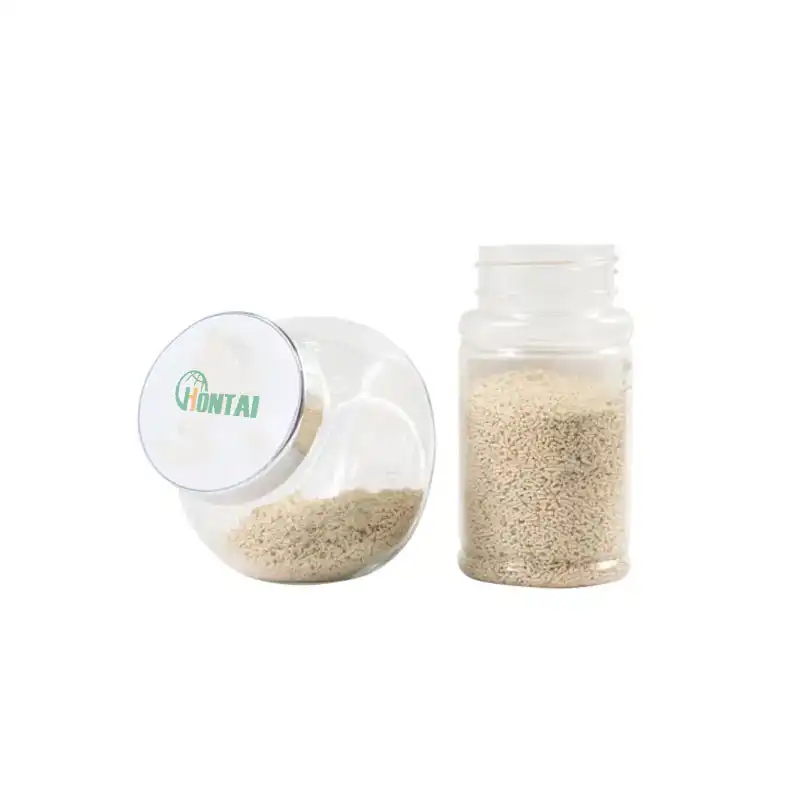
Businesses in agriculture that want to work with a reliable Bacillus Thuringiensis Powder provider will find complete answers through Hontai's extensive experience in making and distributing biopesticides. Our state-of-the-art fermentation facilities make high-potency products that are always the same and meet international quality standards. They also provide the dependability that is needed for large-scale pest control programs.
Hontai's technical team offers personalized advice services to help you choose the best products and use them in the best way for your crop security problems. We keep a large collection to meet your needs for big purchases, and our prices are competitive to help your business make more money. Our global logistics network makes sure that the supply chain is managed reliably, and our flexible packing choices can be used for a wide range of purposes.
Get in touch with our farming experts at admin@hontai-biotech.com to talk about custom biopesticide options that fit your goals for integrated pest control and meet government standards.
References
1. Bravo, A., Likitvivatanavong, S., Gill, S. S., & Soberón, M. (2011). Bacillus thuringiensis: A story of a successful bioinsecticide. Insect Biochemistry and Molecular Biology, 41(7), 423-431.
2. Cleveland, C. B., Bormett, G. A., Saunders, D. G., Powers, F. L., McGibbon, A. S., Reeves, G. L., & Rutherford, L. (2001). Environmental fate of spinosad. 1. Dissipation and degradation in aqueous systems. Journal of Agricultural and Food Chemistry, 49(8), 3610-3616.
3. Copping, L. G., & Menn, J. J. (2000). Biopesticides: a review of their action, applications and efficacy. Pest Management Science, 56(8), 651-676.
4. Lacey, L. A., Frutos, R., Kaya, H. K., & Vail, P. (2001). Insect pathogens as biological control agents: do they have a future? Biological Control, 21(3), 230-248.
5. Salgado, V. L., & Sparks, T. C. (2005). The spinosyns: chemistry, biochemistry, mode of action, and resistance. In Comprehensive Molecular Insect Science (Vol. 6, pp. 137-173). Elsevier.
6. Van Frankenhuyzen, K. (2009). Insecticidal activity of Bacillus thuringiensis crystal proteins. Journal of Invertebrate Pathology, 101(1), 1-16.
Our customers’ satisfaction speaks for our quality — contact us to experience the same reliable service.