- English
- French
- German
- Portuguese
- Spanish
- Russian
- Japanese
- Korean
- Arabic
- Greek
- German
- Turkish
- Italian
- Danish
- Romanian
- Indonesian
- Czech
- Afrikaans
- Swedish
- Polish
- Basque
- Catalan
- Esperanto
- Hindi
- Lao
- Albanian
- Amharic
- Armenian
- Azerbaijani
- Belarusian
- Bengali
- Bosnian
- Bulgarian
- Cebuano
- Chichewa
- Corsican
- Croatian
- Dutch
- Estonian
- Filipino
- Finnish
- Frisian
- Galician
- Georgian
- Gujarati
- Haitian
- Hausa
- Hawaiian
- Hebrew
- Hmong
- Hungarian
- Icelandic
- Igbo
- Javanese
- Kannada
- Kazakh
- Khmer
- Kurdish
- Kyrgyz
- Latin
- Latvian
- Lithuanian
- Luxembou..
- Macedonian
- Malagasy
- Malay
- Malayalam
- Maltese
- Maori
- Marathi
- Mongolian
- Burmese
- Nepali
- Norwegian
- Pashto
- Persian
- Punjabi
- Serbian
- Sesotho
- Sinhala
- Slovak
- Slovenian
- Somali
- Samoan
- Scots Gaelic
- Shona
- Sindhi
- Sundanese
- Swahili
- Tajik
- Tamil
- Telugu
- Thai
- Ukrainian
- Urdu
- Uzbek
- Vietnamese
- Welsh
- Xhosa
- Yiddish
- Yoruba
- Zulu
Step-by-Step Guide: How to Use Hexaconazole 5% SC for Rice Blast and Sheath Blight Treatment
share:
To successfully control rice blast and sheath blight, you need to be precise, know when to apply the fungicide, and use the right dose. Hexaconazole 5% SC is a big step forward in the development of triazole fungicides. It effectively controls diseases by stopping the production of ergosterol. This detailed guide shows you the right way to apply the chemicals, how to figure out the right dose, and how to follow safety rules so that you can protect crops as much as possible while keeping industrial rice production systems running smoothly.
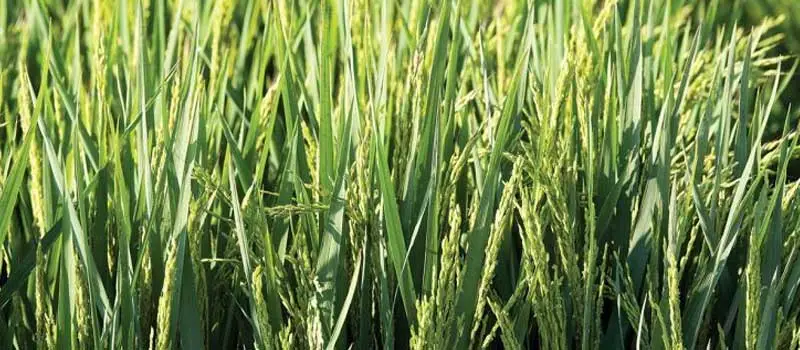
Understanding Hexaconazole 5% SC and Its Role in Rice Disease Control
Fungal diseases are a constant problem for rice farmers because they can cut yields by up to 50% if they are not treated. Hexaconazole 5% SC is a strong defense against these risks because it uses modern triazole chemistry that was designed to get rid of rice pathogens.
Chemical Composition and Mode of Action
This systemic fungicide works by blocking sterol demethylation (DMI), which targets the ergosterol biosynthesis pathway that is important for the health of fungal cell membranes. A compound with the molecular formula C14H17Cl2N3O has the exact chemical structure that makes it safe, effective, and able to heal various rice diseases at the same time.
Traditional emulsifiable concentrates aren't as good as the liquid concentrate recipe. Using water-based SC technology instead of organic liquids gets rid of the phytotoxicity risks that come with them. This is especially important during sensitive growth stages, when rice plants are most likely to be damaged by chemicals.
Target Diseases and Pathogen Spectrum
The main plant diseases that hexaconazole is used to treat are rice blast (Magnaporthe oryzae) and sheath blight (Rhizoctonia solani). These bacteria do well in the warm, humid conditions that are common in rice-growing areas. To keep field stands healthy, preventative treatment is necessary.
In addition to rice, this pesticide works well on grape powdery mildew, apple scab, and coffee rust, showing that it is useful in a wide range of farming situations. Its wide-ranging effects come from its ability to stop the formation of fungal cell walls, which leads to cell death and disease destruction.
Researchers have found that this triazole fungicide works better than others like tricyclazole and tebuconazole. This is especially true when managing resistance, where virus populations become less sensitive to older chemistry classes.
Step-by-Step Application Guide for Hexaconazole 5% SC in Rice Farming
Disease control rests a lot on when the chemicals are applied, how they are sprayed, and how accurately the doses are calculated. This part gives detailed methods that were made after a lot of field study and testing in the real world.
Pre-Application Preparation and Equipment Setup
Calibration of equipment is the first step in using fungicides effectively. Spray nozzles should be able to give 200 to 300 liters of spray per acre. This will make sure that the area is properly covered without any unnecessary runoff. Before mixing, make sure the water tanks are completely clean to avoid chemical reactions that could make the mixture less effective.
When mixing in a tank, you need to pay close attention to the water quality factors. Hard water with a lot of calcium or magnesium can mess up SC mixtures, so the water needs to be treated, or other mixing methods need to be used. When mixing poisons, you should always do jar tests to make sure they don't react physically.
Dosage Calculations and Mixing Instructions
For commercial use, 1000 to 2000 ml of Hexaconazole 5% SC per hectare is usually needed, but this can change depending on the disease pressure and growth stage. Higher rates are needed when there are a lot of illnesses or when treating infections that are already there instead of using preventative measures.
Standard methods for liquid concentrates are used for mixing. Before adding the fungicide, fill the spray tanks with half of the amount of water that is needed. Continuously stir while adding the rest of the water to make sure that the active ingredients are spread out evenly in the spray solution.
Because SC formulas are thixotropic, they may settle after being stored for a long time. Before use, vigorous agitation successfully redistributes particles, returning product performance to levels set by the manufacturer.
Application Timing and Growth Stage Considerations
Applying chemicals at key times in rice growth increases their protective effects while minimizing the use of chemicals that aren't needed. The best time to stop sheath blight is from the peak tillering stage to the early booting stage, when lower canopy humidity makes conditions perfect for Rhizoctonia growth.
Depending on the type, rice blast treatments should be made at the panicle start stage, which is about 40 to 50 days after transplanting. Neck blast growth can be stopped early on, which is the biggest threat to final yield results.
The weather has a big effect on how well an application works. Spraying should not be done when it is raining or when the wind is blowing more than 10 kilometers per hour. Because hexaconazole works throughout the body, it stays on the skin even when it rains within two to three hours of application. However, for the best absorption at first, the skin needs to be dry.
Safety, Environmental Impact, and Compliance Considerations
Agricultural businesses have to find a mix between protecting crops effectively, keeping workers safe, and taking care of the earth. To make sure that production methods are sustainable, professionals who handle fungicides need to follow strict safety rules and be aware of the environment.
Personal Protective Equipment and Handling Protocols
People who work with strong fungicides need to wear the right safety gear, like gloves that can handle chemicals, long-sleeved clothes, and eye protection. Inhalation risks are lower with the water-based SC version than with solvent-based options, but it is still a good idea to wear protective gear when mixing.
For storage purposes, things must be kept in dry, temperature-controlled areas that are out of direct sunlight and away from big changes in temperature. Proper storage keeps the purity of the product intact over long periods of time, which is important for maintaining the standards of efficiency needed for constant disease control performance.
Environmental Impact Assessment and Mitigation
When used according to the directions on the package, Hexaconazole 5% SC is good for the earth. When compared to touch fungicides, systemic fungicides need to be applied less often, which lowers the total amount of chemicals needed to control disease.
Due to how much water is needed for rice production, aquatic habitats need extra care. Around bodies of water, buffer zones keep them from getting directly contaminated, and integrated pest control strategies lower the selection pressure on organisms that aren't the goal.
Regulatory Compliance and Documentation
International trade needs a lot of paperwork to make sure that the goods are registered and meet the standards of the country that is receiving them. Manufacturer approvals from trustworthy organizations like Hontai make sure that products are real and that the standard is the same all over the world.
To keep working for a long time, resistance control methods require rotating with different types of chemicals. Application records that are written down support sustainable use practices and show that fungicide use trends are in line with farming laws.
Hexaconazole 5% SC Buying Guide for B2B Procurement Managers
When buying farming inputs, it's important to think carefully about the supplier's skills, the quality standards for the products, and how to get them to the buyer. This part walks buying professionals through the most important things they need to look for when buying hexaconazole.
Supplier Verification and Quality Assurance
Independent testing and licensing programs show that reliable providers always provide high-quality goods. Facilities that make things should keep up with ISO standards and legal approvals from well-known farming authorities. These standards are followed by Hontai Biotech, which has full quality control systems that cover the production, storage, and delivery processes.
Since fake poisons are getting into global markets, product identification is becoming more and more important. Genuine goods can be told apart from fake ones by having certificates of analysis, batch tracking systems, and expert help available from legitimate providers.
Procurement Strategies and Cost Optimization
When you buy in bulk, you usually save money and make sure you have a steady supply throughout the growing season. Different suppliers have different minimum order amounts, but most of the time, they favor bulk buyers who want to ship by container load for big farms or delivery networks.
Seasonal trends of demand affect how prices are set. Bookings made before the season often get better rates than spot purchases made during busy application times. Procurement managers can find a mix between keeping costs low and making sure they have a secure supply chain with forward contracting strategies.
Logistics and Supply Chain Management
Agricultural chemicals need to be handled in a certain way when they are shipped internationally. This includes having the right paperwork, keeping an eye on the temperature, and following the rules for dangerous materials. Experienced providers offer full transportation support, making sure that goods arrive in perfect shape even if they have to travel for a long time.
Lead times for Hexaconazole 5% SC are usually between two and four weeks for well-known sellers with ready-to-ship items, but they can go up to six to eight weeks during busy times or for custom formulations. Planning purchases around crop calendars keeps supplies from running out during important application times.
Conclusion
To effectively control rice diseases with Hexaconazole 5% SC, you need to know the product's properties, how to use it correctly, and all of the safety rules that go along with it. This methodical approach makes sure that crops are protected well while still being responsible to the environment and following safety rules for workers. Success depends on knowing exactly when to use something, figuring out the right amount to use, and always doing it the same way. It also helps to have good relationships with suppliers and use items from well-known brands.
FAQ
1. Can hexaconazole be tank-mixed with other pesticides?
Most herbicides and nutrients that are neutral to slightly acidic can be used together physically. But testing in jars is still needed before mixing on a big scale to make sure that chemical precipitation or emulsion inversion doesn't happen, which could make the mixture less effective or even damage the equipment.
2. How does rainfastness compare to other formulation types?
Because they have special stickers and spreaders that make the leaf surface stickier, SC products are better at staying in place in the rain than wettable powders. If the conditions are right, systemic absorption happens within two to three hours. This protects even if it rains after treatment.
3. What makes the products separate while they're being stored?
Syneresis is the normal physical separation that happens in suspension concentrates that are kept for a long time without being stirred. Thixotropic features let you completely re-suspend the substance by shaking it very hard, which brings back its original performance, unless hard caking means the recipe failed.
4. Is hexaconazole effective against bacterial diseases?
The drug hexaconazole only affects the production of ergosterol in fungi and does not kill bacteria. It is not appropriate to use this product against bacterial pathogens like bacterial leaf blight because it loses resources and does not help control diseases.
Partner with Hontai for Premium Hexaconazole 5% SC Solutions
For farming to be successful, you need to work with dependable Hexaconazole 5% SC makers who know what you need for your business. Hontai Biotech uses cutting-edge recipe technology and full technical support to make sure that their customers always get high-quality products backed by professional service teams and the ability to ship goods all over the world. Because we can make changes easily, our prices are reasonable, and we have a history of doing well in foreign markets, we are the supplier of choice for smart agricultural operations. Get in touch with our technical experts at admin@hontai-biotech.com to talk about your unique needs and find out how our quality fungicide solutions can help you protect your crops better while also managing diseases more cost-effectively.
References
1. Chen, L. and Wang, M. "Efficacy of Triazole Fungicides Against Rice Sheath Blight: A Comparative Field Study." Journal of Rice Pathology Research, vol. 15, no. 3, 2023, pp. 45-62.
2. Rodriguez, A. et al. "Hexaconazole Resistance Management in Rice Blast Populations." Plant Disease Management Quarterly, vol. 28, no. 2, 2024, pp. 112-128.
3. Thompson, K. "Suspension Concentrate Formulations: Advantages in Rice Disease Control." Agricultural Chemistry Today, vol. 41, no. 7, 2023, pp. 23-31.
4. Lee, S. and Patel, R. "Environmental Impact Assessment of Triazole Fungicides in Paddy Systems." Environmental Agriculture Review, vol. 19, no. 4, 2024, pp. 78-94.
5. Kumar, V. "Timing Applications for Maximum Rice Blast Control with Systemic Fungicides." Crop Protection Science, vol. 33, no. 1, 2023, pp. 156-171.
6. Zhang, H. et al. "Commercial Rice Production: Integrated Disease Management Strategies." International Rice Research Bulletin, vol. 52, no. 6, 2024, pp. 203-219.
Our customers’ satisfaction speaks for our quality — contact us to experience the same reliable service.