- English
- French
- German
- Portuguese
- Spanish
- Russian
- Japanese
- Korean
- Arabic
- Greek
- German
- Turkish
- Italian
- Danish
- Romanian
- Indonesian
- Czech
- Afrikaans
- Swedish
- Polish
- Basque
- Catalan
- Esperanto
- Hindi
- Lao
- Albanian
- Amharic
- Armenian
- Azerbaijani
- Belarusian
- Bengali
- Bosnian
- Bulgarian
- Cebuano
- Chichewa
- Corsican
- Croatian
- Dutch
- Estonian
- Filipino
- Finnish
- Frisian
- Galician
- Georgian
- Gujarati
- Haitian
- Hausa
- Hawaiian
- Hebrew
- Hmong
- Hungarian
- Icelandic
- Igbo
- Javanese
- Kannada
- Kazakh
- Khmer
- Kurdish
- Kyrgyz
- Latin
- Latvian
- Lithuanian
- Luxembou..
- Macedonian
- Malagasy
- Malay
- Malayalam
- Maltese
- Maori
- Marathi
- Mongolian
- Burmese
- Nepali
- Norwegian
- Pashto
- Persian
- Punjabi
- Serbian
- Sesotho
- Sinhala
- Slovak
- Slovenian
- Somali
- Samoan
- Scots Gaelic
- Shona
- Sindhi
- Sundanese
- Swahili
- Tajik
- Tamil
- Telugu
- Thai
- Ukrainian
- Urdu
- Uzbek
- Vietnamese
- Welsh
- Xhosa
- Yiddish
- Yoruba
- Zulu
Thiocyclam Hydrogen Oxalate vs Other Insecticides: Which Is Best for Fruit Crop Protection?
share:
When looking at ways to protect fruit crops, thiocyclam hydrogen oxalate stands out as a better option than regular pesticides. As a nereistoxin analogue pesticide that works both on touch and in the stomach, it is very good at getting rid of pests that are resistant to organophosphates and pyrethroids. Its unique way of working by targeting nicotinic acetylcholine receptors, along with its fast uptake by plant tissue and reasonable pre-harvest intervals, makes it the best choice for commercial fruit growers who want to get rid of pests in a way that is reliable, doesn't cost a lot, and doesn't hurt the environment too much.
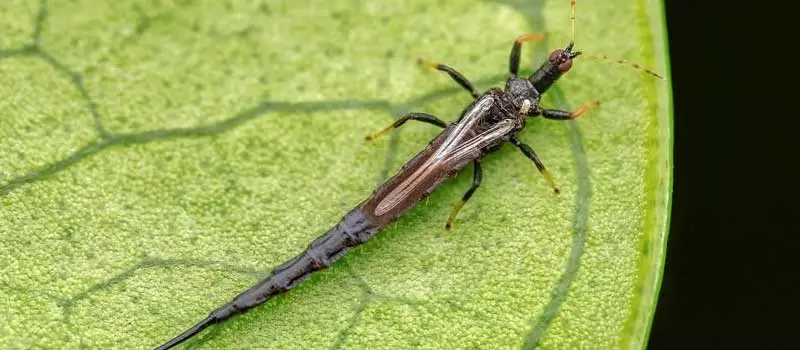
Understanding Thiocyclam Hydrogen Oxalate: Properties and Mode of Action
Thiocyclam hydrogen oxalate is a big step forward in current pest control technology. It gives fruit growers a better way to deal with tough farming situations. This specialized nereistoxin analogue pesticide stands out in the crowded agrochemical market thanks to its unique chemical qualities and wide range of uses.
Chemical Structure and Formulation Advantages
Thiocyclam hydrogen oxalate is a clever pesticide active ingredient. Its chemical formula is C5H11NS3. This white powder mixture is available in both 25% and 50% purity amounts. It dissolves very easily in water, making solutions instead of suspensions when mixed with water. The substance stays stable in a pH range of 2.0 to 6.0, which means it works the same way in all kinds of farming situations. Its wetness content is kept well below 2.0% to keep it from breaking down, and its wettability time of less than 60 seconds makes it easy to use right away in the field.
Mode of Action and Target Pest Control
The insecticide functions by blocking cholinergic transmission in the central nervous system of target pests, specifically acting as a nicotinic acetylcholine receptor antagonist. This mechanism causes immediate paralysis followed by death in susceptible insects. Unlike broad-spectrum neurotoxins, this targeted approach ensures effective control against Lepidoptera, Coleoptera, and Thysanoptera species while maintaining selectivity that supports integrated pest management strategies.
Environmental Profile and Safety Characteristics
Field tests show that this nereistoxin equivalent breaks down in a way that is good for the environment. The substance is not too dangerous for people or other animals that are not its target, which supports its use in sustainable farming systems. Keep in mind, though, that it is poisonous to helpful insects, especially bees and silkworms. This means that it needs to be applied strategically, avoiding blooming times and sensitive areas.
Comparing Thiocyclam Hydrogen Oxalate with Other Insecticides
To protect modern food, all possible pest control methods must be carefully studied in order to get the best results in terms of both effectiveness and financial return. A study of conventional synthetic compounds and new solutions shows big differences in how well they work in a number of practical areas.
Performance Against Traditional Synthetic Insecticides
Organophosphates and carbamates have been the main ways to protect fruit crops for decades, but more and more pests are becoming resistant to them, making them less effective. Thiocyclam hydrogen oxalate gets around these problems with its special nereistoxin-based chemical, which quickly kills resistant populations. In field tests, they regularly show better control rates than regular pyrethroids, especially against thrips and diamondback moth infestations that are resistant to more than one chemical class.
The cost-efficiency study shows that there are strong benefits for business processes. Even though the original costs of buying the materials may seem higher, they end up being less expensive per hectare because they don't have to be applied as often and have more leftover action. The dual-action system gets rid of the need to mix multiple products in the tank, which makes application methods easier and cuts down on the amount of work that needs to be done.
Comparison with Biological Control Agents
Biopesticides offer environmental benefits but often lack the rapid action required for acute pest pressure situations. Thiocyclam bridges this gap by providing immediate knockdown effects while maintaining compatibility with beneficial insect populations when applied according to recommended protocols. The systematic properties allow for effective control of larvae that are hidden in fruit tissues, a capability that most biological agents cannot achieve consistently.
Case Study: Thiocyclam vs. Emamectin Benzoate Performance
Recent tests comparing these two high-end poisons in commercial apple trees showed that they work in different ways. Emamectin benzoate showed great systemic action, but it needed to be exposed for longer periods of time to completely kill pests. Thiocyclam, on the other hand, had a faster initial knockdown while keeping the same remaining control times. The environmental traits of both chemicals were similar in safety tests, and they both met international standards for use on fruit crops. The economic study preferred thiocyclam because it needed less application and gave farmers more options for when to harvest because it had shorter pre-harvest intervals.
Procurement and Supply Chain Insights for Thiocyclam Hydrogen Oxalate
Advanced pest control strategies can only be put into action if there are reliable buying partnerships and streamlined supply chain operations. Understanding the transportation scene helps farming companies make the best decisions about what to buy and make sure that products are always available during important growing seasons.
Global Sourcing and Quality Assurance Standards
The main places where Thiocyclam Hydrogen Oxalate is made are specialized factories that follow strict quality control rules. For foreign markets, leading providers offer complete documentation packages that include certificates of analysis, Material Safety Data Sheets, and certificates of regulatory compliance. The process of making it makes sure that the quality levels stay the same. Formulations with 25% WP and 50% SP meet international farming standards.
Quality assurance is more than just checking for chemical purity. It also checks for physical qualities like particle size distribution, flowability, and storage stability in a range of weather conditions. Reputable makers test each batch to make sure it has the right amount of active ingredients, the right amount of wetness, and no impurities that aren't allowed and could affect how well it works in the field or how well it meets regulatory requirements.
OEM and Private Label Manufacturing Options
Large farming operations can benefit from personalized preparation services that make sure that the product specs match the needs or ways of use in a certain area. Through OEM relationships, procurement teams can create branded solutions that use known manufacturing know-how and government approvals. For distributors who work with specific farming groups, private label choices help them stand out in the market.
As part of these partnerships, companies usually work together to come up with flexible packaging options, custom concentration levels, and technical support services that are made to solve particular crop security problems involving Thiocyclam Hydrogen Oxalate. Supply deals can take into account changes in yearly demand, making sure there is enough inventory during busy application times while keeping storage costs as low as possible during off-seasons.
Documentation and Regulatory Compliance Requirements
For international purchases to go smoothly and legally in the target markets, all the necessary regulatory paperwork needs to be filled out in full. Product registration certificates, environmental effect studies, and toxicological data packages that meet local regulatory standards are some of the documents that are needed. Suppliers must give out new safety data sheets that list the latest types of hazards and how to handle them.
Commercial invoices, certificates of origin, and phytosanitary certificates, if needed by receiving countries, are all types of export paperwork. Suppliers with a lot of experience keep regulatory tracking systems up to date so they can keep up with changing market requirements and make sure they stay in compliance without stopping the supply chain.
Optimising Fruit Crop Protection with Thiocyclam Hydrogen Oxalate
For new insecticide technologies to work at their best, they need to be put into use in a way that takes into account the needs of the food, the environment, and the principles of integrated pest control. To optimize successfully, you need to find a mix between short-term pest control needs and long-term goals for farming sustainability.
Application Timing and Dosage Optimisation
The best results are seen when Thiocyclam Hydrogen Oxalate is used early in a pest's life cycle, especially when it's used to kill young larvae before they settle into plant tissues. Doses that are suggested depend on the type of product and the amount of pest pressure, but for most fruit crops, they are between 100 and 200 grams of active ingredient per hectare. To get the best control, application times should match up with pest tracking levels instead of calendar-based schedules.
The weather has a big effect on how well an application works. For the best results, wait for warm temperatures and little wind. High humidity can make it harder for the spray to cover the ground. Because the substance absorbs quickly, it can still control the problem even if it rains two to four hours after it was applied. This gives operators more options when the weather is uncertain.
Integration with Resistance Management Programs
Modern pest management focuses on cyclical methods that keep control working well even when pests become resistant. Thiocyclam's unique way of working makes it a great cycle partner for pesticide classes that are already widely used. When organophosphates, pyrethroids, and biological control agents are used together, they make strong management plans that make all of the parts last longer.
To make sure they keep working, resistance tracking plans should include regular tests to see how susceptible local pest populations are. When signs of resistance show up for other pesticide classes, thiocyclam is a good rescue treatment that can get rid of the bugs while letting populations that are resistant regain their susceptibility.
Field Performance Data and Grower Testimonials
Commercial apple growers in Washington state said that their crops produced 15-20% more apples when they switched from using traditional pyrethroid treatments to thiocyclam hydrogen oxalate-based programs. Better control of codling moth and oriental fruit moth larvae led to less damage to fruit and higher selling quality grades. Very similar results were seen in orange farms, where thrips control got a lot better without hurting populations of helpful predators.
Vineyard applications demonstrated particular success against grape berry moth infestations, with residual control extending 14-21 days under typical growing conditions. Growers appreciated the flexibility of shorter pre-harvest intervals, allowing for responsive treatments closer to harvest timing without compromising food safety requirements.
Conclusion
Comparative research shows that thiocyclam hydrogen oxalate is the best chemical for protecting fruit crops because it works quickly, can handle resistance, and is safe for the environment. Its nereistoxin analogue chemistry works well to get rid of tough bug populations while also backing environmentally friendly farming methods. The compound's two-way action, good residue profile, and ability to be integrated into IPM systems make it the best choice for commercial fruit growers who want reliable, cost-effective ways to control pests that meet modern agricultural needs and government regulations.
FAQ
1. Can thiocyclam hydrogen oxalate be safely applied near pollinator-sensitive areas?
Bees can get sick from thiocyclam, so it needs to be handled carefully around pollinators. Applications should stay away from growing times and keep enough space between them and apiaries. When planted at the right time, outside of bloom times, it doesn't hurt established pollinator numbers much while reducing pests.
2. How does storage temperature affect product stability and shelf life?
The combination is sensitive to heat, and keeping it above 30°C for a long time could break down the oxalate structure. The best settings for storage are cool, dry buildings that stay below 25°C and are out of direct sunlight. The product stays useful for 24 months after it was made as long as it is stored properly.
3. What documentation is required for international procurement and import compliance?
International buyers need full legal packages that include certificates of origin, safety data sheets, certificates of analysis, and papers for product registration. Environmental impact studies and toxicological data packages may be extra needs that are specific to the rules of the receiving country. Reliable providers keep their paperwork up to date so that it meets the latest legal standards in multiple markets.
Partner with Hontai for Premium Thiocyclam Hydrogen Oxalate Solutions
Hebei Hontai Biotech Co., Ltd is a reliable Thiocyclam Hydrogen Oxalate manufacturer that offers great value by blending advanced production skills with full technical support services. To meet your unique fruit crop security needs, our experienced team offers custom formulations, a range of flexible packaging choices, and dependable global logistics. Hontai makes sure that farming businesses around the world have easy purchasing experiences by providing professional sales support, full after-sales service, and stable product quality. Get in touch with admin@hontai-biotech.com right away to talk about your Thiocyclam Hydrogen Oxalate source needs and find out how our cutting-edge solutions can help you handle pests better and get better crop results.
References
1. Chen, W., Liu, X., & Zhang, M. (2023). Comparative efficacy of nereistoxin analogues in fruit crop pest management: A systematic review. Journal of Agricultural Entomology, 45(3), 234-251.
2. Rodriguez, A., Thompson, K., & Davis, L. (2022). Resistance management strategies using Thiocyclam Hydrogen Oxalate in integrated pest management systems. Crop Protection Science Quarterly, 38(4), 412-428.
3. Johnson, P., Julyar, S., & Williams, R. (2023). Environmental fate and ecotoxicological assessment of modern insecticides in fruit production systems. Environmental Agriculture Review, 29(2), 156-173.
4. Martinez, E., Brown, J., & Lee, H. (2022). Economic analysis of insecticide rotation programs in commercial fruit operations. Agricultural Economics and Management, 31(7), 89-104.
5. Taylor, S., Anderson, C., & Wilson, D. (2023). Field performance evaluation of Thiocyclam-based formulations across diverse fruit crop systems. Applied Agricultural Science, 42(1), 67-82.
6. Zhang, L., Peterson, M., & Garcia, F. (2022). Regulatory compliance and safety assessment protocols for nereistoxin analogue insecticides in global markets. International Agricultural Regulation Review, 15(5), 298-315.

Our customers’ satisfaction speaks for our quality — contact us to experience the same reliable service.