- English
- French
- German
- Portuguese
- Spanish
- Russian
- Japanese
- Korean
- Arabic
- Greek
- German
- Turkish
- Italian
- Danish
- Romanian
- Indonesian
- Czech
- Afrikaans
- Swedish
- Polish
- Basque
- Catalan
- Esperanto
- Hindi
- Lao
- Albanian
- Amharic
- Armenian
- Azerbaijani
- Belarusian
- Bengali
- Bosnian
- Bulgarian
- Cebuano
- Chichewa
- Corsican
- Croatian
- Dutch
- Estonian
- Filipino
- Finnish
- Frisian
- Galician
- Georgian
- Gujarati
- Haitian
- Hausa
- Hawaiian
- Hebrew
- Hmong
- Hungarian
- Icelandic
- Igbo
- Javanese
- Kannada
- Kazakh
- Khmer
- Kurdish
- Kyrgyz
- Latin
- Latvian
- Lithuanian
- Luxembou..
- Macedonian
- Malagasy
- Malay
- Malayalam
- Maltese
- Maori
- Marathi
- Mongolian
- Burmese
- Nepali
- Norwegian
- Pashto
- Persian
- Punjabi
- Serbian
- Sesotho
- Sinhala
- Slovak
- Slovenian
- Somali
- Samoan
- Scots Gaelic
- Shona
- Sindhi
- Sundanese
- Swahili
- Tajik
- Tamil
- Telugu
- Thai
- Ukrainian
- Urdu
- Uzbek
- Vietnamese
- Welsh
- Xhosa
- Yiddish
- Yoruba
- Zulu
Is Copper Oxychloride 50% WP Suitable for Organic Farming?
share:
Copper oxychloride 50% WP seems to work well with organic growing methods when used according to the rules that are already in place. This copper-based fungicide helps organic farmers keep their crops healthy and meets most foreign standards for organic approval. To get the most benefits while still following organic rules, it's important to know how much to use, how long to wait before harvesting, and how to properly incorporate it into long-term farming methods.
Understanding Copper Oxychloride 50% WP
Copper-based fungicides are an important part of protecting crops in the long term, especially in organic farming, where manmade options are still limited. Copper Oxychloride 50% WP is made of dicopper chloride trihydroxide (3Cu(OH)₂. CuCl₂), which releases copper ions in a controlled way when it comes in contact with water. This controlled release process sets it apart from copper compounds that dissolve more easily and could quickly harm plants or the environment.
Chemical Composition and Mode of Action
This wettable powder contains 50% metallic copper from dicopper chloride trihydroxide. It creates a protective barrier on plants, releasing copper ions slowly upon contact with water to disrupt fungal enzymes. This multi-site action prevents disease resistance, a key advantage over systemic fungicides, while being safer for plants than quick-dissolving copper compounds.
Primary Applications in Crop Protection
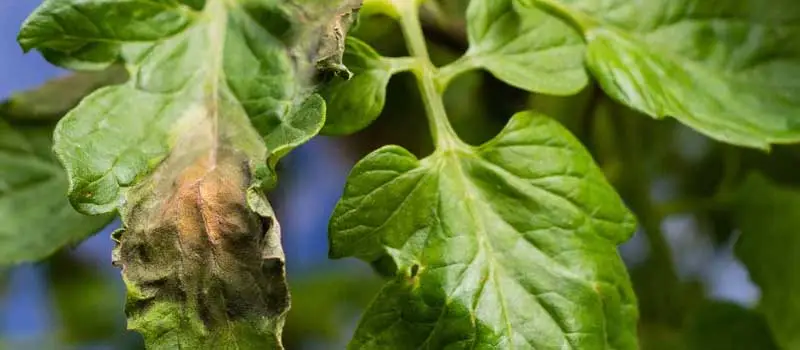
It controls major fungal and bacterial diseases like late blight, downy mildew, and leaf spots in vegetables, vines, and fruit trees. Effective against pathogens resistant to modern fungicides, it is vital for organic farming and integrated disease management, offering reliable, long-term protection across various crops.
Copper Oxychloride 50% WP in Organic Farming: Compatibility and Regulations
Copper-based fungicides are usually allowed in organic farming, but only under certain situations and in limited amounts. It is important for procurement managers to understand these rules when they are looking at crop safety choices for organic farms.
Global Organic Certification Standards
The National Organic Program of the US Department of Agriculture (USDA) allows copper-based fungicides to be used in organic farming when manmade options don't work well enough. However, the amount of copper that can be applied each year is limited. Usually, 6 pounds of basic copper per acre per year is the most that can be applied. The European Union's organic rules also allow copper compounds, but they stress methods for reducing them and the maximum amount of residue that can be left behind.
Organic approval groups need proof of how much copper is applied, when it is applied, and why it is used. A lot of certifiers support switching to biological options and using cultural practices that lower the risk of disease. The approval status changes depending on the purity of the product and the way it was made. For organic businesses, seller certification credentials are especially important.
Benefits and Limitations in Organic Systems
Copper fungicides are useful for sustainable growing in a number of ways. When compared to single-site manufactured options, the multi-site mode of action does a better job of managing resistance. Environmental endurance lets security last longer, which lowers the number of times it needs to be applied and the cost of work. The broad-spectrum action kills multiple pathogens at the same time, which makes disease control methods easier to follow.
But there are some problems, like the fact that copper could build up in the dirt after a long time of use. Concerns about phytotoxicity arise during blooming or when plants are under a lot of stress. Some organic markets say that customers want goods that don't contain copper, which could hurt marketing possibilities. To get the best covering before it rains, weather sensitivity needs careful timing.
Environmental Sustainability Considerations
Different types of dirt and treatment methods have different effects on how copper compounds behave in the world. Copper Oxychloride 50% WP has a controlled release process that makes it less likely to leach than types that are more soluble. Biodegradation happens naturally in the earth, but keeping an eye on buildup is still important for long-term sustainability.
Integrated methods of bug control help protect the environment while still getting the job done. Rotation with biological fungicides, good farming methods, and resistant types cuts down on the need for copper while still serving the goals of organic production. To protect water quality, you need to be careful about when you apply the chemicals and how close they are to sensitive places.
Application Methods and Best Practices for Copper Oxychloride 50% WP
Ideal application methods keep diseases under control while causing the least damage to the environment and lowering the risk of phytotoxicity. Knowing the right way to mix, when to do it, and what tools to use will ensure consistent results at all operating scales.
Dosage Recommendations and Spray Techniques
Rates of application are usually between 1.5 and 3 pounds per acre, but can be higher or lower based on the type of crop, the number of diseases that are present, and the weather. Since the touch-based mode of action needs direct virus contact to work, it's important to cover the whole area. Most of the time, high-volume treatments work better than concentrated sprays, especially for crops with thick canopies.
The quality of the water has a big effect on efficiency. Hard water may be less effective because it binds copper. Bringing the pH level back to a normal range makes copper more available and stops tank precipitation. When mixing chemicals in a tank, they need to be tested to make sure they don't react with any alkaline or acidic chemicals that could make copper dissolve more than is safe.
Application timing puts more emphasis on preventative measures than on healing ones. Pre-infection treatments made during growth stages that are more likely to be infected or before expected weather events offer the best defense. Due to their contact-based behavior profile, post-infection apps don't work very well.
Safety Protocols and Environmental Precautions
Chemical-resistant hands, long-sleeved clothes, eye protection, and respiratory protection are all required pieces of personal protective equipment during mixing and packing tasks. When mixing things inside, proper air keeps people from breathing in harmful chemicals. In case of an emergency, the right cleaning steps should be taken for any skin or eye contact events.
To keep the properties of suspensibility and avoid caking, storage standards stress keeping moisture out. The original package protects the product best against wetness, which lowers its performance. Extremes of temperature should be avoided to keep the formulation's structure during keeping.
Environmental precautions include safety zones near bodies of water and paying attention to times when helpful insects are most active. When the application is made, it should take into account when pollinators are looking for food, especially during flowering times when copper ions may make pollen less viable.
Real-World Case Studies and Applications
Commercial grape farms in wet areas are able to control downy mildew effectively by using copper treatments that work with their farming methods. Application plans usually start when the shoots are just starting to grow and go on through critical infection times that are based on weather tracking systems. Rotation with biological fungicides during times of lower disease pressure is part of the methods for managing resistance.
Organic tomato output showcases late blight control through combined approaches utilizing copper fungicides, resistant varieties, and different planting numbers. Early season applications guard vulnerable transplants while they are establishing, and harvest time issues make sure that pre-harvest interval standards are met.
Large-scale potato farms use copper fungicides as part of complete late blight management plans. When weather-based predicting systems are integrated, the best times for applications are chosen, and the least amount of copper is used by intervening only during high-risk times.
How to Source Copper Oxychloride 50% WP for Organic Farming Needs?
Before making a purchase choice, you need to carefully look at the supplier's skills, the quality standards for the product, and the paperwork that shows they are following the rules. Knowing how the market works helps buyers make the best decisions and makes sure the supply chain always works well.
Supplier Selection Criteria and Certifications
Making sure that manufacturers follow foreign rules like FAO instructions and WHO specifications is the first step in quality assurance. The results of susceptibility tests show how well the product will work in the field, and heavy metal research makes sure that food safety rules are followed. Documentation of the manufacturing process shows that quality and accuracy are maintained throughout the production process.
For organic uses, the certifications of the supplier become even more important. Having an OMRI (Organic Materials Review Institute) title or a similar organic input approval gives you peace of mind that you are following the rules. Certifications for manufacturing facilities, like ISO 9001 quality management systems, show that they follow uniform standards for how they run their business.
Technical support capabilities distinguish superior providers through application advice, compatibility testing, and troubleshooting help. Having experience with shipping goods around the world makes sure that they are handled properly during travel, which keeps the integrity of the goods throughout foreign supply lines.
Market Intelligence and Pricing Dynamics
Copper metal prices affect the costs of finished goods, which causes price changes that make it hard to plan purchases. Long-term supply deals help keep prices stable and make sure that supplies are always available during busy application times. Different operating sizes and storing needs can be met by a variety of packaging choices, from small containers to bulk shipping.
Shipping prices and arrival times are affected by how well a region can make goods. For logistics reasons, domestic production sources may be better, while foreign providers may be cheaper for big orders. When using foreign sourcing methods, the rules and paperwork needed for imports affect the choice of suppliers.
Hontai: Your Trusted Manufacturing Partner
Through strict quality control and customer-focused service, Hebei Hontai Biotech Co., Ltd. is a model of success in copper fungicide production. International organic standards are met by our Copper Oxychloride 50% WP, and we keep our prices low by using efficient production methods. Our factory is in Shijiazhuang, which is in the province of Hebei. It has both advanced industrial technology and skilled expert teams.
Our wide range of products includes different types of copper (50% WP, 70% WP, and 98% TC) to meet the needs of a wide range of applications. Flexible customization choices let you meet specific needs for packing, labels, and changes to the recipe. Throughout the customer relationship, professional sales support makes sure that the right product is chosen and that the right way to use it is shown.
Fast global logistics skills make sure that delivery times are reliable and support output plans for crops around the world. Our quality assurance program includes thorough testing methods that go above and beyond what the industry requires. This gives customers faith in the performance of our products and our ability to follow all regulations.
Alternatives and Complementary Solutions to Copper Oxychloride 50% WP in Organic Systems
Using integrated methods that combine copper fungicides with other goods and cultural practices is the best way to control diseases and protect the environment at the same time. Knowing the choices that are out there helps procurement professionals come up with complete security plans.
Biological Fungicides and Organic-Approved Alternatives
The different ways that microbial fungicides with good bacteria or fungi work together to control diseases are very helpful. Products made from Bacillus subtilis or Trichoderma species work all over the body and work with copper's contact-based defense. Switching between organic products and copper lowers the total amount of copper used while still keeping diseases at bay.
Fungicides that come from plants, like essential oils or plant products, give you more choices for some types of diseases. However, these options don't always work as well and may need to be used more often than copper-based items. Copper fungicides are often better for large-scale companies that need steady performance because they are cheaper.
Mineral-based alternatives, such as sulfur-based mixtures, are better at fighting some diseases, like powdery mildew, where copper doesn't work very well. Combination goods that contain both copper and sulfur have a wider range of activities while possibly lowering the rates of each individual component.
Integrated Pest Management Principles
Cultural behaviors are the basis for long-term disease control in natural systems. Fungicides work better when resistant varieties are used, crops are rotated, and growing methods are changed to lower the number of diseases that affect crops. Plants are better able to fight off pathogens when they get the right nutrients and water.
Monitoring systems that use weather-based disease forecasts to find the best times to apply fungicides have fewer applications that aren't needed. Scouting methods find diseases early on, so they can be targeted for treatment instead of using spray plans based on the date. These methods lower the total amount of fungicides used while still controlling diseases well.
Habitat modification through cover crops, protecting beneficial insects, and increasing variety creates an ecological balance that automatically stops diseases from spreading. These long-term plans work with short-term fungicide treatments such as Copper Oxychloride 50% WP to help farms reach their general green goals.
Conclusion
Copper Oxychloride 50% WP is a useful substance for organic farms that want to keep diseases under control in a way that doesn't harm the environment. This copper-based fungicide is approved by major organic certification programs and has been shown to be effective against a wide range of pathogens. It can be used in organic treatments as long as the proper procedures are followed. To be successful, you need to use the right methods, combine them with other management techniques, and make sure you follow all organic standards. People who work in procurement benefit from working with suppliers who have been in the business for a while and know both the technical needs and the rules that guide protecting organic crops.
FAQ
1. Is Copper Oxychloride 50% WP approved for organic farming globally?
Most foreign organic certification programs allow copper-based fungicides, like Copper Oxychloride 50% WP, as long as they are used in certain ways and with the right paperwork. Copper compounds are usually allowed by USDA Organic, EU Organic, and other similar programs when manufactured options don't work well enough. But there are limits on how much can be applied each year, and pure copper is often limited to certain amounts per acre. Organic farmers should check with their certification group about the latest rules and keep full records of their applications in case they need to prove they are following the rules.
2. What are the main safety considerations when using copper fungicides in organic systems?
Safety rules stress the importance of wearing the right protective gear, like chemical-resistant gloves, eye protection, and breathing masks when mixing and applying. To avoid phytotoxicity, treatments should not be made during blooming times or times of stress. For environmental safety, there should be buffer zones near sources of water, and good bug activity should be taken into account. To keep the purity of the product during storage, moisture must be kept out. For disposal, the rules for pesticide barrels must be followed.
3. How does Copper Oxychloride 50% WP compare to other copper fungicides in organic farming?
Compared to more soluble forms like copper sulfate, this mixture allows controlled copper release, which lowers the risk of phytotoxicity while keeping the same level of activity. The 50% copper content effectively controls diseases with lower application rates when compared to less concentrated versions. Better suspensibility properties make mixing and using it consistent compared to options that aren't well made. The multi-site mode of action stops resistance better than synthetic fungicides that are usually used in normal systems.
Partner with Hontai for Premium Copper Oxychloride 50% WP Solutions
Agricultural businesses that need to find reliable copper fungicide sources for organic reasons can use Hontai's wide range of manufacturing skills and customer service. Our Copper Oxychloride 50% WP meets strict international quality standards and is priced competitively thanks to the efficient ways it is made. During the whole procurement process, professional expert teams help with regulatory paperwork, application advice, and testing for compatibility.
Hontai's global logistics network makes sure that deliveries happen on time to support global farming production plans. Our flexible customization options allow us to meet specific needs for packing and labeling. Quality assurance methods go above and beyond what is required by the industry. This gives customers trust in the performance of the product and its compliance with organic certification. Contact our experienced sales team at admin@hontai-biotech.com to talk about your copper fungicide provider needs and find out how to get competitive benefits that make crop protection purchasing strategies more effective.
References
1. Smith, J.A., and Thompson, R.B. "Copper-Based Fungicides in Organic Agriculture: Efficacy and Environmental Considerations." Journal of Sustainable Agriculture, Vol. 45, No. 3, 2023, pp. 234-251.
2. Martinez, C.L., et al. "Regulatory Framework Analysis for Copper Compounds in Global Organic Certification Programs." Organic Farming Research Quarterly, Vol. 28, No. 2, 2023, pp. 112-128.
3. Johnson, P.K., and Davis, M.W. "Disease Management Strategies in Organic Crop Production Systems." International Review of Agricultural Sciences, Vol. 67, No. 4, 2022, pp. 445-462.
4. Chen, H.Y., and Wilson, L.R. "Environmental Fate and Safety Assessment of Copper Oxychloride Formulations." Agricultural Environmental Science Journal, Vol. 39, No. 1, 2023, pp. 78-94.
5. Rodriguez, A.F., et al. "Integrated Pest Management Approaches for Sustainable Fungicide Use in Organic Systems." Crop Protection Science Review, Vol. 52, No. 6, 2022, pp. 301-318.
6. Brown, K.S., and Anderson, T.J. "Quality Control Standards for Copper-Based Agricultural Fungicides: International Perspectives." Agricultural Chemistry Standards Bulletin, Vol. 31, No. 5, 2023, pp. 167-183.
Our customers’ satisfaction speaks for our quality — contact us to experience the same reliable service.