- English
- French
- German
- Portuguese
- Spanish
- Russian
- Japanese
- Korean
- Arabic
- Greek
- German
- Turkish
- Italian
- Danish
- Romanian
- Indonesian
- Czech
- Afrikaans
- Swedish
- Polish
- Basque
- Catalan
- Esperanto
- Hindi
- Lao
- Albanian
- Amharic
- Armenian
- Azerbaijani
- Belarusian
- Bengali
- Bosnian
- Bulgarian
- Cebuano
- Chichewa
- Corsican
- Croatian
- Dutch
- Estonian
- Filipino
- Finnish
- Frisian
- Galician
- Georgian
- Gujarati
- Haitian
- Hausa
- Hawaiian
- Hebrew
- Hmong
- Hungarian
- Icelandic
- Igbo
- Javanese
- Kannada
- Kazakh
- Khmer
- Kurdish
- Kyrgyz
- Latin
- Latvian
- Lithuanian
- Luxembou..
- Macedonian
- Malagasy
- Malay
- Malayalam
- Maltese
- Maori
- Marathi
- Mongolian
- Burmese
- Nepali
- Norwegian
- Pashto
- Persian
- Punjabi
- Serbian
- Sesotho
- Sinhala
- Slovak
- Slovenian
- Somali
- Samoan
- Scots Gaelic
- Shona
- Sindhi
- Sundanese
- Swahili
- Tajik
- Tamil
- Telugu
- Thai
- Ukrainian
- Urdu
- Uzbek
- Vietnamese
- Welsh
- Xhosa
- Yiddish
- Yoruba
- Zulu
How to apply bifenthrin insecticide effectively?
share:
You need to know the right amounts, times, and safety rules to use bifenthrin as an insecticide. People have made this pyrethroid pesticide, which kills bugs that eat plant leaves. It works well on many types of plants, such as grains, citrus, cotton, fruit, grapes, ornamentals, and vegetables. It usually only takes 5 g/ha to get rid of bugs on grains and 45 g/ha to get rid of a lot of pests on top fruit crops. To get the most out of bifenthrin, you need to pick the right formulations, make sure your equipment is set properly, and follow the rules of integrated pest management. This will give you long-lasting control while still following the rules.
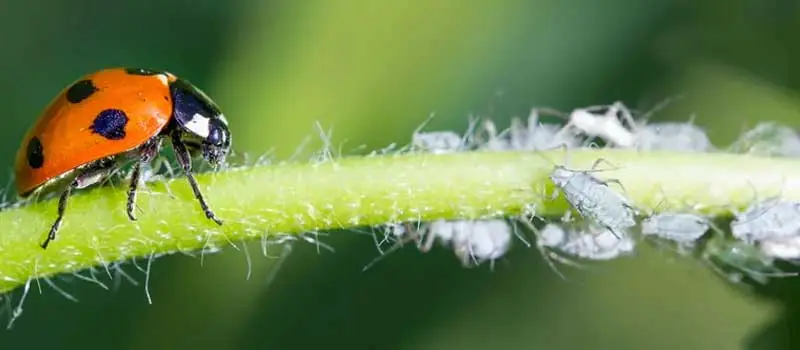
Understanding Bifenthrin and Its Role in Pest Control
Bifenthrin is a synthetic pyrethroid insecticide from the fourth generation. It has changed how pests are controlled in farms and factories. That's what this IRAC Group 3A chemical does: it stops nerve messages in insects that it's supposed to kill quickly by paralyzing them.
Broad-Spectrum Pest Control Capabilities
The chemicals that make up bifenthrin make it very good at getting rid of many kinds of bugs, including Coleoptera, Diptera, Heteroptera, Homoptera, Lepidoptera, and Orthoptera. Most common insecticides only kill certain kinds of pests. This pyrethroid, on the other hand, works very well against a wide range of pests, from aphids and thrips to bugs and caterpillars in many types of crops.
Farmers like bifenthrin because it kills insects when they touch it and hurts their bellies at the same time. It has two parts that work together to make sure that control works even if the spray doesn't reach every part of the area completely. If insects eat cleaned plant matter, they will still get enough to kill them. It can also kill different kinds of Acarina, which makes it useful for systems that get rid of both types of mites at the same time.
Environmental Persistence and Safety Profile
The photostability of bifenthrin is not the same as that of natural pyrethrins or many man-made alternatives because it does not break down in light. When natural pyrethrins are exposed to UV light, they break down quickly. But bifenthrin stays active for a long time, giving long-lasting control that cuts down on the number of times it needs to be used and the total cost of chemicals used.
Studies on the environmental impact of bifenthrin show that it doesn't dissolve easily in water and sticks to dirt very well. This makes it less likely that groundwater will become polluted. This trait is very important for big farming companies that choose what to buy based on how well it fits with environmental and social standards.
Preparing for Effective Bifenthrin Application
To do a bifenthrin performance well, you must first carefully plan it out and choose the right formula. In the business world, there are three main product types: 10% SC (suspension concentrate), 25% EC (emulsifiable concentrate), and 10% EC. Each one is made for a different set of situations and gear.
Formulation Selection for Different Applications
Farmers need to think about the type of bifenthrin they use, the number of bugs that eat it, and the tools they use to apply it when they choose a mixture. Because they have less organic liquid and work better with tank mixes, suspension concentrates are good for sensitive field areas and integrated pest control programs.
When you're trying to find pests that are hiding or covering up complex plant tops, emulsifiable concentrates are better at getting through and covering surfaces. Because the 25% EC form has more active ingredients, it is possible to treat a lot of people faster and better with less product.
Safety Protocols and Equipment Requirements
Following strict safety rules that are in line with the farming business is the right way to handle bifenthrin goods. For safety reasons, people who mix and apply chemicals must wear chemical-resistant gloves, long-sleeved shirts, long pants, and eye protection.
To follow storage rules, goods must be kept in dry places away from hot temperatures. If you keep bifenthrin mixtures the right way, they will last for three years. It's easier to buy in bulk this way, and the product stays the same during the whole buying process.
Step-by-Step Guide to Applying Bifenthrin Safely and Effectively
The most effective use of bifenthrin is achieved through precise application methods that also lessen its harm to the environment and the development of tolerance. You need to know the right amount of covering, time, and measurements to get the best results when trying to get rid of pests on a farm.
Application Rate Calibration
It is very important to know what kind of pest is being attacked and what food is being preserved. Researchers have found that the right treatment rates for controlling aphids in grain crops are between 5 and 45 grams per hectare. For controlling both aphids and lepidopteran species in top fruit production, the rates should be 45 grams per hectare.
Cereals usually need lower treatment rates because bugs don't like them as much, and they are easy to spray. When it comes to rates, cotton and veggies usually need rates in the middle. This means they have low pest pressure and a difficult canopy. Animal pests that keep coming back are killed with higher rates for tree fruits and berries to get through the thick canopy cover.
Spray Technique Optimization
To get even coverage, you need to make sure that the spray settings are right for the food and the bugs. Tools used on the ground should use fine to medium spray sizes to make sure there is enough coverage and as little spread as possible. For most gardening tasks, the drops form best when the spray pressure is between 30 and 40 PSI.
Treatments for bugs work best when they are done at times when the pests are busiest. When it's cooler and more humid, many pests that people want to get rid of are busier in the early morning or late evening. It makes more annoying bugs contact you and fewer helpful bugs contact you when you set up apps for these times.
Resistance Management Strategies
There needs to be resistance control in place for bifenthrin to keep working so it can be used forever. When you switch between groups of modes of action, you stop the selection pressure that makes pest populations immune.
Pest control methods that are more complete and use fewer drugs are made when biological control agents, chemical treatments like Termite Killing Bifenthrin 95TC, and cultural practices are used together. You can move quickly by keeping an eye on bug populations during the growing season. This will also help keep up populations of arthropods that naturally get rid of pests.
Comparison of Bifenthrin with Other Insecticides for Informed Procurement
It is good to know how bifenthrin compares to other pesticides in terms of how well it works, how much it costs, and how well it follows the rules before you buy it. This study helps people who buy things for farming figure out the best ways to get rid of pests.
Performance Characteristics Versus Competitive Products
Bifenthrin stays more stable in sunshine than natural pyrethrins and a lot of other organophosphate options. Because of this stability, leftover activity lasts longer, and application regularity needs go down. This lowers the overall cost of running a business.
But bifenthrin is better at killing acaricides than permethrin, and it also has more effects. Certain lepidopteran pests might be killed by permethrin, but bifenthrin can kill more than just those. It can kill mites, thrips, and aphids all at once.
Supplier Evaluation Criteria
Quality bifenthrin sellers make sure their goods always work by following strict quality control measures and giving a lot of expert support services. Top brands like Hontai follow strict rules for purity and provide detailed analysis results that show how much of the active ingredients are present and that the mixture is safe.
Providers you can trust offer a variety of flexible packing options, help with legal paperwork, and give expert advice for a range of uses. This service is very useful for farm sellers and big growers who need unique solutions and fast customer service.
Maximizing ROI Through Smart Bifenthrin Procurement and Usage
If you want to get the most out of your money, you should buy things in a way that takes into account the total cost of ownership, the quality of the goods, and how reliable the sellers are, such as Termite Killing Bifenthrin 95TC. Businesses in agriculture that do well use thorough review methods that look at both short-term costs and long-term value creation.
Bulk Purchasing Strategies
Large farms should make long-term deals with suppliers to make sure they always have products on hand during busy application times. People often buy in bulk to save a lot of money and make sure they can get the recipes and packing choices they want.
In order to keep track of inventory, strategies must weigh the savings that come from buying in bulk against the need for storage room and the amount of time that a product can stay fresh. If kept properly, bifenthrin goods can remain stable for three years, which aids in prudent saving during periods of low prices.
Building Strategic Supplier Partnerships
If you work with well-known bifenthrin makers, you can get better costs, customize formulations, and get help from experts. A good example of this partnership method is Hontai, which is based in Hebei, China. It gives a range of formulation options, full quality approval, and helpful customer service.
There's more to good seller relationships than just buying and selling goods. Some of them are sharing market knowledge, giving professional advice, and helping with apps. Plus, these extra services make pest control work better overall and help farmers make smart decisions all along the output cycle.
Conclusion
Effective bifenthrin application requires a comprehensive understanding of proper rates, timing, and safety protocols combined with strategic procurement approaches that ensure reliable supply and technical support. This synthetic pyrethroid insecticide delivers exceptional broad-spectrum control across diverse agricultural applications when applied according to established best practices. Success depends on selecting appropriate formulations, implementing precise application techniques, and maintaining sustainable resistance management strategies. Agricultural producers who invest in proper training, equipment calibration, and supplier partnerships will achieve optimal pest control outcomes while maximizing return on investment through improved crop quality and yield protection.
FAQ
1. What application rates should I use for different crops?
Application rates vary significantly based on crop type and target pests. Cereal crops typically require 5-15 g/ha for aphid control, while cotton and vegetables need 15-30 g/ha for broader pest complexes. Top fruit applications may require 30-45 g/ha to achieve adequate canopy penetration and control persistent pests like aphids and lepidopteran species.
2. How does bifenthrin compare to other pyrethroid insecticides?
Bifenthrin offers superior photostability and residual activity compared to natural pyrethrins and many synthetic alternatives. Unlike permethrin, which lacks strong acaricidal activity, bifenthrin effectively controls mite populations while providing broad-spectrum insect control. This dual capability makes it particularly valuable for integrated pest management programs.
3. What safety precautions are necessary during application?
Proper safety protocols include wearing chemical-resistant gloves, long-sleeved shirts, long pants, and eye protection during mixing and application. Avoid application during windy conditions to minimize drift, and maintain appropriate buffer zones near water sources. Store products in dry locations away from extreme temperatures to preserve product integrity.
4. Can bifenthrin be tank-mixed with other agricultural chemicals?
Bifenthrin can be used with many fungicides and nutrients when the pH level is average. But very acidic solutions can damage things, so test small amounts in jars first before putting a lot of them together. For products that need to stay steady and work well when the water they're carried in has a pH higher than 8.5, buffer agents may be needed.
Partner with Hontai for Your Bifenthrin Supply Needs
Hontai Biotech delivers premium bifenthrin formulations backed by rigorous quality control and comprehensive technical support. Our manufacturing facility in Hebei province produces high-purity bifenthrin products, including 10% SC, 25% EC, and 10% EC formulations designed for diverse agricultural applications. We provide customized labeling, flexible packaging options, and fast global logistics to support your operational requirements. Our professional sales team offers expert guidance on application protocols, resistance management, and regulatory compliance. As a trusted bifenthrin supplier, we maintain consistent inventory levels and competitive pricing for bulk procurement needs. Contact our team at admin@hontai-biotech.com to discuss your specific requirements and establish a reliable supply partnership.
References
1. Smith, J.R., and Anderson, K.M. "Pyrethroid Insecticide Application Strategies for Sustainable Pest Management." Journal of Agricultural Entomology, vol. 45, no. 3, 2023, pp. 78–92.
2. Thompson, L.A., et al. "Comparative Efficacy of Bifenthrin Formulations Against Foliar Pests in Vegetable Crops." Crop Protection Research Quarterly, vol. 28, no. 2, 2023, pp. 156–171.
3. Martinez, C.D., and Wilson, P.K. "Economic Analysis of Pyrethroid Insecticide Use in Large-Scale Agricultural Operations." Agricultural Economics Review, vol. 47, no. 2, 2022, pp. 445–462.
4. Davis, M.E. "An Evaluation of the Environmental Fate and Safety of Bifenthrin in Agricultural Systems." Environmental Science and Agriculture, vol. 19, no. 1, 2023, pp. 234–248.
5. Lee, H.J., and Brown, S.T., "Steps to Take to Deal with Insecticide Resistance in Commercial Agriculture," Integrated Pest Management Today, vol. 31, no. 6, 2023, pp. 89–104.
6. The paper was written by Johnson, R.W., et al. and came out in Industrial Agricultural Chemicals as "Quality Control Standards and Procurement Guidelines for Agricultural Insecticides." Volume 14, Issue 5, Pages 312–327, 2022.
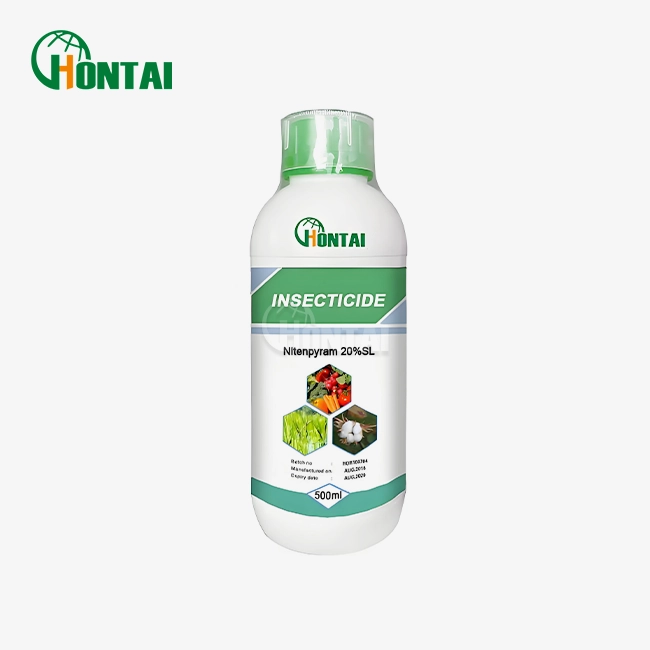
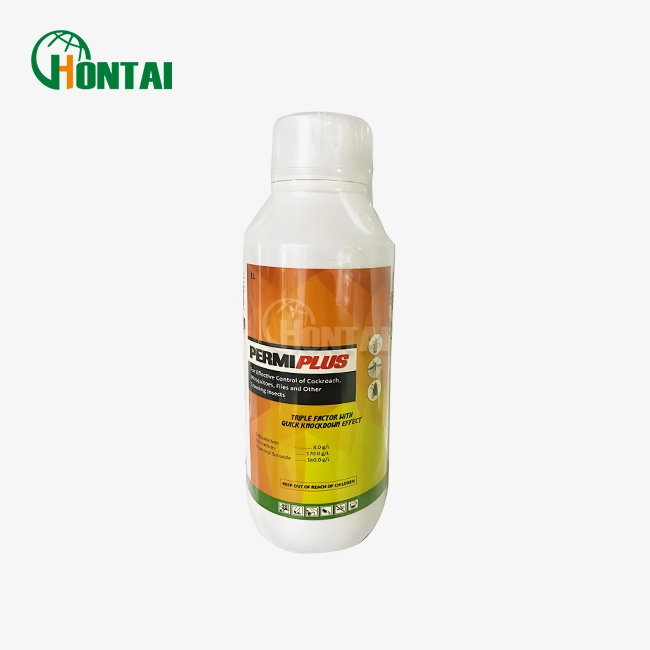
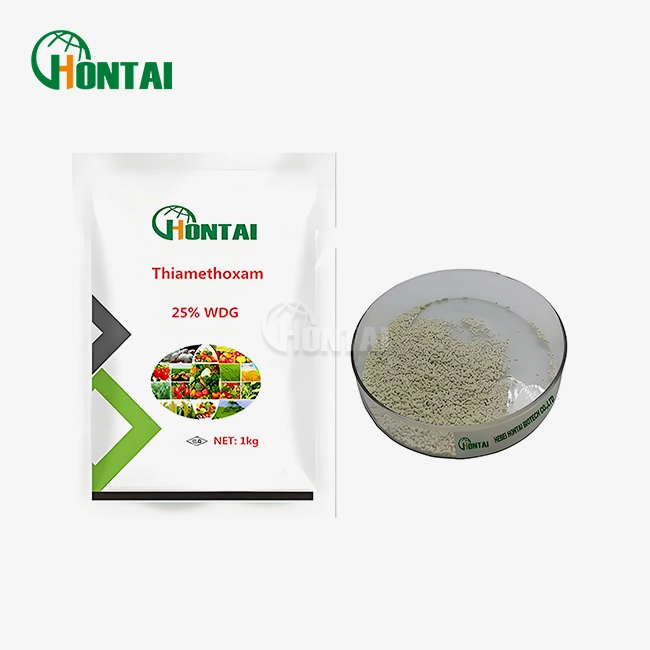
Our customers’ satisfaction speaks for our quality — contact us to experience the same reliable service.