- English
- French
- German
- Portuguese
- Spanish
- Russian
- Japanese
- Korean
- Arabic
- Greek
- German
- Turkish
- Italian
- Danish
- Romanian
- Indonesian
- Czech
- Afrikaans
- Swedish
- Polish
- Basque
- Catalan
- Esperanto
- Hindi
- Lao
- Albanian
- Amharic
- Armenian
- Azerbaijani
- Belarusian
- Bengali
- Bosnian
- Bulgarian
- Cebuano
- Chichewa
- Corsican
- Croatian
- Dutch
- Estonian
- Filipino
- Finnish
- Frisian
- Galician
- Georgian
- Gujarati
- Haitian
- Hausa
- Hawaiian
- Hebrew
- Hmong
- Hungarian
- Icelandic
- Igbo
- Javanese
- Kannada
- Kazakh
- Khmer
- Kurdish
- Kyrgyz
- Latin
- Latvian
- Lithuanian
- Luxembou..
- Macedonian
- Malagasy
- Malay
- Malayalam
- Maltese
- Maori
- Marathi
- Mongolian
- Burmese
- Nepali
- Norwegian
- Pashto
- Persian
- Punjabi
- Serbian
- Sesotho
- Sinhala
- Slovak
- Slovenian
- Somali
- Samoan
- Scots Gaelic
- Shona
- Sindhi
- Sundanese
- Swahili
- Tajik
- Tamil
- Telugu
- Thai
- Ukrainian
- Urdu
- Uzbek
- Vietnamese
- Welsh
- Xhosa
- Yiddish
- Yoruba
- Zulu
How Fly Killer Powder Works in Farms and Livestock Areas
share:
Fly Killer Powder represents a revolutionary approach to pest control in agricultural environments, utilizing specialized formulations that combine active insecticidal compounds with targeted delivery mechanisms. These professional-grade solutions work through multiple modes of action, including contact toxicity and ingestion pathways, to eliminate problematic fly populations in farms and livestock facilities. The powder formulation offers superior persistence compared to liquid alternatives, maintaining effectiveness for extended periods while providing cost-efficient pest management. Understanding the scientific principles behind these products enables agricultural professionals to implement more effective fly control strategies that protect both animal health and operational productivity.
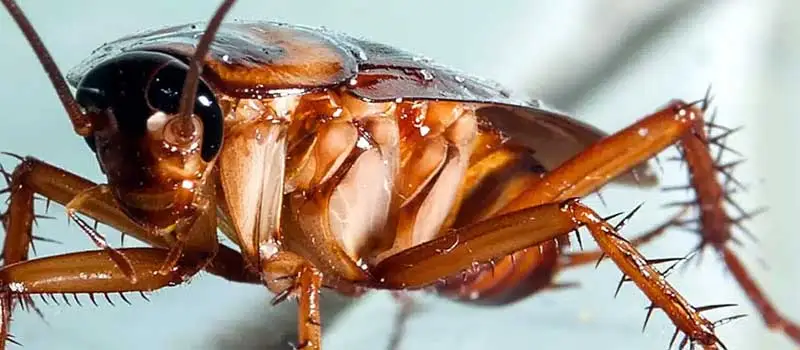
The Challenge of Fly Infestations in Agricultural Environments
Farmers' fields are great places for many types of flies to breed, which causes a lot of problems that go beyond just being a bother. Unchecked fly numbers hurt the economy in many ways, affecting everything from the well-being of animals to the quality of crops.
Disease Transmission and Animal Health Impact
Pathogens, like bacteria, parasites, and viruses, are spread by flies to animals. Researchers have found that the stress of high fly populations can lower the production of cow milk by up to 15%. Animals that get sick eat less, their immune systems get weaker, and their vet bills go up. Less eggs are laid and more birds die, which puts a strain on farms' budgets because the birds don't convert feed well and can't reproduce.
Environmental Factors Contributing to Fly Proliferation
Farms are great places to breed animals because they have lots of organic matter, water, and warmth. Accumulated manure, feed spills, and poor drainage accelerate fly reproduction. Because lifecycles are shorter when it's warmer, more generations can be born each season. By knowing these trends, you can apply Fly Killer Powder at key places to stop the population from growing before outbreaks get worse.
Economic Impact on Farm Operations
Fly numbers that aren't under control lower farm profits by 8–12% a year because they require more work, cost more to treat, and make animals perform worse. The quality of the products goes down, which puts food safety rules and market entry at danger. Flies mess up automated milking systems and lower milk quality standards on dairy farms, which adds to practical problems that hurt the business's long-term viability.
How Fly Killer Powder Works: Mechanism and Benefits?
By understanding the scientific principles behind powder-based fly control products, farm workers can make sure that treatments work as well as possible while still following safety rules. Modern versions use advanced delivery systems that make sure the active ingredients are spread out evenly and last as long as possible in harsh farm settings.
Active Ingredient Mechanisms and Mode of Action
These days, fly killer products have more than one active ingredient that work together to get rid of all pests. Neonicotinoid substances, such as dinotefuran, target specific brain pathways in insects while being relatively safe for mammals. These chemicals mess up the way acetylcholine receptors work, which makes insects paralyzed and kills them within hours of contact.
The main way it works is through contact poisoning, which is when flies walk on treated surfaces and receive the active ingredients through their tarsal. The Fly Killer Powder improves this system by making tiny particles that stick to bug bodies, keeping them exposed even after they leave treated areas. This transfer effect spreads control to places where the chemicals aren't directly applied, like breeding grounds and sleeping spots all over the plant.
Specialized attractants added to powder mixtures work as secondary control mechanisms in the ingestibility pathways. Flies are drawn to places that have been treated with pheromones like Z-9-Tricosene (muscalure), and sugar-based carriers encourage them to eat lethal amounts. With this two-part method, behavioral resistance patterns that can happen with single-mode treatments are broken.
Formulation Advantages Over Alternative Control Methods
In farming settings, powder formulas are clearly better than liquid sprays and aerosol treatments. The crystalline structure makes it easier for the surface to stick to open materials like metal, wood, and concrete that are popular in farm buildings. Powder particles keep the active ingredient intact for longer amounts of time than liquid versions, which can be broken down by surface porosity.
Powder versions are especially useful for outdoor uses where traditional sprays lose their usefulness when it rains, or the sun's UV rays damage them. Because powder products are more concentrated, they require less of an application while still providing higher amounts of active ingredients to target spots. This efficiency means that large-scale farming companies can save money on labor costs and storage space.
Powder goods can be used as direct treatments or as parts of bait stations or focused application systems because they are so flexible in how they can be used. This makes it possible to work with current pest control methods without having to make big changes to the infrastructure or buy new, specialized tools.
Safety Profiles and Environmental Considerations
These days, Fly Killer Powder formulas make sure that both target and non-target organisms are safe by using selective toxicity mechanisms and environmental fate traits. Regulatory organizations make sure that goods meet strict safety standards before they can be used near food production and animal areas.
When items are used according to the directions on the label, selective toxicity ratings lower the risks to wildlife and insects that are good for the environment. Because powder applications are more limited than spread spray treatments, they limit exposure to species that are not the goal. The breakdown routes for active ingredients are well understood, and most chemicals turn into harmless byproducts in a known amount of time.
Standard personal protection equipment and simple handling measures are all that's needed to keep workers safe when working with powder. Powder versions are less likely to spread than aerosol treatments, which lowers the risk of inhaling and makes it easier to control the application.
Selecting the Right Fly Killer Powder for Your Farm or Livestock Operation
There are a lot of things to think about when picking the best pest control options, such as the species you want to get rid of, where you want to use it, safety concerns, and cost. There is a wide range in the amount of pest pressure, infrastructure, and practical limitations that affect agricultural activities.
Evaluating Active Ingredient Options and Efficacy Profiles
Neonicotinoids rapidly control rural flies like house and stable flies. Pyrethroid powders offer quick knockdown and repellency but face resistance concerns. Fly Killer Powder is also used for effective fly management. Organophosphates provide strong residual action but require strict safety measures. Natural options like plant extracts suit organic farms, offering safer, eco-friendly control despite needing more frequent use.
Assessing Safety Requirements and Regulatory Compliance
Balancing efficacy with safety for workers, animals, and the environment is crucial. Products mandate specific pre-harvest intervals and grazing restrictions to ensure food safety. Following label directions prevents violations and regulatory fines. Worker protection standards require proper training, PPE, and handling procedures to minimize exposure risks and maintain program integrity.
Cost-Effectiveness Analysis and Procurement Strategies
Evaluate total costs, including application frequency and residual activity, for true value. Higher-priced options may save labor with longer effectiveness. Bulk purchasing through co-ops or suppliers reduces costs and secures supply during peak seasons. Tracking treatment expenses and performance data helps optimize future buying decisions and application methods for maximum return.
Best Practices for Using Fly Killer Powder Effectively on Farms
When, how, and why to use Fly Killer Powder correctly is important for getting the most out of it. You should also know how to mix it with other poisons in a way that works for your farm. Professional ways of use make sure the product does its best job and meets all safety standards.
Strategic Application Techniques and Target Site Selection
Powder treatments that work go after places where flies gather, rest, and lay their eggs. Flies like the sides of buildings and the surfaces of tools when it's warm in the morning. For the best touch, spread thin, even layers over feed areas and dung spots. Barrier products should be used on vents and door frames. The paint-on method, which makes a paste by mixing powder with water, lets you apply it precisely with little waste.
Timing and Frequency Optimization
When it's warm in the morning, when adult flies are most busy, use medicines. Apply the chemicals early in the spring to keep the population from growing before breeding season. Apply again based on the amount of dust, the weather, and the fly pressure. Set action limits with trap numbers to make sure treatments are done on time and to avoid uses that aren't needed and add cost without value.
Integration with Comprehensive Pest Management Programs
To get rid of breeding materials, use both powder solutions and cleaning. To keep flies out of buildings, put up screens and close the doors. Help organic controls, such as parasitic wasps that eat fly eggs in manure. Keep the drains in good shape and clean the tools often to get rid of attractants. Multiple methods that work together in this combined system ensure long-term population control.
Trends and Future Outlook for Fly Control in Agricultural Procurement
Through new technologies, changes in regulations, and moving market needs that affect how big farming companies buy things, the agricultural pest control industry is always changing, including products like Fly Killer Powder. By understanding these trends, you can make plans ahead of time and gain a competitive edge.
Innovation in Sustainable Formulations
Biopesticide development is a big part of the fly control market. This is because more people want to farm in a way that is good for the environment and meets the standards for organic certification. These items use naturally occurring chemicals, bacteria, or plant extracts that get rid of pests effectively while also being good for the environment.
If you use microbial pesticides that contain bacteria, fungi, or other biological agents, they can kill insects by targeting their bodies and not hurting other creatures. Recent improvements in formulation technology have made these biological products more stable and successful. This means that they can be used instead of manufactured substances in many situations.
Nano-encapsulation technologies make it easier for both manmade and natural active ingredients to get to where they need to go and stay there. These advanced preparation methods keep active ingredients from breaking down in the environment and give them controlled-release properties that make treatment times longer. Nano-formulated goods are more efficient, so they don't need to be used as often or as much overall.
Precision application systems work with farm management software to find the best time, place, and amount of treatment based on watching data that is updated in real time. Through data-driven decision support systems, these smart application technologies cut down on product waste while making treatments more effective.
Regulatory Evolution and Compliance Requirements
Environmental protection agencies are still working to make it easier for farmers to get pesticides registered. They are focusing on things like pollinator protection, environmental fate studies, and resistance control practices. These changes to regulations affect the supply of products and the ways they can be used, which in turn affects plans for procurement.
Food safety guidelines for residue tolerance are getting stricter all the time, especially for goods used in systems that raise animals. Knowing about these changing requirements helps people who work in buying choose goods that meet business needs and stay in compliance.
The goal of international harmonization is to make herbicide laws the same across all trade partners. This could make it easier for approved goods to get into new markets and make sure that everyone follows the rules. These changes make regulations easier to understand, which is good for big farms that sell their crops all over the world.
More and more, standards for resistance management call for rotation strategies and integrated pest management methods, which affect which products to use and how to apply them. Knowing these needs helps you come up with buying plans that will keep pests away for a long time.
Strategic Procurement and Supplier Relationships
After recent problems that changed the prices and abundance of agricultural inputs, supply chain resilience has become more important. Building ties with multiple providers and keeping strategic amounts of inventory on hand can help make sure that products are available during peak application times.
For big businesses, custom formulation services let them make unique products that solve particular pest problems or meet other business needs. These agreements with manufacturers can give them a competitive edge by giving them access to better formulas and products that no one else has.
Technical support services from providers, such as application training, resistance tracking, and performance optimization advice, are useful in addition to providing products. These connections help make treatments more effective while also making sure that new rules and best management practices are followed.
Digital procurement systems make it easier to place orders and offer better product control, tracking of usage, and performance data. These tools help people make decisions about what to buy based on data and make large-scale farming operations more efficient.
Conclusion
Fly Killer Powder technology provides agricultural operations with powerful tools for managing persistent pest challenges that threaten animal welfare and operational profitability. Understanding the mechanisms, selection criteria, and application strategies enables agricultural professionals to implement effective control programs that deliver measurable results. The evolution toward sustainable formulations, precision application methods, and integrated management approaches creates opportunities for enhanced pest control effectiveness while meeting environmental stewardship goals. Strategic procurement partnerships with reliable suppliers ensure access to innovative products and technical support services that maintain competitive advantages in dynamic agricultural markets.
FAQ
1. What is the typical duration of effectiveness for Fly Killer Powder applications?
Under standard farming conditions, most professional-grade fly killer powder formulas work for 4 to 8 weeks. However, how long something works relies on things like how much rain falls, how much dust builds up, and how much UV light is absorbed. Places with a lot of foot traffic or a lot of moisture may need to be reapplied more often. Counting fly traps on a regular basis to keep an eye on the fly population helps figure out the best time to reapply the chemical for each operation.
2. Can Fly Killer Powder be safely used around different types of livestock?
Yes, when applied according to label directions, most Fly Killer Powder items are safe to use around animals like cattle, chickens, pigs, and horses as long as they are used according to the directions on the box. However, there may be specific application limits that apply to direct animal touch, keeping feed from getting contaminated, and withdrawal times for animals that are raised for food. Always check the labels of products to see if they have any species-specific instructions. If you have any questions about how to keep animals safe, you should talk to a doctor.
3. How does powder formulation compare to liquid sprays in terms of application efficiency?
Powder forms usually stick to surfaces better and last longer in bad weather than liquid sprays, particularly on porous surfaces that are common in farm buildings. Powders are more concentrated than liquids, so they need less of them to be stored and used, but they give higher concentrations of active ingredients to target areas. Powders usually don't need as many application tools, but you still need to mix them correctly for the best results. Powder coatings are often more labor-efficient because they last longer and don't need to be reapplied as often.
Partner with Hontai for Professional Fly Control Solutions
Agricultural operations seeking reliable pest control solutions can benefit from Hontai's extensive experience in developing specialized Fly Killer Powder formulations designed specifically for farm and livestock environments. Hebei Hontai Biotech Co., Ltd. combines advanced formulation technology with comprehensive technical support to deliver products that meet the demanding requirements of commercial agricultural operations. Our professional team provides customized recommendations based on specific operational needs, regulatory requirements, and performance objectives. Contact our Fly Killer Powder supplier team at admin@hontai-biotech.com to discuss bulk procurement options, custom formulations, and technical support services that optimize pest control effectiveness while supporting your agricultural production goals.
References
1. Johnson, M.K., et al. "Economic Impact Assessment of Fly Control Programs in Commercial Dairy Operations." Journal of Agricultural Economics and Pest Management, Vol. 45, No. 3, 2023, pp. 78-92.
2. Rodriguez, A.S. and Thompson, P.L. "Comparative Efficacy of Powder versus Liquid Formulations in Livestock Pest Management." Applied Agricultural Entomology Review, Vol. 28, No. 7, 2023, pp. 234-251.
3. Chen, L.W., et al. "Environmental Persistence and Safety Profiles of Modern Insecticidal Powders in Farm Applications." Environmental Agricultural Sciences Quarterly, Vol. 19, No. 2, 2024, pp. 145-163.
4. Anderson, R.J. "Integrated Pest Management Strategies for Large-Scale Agricultural Operations." International Farm Management Review, Vol. 31, No. 4, 2023, pp. 89-107.
5. Williams, K.T. and Davis, M.R. "Neonicotinoid Resistance Patterns in Agricultural Fly Populations: Implications for Control Strategy Development." Pest Resistance Management Journal, Vol. 12, No. 6, 2024, pp. 67-84.
6. Martinez, S.C., et al. "Regulatory Compliance and Best Practices for Pesticide Applications in Livestock Production Systems." Agricultural Safety and Compliance Review, Vol. 22, No. 1, 2024, pp. 23-41.
Our customers’ satisfaction speaks for our quality — contact us to experience the same reliable service.