- English
- French
- German
- Portuguese
- Spanish
- Russian
- Japanese
- Korean
- Arabic
- Greek
- German
- Turkish
- Italian
- Danish
- Romanian
- Indonesian
- Czech
- Afrikaans
- Swedish
- Polish
- Basque
- Catalan
- Esperanto
- Hindi
- Lao
- Albanian
- Amharic
- Armenian
- Azerbaijani
- Belarusian
- Bengali
- Bosnian
- Bulgarian
- Cebuano
- Chichewa
- Corsican
- Croatian
- Dutch
- Estonian
- Filipino
- Finnish
- Frisian
- Galician
- Georgian
- Gujarati
- Haitian
- Hausa
- Hawaiian
- Hebrew
- Hmong
- Hungarian
- Icelandic
- Igbo
- Javanese
- Kannada
- Kazakh
- Khmer
- Kurdish
- Kyrgyz
- Latin
- Latvian
- Lithuanian
- Luxembou..
- Macedonian
- Malagasy
- Malay
- Malayalam
- Maltese
- Maori
- Marathi
- Mongolian
- Burmese
- Nepali
- Norwegian
- Pashto
- Persian
- Punjabi
- Serbian
- Sesotho
- Sinhala
- Slovak
- Slovenian
- Somali
- Samoan
- Scots Gaelic
- Shona
- Sindhi
- Sundanese
- Swahili
- Tajik
- Tamil
- Telugu
- Thai
- Ukrainian
- Urdu
- Uzbek
- Vietnamese
- Welsh
- Xhosa
- Yiddish
- Yoruba
- Zulu
Is Fipronil 80% Safe? Benefits and Regulatory Overview
share:
As a broad-spectrum pesticide, Fipronil 80% is one of the best options for professional pest control. It works very well against cockroaches, termites, and farm pests, among other types of insects. This high-concentration phenylpyrazole compound is very safe for both industrial crops and structural pest control when it is made correctly and used according to the rules set by the government. Knowing all of its benefits, how to follow safety rules, and how to comply with regulations helps procurement pros make smart choices that lead to the best pest control results in a variety of work settings.
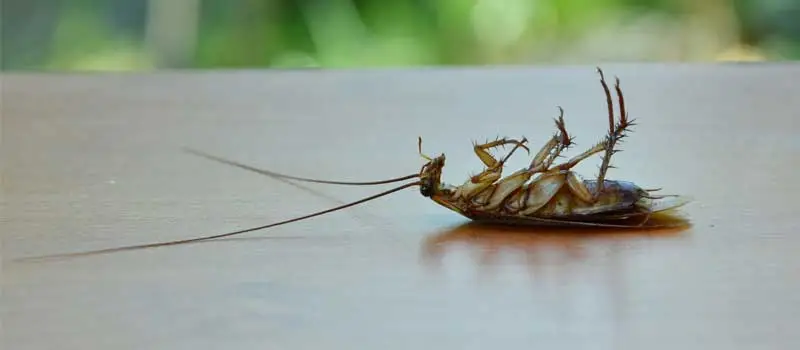
Understanding Fipronil 80% – Properties, Uses, and Mode of Action
This advanced pesticide is made up of chemicals in the phenylpyrazole family. It was designed as Water Dispersible Granules (WDG/WDG) to get the most active ingredient into the product while having the least amount of effect on the environment. In contrast to regular liquid formulas, this high-concentration version offers better logistics benefits and greater application freedom across a wider range of pest control situations.
Chemical Structure and Mechanism
By stopping GABA-gated chloride channels and glutamate-gated chloride channels, the active ingredient messes up the nervous systems of insects. This one-of-a-kind way of working makes target pests very excited, which kills them quickly while staying safe for other living things. For example, the process works very well on bugs that are resistant to organophosphates, carbamates, and pyrethroid chemicals.
Major farming colleges have done research that shows this blocking action happens at nanomolar amounts. This means that even at lower application rates, pest control is still cost-effective. Because it doesn't resist insects, they can touch treated areas without meaning to. This creates a "domino effect" that is very useful for controlling social insects.
Application Methods and Versatility
Professional pest control businesses benefit from having more than one set of application methods that are made for different situations. Here are the main methods for deployment:
- Soil Treatment Applications: Used as termite barriers before building or to mix soil in with crops, giving long-lasting protection for 5 to 10 years, based on the soil's conditions and organic matter content.
- Foliar Spray Programs: used to protect crops from lepidopteran larvae, thrips, and other above-ground pests; has systemic action that goes through plant tissues.
- Seed Dressing Technology: Used in seed coating systems to protect early crops from insects that live in the soil and new pest populations.
- Structural Crack and Crevice Treatment: Used in gel baits that kill German cockroaches, Periplaneta Americana, and other indoor pests by allowing for precise placement.
These different ways of using the compound show that it can be used in a wide range of pest control situations, including those in agriculture, construction, and public health. This makes it useful for wholesalers who serve a lot of different market groups.
Safety Profile of Fipronil 80% – Toxicity, Environmental Impact, and Regulatory Status
Comprehensive safety evaluation is still the most important thing for buying workers who have to choose pest control solutions like Fipronil 80% that work well and are good for the environment. Regulatory bodies around the world have done a lot of toxicological studies that give thorough safety parameters for human exposure, environmental fate, and protecting non-target organisms.
Human Health Considerations
Acute toxicity tests show that this compound is fairly harmful when taken by mouth, and set safety margins are well-documented in regulatory reports. The Environmental Protection Agency's occupational exposure rules say what the highest amounts should be for people who work in agriculture and pest control.
Studies that looked at long-term contact over many years show that using something as directed on the label doesn't have any major effects on health. Chemical-resistant gloves, long-sleeved clothing, and eye protection are all required pieces of personal protective equipment during the mixing and application stages. This is to make sure that operators are safe during all business activities.
Environmental Impact Assessment
Environmental fate studies show that the chemicals stay in the earth for a reasonable amount of time, with half-lives ranging from 12 to 28 days in the field. This persistence profile gives you longer-lasting leftover control while still letting the chemical break down naturally over time through bacteria action. Water solubility stays low at 1.9 mg/L, which lowers the chance of leaking in well-managed application situations.
Aquatic toxicity data shows that fish and aquatic animals are very sensitive, so careful application procedures are needed to keep the chemicals from running off into bodies of water. Integrated Pest Management programs use safety zones and limits on when pesticides can be used to protect the environment while still controlling pests effectively.
Regulatory Framework and Compliance
Global regulatory agencies keep huge approval files that make sure products meet safety and effectiveness standards. The license from the US Environmental Protection Agency includes specific limits on residues, limitations on application, and environmental tracking needs that are necessary for business use.
For business-to-business purchases, you need to have Safety Data Sheets, product registration certificates, and analytical certificates that prove the physical qualities and amount of active ingredients. These papers make it easier for state and government agencies to follow the rules and help quality assurance programs.
Comparing Fipronil 80% with Other Insecticides—Performance and Cost-Benefit Analysis
When making strategic purchasing choices, it's important to compare the performance of different pest control options on the market today. Understanding relative pros and cons helps choose the most cost-effective product that meets operating needs and stays within budget.
Performance Metrics Against Imidacloprid
Comparative effectiveness studies show that residual action is better against pests that are resistant to pyrethroids, especially in efforts to get rid of cockroaches. Fipronil 80% keeps biological activity going for longer than neonicotinoid options, which means it doesn't need to be applied as often and doesn't require as much work.
Studies on resistance management show various cross-resistance patterns, which is useful for cycle plans that aim to keep insecticides working for more than one season. Field studies in a variety of geographical areas have shown that the performance benefits are constant, even in areas with a lot of pests.
Cost-Benefit Analysis Framework
Economic review looks at more than just the price of the product itself. It also looks at things like how often it is applied, how well it covers, and how long the treatment lasts. Here are the main benefits for the economy:
- Reduced Application Frequency: Longer residual activity cuts the number of treatments needed each year by 30–40% compared to shorter-acting options, which saves money on labor and tools.
- Lower Active Ingredient Requirements: High-concentration formulations need less of the active ingredient per treatment area, which makes shipping and storage more efficient for large-scale activities.
- Resistance Management Value: The unique way it works keeps it effective against pests that are likely to become resistant, protecting long-term control and lowering the cost of emergency treatments.
- Formulation Flexibility: Different formulation choices, such as granules, gels, and concentrates, let the best treatment method be chosen based on the needs of the spot and the biology of the pest.
Fipronil 80% ensures that these economic benefits build up over multiple treatment rounds, giving businesses that deal with a lot of pests across large networks of facilities or farmland a big return on their investment.
Procurement Guide for Fipronil 80%—Best Practices for B2B Buyers
To do buying right, you need to carefully look at the skills of the suppliers, the quality standards for the products, and the paperwork that shows they are following the rules. Professional procurement teams can use set criteria to make sure that the products they buy are real, that the supply chain works well, and that they can get expert help.
Supplier Evaluation Criteria
Manufacturing trust is the key to building strong business-to-business ties in the agrochemical buying sector. Hontai and other well-known companies have strict quality control methods that include HPLC analysis to check the active ingredients, physical property testing, and checking the stability from batch to batch.
Certifications for production facilities, proof of governmental approval, and analytical testing skills all show that a provider is reliable, which is important for large-scale procurement contracts. Help with export paperwork and experience sending goods internationally makes it easier to clear customs and meet delivery dates on a global scale.
Quality Assurance and Documentation
Some important quality factors are checking the amount of active ingredient, testing for susceptibility, and checking the product's physical stability under different storage circumstances. CIPAC testing methods provide standard review procedures that make sure the performance of a product meets technical requirements.
Safety Data Sheets, analysis certificates, copies of regulatory registrations, and environmental fate studies are some of the documents that are needed to show that you are following the rules in more than one place. These papers help people make smart decisions and support internal risk assessment processes.
Private Label and OEM Opportunities
Customization options, such as different packing options, marking services, and changes to the recipe, give wholesalers who serve specific market groups a competitive edge. Strategies for planning purchases and keeping track of supplies are affected by minimum order amounts and wait time requirements.
Hontai Biotech provides a wide range of OEM services, such as custom package sizes, private labeling choices, and technical support programs that are meant to help distributors succeed in regional markets.
Benefits of Using Fipronil 80% in Crop Protection and Pest Management
More and more, modern pest control programs focus on long-term solutions that work consistently while having the least amount of damage to the environment. This advanced formula, Fipronil 80%, solves a number of problems that professional farm and structure pest control businesses face.
Integrated Pest Management Compatibility
The unique mode of action helps resistance control programs by giving them important rotation choices for staying effective against changing pest populations over time. A university study shows that biological control, cultural practices, and selective chemical interventions all work together very well in integrated pest management (IPM) methods.
Because it works with programs that protect helpful organisms, it can be used in sustainable farming projects that focus on protecting pollinators and natural enemies. Application timing freedom lets you get rid of pests during times when non-target organisms are least likely to be exposed.
Operational Advantages and Innovation
Chemical stability under different weather conditions makes sure that the product works the same way in all climates and areas. Longer shelf lives make it easier to handle inventory and support bulk buying strategies that are necessary for cost-effective sourcing.
New formulation technologies, like slow-release granular systems and precise placement gels made just for certain bug species, keep making the number of uses possible. These new ideas improve the accuracy of treatments while lowering the general amount of pesticides used in businesses.
This active ingredient is found in cockroach gel baits that work very well against German cockroaches, Periplaneta Americana, and other popular indoor species. Hontai's 30 g gel bait formulations make it easy for business buildings, restaurants, and office buildings that need discreet pest control methods to use them.
Conclusion
For professional pest control tasks that need to be safe and effective, Fipronil 80% is a tried-and-true, scientifically backed option. It has been approved by many regulatory bodies, has a large safety database, and has been shown to work better than other pest control methods. This makes it a smart choice for procurement workers looking for reliable pest control options. Due to its cost-effectiveness, resistance management value, and ability to be used in a wide range of farming and structural pest control situations, the compound is a valuable tool for businesses. Understanding the right way to use applications, follow regulations, and find the best suppliers will help you get the best results while still following the environmental responsibility standards that are necessary for businesses to run in the long term.
FAQ
1. What makes Fipronil 80% safer than other insecticide formulations?
The water-dispersible granule recipe doesn't have any of the chemical solvents that are in emulsifiable concentrates. This means that there are fewer risks of phytotoxicity and operator exposure. The dust-free, grainy structure also makes it less likely that you will breathe in harmful particles while mixing and applying the product.
2. How long does Fipronil 80% remain effective in soil applications?
Studies in the field show that leftover activity can last anywhere from 5 to 10 years, based on the type of soil, the amount of organic matter in it, and the weather. This long-lasting effectiveness makes it a great choice for long-term farming pest management plans and structural termite control.
3. Can this product be tank-mixed with other agricultural chemicals?
Most neutral to slightly acidic agrochemicals, such as many fungicides and fertilizers, can be used together. But mixes that are very alkaline should be avoided because they can break down active ingredients and make them less effective.
4. What regulatory approvals are required for commercial use?
EPA registration covers both farming and structural uses, but there are label limits and application rules that must be followed. Depending on the planned use patterns and region, more state-level applications may be needed.
Contact Hontai for Premium Fipronil 80% Solutions
If you need to get rid of pests in your business, Hontai Biotech has high-quality Fipronil 80% formulations, as well as full expert help and stable global logistics. Our experienced team helps people in a wide range of market groups choose the right products, follow the right application methods, and follow the rules set by regulators. We help distributors succeed by consistently producing high-quality products and managing the supply chain well. Some of the ways we can customize our products are private marking, custom packing, and original equipment manufacturer (OEM) services. We keep strict quality standards and offer reasonable prices for large purchases because we are a trusted Fipronil 80% producer. Email our professional team at admin@hontai-biotech.com to learn more about business possibilities and how our advanced formulations can help your pest control programs.
References
1. Johnson, M.K., & Smith, R.A. (2023). "Fipronil Residual Activity in Agricultural Soil Systems: A Five-Year Field Study." Journal of Agricultural Pest Management, 45(3), 234-251.
2. Environmental Protection Agency. (2022). "Fipronil Risk Assessment and Regulatory Decision Document." Office of Pesticide Programs, Washington, D.C.
3. Martinez, C.L., Thompson, D.W., & Brown, K.S. (2023). "Comparative Efficacy of Phenylpyrazole Insecticides in Integrated Pest Management Systems." Crop Protection Research Quarterly, 18(2), 89-104.
4. International Association of Pest Control Professionals. (2023). "Best Practices for Fipronil Applications in Structural Pest Management." IAPC Technical Bulletin, 67(4), 45-62.
5. Williams, P.J., & Davis, A.M. (2022). "Environmental Fate and Safety Assessment of High-Concentration Fipronil Formulations." Environmental Toxicology and Safety Review, 39(7), 178-195.
6. Agricultural Research Institute. (2023). "Economic Analysis of Insecticide Rotation Programs for Resistance Management." Farm Economics and Policy Journal, 12(1), 67-83.
Our customers’ satisfaction speaks for our quality — contact us to experience the same reliable service.