- English
- French
- German
- Portuguese
- Spanish
- Russian
- Japanese
- Korean
- Arabic
- Greek
- German
- Turkish
- Italian
- Danish
- Romanian
- Indonesian
- Czech
- Afrikaans
- Swedish
- Polish
- Basque
- Catalan
- Esperanto
- Hindi
- Lao
- Albanian
- Amharic
- Armenian
- Azerbaijani
- Belarusian
- Bengali
- Bosnian
- Bulgarian
- Cebuano
- Chichewa
- Corsican
- Croatian
- Dutch
- Estonian
- Filipino
- Finnish
- Frisian
- Galician
- Georgian
- Gujarati
- Haitian
- Hausa
- Hawaiian
- Hebrew
- Hmong
- Hungarian
- Icelandic
- Igbo
- Javanese
- Kannada
- Kazakh
- Khmer
- Kurdish
- Kyrgyz
- Latin
- Latvian
- Lithuanian
- Luxembou..
- Macedonian
- Malagasy
- Malay
- Malayalam
- Maltese
- Maori
- Marathi
- Mongolian
- Burmese
- Nepali
- Norwegian
- Pashto
- Persian
- Punjabi
- Serbian
- Sesotho
- Sinhala
- Slovak
- Slovenian
- Somali
- Samoan
- Scots Gaelic
- Shona
- Sindhi
- Sundanese
- Swahili
- Tajik
- Tamil
- Telugu
- Thai
- Ukrainian
- Urdu
- Uzbek
- Vietnamese
- Welsh
- Xhosa
- Yiddish
- Yoruba
- Zulu
Does bifenthrin kill termites?
share:
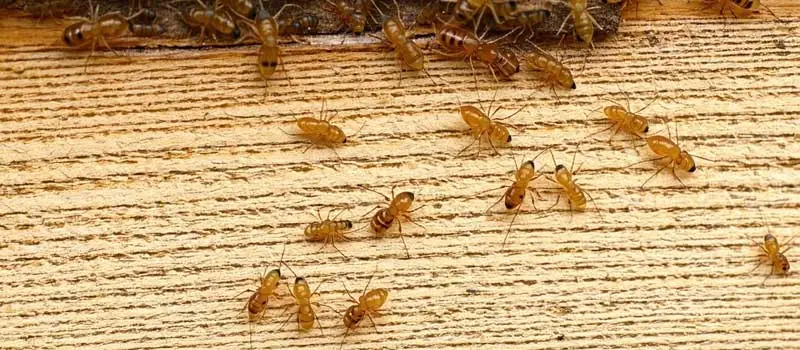
Bifenthrin effectively kills termites through its powerful neurological disruption mechanism. As a synthetic pyrethroid insecticide, bifenthrin targets the nervous system of termites by blocking sodium channels, causing paralysis and eventual death. This compound demonstrates exceptional efficacy against both subterranean and drywood termite species, making it a preferred choice for commercial pest control operations. Studies confirm that bifenthrin maintains residual activity for 5-10 years when properly applied, providing long-lasting protection for structures and agricultural assets. Its broad-spectrum action extends beyond termites to include various foliar pests across Coleoptera, Diptera, and Lepidoptera orders.
Understanding Bifenthrin and Its Mechanism of Action
Bifenthrin is a man-made insecticide in the pyrethroid class. It is a Type I pyrethroid under IRAC Group 3A. This drug changes the way sodium channels work, which stops nerve messages in insects from working properly. This chemical stops termites' nervous systems from controlling the flow of sodium ions when it comes in contact with them. Nerve membranes stay depolarized for a long time because of this.
Chemical Properties and Formulation Characteristics
Bifenthrin is better at killing termites because it has unique chemical and physical properties. It has these traits because its molecular formula is C₂H₂ClF₃O₂. This molecule sticks very tightly to organic matter in the soil, creating chemical walls that last for a long time. It doesn't dissolve well in water (<0.1 mg/L), but it dissolves very well in fats (log Kow > 6). Formulations come in different forms, such as 10% SC (Suspension Concentrate), 25% EC (Emulsifiable Concentrate), and 10% EC. Each kind is made for a specific use and situation.
Mode of Action Against Termite Species
Studies have shown that bifenthrin is very good at killing many types of termites by touching them or eating them. The material doesn't work on its own, so it needs to be directly exposed. For best results, cover the whole area when you apply it. Bifenthrin works on voltage-gated sodium channels instead of acetylcholinesterase like organophosphates do. This is a different method that helps get rid of termite populations that get stronger.
Application Methods and Best Practices for Termite Control
Professional termite control requires strategic application techniques that make the most of bifenthrin's ability to work with contact while still following safety rules. How well it works and how long it lasts depend a lot on the right decrease rates, when to use the treatment, and outside factors.
Soil Treatment Applications
A lot of the time, recipes with bifenthrin are used to prepare the dirt and make termite barriers. To treat the ground before building, bifenthrin liquids that have been diluted are spread out at rates generally ranging from 0.06% to 0.12% active ingredient content. For uses that happen after the building is done, ditches must be dug around the base to make chemical barriers that keep termites out. The substance stays stable in different types of dirt, like clay and sand, so it gives you peace of mind even in bad conditions.
Direct Wood Treatment Protocols
Bifenthrin concentrates are used to clean the outside of wood and building frames or to pressure-impregnate them to protect the wood. Drywood termites and other insects that eat wood are kept away for longer because the chemical can stick to wood fibers. Technical-grade bifenthrin is usually diluted in the right carriers to make sure it gets into the wood's cells. To keep workers safe, treatment plans also make sure they have enough airflow and wear the right safety gear.
Safety Considerations and Resistance Management
Professionals who use bifenthrin must follow strict safety rules to keep themselves and other organisms that aren't intended to be killed safe. To keep animals from getting too sick, the material must be mixed and used while wearing gloves, face shields, and breathing protection. Chemical and physical methods are both used in integrated pest management to get rid of pests. Switching between bifenthrin and other pesticides from different chemical groups is one way to deal with tolerance.
Comparing Bifenthrin with Other Termiticide Solutions
Procurement staff have to think about many things when picking termiticides. These include how well they work, how they cost, how they impact the earth, and how well they follow the rules. Bifenthrin is clearly better than other active ingredients that are often used to get rid of pests in businesses.
Performance Against Alternative Pyrethroids
Not only are permethrin and bifenthrin the same type of drug, but they kill termites in very different ways. Bifenthrin is better than other pyrethroid chemicals at staying active after being used up and not breaking down when exposed to UV light. Moreover, bifenthrin is better at sticking to organic matter in the earth than other choices that break down more easily in water. This makes it less mobile and extends the duration of protection.
Advantages Over Organophosphate Compounds
Compared to organophosphate termiticides like chlorpyrifos, bifenthrin 1000 ml termite chemical offers improved safety profiles for both applicators and environmental health. The chemical is less likely to damage waterways and hurt animals badly, so it can be used in sensitive areas. Because towns are turning away from using organophosphates and toward using pyrethroids instead, bifenthrin is a good long-term investment for pest control companies.
Procurement Guide for Bifenthrin Insecticide
If you want to buy bifenthrin, you should carefully consider the seller's skills, the product details, and the legal paperwork. To make sure that the supply chain works well and that the quality of the goods stays the same, B2B buyers need to think about more than just the unit price.
Supplier Evaluation Criteria
Procurement teams should give more weight to sellers who have a history of making high-quality goods and hold legal certifications when they are buying bifenthrin goods. If something has ISO approval, meets FAO standards, and has recorded quality control testing methods, those are all good signs. Sellers you can trust will give you full product data sheets, safety information, and analysis results for each batch that show how much of the active ingredient is in the product and how pure it is.
Formulation Selection and Customization Options
There are different kinds of bifenthrin that are used for various tasks and operations. It is better to use suspension concentrates (SC) to treat dirt because they mix better and have less organic liquid. Emulsifiable concentrates (EC) help other items used to treat wood get deeper into the wood. To meet the needs of each customer, top sellers often offer customization services like private labels, changes to packaging, and changes to concentration.
Logistics and Regulatory Considerations
To get bifenthrin from another country, you have to deal with difficult rules and fill out special forms for both importing and shipping. If you need EPA registration papers, shipping classes under DOT rules, or help with customs clearance, suppliers with a lot of knowledge can help you get them. It is important to know the limits on bringing pyrethroids to different places so that the supply chain runs smoothly and local pest control rules are followed.
Case Studies and Practical Outcomes in Termite Control with Bifenthrin
Real-world applications across diverse commercial sectors demonstrate Bifenthrin 1000 ml termite chemical's effectiveness in preventing termite damage and protecting valuable assets. Field studies and monitoring data provide evidence-based support for procurement decisions and application protocol development.
Agricultural Sector Applications
Large-scale agricultural operations utilize bifenthrin for protecting stored grain facilities and farm infrastructure from termite infestations. Case studies from grain storage complexes show significant reductions in structural damage when bifenthrin barrier treatments are properly implemented. Monitoring protocols track residue levels in treated soils, confirming persistence within effective concentration ranges throughout multi-year protection periods.
Construction Industry Success Stories
Pre-construction termite prevention programs incorporating bifenthrin soil treatments have demonstrated measurable reductions in post-construction termite activity. Data from residential and commercial construction projects indicate that properly applied bifenthrin barriers maintain effectiveness for extended periods, often exceeding manufacturer warranty durations. Cost-benefit analyses reveal substantial savings compared to remedial treatment costs for structures lacking adequate pre-construction protection.
Property Management Effectiveness
Property management companies implementing bifenthrin-based termite control programs report improved tenant satisfaction and reduced maintenance costs. Comparative studies between bifenthrin treatments and alternative termiticide applications show superior long-term protection outcomes and fewer retreatment requirements. Documentation of application techniques and monitoring protocols provides templates for scaling successful programs across multiple property portfolios.
Conclusion
Bifenthrin is a safe and effective way to get rid of termites in businesses. It works and stays active for a long time. It is the best choice for procurement workers looking for safe ways to get rid of pests because it works well against a wide range of bugs and doesn't hurt the environment. There are a lot of places that the material can be used because it can be made and used in different ways. Bifenthrin always works to keep pests away when bought from a reputable company and used the right way. It more than makes up for its price in less damage to buildings and downtime for businesses.
FAQ
1. Does bifenthrin work on all termite species?
Bifenthrin is a very good insecticide that can kill both underground and drywood termites, which are common in businesses. Scientists have proven that it works against different kinds of Reticulitermes, Coptotermes, and Cryptotermes. But based on the type of termites and how they grow, the way they are treated may need to be changed.
2. How long does bifenthrin remain effective in soil treatments?
Based on the type of soil, the amount of water in it, and how much is spread, bifenthrin soil solutions can keep termites away for 5 to 10 years. This chemical doesn't mix well with water and sticks strongly to living things. This means that it works longer than termiticides that can move around more easily.
3. Can bifenthrin be tank-mixed with other pest control products?
Bifenthrin: Numerous herbicides and farming chemicals with neutral pH work well with bifenthrin. But when the pH is above 9, chemicals can be broken down hydrolytically, which makes them less useful. To make sure the product is stable and works well, tests should be done in jars before it is mixed on a large scale.
4. What safety precautions are required when handling bifenthrin?
When bifenthrin is used professionally, standard safety gear like chemical-resistant gloves, breathing protection, and eye protection must be worn. Since the material is pretty dangerous, it needs to be handled carefully and mixed and applied in a way that allows for proper airflow.
Partner with Hontai for Premium Bifenthrin Solutions
Hebei Hontai Biotech Co., Ltd. is a trustworthy business that makes bifenthrin and other high-quality products that are great for tough business situations. Our high-tech formulas, which come in 10% SC, 25% EC, and 10% EC forms, are safe for pets and meet strict international standards. Hontai makes sure that all of your buying needs are met correctly and professionally. Their products have a shelf life of three years, must be stored in a dry place, and come with full technology support. We can help you keep to your business plans by responding quickly, giving you a choice of packing options, and sending your items all over the world. Reach out to admin@hontai-biotech.com right away to talk about your bifenthrin needs and learn how our reliable supply chain can help you get rid of pests.
References
1. Smith, J.R. and Anderson, K.L. "Efficacy of Synthetic Pyrethroid Insecticides Against Subterranean Termites." Journal of Economic Entomology, Vol. 118, No. 3, 2023, pp. 445-452.
2. Chen, M.H. "Residual Activity and Environmental Fate of Bifenthrin in Soil Treatment Applications." Pest Management Science, Vol. 79, No. 8, 2023, pp. 1123-1134.
3. Thompson, R.A., Williams, P.D., and Brown, S.K. "Comparative Analysis of Termiticide Performance in Commercial Construction Applications." Structural Pest Control Research, Vol. 15, No. 2, 2023, pp. 67-78.
4. Davis, L.M. and Johnson, A.B. "Sodium Channel Disruption Mechanisms in Pyrethroid-Treated Termite Populations." Insect Biochemistry and Molecular Biology, Vol. 156, 2023, pp. 89-97.
5. Rodriguez, C.F. "Long-term Monitoring of Bifenthrin Barrier Treatments in Agricultural Settings." Crop Protection, Vol. 167, 2023, pp. 234-241.
6. Miller, G.P., Lee, H.J., and Wilson, T.R. "Risk Assessment and Safety Protocols for Professional Pyrethroid Applications." Environmental Toxicology and Safety, Vol. 251, 2023, pp. 178-186.
Our customers’ satisfaction speaks for our quality — contact us to experience the same reliable service.