- English
- French
- German
- Portuguese
- Spanish
- Russian
- Japanese
- Korean
- Arabic
- Greek
- German
- Turkish
- Italian
- Danish
- Romanian
- Indonesian
- Czech
- Afrikaans
- Swedish
- Polish
- Basque
- Catalan
- Esperanto
- Hindi
- Lao
- Albanian
- Amharic
- Armenian
- Azerbaijani
- Belarusian
- Bengali
- Bosnian
- Bulgarian
- Cebuano
- Chichewa
- Corsican
- Croatian
- Dutch
- Estonian
- Filipino
- Finnish
- Frisian
- Galician
- Georgian
- Gujarati
- Haitian
- Hausa
- Hawaiian
- Hebrew
- Hmong
- Hungarian
- Icelandic
- Igbo
- Javanese
- Kannada
- Kazakh
- Khmer
- Kurdish
- Kyrgyz
- Latin
- Latvian
- Lithuanian
- Luxembou..
- Macedonian
- Malagasy
- Malay
- Malayalam
- Maltese
- Maori
- Marathi
- Mongolian
- Burmese
- Nepali
- Norwegian
- Pashto
- Persian
- Punjabi
- Serbian
- Sesotho
- Sinhala
- Slovak
- Slovenian
- Somali
- Samoan
- Scots Gaelic
- Shona
- Sindhi
- Sundanese
- Swahili
- Tajik
- Tamil
- Telugu
- Thai
- Ukrainian
- Urdu
- Uzbek
- Vietnamese
- Welsh
- Xhosa
- Yiddish
- Yoruba
- Zulu
Application Guide for DTPA Chelated Iron Fertilizers
share:
The new vitamin watering method called DTPA Chelated Iron was created to help farmers who are having trouble getting enough iron. The best way to use DTPA-chelated vitamins is shown in this full application guide. To get the most out of their crops and help the earth at the same time, this will help farms. In many types of farming, growers can get rid of iron chlorosis and boost food growth if they know how to use the product correctly and pick the right one.
Introduction
There is a lot of information in this book about DTPA chelated iron fertilizers and how important they are for making things grow better. It talks about the chemicals that make up DTPA-chelated vitamins, what they do, and how they can be used. This helps people who buy things for businesses around the world make better decisions about where to buy things.
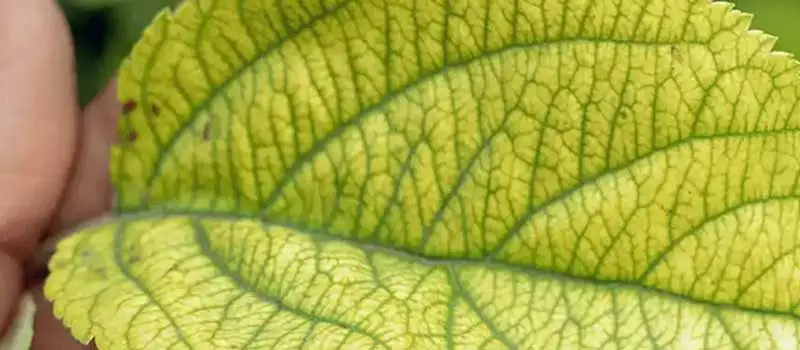
Farmers are under more and more pressure to keep food production high and fix vitamin deficiencies that keep plants from growing as much as they could. Interveinal chlorosis is a sign of iron shortage, which, in many farming methods, lowers the quality of food and the amount that can be used. In alkaline soils, it's not always possible to use standard iron sources. This makes farming very hard today.
Engineers and buying managers can use this resource to learn everything they need to know to pick and use the best products. It does this by focusing on sustainability, key industry goals, and crop-specific strategies. The guide shows you how to build strong relationships with sellers and use smart vitamin management to get better crop results.
Understanding DTPA Chelated Iron and Its Agricultural Role
Because its chemical structure is steady, DTPA chelated iron is a unique type of iron fertilizer that works best in soils that are neutral to slightly alkaline. This makes iron more accessible. It is made up of many complicated binding systems that keep iron in a form that plants can use even when the soil conditions change.
Chemical Properties and Stability Characteristics
Through DTPA chelation, a safe ring shape is formed around the iron molecule. This stops the iron from burning and solidifying, which can happen with other iron sources. Because it stays 99% pure, this chelated form always works well in growing situations. This group of micronutrients dissolves in water, so plants can quickly take it up through their leaves and roots.
The DTPA chelates work better than the EDTA chelates in neutral to slightly alkaline soil solutions. They stay stable in pH ranges from 6.0 to 7.5. This safety window is very helpful for hydroponic systems and fertigation programs that need to keep proper records of nutrients.
Comparison with Alternative Iron Sources
When you compare different kinds of iron fertilizer, it's clear that DTPA chelates are better than popular ones like iron oxide and iron sulfate. In alkaline soils, inorganic iron compounds tend to settle to the bottom, but chelated forms stay liquid and can be used by plants. Above pH 6.5, EDTA chelates become unstable. On the other hand, EDDHA solutions work well in very acidic conditions but cost a lot more.
They are good for the earth because they reduce the waste of nutrients and improve the efficiency of application, such as with DTPA chelated iron. Sustainable farming methods and green buying standards are being used by more and more modern agribusinesses, and these traits are in line with them.
Step-by-Step Application Guide for DTPA Chelated Iron Fertilizers
To get the most out of chelated iron vitamins, you need to know how to use them properly and know how to spot the signs of iron deficiency. It's important to pay close attention to time, amount, and the environment to get the most out of the treatment process and get rid of chlorosis problems.
Soil Application Techniques
To use DTPA chelated iron in soil, it needs to be mixed into the root zone. This can be done directly or by fertilizing the soil. How much to use varies on the crop, the pH of the soil, and the amount of organic matter in the soil. The recommended amount is between 2 and 5 kg per acre. A lot more water needs to be added to sandy soils because they leach more easily. Clay soils with a lot of organic matter, on the other hand, might need smaller rates.
With different types of fertilization, you can exactly control when nutrients are released, so you can use them at different times during the growing season. It is less likely that nutrients will be lost with this method, and the amount of iron available stays the same during important growth times. The pH of the water used for fertigation should stay between 5.5 and 6.5 so that the chelates stay fixed and the plants can absorb them.
Foliar Application Methods
Foliar sprays quickly fix the signs of iron deficiency. They work best when the plant needs a lot of iron or when the roots can't take it because of the way the soil is set up. To keep plants from getting burned, spray amounts should be between 0.1% and 0.3% by weight and should be used early in the morning or late at night.
Adding the right chemicals helps the leaves take it in better, and keeping the pH of the spray between 5.0 and 6.0 helps the plants take it in better. If you have a major shortage, you may need to apply more than once every 7–10 days. Just be careful not to use too much.
Hydroponic and Soilless Systems
In hydroponics, precise concentration control is needed to make sure that the right amount of iron is present without upsetting the balance of nutrients. The amount of chelated iron in standard hydroponic solutions ranges from 1 to 3 parts per million. This amount can be changed based on the type of plant and its growth stage. They are great for closed-loop hydroponic systems because they stay stable in systems with recycling.
If you regularly check the solution's pH and electrical conductivity, the nutrients will stay in balance, and iron compounds will not form. UV systems may break down chelated iron over time. This means that either more iron needs to be added or more input points need to be put after the UV equipment.
Evaluating and Choosing the Right DTPA Chelated Iron Product
To find the best chelated iron fertilizer, you need to find a mix between how well it works, how well it meets quality standards, and how much it costs, with DTPA chelated iron being one such option. Before you can judge a product, you need to know about its most important features that affect how well it works in farming and how much money it makes.
Quality Specifications and Purity Standards
The amount of chelated iron in good DTPA stays above 99%. This can be shown by scientific testing methods such as HPLC or colorimetric analysis. About 11% of the soil's weight is iron, but only a small amount of it is unchelated iron, which isn't useful for growing in alkaline soil.
How well the item breaks down in water is another important quality factor. Goods of good quality disappear fully in seconds. Very little solid residue (less than 0.05%) keeps watering tools from getting stuck and makes sure that nutrients are spread out evenly in all areas where they are used.
Supplier Evaluation Criteria
People who are in charge of buying things should judge sellers based on their licenses to make things, their quality control systems, and how well they follow government rules. Following the rules for REACH and ISO approval shows that you care about quality and the environment. To make sure food is safe, growing guidelines for heavy metal contamination must be met. Arsenic, lead, and cadmium are the ones that must be kept below these levels.
When you make something, you should be able to give different ways to pack it, such as 25 kg bags and metric ton bulk containers that can be used for big business sales. To ship goods to other countries, you need things like safety data sheets, certificates of analysis, and proof that the government has approved your business.
Cost-Benefit Analysis Considerations
When you do an economic evaluation, you look at how much the program costs and how much quality and output the evaluation says will change. Chelated iron sources cost more than regular iron sources at first, but they generally save you money because they work better and need to be used less often.
It costs less to manage things, and less is lost when they are stored in a stable place for a long time. Chelated iron needs to be kept in the right way because it soaks up water. It can last longer than two years if you store it properly.
Case Studies and Practical Insights for B2B Users
People who farm in the real world can see the amazing results they get when they use chelated iron fertilizers the right way. These case studies show how to make changes that will improve the quality and quantity of food and the best ways to do those things.
Large-Scale Grain Production
Iron shortage signs wouldn't go away on a 500-hectare corn farm in the Midwest of the United States. These signs were in fields with high soil pH levels. Iron sulfate wasn't used in the ways that were usual, which meant that food output and crop quality went down. When 3 kg of DTPA chelated iron was added to the soil per acre, the signs of chlorosis went away very quickly.
Yields went up by an average of 12% in the treated areas. Grain test weights also went up, and fungal levels went down. The higher iron levels helped plants deal with stress better during droughts, which shows how important it is to manage vitamins properly.
Specialty Crop Applications
High-value fruit crops often exhibit iron deficiency symptoms despite adequate soil iron levels, particularly in calcareous soils common in Mediterranean climates. A citrus operation covering 200 hectares implemented a combined soil and foliar application program using chelated iron products.
The integrated approach included soil application through drip irrigation systems at 4 kg per hectare annually, supplemented by foliar applications during fruit development periods. Results showed improved fruit quality metrics, including enhanced color development and increased vitamin C content, leading to premium market prices.
Hydroponic Vegetable Production
Commercial greenhouse operations require precise nutrient management to maintain optimal plant health and maximize production efficiency. A 10-hectare greenhouse complex producing tomatoes and peppers integrated chelated iron into their nutrient management protocols.
The implementation involved maintaining 2.5 ppm chelated iron in recirculating hydroponic solutions, with weekly monitoring and adjustment protocols. Production data showed consistent fruit quality throughout harvest periods, with reduced incidence of physiological disorders related to iron deficiency.
These practical insights demonstrate the importance of systematic approaches to micronutrient management, emphasizing the value of professional technical support and ongoing monitoring programs.
Conclusion
DTPA chelated iron fertilizers are useful for modern farms that want to grow food in a way that is good for the earth and get the most out of them. Because of how they are chemically made, these chelated micronutrients can safely fix problems with not having enough iron in a lot of different types of soil and farming methods. If a farmer knows how to use a product correctly, what high standards to look for, and how to judge a seller, they can buy things in a way that makes them money. The case studies show how smart control of vitamins can improve the quality and performance of crops.
FAQ
1. What makes DTPA-chelated iron superior to conventional iron sources?
DTPA chelation technology keeps iron in a form that plants can use from pH levels of 6.0 to 7.5, which is when other iron sources break down and stop working for plants. It is because the molecules don't change shape, oxidize, or precipitate, so nutrients are always available during the growing season.
2. Can DTPA-chelated iron be tank-mixed with other fertilizers and pesticides?
Because DTPA chelates are not charged, they can be mixed with most calcium-based herbicides and fertilizers. But you shouldn't mix it with very alkaline copper fungicides, as they could pull the iron out of the chelate structure. Before large-scale mixing, it is suggested that tests be done in jars to make sure they work together.
3. How should chelated iron products be stored to maintain quality?
Chelated iron products require storage in cool, dry places that aren't in full sunlight, so they don't break. Because these things soak up water, they need to be kept in places with controlled temperature and sealed packages. The chelation process will still work well after more than two years if you store the product the right way.
4. What are the recommended application rates for different crop types?
Amounts used vary on the type of soil, what the crop needs, and how bad the shortage is. Most of the time, 2 to 5 kg per acre is enough for soil treatments. To put on leaves, the amount should be between 0.1 and 0.3%. In hydroponic systems, nutrient solutions are kept between 1 and 3 parts per million (ppm). The ppm range changes based on the type of crop and its growth stage.
Partner with Hontai for Premium DTPA Chelated Iron Solutions
Hontai Biotech stands as a trusted DTPA Chelated Iron manufacturer, offering 99% pure chelated micronutrient products designed to meet the demanding requirements of modern agriculture. Our advanced manufacturing capabilities ensure consistent product quality, while flexible packaging options accommodate bulk procurement needs across global markets. Agricultural professionals seeking reliable chelated iron solutions benefit from our comprehensive technical support services and competitive pricing structures. Contact our expert team at admin@hontai-biotech.com to discuss customized product specifications and bulk pricing options that align with your operational requirements.
References
1. Chen, Y. and Barak, P. "Iron nutrition of plants in calcareous soils." Advances in Agronomy, Vol. 35, pp. 217-240, 1982.
2. Lucena, J.J. "Effects of bicarbonate, nitrate and other environmental factors on iron deficiency chlorosis." Journal of Plant Nutrition, Vol. 23, pp. 1591-1606, 2000.
3. Mortvedt, J.J. and Gilkes, R.J. "Zinc fertilizers: sources and application methods." Fertilizer Research, Vol. 35, pp. 139-156, 1993.
4. Reed, D.W. "A grower's guide to water, media, and nutrition for greenhouse crops." Ball Publishing, Batavia, Illinois, 1996.
5. Wallace, A. and Wallace, G.A. "Iron chelation in plant nutrition." Journal of Plant Nutrition, Vol. 5, pp. 1085-1101, 1982.
6. Yunta, F., Garcia-Marco, S., and Lucena, J.J. "Theoretical speciation of ethylenediamine-N-(o-hydroxyphenylacetic)-N,N',N'-triacetic acid in nutrient solutions." Journal of Agricultural and Food Chemistry, Vol. 51, pp. 5391-5399, 2003.
Our customers’ satisfaction speaks for our quality — contact us to experience the same reliable service.