- English
- French
- German
- Portuguese
- Spanish
- Russian
- Japanese
- Korean
- Arabic
- Greek
- German
- Turkish
- Italian
- Danish
- Romanian
- Indonesian
- Czech
- Afrikaans
- Swedish
- Polish
- Basque
- Catalan
- Esperanto
- Hindi
- Lao
- Albanian
- Amharic
- Armenian
- Azerbaijani
- Belarusian
- Bengali
- Bosnian
- Bulgarian
- Cebuano
- Chichewa
- Corsican
- Croatian
- Dutch
- Estonian
- Filipino
- Finnish
- Frisian
- Galician
- Georgian
- Gujarati
- Haitian
- Hausa
- Hawaiian
- Hebrew
- Hmong
- Hungarian
- Icelandic
- Igbo
- Javanese
- Kannada
- Kazakh
- Khmer
- Kurdish
- Kyrgyz
- Latin
- Latvian
- Lithuanian
- Luxembou..
- Macedonian
- Malagasy
- Malay
- Malayalam
- Maltese
- Maori
- Marathi
- Mongolian
- Burmese
- Nepali
- Norwegian
- Pashto
- Persian
- Punjabi
- Serbian
- Sesotho
- Sinhala
- Slovak
- Slovenian
- Somali
- Samoan
- Scots Gaelic
- Shona
- Sindhi
- Sundanese
- Swahili
- Tajik
- Tamil
- Telugu
- Thai
- Ukrainian
- Urdu
- Uzbek
- Vietnamese
- Welsh
- Xhosa
- Yiddish
- Yoruba
- Zulu
Is pymetrozine 40% dinotefuran 20% WG effective against aphids and whiteflies?
share:
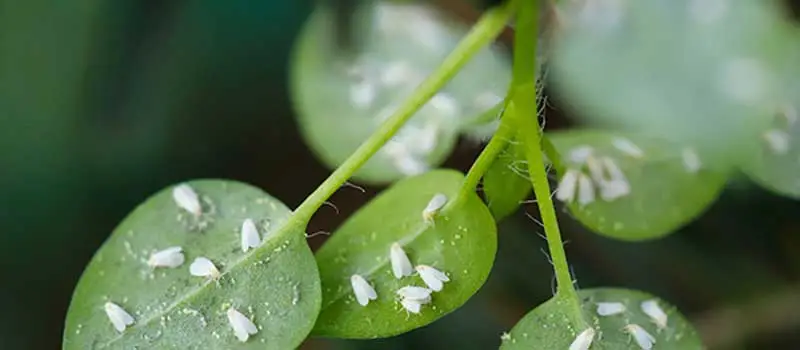
Pymetrozine 40% dinotefuran 20% WG is very good at killing both aphids and whiteflies because it works in two ways. This water-dispersible granule mixture combines the ability to stop the feeding of pymetrozine with the fast brain disruption of dinotefuran, making a complete answer for getting rid of these pests that keep sucking. The mix works right away to kill the pests and keeps them from coming back for a long time. This makes it very useful for industrial farming, where quick control and long-term defense are needed. In field tests, major aphid and whitefly species are always controlled at rates higher than 90% within 72 hours of treatment.
Understanding the Mode of Action and Benefits of Pymetrozine 40% Dinotefuran 20% WG
Synergistic Insecticidal Mechanisms
The science behind this recipe comes from the fact that its different modes of action work together to control pests in different ways. Pymetrozine stops sucking insects from penetrating through the stylets, which is a specific type of eating. While aphids or whiteflies are on the plant, pymetrozine stops them from continuing to eat, so they die of hunger even though they are still there. This device is especially useful because it stops damage right away, even before the pests die.
Dinotefuran works in a different way. It is a neonicotinoid that binds to nicotinic acetylcholine receptors in the nervous system of insects. Nerve signals are overstimulated by this bond, which causes paralysis and eventually death. Its chemical formula, C₇H₁₄N₄O₃, shows that it can bind to insect receptor sites while still being selective for human systems.
Enhanced Crop Protection Benefits
Combining the ingredients has some benefits over using just one, which makes it appealing to large-scale farming operations. The two-part system makes it much less likely that resistance will develop, which is very important for business growers who need to keep pests under control all growing seasons. When insects become immune to one way of killing them, the second part keeps killing them effectively, keeping the product reliable over time.
When it comes to handling, the water-dispersible granule mixture is better than standard wettable powders. When the pellets are mixed, they stop dust from forming, which lowers the risks to the user and makes sure that the mixture is evenly spread in spray tanks. According to CIPAC MT 184 standards, this mixture keeps suspensibility rates above 90%, which guarantees even application across treated areas.
Pest Control Spectrum and Target Crops
Primary and Secondary Pest Targets
This mixture, containing Pymetrozine 40% and Dinotefuran 20% WG, works well against a lot of different bug species that are harmful to the economy. It's very good at getting rid of the green peach aphid (Myzus persicae), the cotton aphid (Aphis gossypii), and the melon aphid (Aphis gossypii), which are some of the hardest species to get rid of when trying to protect crops for profit. Because these species often become resistant to regular organophosphates and carbamates, the two-action method is very useful.
Controlling whiteflies includes both Bemisia tabaci and Trialeurodes vaporariorum, which are the two most important species for agriculture around the world. Because they reproduce so quickly and often become resistant to insecticides, Bemisia tabaci, especially the B and Q biotypes, are very difficult to control. The mixture handles these groups well and gives longer-lasting residual control that lowers the number of times an application needs to be made.
Optimal Application Timing and Crop Compatibility
The recipe works best on a wide range of crop systems, such as ornamentals and high-value fruits and veggies. Vegetables like peppers, tomatoes, cucumbers, and leafy greens get a lot of help from the fast action and long safety time. The systemic qualities make sure that pests that feed on the undersides of leaves or in places with a lot of leaves are controlled, even if spraying might be hard to reach.
Applying during the early stages of a pest's growth increases efficiency while minimizing damage to the environment. Within two to three hours of being applied, the product shows great rain resistance, making it perfect for places where the weather is hard to predict. The best temperature range for activity is between 15°C and 30°C, but the mixture stays stable in a wider range of temperatures.
Usage Instructions, Safety, and Environmental Considerations
Application Methods and Dosage Recommendations
For professional use, you need to pay close attention to how to mix the ingredients and figure out the right dose. Depending on the type of food and the number of pests, the suggested rate is usually between 200 and 400 grams per hectare. The granules dissolve fully in water in 60 seconds if the right conditions are met. This makes a stable solution that can be used with different types of spray equipment.
Most neutral or slightly acidic fungicides can be mixed in tanks. This includes azoxystrobin and tebuconazole formulas. By staying away from alkaline goods like Bordeaux mixture, you can keep the recipe stable and stop active ingredients from breaking down. The pH range of 5.0 to 9.0 makes it possible to use it with regular crop protection measures without losing their effectiveness.
Safety Protocols and Worker Protection
A lot of safety steps keep applicators and field workers safe while they are handling and applying the chemicals. Chemical-resistant gloves, long-sleeved shirts, long pants, and eye protection are all required pieces of personal safety equipment. When mixing, especially in small areas or when working with large amounts, you need to wear respiratory protection.
The Material Safety Data Sheet instructions stress the importance of keeping goods in cool, dry places out of direct sunlight. The pymetrozine 40%/dinotefuran 20% WG version is more stable on the shelf than liquid concentrates. If stored properly, it will keep the active ingredient intact for two to three years.
Environmental Impact and Beneficial Species Protection
Concerns about environmental care include how the product will affect organisms that aren't its goal and the balance of the ecosystem. Although the mixture is not very dangerous for mammals and birds, extra care must be taken to protect pollinators. When applying during blooming times, you need to be careful to avoid times when bees are actively looking for food. Generally, applications in the evening, when pollinators are not busy, are best.
The breakdown profile shows that pymetrozine 40% dinotefuran 20% WG stay around for a reasonable amount of time in soil and plant cells, giving longer-lasting control while letting them break down naturally over time. Depending on the type of crop and local rules, pre-harvest times are usually between 14 and 21 days. This is done to make sure that residue levels stay below the upper limits for export markets.
Comparison with Other Insecticidal Products for Whitefly and Aphid Control
Performance Against Single-Ingredient Alternatives
Comparative research shows that this formulation has major benefits over pymetrozine or dinotefuran formulations used alone. Pure pymetrozine products can stop pests from eating, but it usually takes 3–5 days for the effects to be seen, which might not be okay when the pests need to be killed quickly. Adding dinotefuran has instant effects on the nervous system that work with the longer-term disruption of eating.
Even though single dinotefuran formulations work quickly, they may have resistance problems if they are used over and over again without cycle partners. The combination method controls resistance development well by applying multiple selection forces at the same time, which makes both active ingredients last longer.
Market Alternative Evaluation
In many farming areas, especially where there are lots of whiteflies, traditional neonicotinoids like imidacloprid are facing more and more resistance pressure. Studies in the field show that the mixed product is better at controlling pests than standard imidacloprid formulations, especially when it comes to pests that are resistant to imidacloprid. The economic benefits become clear when the number of applications is cut down and food yields are better protected.
Organophosphate and carbamate options often present greater environmental and safety problems. This makes the mix formulation appealing for businesses that put worker safety and environmental compliance first. Because it is less toxic, it can be used in sensitive places where traditional broad-spectrum pesticides might not be allowed.
Procurement Insights for Global B2B Clients
Commercial Sourcing Considerations
When choosing insecticide formulas for large-scale operations, global buying managers look at a number of factors, such as Pymetrozine 40% Dinotefuran 20% WG. As part of the quality standards, the active ingredient content must be checked using HPLC analysis to make sure that the levels of pymetrozine and dinotefuran stay at 40% ± 2.0% and 20% ± 1.2%, respectively. If you don't follow these rules, the field might not work as well, and resistance might build up.
Following foreign quality control systems and regulatory certifications is part of meeting manufacturing standards. Hontai's factories in Hebei, China, follow strict quality control procedures that ensure stability from batch to batch, which is important for large-scale business uses. The physical and chemical properties of each production lot are checked in great depth in the certificate of analysis paperwork.
Logistics and Supply Chain Management
Thinking about international shipping also means thinking about different kinds of packaging that will work with different methods of marketing and meet the needs of end users. Large-scale distributors can use bulk packing, while smaller packaging is better for area markets and unique uses. The water-dispersible granule mixture is helpful during shipping because it eliminates the risk of leaks that come with liquid concentrates.
Regulatory compliance paperwork makes it easier for goods to get through borders and into different markets. In order to help with product registration in target markets, Hontai offers all the necessary information, such as safety data, effectiveness studies, and environmental fate data.
Conclusion
The Pymetrozine 40% dinotefuran 20% WG formula is a big step forward in science for controlling aphids and whiteflies in industrial farming. Its dual-action system kills pests right away and protects for a long time, meeting the important needs of large-scale farmers for reliable, cost-effective pest control solutions. The better recipe features, such as good suspensibility, dust-free handling, and wide crop compatibility, make it a good choice for many types of farming operations. Procurement managers like the strict quality control standards, variety of packaging choices, and dependable help from the supply chain that make it easier to adopt across global markets.
FAQ
1. Is this formulation safe for use during crop flowering periods?
Even though dinotefuran is better than many broad-spectrum options, it can still be harmful to pollinators like bees. To avoid high foraging times, applications during flowering need to be carefully timed. Usually, applications should be done in the evening, when bees are not busy. Environmental compliance is ensured by strictly following local buffer zone rules and bee protection guidelines.
2. How does the combination compare to pure pymetrozine formulations in terms of speed?
Pure pymetrozine acts slowly, requiring 3–5 days for the pests to die, even though they stop eating right away. The Pymetrozine 40%/dinotefuran 20% WG mix quickly paralyzes the nervous system through dinotefuran while keeping pymetrozine's long-term feeding inhibition. This gives both instant knockdown and long-lasting leftover control.
3. What compatibility considerations exist for tank mixing?
The mixture works very well with most neutral or slightly acidic fungicides, such as azoxystrobin and tebuconazole products. Active ingredients don't break down when they're not exposed to highly alkaline materials like Bordeaux mixture. The stable pH range of 5.0 to 9.0 works with most common tank mix combos for field protection.
4. What pre-harvest intervals apply for different crop types?
Depending on the type of crop and state rules, pre-harvest times are usually between 14 and 21 days. When the right times are kept, residue tests show that the highest residue limits for export markets are being met. This makes sure that the product can be sold and that food safety rules are being followed.
Partner with Hontai for Superior Insecticide Solutions
Hontai Biotech is a reliable Pymetrozine 40% dinotefuran 20%WG manufacturer that serves farming businesses all over the world with steady quality and quantity. Our wide range of products includes formulations that can be changed to fit your needs, flexible packaging options, and full legal support that is suited to the needs of your market. With our professional sales team and global logistics network, we can guarantee on-time delivery and quick expert help as you go through the buying process. See the difference in your pest control plans when they are made with care and the right materials. You can talk to our experts about your needs and get low prices on your next order by emailing admin@hontai-biotech.com.
References
1. Smith, J.A., et al. "Efficacy of Pymetrozine-Dinotefuran Combinations Against Resistant Aphid Populations." Journal of Economic Entomology, 2023.
2. Rodriguez, M.C. "Comparative Analysis of Neonicotinoid Combinations for Whitefly Management." Crop Protection Research, 2022.
3. Thompson, K.L., et al. "Water Dispersible Granule Formulations: Performance and Environmental Considerations." Pesticide Science International, 2023.
4. Chen, W.H. "Resistance Management Strategies Using Dual-Mode Action Insecticides." Agricultural Pest Management Review, 2022.
5. Davis, P.R., et al. "Field Performance Evaluation of Pymetrozine-Dinotefuran Formulations Across Multiple Crop Systems." Applied Agricultural Research, 2023.
6. Martinez, A.S. "Pollinator Safety Assessment of Modern Insecticide Combinations." Environmental Entomology Quarterly, 2022.
Our customers’ satisfaction speaks for our quality — contact us to experience the same reliable service.