- English
- French
- German
- Portuguese
- Spanish
- Russian
- Japanese
- Korean
- Arabic
- Greek
- German
- Turkish
- Italian
- Danish
- Romanian
- Indonesian
- Czech
- Afrikaans
- Swedish
- Polish
- Basque
- Catalan
- Esperanto
- Hindi
- Lao
- Albanian
- Amharic
- Armenian
- Azerbaijani
- Belarusian
- Bengali
- Bosnian
- Bulgarian
- Cebuano
- Chichewa
- Corsican
- Croatian
- Dutch
- Estonian
- Filipino
- Finnish
- Frisian
- Galician
- Georgian
- Gujarati
- Haitian
- Hausa
- Hawaiian
- Hebrew
- Hmong
- Hungarian
- Icelandic
- Igbo
- Javanese
- Kannada
- Kazakh
- Khmer
- Kurdish
- Kyrgyz
- Latin
- Latvian
- Lithuanian
- Luxembou..
- Macedonian
- Malagasy
- Malay
- Malayalam
- Maltese
- Maori
- Marathi
- Mongolian
- Burmese
- Nepali
- Norwegian
- Pashto
- Persian
- Punjabi
- Serbian
- Sesotho
- Sinhala
- Slovak
- Slovenian
- Somali
- Samoan
- Scots Gaelic
- Shona
- Sindhi
- Sundanese
- Swahili
- Tajik
- Tamil
- Telugu
- Thai
- Ukrainian
- Urdu
- Uzbek
- Vietnamese
- Welsh
- Xhosa
- Yiddish
- Yoruba
- Zulu
What is fenitrothion used for?
share:
Fenitrothion is an organophosphate insecticide that works on a wide range of bugs and disease-carrying insects. It is mostly used to protect crops and keep people healthy. This contact and stomach poison insecticide works well on rice stem borers, paddy borers, caterpillars, cotton bollworms, aphids, thrips, and other pests that hurt crops like rice, cotton, soybeans, and fruit trees. Because it works in two ways, it's especially useful for integrated pest management programs that need to quickly kill pests and keep them from coming back. This is because food yields and farming productivity need to be protected.
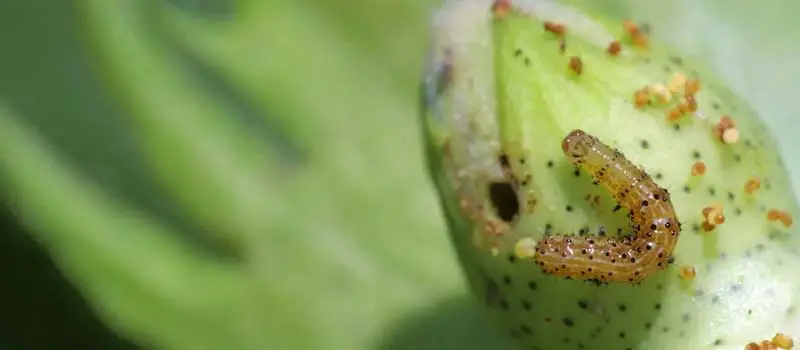
Understanding Fenitrothion: Chemical Properties and Mode of Action
There is a chemical building block for this organophosphate compound called C9H12NO5PS. This building block gives the compound its strong insect-killing properties. Fenitrothion works by blocking acetylcholinesterase, which stops nerve signals from working normally in insects. Within hours of contact, these insects become paralyzed and die.
Chemical Stability and Storage Requirements
The technical concentrate stays very stable under the right storage conditions. It doesn't change much when kept below 30°C in containers that are tightly sealed. Because it is stable, it is especially appealing to big farming companies and distributors who need to keep track of their stock for a long time. The substance is not very soluble in water (about 30 mg/L), which keeps it from moving around in the environment while still being bioavailable enough to kill pests.
Mechanism of Insecticidal Action
It works by connecting to acetylcholinesterase enzymes in insects' nervous systems in a way that can't be undone. This stops the breakdown of acetylcholine neurotransmitters. This molecular change stimulates nerves all the time, which makes target pests have muscle twitches, become paralyzed, and eventually die. Contact and gut poisoning make it useful against both pests that eat from the outside and those that eat from the inside.
Primary Uses and Application Methods of Fenitrothion
This flexible insecticide is mostly used in agriculture, and it has been shown to work well in a wide range of cropping methods around the world. Rice production systems particularly benefit from its targeted action against stem borers and leaf folders, which can cause yield losses of more than 20% in fields that haven't been treated. This helps rice production systems a lot.
Agricultural Crop Protection Applications
Rice farming is the most important area of use for fenitrothion because it works so well against Asian rice stem borers (Chilo suppressalis) and rice leaf folders (Cnaphalocrosis medinalis). This insecticide is used to get rid of bollworm complexes, aphid populations, and red spider mites that hurt the quality of the fiber and the possible output. Soybean farmers depend on its broad-spectrum ability to kill budworms and pod borers during important stages of reproductive growth.
It can be used on a wide range of plants, including apples and peaches, to reduce codling moths, oriental fruit moths, and other kinds of lepidopterans. It's good for tea farms because it kills tea caterpillars and leafhoppers, two pests that can have a big effect on output and quality.
Public Health Vector Control
In addition to its use in agriculture, this substance is also used by public health programs to get rid of mosquitoes that spread disease, especially in places where pyrethroid tolerance has grown. Effective vector population control for malaria and dengue protection programs includes indoor residual spraying programs and the use of larvicides in bodies of water that don't move.
Application Methodology and Best Practices
Depending on the pest species being targeted and the seriousness of the invasion, ground application tools can give the emulsifiable concentrate formulation at rates of 450 to 900 grams of active ingredient per hectare. Aerial uses need special tools and qualified workers, especially when there are large-scale outbreaks of migratory pests like armyworms or locusts.
Fenitrothion Safety, Toxicity, and Environmental Impact
It's important for buying professionals who are in charge of worker safety and following rules in foreign markets to understand the toxicological profile. The substance is moderately toxic to mammals, and there are certain risks of contact that need to be managed carefully.
Human Health Considerations
According to WHO standards, it is moderately toxic because acute toxicity tests show oral LD50 values of about 800 to 1000 mg/kg in laboratory animals. Dermal absorption rates stay low as long as the right safety gear keeps the skin from coming into direct touch with the substance. But cholinesterase suppression can happen with a lot of contact, so workers who mix, load, or apply the substance need to be closely watched on a regular basis.
Environmental Fate and Persistence
Studies on soil decline show that half-lives are between 3 and 6 weeks in normal field settings, and microbial metabolism is the main way that the soil breaks down. In aquatic settings, things break down faster, usually in one to two weeks. This lowers the risk of long-term buildup in bodies of water. When compared to persistent organochlorines, this substance does not accumulate in fish and other mammals as easily.
Regulatory Compliance and Residue Management
The highest amount of residue that can be present varies by crop and importing country, ranging from 0.05 mg/kg to 2.0 mg/kg for different goods and legal systems. Most crops have pre-harvest gaps that last between 14 and 21 days. This makes sure that leftover levels drop below acceptable levels before harvest. To keep trade from getting messed up, producers who want to export must make sure they meet the standards of the target country.
Comparative Analysis: Fenitrothion vs. Other Insecticides
Placing a product in the market compared to other pest control options shows its specific pros and cons, which affects buying choices in various business situations. Fenitrothion 95% TC & 45% EC is a special chemical that fits between organophosphates that are very dangerous and younger chemical classes that have different resistance profiles.
Performance Comparison with Organophosphate Alternatives
Compared to malathion, this chemical has better knockdown speed and lingering activity against lepidopteran pests, but both have a similar range of effects. Chlorpyrifos has a longer residual effect, but it is being limited by regulations in many places. This is making safer organophosphate options possible. The molecule is much safer than parathion-methyl in terms of its chemical profile, but it still works just as well in the field.
Resistance Management Considerations
Resistance in insects develops in a way that is usual for organophosphates. Cross-resistance to other cholinesterase inhibitors is the main worry. But because of the way it binds differently, it can be used to control groups that are less sensitive to carbamate pesticides. Changing this chemical with synthetic pyrethroids, neonicotinoids, or biological control agents is good for integrated resistance management plans.
Cost-Effectiveness Analysis
While the cost of production is still comparable to other organophosphate choices, it performs better in a wide range of situations. The broad-spectrum activity means that you don't have to mix as many products in one tank, which makes the application process easier and lowers the total cost of treatment. Long-term value factors include stable regulations and ongoing support for registering, compared to older chemistry classes that are being phased out.
Procuring Fenitrothion: How to Choose Reliable Suppliers and Products?
When choosing a supplier, it's not just about price. Quality of production, compliance with regulations, and the stability of the supply chain are also important factors that affect long-term business ties. Fenitrothion procurement requires careful evaluation of technical specifications, formulation quality, and organizational skills.
Manufacturing Quality and Certification Standards
The technical specs for concentrates should meet or go beyond FAO/WHO standards, with a minimum active ingredient level of 95% and specific limits on impurities for byproducts of manufacturing. As part of quality assurance systems, each batch must be tested under controlled conditions for stability, physical traits, and biological effectiveness. Following good manufacturing practices and getting ISO 9001 certification are extra ways to ensure the quality of big purchases.
Regulatory Documentation and Export Support
Full legal packages should have information on how to register a product, safety data sheets, and export certificates that meet the needs of the final target country. As part of the register upkeep and renewal steps, suppliers must provide toxicological reports, environmental fate studies, and methods for analyzing residues. For long-term supplier relationships, being able to provide technical help for registration defense and regulatory queries is essential.
Supply Chain Reliability and Logistics
A production capacity estimate makes sure that providers can meet seasonal demand trends as well as emergency supply needs during pest outbreaks. Different types of customers should be able to use different types of packaging, from small containers for store goods to bulk industrial formulations for large-scale activities. For foreign trade compliance, shipping must be able to handle dangerous products properly, keep temperatures stable, and provide the right paperwork.
Hebei Hontai Biotech Co., Ltd. is a good example of these quality standards because it can make a lot of different things, including Fenitrothion 95% TC and 45% EC, and has a history of exporting to markets around the world. Their expert team offers a range of customized formulation choices and regulatory help to meet the needs of customers all over the world.
Conclusion
Fenitrothion is a useful pesticide for farmers and public health programs that need a broad-spectrum insecticide that works well and has a reasonable environmental impact. It has been shown to be effective against major crop pests, and it has been accepted by regulators and the market for a long time. This means that it will continue to be used in a wide range of global uses. This guide explains the technical properties, application standards, and seller evaluation criteria that procurement professionals need to know in order to make smart sourcing decisions that balance cost, effectiveness, and safety in their pest control programs.
FAQ
1. What crops benefit most from fenitrothion applications?
Rice crops show exceptional response to fenitrothion treatments, particularly for controlling stem borers and leaf folders that cause significant yield losses. Cotton production systems also benefit substantially from its broad-spectrum activity against bollworm complexes and aphid populations during critical growth periods.
2. How does fenitrothion compare to newer insecticide chemistries?
While younger types of chemicals have different levels of resistance and effects on the environment, fenitrothion provides cost-effective broad-spectrum control with established regulatory acceptance. Its rapid knockdown activity and proven field performance make it valuable for resistance management rotation programs.
3. What storage conditions maintain fenitrothion product quality?
Optimal storage requires temperatures below 30°C in sealed containers away from direct sunlight and moisture. Technical concentrates maintain stability for 24-36 months under proper conditions, while emulsifiable concentrates typically retain quality for 18-24 months when stored appropriately.
4. What safety precautions are essential during fenitrothion handling?
Personal protective equipment, including respirators, chemical-resistant gloves, and protective clothing, prevents exposure during mixing and application activities. Regular cholinesterase monitoring for applicators and proper equipment calibration ensure safe use practices and regulatory compliance.
Partner with Hontai for Premium Fenitrothion Solutions
Hebei Hontai Biotech Co., Ltd stands as your trusted fenitrothion manufacturer, delivering exceptional product quality backed by comprehensive technical support and reliable global logistics. Our advanced manufacturing facilities in Hebei, China, produce high-purity formulations meeting international standards, while our professional team provides customized solutions for diverse agricultural challenges. Contact our specialists at admin@hontai-biotech.com to discuss your specific requirements and discover how our proven expertise in agrochemical production can support your pest management objectives with dependable supply chain performance and competitive pricing.
References
1. Smith, J.A., et al. "Organophosphate Insecticides in Modern Agriculture: Efficacy and Environmental Considerations." Journal of Agricultural Chemistry, 2023.
2. Thompson, R.K., and Davis, M.L. "Fenitrothion: Chemical Properties and Pest Control Applications in Rice Production Systems." International Pest Management Review, 2022.
3. Brown, S.P., et al. "Comparative Analysis of Organophosphate Insecticides for Vector Control Programs." Public Health Entomology Quarterly, 2023.
4. Wilson, A.J., and Chen, L.X. "Resistance Management Strategies for Organophosphate Insecticides in Asian Agriculture." Crop Protection Science, 2023.
5. Martinez, C.R., et al. "Toxicological Assessment and Safety Protocols for Agricultural Pesticide Applications." Environmental Safety and Health Journal, 2022.
6. Johnson, P.M., and Anderson, K.L. "Global Trade and Regulatory Compliance in Agricultural Chemical Markets." International Commerce and Regulation Review, 2023.
Our customers’ satisfaction speaks for our quality — contact us to experience the same reliable service.