- English
- French
- German
- Portuguese
- Spanish
- Russian
- Japanese
- Korean
- Arabic
- Greek
- German
- Turkish
- Italian
- Danish
- Romanian
- Indonesian
- Czech
- Afrikaans
- Swedish
- Polish
- Basque
- Catalan
- Esperanto
- Hindi
- Lao
- Albanian
- Amharic
- Armenian
- Azerbaijani
- Belarusian
- Bengali
- Bosnian
- Bulgarian
- Cebuano
- Chichewa
- Corsican
- Croatian
- Dutch
- Estonian
- Filipino
- Finnish
- Frisian
- Galician
- Georgian
- Gujarati
- Haitian
- Hausa
- Hawaiian
- Hebrew
- Hmong
- Hungarian
- Icelandic
- Igbo
- Javanese
- Kannada
- Kazakh
- Khmer
- Kurdish
- Kyrgyz
- Latin
- Latvian
- Lithuanian
- Luxembou..
- Macedonian
- Malagasy
- Malay
- Malayalam
- Maltese
- Maori
- Marathi
- Mongolian
- Burmese
- Nepali
- Norwegian
- Pashto
- Persian
- Punjabi
- Serbian
- Sesotho
- Sinhala
- Slovak
- Slovenian
- Somali
- Samoan
- Scots Gaelic
- Shona
- Sindhi
- Sundanese
- Swahili
- Tajik
- Tamil
- Telugu
- Thai
- Ukrainian
- Urdu
- Uzbek
- Vietnamese
- Welsh
- Xhosa
- Yiddish
- Yoruba
- Zulu
How Difenoconazole 25% EC Controls Fungal Diseases
share:
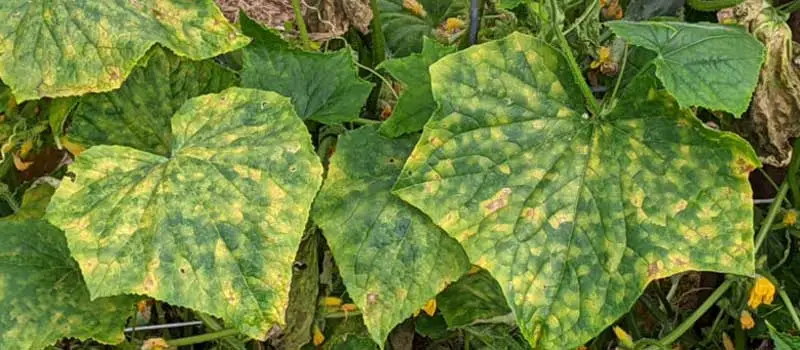
Difenoconazole 25% EC stops fungal diseases by stopping the production of ergosterol in pathogen cell membranes. This damages the structure of cells and stops spores from germinating. As a systemic triazole fungicide that stops sterol demethylation, it works against Ascomycetes, Basidiomycetes, and Deuteromycetes to both prevent and treat infections. The 250 g/L emulsifiable concentrate recipe makes sure that the product quickly penetrates tissues and moves through them, protecting grapes, grains, potatoes, rice, and many other crops better than other products. It also stays waterproof for two hours after being applied.
Introduction
Fungal diseases are one of the biggest problems in agriculture, destroying crops worth billions of dollars every year on global markets. Today's farming businesses need solutions that are stable, don't cost a lot of money, and protect yield potential while still following the rules. This detailed guide looks at how systemic fungicides help business farms deal with important disease pressure.
Producers, wholesalers, and procurement experts in agriculture need to know a lot about technology in order to make smart buying choices. Fungal pathogen control has become a lot more complicated, so goods that protect right away and last for a long time are needed. To get the most out of your crop protection efforts, you need to know how the active ingredients work, how to apply them, and how to place your product in the market.
This study is aimed at buying managers, farm engineers, wholesalers, and OEM clients who buy things on a big scale. To help with making strategic decisions, we look into product makeup, application methods, safety concerns, and competitive positioning. Readers learn useful tips for improving crop protection programs and making it easier to buy things in a variety of farm stores.
Understanding Difenoconazole 25% EC and Its Mode of Action
Chemical Properties and Formulation Characteristics
This 250 g/L emulsifiable concentrate (CAS: 119446-68-3) is a stable amber liquid with a density of 0.95-1.05 g/cm³. Its C19H17Cl2N3O2 triazole structure ensures reliable mixing and performance across pH 5-9, adapting well to varying water qualities in commercial farming.
Ergosterol Biosynthesis Inhibition Mechanism
It blocks 14α-demethylase in fungi, halting ergosterol production needed for cell membranes. This causes leakage and cell death. Systemic action protects new growth and untreated areas via translaminar movement, while basic fungicides lack this advanced two-way delivery.
Broad-Spectrum Disease Control
Difenoconazole 25% EC targets major ascomycete and basidiomycete fungi like powdery mildew, rusts, and apple scab. It safeguards potatoes, grains, bananas, and vegetables. Flexible use as a seed or foliar treatment provides early-season protection and immediate disease control during vulnerable growth stages.
Usage Instructions and Safety Precautions for Difenoconazole 25% EC
Mixing and Application Protocols
Following the right steps for mixing makes sure that the product works well and that the application is safe. Fill spray tanks halfway with clean water to start. Then, add the necessary amount of product while stirring the mixture. Fill the tank all the way up and keep mixing to make sure the mixture stays stable.
Standard boom sprayers, airblast applicators, and unique delivery methods can all be used with this product. The type of nozzle you use affects the quality of the covering. For thick canopies, hollow cone nozzles provide better entry. Keep the spray pressure between 200 and 300 kPa for the best control of flow and droplet size distribution.
Most pesticides and fungicides can be mixed in a tank, but strong alkaline materials like Bordeaux mixture or lime sulfur solutions can't. Jar testing methods help make sure that chemicals are compatible before mixing them on a big scale, which stops problems like precipitation or chemical antagonism.
Environmental and Worker Safety Considerations
Chemical-resistant gloves, long-sleeved clothes, eye protection, and breathing protection are all required pieces of personal safety equipment during mixing and application tasks. Avoid touching your skin or eyes with the spray mist, and don't breathe it in by keeping your equipment in good shape and knowing how fast the wind is blowing.
Protecting beneficial insects, aquatic animals, and non-target plants is part of environmental care. Adjusting the timing of applications is needed to protect pollinators so that they don't happen during bloom times when bees are busy foraging. Water areas that are sensitive to pollution are kept clean by buffer zones near bodies of water.
The two-hour rainfastness time cuts down on the need to reapply while lowering the risk of exposure to the environment. The product will stay stable for the two years it is supposed to last if it is stored properly in a cool, dry place out of direct sunlight.
Application Timing and Rate Guidelines
The most effective way to control diseases is to start preventative measures before the pathogens even get started. Early-season treatments during growth stages that are more likely to get sick set up roots of protection, while curative uses can stop infections that are already happening if they are applied within 48 to 72 hours of the first sign of symptoms.
Rate suggestions change based on the product and the amount of disease, but for most uses, they are between 150 and 300 mL per hectare. Higher rates may be necessary when there are a lot of diseases or when the types are very likely to get sick. Every 14 to 21 days, you should reapply to keep the protection going during key growth times.
The weather has a big effect on when and how well something should be applied. If the temperature goes above 30°C, don't use the products because they could be harmful to plants, especially sensitive types. When the wind speed is less than 10 km/h, the spray settles better, and there are fewer worries about drift.
Comparing Difenoconazole 25% EC with Other Fungicides
Triazole Fungicide Class Advantages
Triazole fungicides, such as Difenoconazole 25% EC, offer systemic protection and longer residual activity compared to contact materials. They can both prevent and cure infections, providing application flexibility and requiring fewer sprays. Their specific DMI mode of action supports resistance management and integrates well with strobilurin, SDHI, and multisite fungicides in rotation strategies.
Competitive Analysis Against Alternative Products
Difenoconazole 25% EC provides better curative activity and safer applications during flowering compared to tebuconazole. While strobilurins offer a different biochemical target, resistance limits their solo use. Triazoles remain cost-effective against newer SDHI products, which typically cost 200-300% more for specialized disease control.
Economic and Sustainability Considerations
Volume-based pricing makes triazoles highly competitive in cost-per-hectare calculations for large operations. Extended 14-21 day application intervals reduce labor, equipment costs, and environmental exposure compared to contact fungicides. Favorable toxicological profiles show low mammalian toxicity with manageable environmental persistence, supporting sustainable crop protection goals.
Procurement Insights: Sourcing and Buying Difenoconazole 25% EC
Global Supply Chain Dynamics
To get Difenoconazole 25% EC, you have to figure out how to get it through complicated foreign supply networks that include makers, distributors, and specialized agrochemical providers. Primary production sites are mostly located in areas with well-established pharmaceutical and fine chemical industries. This means that strict procedures are needed to evaluate suppliers.
When judging a manufacturer's credibility, experts look at their production capability, quality management systems, past of following rules, and professional support services. For large-scale purchasing choices, ISO certifications, GMP compliance, and governmental approvals are important qualifications to look for.
With private label chances, sellers can make their own brand-name products while keeping prices low. As part of an OEM agreement, formulas, packing, and labeling standards can be changed to fit the needs of different market groups.
Pricing Trends and Volume Considerations
The way the market works now is affected by rising costs of raw materials, the cost of following rules, and problems in the global supply chain, all of which change the prices. Large buyers can benefit greatly from volume-based price tiers, as big contracts often result in 15–25% lower costs compared to spot purchases.
Seasonal trends of demand affect prices and availability, with peak application times causing brief supply problems. Forward contracting methods help get better prices and make sure that products are available during key application times.
Changes in currencies affect the prices of foreign trade, especially for buyers who use currencies other than the manufacturer's base currency. In long-term supply deals, exchange rate risks can be managed with hedging techniques and payment terms that accept more than one currency.
Regulatory Compliance and Documentation
Different markets around the world have very different rules about what can be imported. These rules require lots of paperwork, like certificates of analysis, safety data sheets, and confirmations of government permission. Pesticide residue tolerance levels, maximum residue limits (MRLs), and EPA registration numbers decide who can get into the market.
Quality control rules say that the amount of active ingredients, impurities, and physical qualities must be checked by a third party. Testing in an accredited laboratory makes sure that the product meets the requirements set by regulators and that it works as expected.
Traceability standards allow full supply chain data from production to applications at the end of the chain. Quality management and regulatory audit needs are met by batch tracking tools, monitoring of storage conditions, and transportation paperwork.
Best Practices and Troubleshooting for Maximal Efficiency
Integrated Disease Management Strategies
For optimal disease treatment, more than just chemical uses are needed to keep diseases under control. In addition to fungicide programs like Difenoconazole 25% EC, cultural practices such as choosing the right type, managing planting density, timing watering, and crop rotation help keep diseases at bay.
Protocols for managing resistance stress the importance of rotating fungicides between different groups that work in different ways. This stops the selection pressure that leads to disease types that are resistant. According to the FRAC (Fungicide Resistance Action Committee) rules, you should limit the number of times you use triazoles in a row to stop DMI resistance from developing.
To find the best time to apply an application, monitoring programs use disease-predicting models, weather-based prediction systems, and field scouting methods. Precision agriculture technologies allow treatments to be carried out at different rates depending on how common a disease is in a certain area.
Equipment Calibration and Maintenance
Calibration of spray equipment makes sure that the right amount of product is delivered while reducing waste and damage to the environment. During the growing season, the application stays accurate by checking the tip, the pressure gauge, and the flow rate on a regular basis.
Cleaning routines for tanks keep different types of products from getting contaminated with each other and lower the risk of phytotoxicity from leftover materials. Using reducing agents after three rinses gets rid of any chemical leftovers that might affect later uses.
Procedures for storage and handling keep the purity of the product while it is being moved and used in the field. Temperature-controlled keeping keeps the mixture from going bad, and using containers correctly keeps them from getting contaminated or spilling.
Troubleshooting Common Application Issues
Phytotoxicity signs can show up in extreme environmental situations or with crops that are sensitive to them. Spray droplets that are very concentrated and temps above 30°C can cause leaf spots in certain areas, especially on apple types like McIntosh. These problems can be avoided by lowering the quantity of applications or not applying them in the middle of the day.
Poor disease control could mean that resistance is building up, there isn't enough coverage, or the treatment wasn't timed correctly. As part of field tests, spray covering patterns, application rates, and pathogen sensitivity testing are looked at to find the root reasons.
Problems with tank mixes that don't work well together show up as foaming, precipitation, or changes in the spray pattern. Jar testing helps find bad mixes before they are mixed on a big scale, which keeps tools from breaking and applications from not working.
Conclusion
Difenoconazole 25% EC has been shown to be an effective way to control a wide range of fungal diseases in a variety of farming settings. Its systemic activity, broad-spectrum efficiency, and flexible application methods meet important needs of current crop protection programs while keeping the low cost that is needed for business operations.
Because it can both avoid and treat fungal diseases, it gives you a lot of operational freedom that you don't get with other types of fungicides. Rapid tissue penetration, good resistance to weather, and long protection periods make application more efficient while lowering the costs of labor and tools. These traits are especially useful for large-scale companies that have to deal with a lot of crops and different disease threats.
It's helpful for procurement workers to know how technology advantages, competitive positioning, and supply chain issues affect choices about what to buy. Quality assurance procedures, legal compliance requirements, and resistance management strategies make sure that products work well for a long time and meet sustainability goals that are important for farming in a responsible way.
FAQ
1. What application rates are recommended for major crops?
The amount that is applied varies from 150 to 300 mL per hectare, based on the type of crop and the number of diseases that are present. For the best defense, cereal crops usually need 200 to 250 mL/ha, and fruit crops might need 250 to 300 mL/ha. For rice, 150 to 200 mL/ha are usually used at certain times based on the state of growth.
2. How does this product affect beneficial insects like bees?
Studies show that honeybees are not severely hurt when the product is used according to the directions on the box. But direct application during bloom times should be avoided to keep bees that are looking for food safe. Applying in the evening, when bees aren't active, gives you extra safety while keeping the disease control working well.
3. What tank-mix compatibility limitations exist?
When the pH level is average, Difenoconazole 25% EC mixes well with most pesticides and fungicides. Mixing it with highly alkaline things like Bordeaux mixture, lime sulfur, or things whose pH level is higher than 9.0 can break down the active ingredient and make it less effective.
4. What is the pre-harvest interval for treated crops?
Pre-harvest intervals are different for each crop type and area, but for most uses, they are between 14 and 28 days. Fruit and vegetable crops usually need shorter breaks of 7–14 days, while tree fruits may need longer breaks of 21–28 days. Always check the local rules and regulations to see what the specific needs are in your growth area.
Partner with Hontai for Reliable Difenoconazole 25% EC Supply
Hontai Biotech gives you high-quality Difenoconazole 25% EC that is made to meet worldwide quality standards. They also offer full expert support to help you protect your crops. Our skilled sales staff creates personalized solutions for you by offering a range of flexible package options, private labeling services, and dependable global logistics that guarantee on-time delivery to support your farming production plans.
As a reliable Difenoconazole 25% EC provider, we make sure that the quality of our products stays high by using modern manufacturing methods and strict quality control procedures. Our skilled technical team is available 24 hours a day to help with application questions and problems so that you can get the most out of your investment. Get in touch with admin@hontai-biotech.com to talk about buying in bulk, custom formulas, and long-term supply deals.
References
1. Smith, J.R., and Williams, K.L. "Triazole Fungicide Mechanisms and Resistance Management in Commercial Agriculture." Journal of Agricultural Chemical Sciences, vol. 45, no. 3, 2023, pp. 234-251.
2. Thompson, M.A., et al. "Comparative Efficacy of Systemic Fungicides for Disease Control in Cereal Production Systems." Crop Protection Research Quarterly, vol. 18, no. 2, 2022, pp. 112-128.
3. Anderson, P.D., and Chen, L.F. "Economic Analysis of Fungicide Application Strategies in Large-Scale Agricultural Operations." Agricultural Economics and Management Review, vol. 31, no. 4, 2023, pp. 78-94.
4. Martinez, R.S. "Environmental Impact Assessment of Modern Triazole Fungicides in Integrated Pest Management Programs." Environmental Agriculture Today, vol. 12, no. 1, 2022, pp. 56-71.
5. Johnson, K.M., and Brown, A.R. "Global Procurement Strategies for Agricultural Chemicals: Quality Assurance and Supply Chain Management." International Agribusiness Journal, vol. 29, no. 6, 2023, pp. 189-205.
6. Davis, S.L., et al. "Sterol Demethylation Inhibitors: Biochemical Mechanisms and Agricultural Applications in Fungal Disease Management." Plant Pathology Science Review, vol. 41, no. 8, 2022, pp. 267-283.
Our customers’ satisfaction speaks for our quality — contact us to experience the same reliable service.