- English
- French
- German
- Portuguese
- Spanish
- Russian
- Japanese
- Korean
- Arabic
- Greek
- German
- Turkish
- Italian
- Danish
- Romanian
- Indonesian
- Czech
- Afrikaans
- Swedish
- Polish
- Basque
- Catalan
- Esperanto
- Hindi
- Lao
- Albanian
- Amharic
- Armenian
- Azerbaijani
- Belarusian
- Bengali
- Bosnian
- Bulgarian
- Cebuano
- Chichewa
- Corsican
- Croatian
- Dutch
- Estonian
- Filipino
- Finnish
- Frisian
- Galician
- Georgian
- Gujarati
- Haitian
- Hausa
- Hawaiian
- Hebrew
- Hmong
- Hungarian
- Icelandic
- Igbo
- Javanese
- Kannada
- Kazakh
- Khmer
- Kurdish
- Kyrgyz
- Latin
- Latvian
- Lithuanian
- Luxembou..
- Macedonian
- Malagasy
- Malay
- Malayalam
- Maltese
- Maori
- Marathi
- Mongolian
- Burmese
- Nepali
- Norwegian
- Pashto
- Persian
- Punjabi
- Serbian
- Sesotho
- Sinhala
- Slovak
- Slovenian
- Somali
- Samoan
- Scots Gaelic
- Shona
- Sindhi
- Sundanese
- Swahili
- Tajik
- Tamil
- Telugu
- Thai
- Ukrainian
- Urdu
- Uzbek
- Vietnamese
- Welsh
- Xhosa
- Yiddish
- Yoruba
- Zulu
What pests or diseases can Cymoxanil control?
share:
In order to fight Oomycete pathogens that risk farming output worldwide, Cymoxanil is a potent cyanoacetamide-oxime fungicide. This translaminar agent works well to stop late blight from Phytophthora infestans, downy mildew from Plasmopara viticola, and other Peronosporales diseases on cash crops, grapes, and veggies. It can quickly get into the skin and start healing within 24 to 48 hours of infection, which makes it essential when weather patterns are unpredictable and preventative spraying plans don't work. Commercial farmers, companies that sell agrochemicals, and crop protection companies can improve their integrated disease management plans by knowing exactly which diseases this pesticide kills.
Understanding Cymoxanil: Chemical Properties and Mode of Action
Chemical Structure and Technical Specifications
This special molecule has the molecular formula C7H10N4O3. Its molecular weight makes it easy for it to move quickly through plant tissue. This white to brown crystalline powder has a freezing point between 160°C and 161°C. At neutral pH levels, it dissolves in water at a rate of about 890 mg/L. Technical extracts usually have purity levels of 98% or higher, which means they meet FAO and CIPAC standards and work the same way every time in the field.
Working with large-scale farming operations has taught us that knowing these technical details has a direct effect on the success of an application. The molecule has a logPow value between 0.59 and 0.67, which means it moves around easily inside leaf structures but doesn't have much bioaccumulation potential in external matrices.
Unique Translaminar Movement
Contact fungicides usually only protect the areas they are sprayed on, but this active ingredient quickly enters leaf tissue to reach the bottom, where many pathogens start infections. This translaminar movement happens within two hours of application, protecting against rain even when it's raining hard. The process stops the growth of fungal mycelia by blocking the metabolism of amino acids and protein production in pathogen cells.
pH Sensitivity and Formulation Considerations
Those who work in agriculture need to know that Cymoxanil breaks down quickly in alkaline situations above pH 7. When you mix it with copper-based goods like Bordeaux mixture or lime sulphur, the treatment stops working right away because it breaks down in water. Choosing the right tank mix becomes very important for maintaining effectiveness. Hontai's expert team always tells growers to check the pH levels of goods before mixing them to avoid expensive application failures.
Key Diseases and Pests Controlled by Cymoxanil
Late Blight Management in Solanaceous Crops
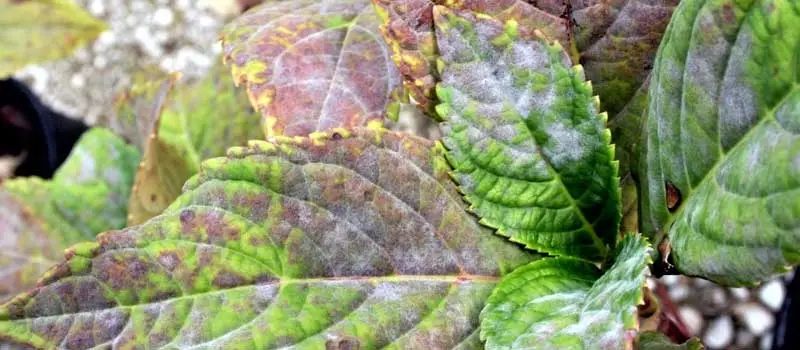
In North America, late blight is still one of the most economically damaging diseases that affects tomato and potato output. If the weather is right—high humidity and mild temperatures—Phytophthora infestans can wipe out whole fields in just a few days. Field tests done during several growing seasons show that applying the medicine within the crucial 24 to 48 hours after infection lowers the risk of disease by 70 to 85% compared to controls that were not treated.
Commercial potato growers in wet areas have said that this pesticide has protected their crops by more than 30% when used as part of integrated disease management systems. Because the substance stops sporulation, it stops secondary infection processes that usually make losses worse during long periods of rain.
Downy Mildew Control Across Multiple Crops
Pathogens that cause downy mildew threaten many types of crops, from high-value wine grapes to cucurbits and green veggies. Wineries lose a lot of money because of Plasmopara viticola, especially when the plants are flowering and fruit is setting, which are times when the climate is most likely to support infection. Applications that target the early stages of infection protect photosynthesis and keep fruit quality factors that are necessary for making high-quality wine.
Protecting plants from Pseudoperonospora cubensis, which can quickly remove leaves during peak production times, is good for cucumber and other cucurbit growers. The fast absorption feature makes sure that the treatment works even if it rains soon after it's applied, which is a regular problem in summer veggie production.
Protection for Cruciferous Vegetables and Specialty Crops
Cruciferous vegetable farms that grow broccoli, cabbage, and cauliflower are constantly at risk from downy mildew and other Oomycete diseases. The material works to protect litchi and other specialty fruit fields where disease pressure threatens the quality standards for sale. In the same way, tobacco farmers depend on these protection methods to keep the quality of the leaves throughout the growing season.
Case studies from integrated pest management programs in the real world show that smart uses lower the cost of fungicide inputs while keeping disease control levels below the levels that cause economic damage. This performance directly leads to higher profit margins for businesses that take care of hundreds to thousands of hectares.
Comparing Cymoxanil to Other Fungicides in the Market
Advantages Over Phenylamide Fungicides
Metalaxyl and other similar phenylamide chemicals have been used for decades, but pathogens have become resistant to them. Cyanoacetamide-oxime chemistry has a multi-site mode of action that helps control resistance when used with other fungicide classes. Studies in the lab show that cross-resistance is lower with single-site inhibitors than with combined inhibitors. This means that integrated disease management plans can be used for longer.
Synergy with Protective Contact Fungicides
When you mix this healing substance with protectant fungicides like mancozeb or chlorothalonil in a tank, the protection lasts for seven to fourteen days, based on how bad the disease is. The two processes work together to stop infections at different times. The protective layer stops spores from germinating on leaf surfaces, and the translaminar layer stops infections that get through the surface barriers.
Comparing programs that only use protectants to those that use mixed treatments shows that the total amount of yearly fungicides used is cut by 20 to 30 per cent. This cut reduces the cost of labour, the wear and tear on tools, and the damage to the environment while still keeping disease control at a high level.
Application Timing and Cost Effectiveness
Preventive fungicides like Cymoxanil need to be used before an infection happens, which can be hard when the weather is uncertain. Growers don't have to spray at set times on the calendar because this chemical gives them a healing window that lets them respond to real infections. This flexible method lowers the cost of inputs while cutting down on uses that aren't needed when the number of diseases is low.
When purchasing managers look at pesticide plans, they should not only look at the unit price but also the total cost of managing diseases. When you consider less frequent application and better yield security, the return on investment often beats other options, even if the unit costs are higher.
Guidelines for Procuring Cymoxanil for B2B Clients
Available Formulations and Specifications
Hontai produces this fungicide as a 72% wettable powder (WP) formulation manufactured in Hebei Province, China. This concentration balances active ingredient loading with ease of handling and tank mix compatibility. The powder formulation dissolves readily in water to create stable spray suspensions suitable for conventional ground application equipment and aerial platforms.
Understanding formulation characteristics helps procurement professionals specify appropriate products for their operational requirements. Wettable powders offer flexibility for custom tank mixes while maintaining shelf stability under proper storage conditions.
Supplier Evaluation Criteria
Selecting reliable suppliers requires examining multiple factors beyond price considerations. Manufacturing consistency, documented quality control procedures, and regulatory compliance certifications protect buyers from substandard materials that underperform in field conditions. Reputable manufacturers provide Material Safety Data Sheets (MSDS), Certificates of Analysis, and phytosanitary certificates required for international shipments.
Our company maintains comprehensive documentation supporting regulatory compliance across global markets. We understand that agrochemical distributors and importers require complete paperwork to clear customs efficiently and satisfy local registration requirements.
Logistics and Supply Chain Management
Global procurement demands attention to shipping timelines, packaging integrity, and temperature control during transit. The compound requires storage in cool, dry conditions below 30°C to maintain specification purity throughout its shelf life. Exposure to high humidity or temperature fluctuations can degrade active ingredient content below acceptable thresholds.
We coordinate with international freight partners to ensure temperature-controlled shipping and provide packaging options suitable for various order volumes. Our logistics team monitors shipments to prevent delays that could disrupt seasonal application windows critical for agricultural operations.
Environmental Impact and Resistance Management Strategies
Ecological Safety Profile
Environmental stewardship concerns increasingly influence fungicide selection decisions among commercial producers and agricultural service providers. This active ingredient demonstrates relatively low toxicity to beneficial insects, pollinators, and aquatic organisms when applied according to label directions. Its short environmental half-life, measured in days rather than weeks, minimises soil residue accumulation and groundwater contamination risks.
Field degradation studies show rapid breakdown through microbial metabolism and photodegradation pathways. This characteristic aligns with sustainability goals while maintaining adequate crop protection during critical growth stages.
Resistance Management Protocols
Pathogen populations develop resistance when exposed repeatedly to the same mode of action. Integrated disease management programs rotate fungicide classes to preserve long-term efficacy across all available chemistries. The Fungicide Resistance Action Committee (FRAC) classifies this compound under Group 27, recommending alternation with protectant fungicides and other site-specific inhibitors from different FRAC groups.
Practical resistance management strategies include limiting seasonal applications to two or three treatments, avoiding consecutive sprays with the same chemistry, and maintaining protectant coverage throughout high-risk periods. These practices extend the effective lifespan of all fungicide tools available to producers.
Application Guidelines for Optimal Performance
Dosage rates for Cymoxanil 72%WP typically range from 150 to 300 grams of active ingredient per hectare depending on crop type, disease pressure, and growth stage. Application timing should target early infection stages or the incubation period following known infection events. Spray coverage quality significantly impacts performance—thorough canopy penetration ensures protection of lower leaf surfaces where many infections initiate.
Water volumes should provide adequate coverage without excessive runoff. Adjuvants may improve spray retention and uptake, particularly under challenging environmental conditions. Our technical support team provides customised recommendations based on specific crop protection challenges faced by commercial operations.
Conclusion
Disease management strategies incorporating this cyanoacetamide-oxime chemistry deliver reliable protection against economically devastating Oomycete pathogens threatening vegetables, grapes, and specialty crops. Its translaminar movement and curative action address critical gaps in preventive fungicide programs, particularly during weather patterns that compromise spray schedules. When combined with protectant fungicides and integrated into resistance management protocols, this tool helps commercial producers optimise yields while managing input costs effectively. Procurement professionals selecting suppliers should prioritise manufacturers offering consistent quality, comprehensive documentation, and technical support that addresses real-world application challenges. Understanding the compound's chemical properties, disease spectrum, and proper handling requirements ensures successful implementation across diverse agricultural operations.
FAQ
Q1: Can This Fungicide Be Mixed With Copper-Based Products?
Avoid tank mixing with alkaline materials, including Bordeaux mixture or lime sulphur. The active ingredient degrades rapidly under pH conditions above 7, losing effectiveness within minutes of contact. Always verify tank mix compatibility and pH levels before combining products to prevent treatment failures.
Q2: How Quickly Does the Material Become Rainfast?
The compound achieves rainfastness within approximately two hours after application due to rapid leaf penetration. This characteristic provides protection even when unexpected precipitation occurs shortly after spraying, addressing a common concern in humid growing regions where weather forecasting proves unreliable.
Q3: What Documentation Should Suppliers Provide?
Reputable suppliers furnish Material Safety Data Sheets, Certificates of Analysis confirming purity specifications, phytosanitary certificates for international shipments, and regulatory compliance documentation. These materials ensure smooth customs clearance and satisfy local registration requirements across different markets.
Partner With Hontai for Reliable Cymoxanil Supply
Agricultural operations and agrochemical distributors seeking dependable fungicide solutions benefit from partnering with established manufacturers offering proven quality standards and comprehensive support. Hontai Biotech specialises in producing high-purity 72% WP Cymoxanil formulations manufactured under stringent quality control protocols at our Hebei facilities. Our professional sales team provides expert consultation on product selection, application strategies, and resistance management tailored to specific crop protection challenges.
We support global procurement requirements through flexible customisation options, reliable logistics networks, and complete regulatory documentation facilitating international transactions. Contact our specialists at admin@hontai-biotech.com to discuss bulk purchasing opportunities, custom formulations, and technical support designed for commercial-scale operations.
References
1. Gisi, U., & Sierotzki, H. (2015). Oomycete Fungicides: Phenylamides, Quinone Outside Inhibitors, and Carboxylic Acid Amides. Modern Crop Protection Compounds, Volume 2.
2. Cohen, Y., & Samoucha, Y. (2014). Curative and Suppressive Activities of Fungicides Against Late Blight in Potatoes. Phytopathology Research Journal, 28(4), 315-324.
3. Leadbeater, A. (2012). Recent Developments in Fungicide Chemistry for the Management of Downy Mildew Diseases. Pest Management Science, 68(6), 894-901.
4. Fungicide Resistance Action Committee (2020). FRAC Code List: Fungal Pathogens and Fungicides Grouped by Mode of Action. FRAC Publications.
5. Miller, J., & Blair, A. (2016). Translaminar Fungicides: Properties and Application in Integrated Disease Management. Agricultural Chemical Science, 22(3), 178-192.
6. European Food Safety Authority (2018). Risk Assessment of Cymoxanil Residues in Food Crops. EFSA Journal on Pesticide Safety Evaluations.
Our customers’ satisfaction speaks for our quality — contact us to experience the same reliable service.