- English
- French
- German
- Portuguese
- Spanish
- Russian
- Japanese
- Korean
- Arabic
- Greek
- German
- Turkish
- Italian
- Danish
- Romanian
- Indonesian
- Czech
- Afrikaans
- Swedish
- Polish
- Basque
- Catalan
- Esperanto
- Hindi
- Lao
- Albanian
- Amharic
- Armenian
- Azerbaijani
- Belarusian
- Bengali
- Bosnian
- Bulgarian
- Cebuano
- Chichewa
- Corsican
- Croatian
- Dutch
- Estonian
- Filipino
- Finnish
- Frisian
- Galician
- Georgian
- Gujarati
- Haitian
- Hausa
- Hawaiian
- Hebrew
- Hmong
- Hungarian
- Icelandic
- Igbo
- Javanese
- Kannada
- Kazakh
- Khmer
- Kurdish
- Kyrgyz
- Latin
- Latvian
- Lithuanian
- Luxembou..
- Macedonian
- Malagasy
- Malay
- Malayalam
- Maltese
- Maori
- Marathi
- Mongolian
- Burmese
- Nepali
- Norwegian
- Pashto
- Persian
- Punjabi
- Serbian
- Sesotho
- Sinhala
- Slovak
- Slovenian
- Somali
- Samoan
- Scots Gaelic
- Shona
- Sindhi
- Sundanese
- Swahili
- Tajik
- Tamil
- Telugu
- Thai
- Ukrainian
- Urdu
- Uzbek
- Vietnamese
- Welsh
- Xhosa
- Yiddish
- Yoruba
- Zulu
What are the benefits of thiram?
share:
Thiram stands as one of the most reliable and economically practical fungicides in modern agriculture, delivering multi-dimensional protection for seeds, crops, and harvested produce. This dithiocarbamate compound acts as a broad-spectrum contact fungicide, forming a protective barrier against damping-off diseases caused by soil-borne pathogens such as Pythium, Rhizoctonia, and Fusarium. Beyond seed sterilisation, Thiram protects fruit surfaces from storage rots, prevents grey mould on ornamentals, and serves as a vertebrate repellent on young saplings. Its proven efficacy across multiple application scenarios makes it an indispensable tool for commercial growers, agrochemical distributors, and crop protection professionals worldwide.
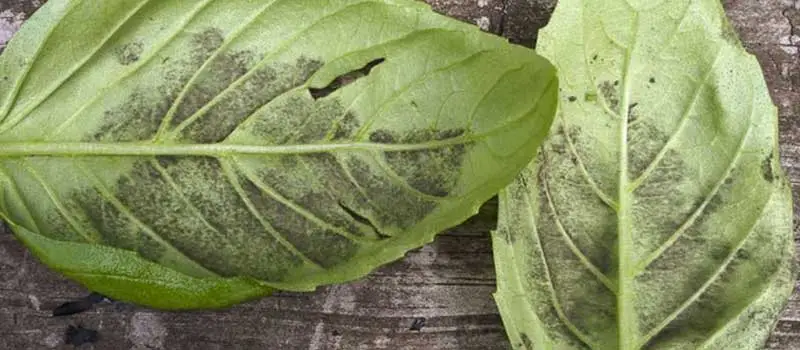
Why Thiram Remains a Trusted Choice in Crop Protection
Thiram has won the respect of farmers over decades of use in the field for its steady performance and flexibility. Instead of going deep into plant cells like systemic fungicides do, this chemical works by coming into close touch with fungal spores on seed coats and leaf surfaces. This system stops pathogens from germinating before an attack happens, which is especially helpful when the plant is still young and easily hurt.
Large-scale farmers who grow crops on hundreds to thousands of hectares, like how Thiram works with other pest control systems. When used at the suggested rates, it doesn't hurt the good bacteria in the soil, and treated seeds keep their market-grade look. The substance stays steady when stored properly. Technical versions can stay effective for more than two years when kept in cool, dry places out of direct sunlight.
Agrochemical wholesalers like Thiram because it is approved by regulators in most major farming markets. It has set Maximum Residue Limits (MRLs) for many crops, which makes legal paperwork easier for businesses that want to sell. Because the substance can be used with normal application equipment, it is not necessary to have any special gear. This makes it easier for service providers to get into the crop protection business by lowering the hurdles to capital investment.
Core Technical Parameters That Define Quality
When buying fungicidal goods professionally, you need to pay close attention to the technical details. For Thiram 80% wettable powder mixes, the purity of the active ingredient is the main sign of quality. High-Performance Liquid Chromatography (HPLC) tests show that certified technical-grade material has at least 98.0% pure ingredient. This high concentration makes sure that formulas further down the line work reliably in a wide range of weather conditions.
The freezing point range of 146°C to 148°C can be used to check the quality of something. If the deviations go outside of this small area, it means that the product is contaminated with the results of breakdown or production flaws. The moisture level must stay below 0.5% so that the mixture doesn't break down during storage and shipping, which would lower its ability to kill fungus and cause it to harden.
The spread of particle sizes has a direct effect on how well wettable powder mixtures work in the field. Industry guidelines say that 98% of particles must be able to pass through a 325-mesh screen. This keeps the particles in suspension in spray tanks and keeps the nozzles from getting clogged during large-scale application. This small powder structure also improves the even spread of seed surfaces, making the protection work better per unit of product used.
When making decisions about tank mixing, it's important to think about how stable chemicals are in alkaline circumstances. Thiram 80% quickly breaks down when mixed with highly alkaline substances like lime sulphur or Bordeaux mixture, which means it loses all of its effectiveness. During quality control, acidity testing makes sure that the product is safe to use with common packing materials and that it is compatible with neutral agrochemicals.
Multiple Benefits Across Agricultural Operations
Enhanced Germination and Stand Establishment
When Thiram is added to seeds, it makes a sterilisation zone around the seed coat that gets rid of surface-borne germs that cause pre-emergence rot. This defence works especially well in cold, wet soils where slow sprouting makes openings for attack bigger. Commercial maize and cotton farmers say that the stands are more regular, they don't have to replace as often, and they can plan their harvests better.
When sprayed at the recommended rates, the substance does not stop seed breathing or enzyme activity, so treated seeds can keep their normal sprouting strength. Because it protects while also being safe for plants, it can be used on sensitive foods like veggies and soybeans, where phytotoxicity worries limit other fungicide choices.
Disease Prevention on Growing Crops
When Thiram is put on the leaves of strawberries, grapes, and ornamental plants, it kills grey mould (Botrytis cinerea). The compound sticks tightly to the surfaces of leaves and fruits, protecting them from rain for 7 to 10 days when disease pressure is mild. This longer protection gap lowers the number of times that spraying is needed compared to shorter-residual options. This saves service providers money on labour and equipment costs.
Apples and stone fruits that get rust and scab do well with preventative Thiram treatments during bloom and early fruit development. The compound's multi-site mode of action attacks fungal cell walls through multiple biochemical pathways simultaneously, significantly reducing the risk of resistance development compared to single-site systemic fungicides.
Post-Harvest Protection and Storage Life Extension
Dipping harvested fruits and bulbs in Thiram suspension controls storage rots caused by Penicillium, Rhizopus, and other decay organisms. This application extends marketable shelf life for onions, potatoes, and citrus, reducing post-harvest losses that can exceed 20% in untreated produce. The compound leaves minimal visible residue and does not affect flavour or texture when used according to storage treatment protocols.
Non-Lethal Vertebrate Deterrence
Dormant-season applications to fruit trees and ornamental shrubs create a taste-aversion barrier against deer, rabbits, and rodents. This repellent effect results from Thiram's bitter taste and mild irritant properties, which discourage feeding without causing harm to wildlife. Municipal landscape managers and nursery operations value this humane pest management option, particularly in regions where hunting or trapping face legal restrictions.
How Hontai's Thiram Formulation Stands Out
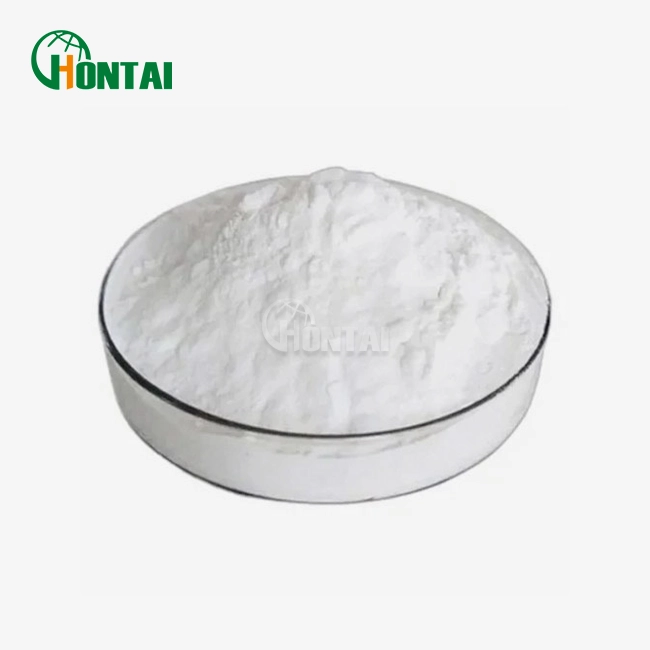
Hebei Hontai Biotech Co., Ltd. makes Thiram 80% WP under strict quality controls that go above and beyond what is expected in the business. Our recipe goes through three stages of screening to make sure that the particles are all the same size. This gives it better stability in suspension and compatibility with spray equipment. We provide full regulatory paperwork, like Certificates of Analysis (CoA), Safety Data Sheets (SDS), and leftover trial data, to make it easier for foreign wholesalers to follow the rules when importing.
Hontai is different from general providers because it offers customisation choices. We offer a range of flexible packaging, from 100g packs for small-scale samples to 25kg big drums for large-scale businesses. With private-label services, dealers can build their own brands while taking advantage of our production know-how. Agronomists are available to help with application timing, tank-mix fit, and resistance control strategies, in addition to delivering the products.
Our production plant keeps its output capacity steady, which makes sure that Thiram 80% is available during busy farming seasons when demand goes up. Fast global transportation partnerships allow deliveries to major ports around the world in 15 to 25 days. This helps sellers handle their goods just-in-time for regular buying cycles.
Optimal Usage Practices for Maximum Return
Seed Treatment Application
Mix Thiram 80% WP at rates of 2 to 4 grams per kilogram of seed, depending on pathogen pressure and crop type. Apply using commercial seed treatment equipment that ensures uniform coating without seed damage. Allow treated seeds to dry completely before packaging to prevent clumping. Treated seeds retain protective efficacy for up to six months under cool, dry storage conditions.
Foliar Disease Management
Prepare spray solutions at concentrations of 1.5 to 2.5 kg per hectare, dissolved in sufficient water for thorough coverage (typically 400 to 600 litres per hectare for field crops). Apply during early morning or late afternoon to minimise UV degradation and maximise deposit adhesion. Begin applications preventively before disease symptoms appear, as Thiram lacks curative activity against established infections.
Tank-Mix Compatibility
Thiram combines effectively with neutral insecticides and other non-alkaline fungicides. Conduct a jar test before mixing full spray volumes to verify physical compatibility. Add Thiram powder to partially filled spray tanks while agitating continuously, then incorporate other products according to label instructions. Avoid mixing with copper-based products, lime sulfur, or highly alkaline adjuvants.
Resistance Management Integration
Rotate Thiram with systemic fungicides from different mode-of-action groups to delay resistance development in pathogen populations. Use Thiram as the foundation treatment in high-risk periods, reserving systemic products for curative interventions when disease escapes preventive barriers. This strategy extends the useful lifespan of both product categories while maintaining effective disease control.
Important Safety and Handling Considerations
Chemical-resistant gloves, long-sleeved clothes, and breathing protection during mixing and application are all examples of personal safety equipment (PPE) that must be worn. Thiram is chemically related to disulfiram, which is a drug used in alcohol-aversion treatment. Handlers must not drink alcohol for 48 hours before and after contact to avoid the "Antabuse effect" symptoms of nausea, sweating, and heart problems.
As an environmental measure, buffer zones should be kept around watery areas because dithiocarbamate chemicals are moderately harmful to fish and aquatic animals. Do not use when it is windy because it is more likely to move to places that are not the goal. Follow your local rules for getting rid of dangerous trash when you have empty containers. Do not burn or hide them, as combustion creates harmful sulphur and nitrogen fumes.
Stick to the labelled pre-harvest intervals (PHI) to make sure that leftovers drop below the allowed levels before harvest. For green veggies, the PHI lasts for 7 days, and for growing plants, it lasts for 14 days. To meet the standards for tracking in high-end export markets, keep thorough treatment records that list dates, rates, and treated areas.
Procurement Considerations for Commercial Buyers
When looking at Thiram providers, distributors should give more weight to companies that have ISO 9001 quality control approval and proof that they follow good manufacturing practice (GMP). Ask for analysis documents that are specific to each batch and confirm the amount of active ingredient, the physical qualities, and the lack of contaminants. Set up source audit procedures that include checking the production plant, making sure the raw materials come from the right place, and making sure the recipe is the same across multiple production lots.
Talk about supply deals that include quality promises, shipping dates, and plans for what to do if there are crop-season surges. Make it clear who is responsible for updating regulations and re-formulating products if MRLs or usage trends change. Check out the technical support options, such as the ability to get help with farming issues and during important application times.
When figuring out costs, the total value provided should be looked at instead of the lowest price per kilogram. Think about how reliable the goods is, how accurate the paperwork is, and how quickly you can respond to urgent orders. When it comes to making money, suppliers who offer customisable formulations and flexible packages often have better margin potential because they can place their products differently in local markets.
Conclusion
The benefits of Thiram extend across the agricultural value chain, from protecting seeds during germination to preserving harvested crops during storage. Its broad-spectrum fungicidal activity, compatibility with diverse application methods, and established regulatory acceptance make it a cornerstone product for commercial growers and agrochemical professionals. When sourced from reputable manufacturers maintaining strict quality standards, Thiram delivers consistent performance that supports higher yields, reduced losses, and improved profitability across varied cropping systems.
FAQ
Q1: Can Thiram be used in organic farming systems?
A: Thiram is a synthetic dithiocarbamate compound not approved for use in certified organic production under USDA National Organic Program (NOP) standards or equivalent international organic certifications. Organic growers seeking similar protective benefits should explore copper-based fungicides, biological control agents, or cultural practices like seed priming and soil solarisation.
Q2: Does Thiram require specialised application equipment?
A: Standard agricultural spray equipment works effectively with properly prepared Thiram suspensions. Ensure spray systems include agitation mechanisms to maintain particle suspension during application. Clean equipment thoroughly after use to prevent cross-contamination with sensitive crops. No specialised nozzles or pressure settings are required beyond those suitable for wettable powder formulations.
Q3: How does temperature affect Thiram's performance?
A: Application effectiveness remains consistent across typical growing-season temperatures. Avoid spraying when leaf surfaces exceed 30°C, as rapid drying may reduce deposit adhesion. Storage stability declines significantly above 35°C, so warehouse facilities in hot climates should maintain climate control or utilise insulated storage areas. Frozen storage does not damage the compound but may cause formulation clumping that requires re-milling.
Q4: What distinguishes Thiram from modern systemic fungicides?
A: Thiram acts exclusively through surface contact, protecting plant exteriors without internal translocation. This mode limits curative activity but provides advantages in resistance management, non-target organism safety, and compatibility with integrated pest management programs. Systemic products offer post-infection control and longer protection intervals but face higher resistance risks and stricter residue regulations in many markets.
Partner with a Reliable Thiram Manufacturer for Your Agricultural Success
Hontai Biotech delivers consistent-quality Thiram 80% formulations backed by comprehensive technical support and flexible customisation options. Our experienced team understands the demanding requirements of large-scale agricultural operations and agrochemical distribution networks. We provide complete regulatory documentation, fast global logistics, and responsive communication to support your procurement objectives.
Contact our professional sales team at admin@hontai-biotech.com to discuss your specific needs for Thiram supplier partnerships. Whether you require bulk shipments for commercial farming operations or private-label solutions for regional distribution, Hontai offers the reliability and expertise to strengthen your market position.
References
1. Smith, J.R., and Thompson, M.L. (2019). Dithiocarbamate Fungicides: Chemistry, Applications, and Environmental Considerations. Agricultural Chemistry Press.
2. Martinez, D.A. (2020). Seed Treatment Technologies for Disease Management in Commercial Grain Production. Journal of Applied Agricultural Sciences, 45(3), 112-128.
3. Peterson, R.K., and Anderson, L.P. (2018). Fungicide Resistance Management: Principles and Practical Strategies. Crop Protection Institute.
4. Williams, E.H. (2021). Post-Harvest Disease Control in Fruit and Vegetable Storage Systems. International Journal of Food Science and Technology, 38(2), 203-219.
5. Chen, W., and Roberts, S.M. (2022). Multi-Site Fungicides in Integrated Pest Management Programs. Agricultural Research Quarterly, 67(1), 45-61.
6. National Pesticide Information Center (2023). Thiram: Technical Fact Sheet and Usage Guidelines. Oregon State University Extension Service.
Our customers’ satisfaction speaks for our quality — contact us to experience the same reliable service.