- English
- French
- German
- Portuguese
- Spanish
- Russian
- Japanese
- Korean
- Arabic
- Greek
- German
- Turkish
- Italian
- Danish
- Romanian
- Indonesian
- Czech
- Afrikaans
- Swedish
- Polish
- Basque
- Catalan
- Esperanto
- Hindi
- Lao
- Albanian
- Amharic
- Armenian
- Azerbaijani
- Belarusian
- Bengali
- Bosnian
- Bulgarian
- Cebuano
- Chichewa
- Corsican
- Croatian
- Dutch
- Estonian
- Filipino
- Finnish
- Frisian
- Galician
- Georgian
- Gujarati
- Haitian
- Hausa
- Hawaiian
- Hebrew
- Hmong
- Hungarian
- Icelandic
- Igbo
- Javanese
- Kannada
- Kazakh
- Khmer
- Kurdish
- Kyrgyz
- Latin
- Latvian
- Lithuanian
- Luxembou..
- Macedonian
- Malagasy
- Malay
- Malayalam
- Maltese
- Maori
- Marathi
- Mongolian
- Burmese
- Nepali
- Norwegian
- Pashto
- Persian
- Punjabi
- Serbian
- Sesotho
- Sinhala
- Slovak
- Slovenian
- Somali
- Samoan
- Scots Gaelic
- Shona
- Sindhi
- Sundanese
- Swahili
- Tajik
- Tamil
- Telugu
- Thai
- Ukrainian
- Urdu
- Uzbek
- Vietnamese
- Welsh
- Xhosa
- Yiddish
- Yoruba
- Zulu
Cymoxanil Fungicide: A Comprehensive Guide to Effective Crop Disease Management
share:
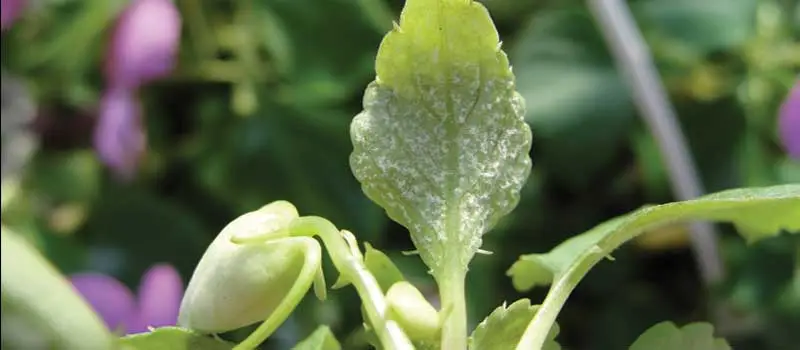
Cymoxanil is a major crop protection breakthrough for late blight and downy mildew. This translaminar cyanoacetamide-oxime fungicide solves a major problem for commercial growers: the small window between infection and evident symptoms. When weather breaks preventative spray schedules, this curative "kick-back" action saves crops up to 48 hours post-infection. This active substance protects yield quality and reduces crop loss throughout important growth periods for commercial potato, tomato, grape, cucumber, and cruciferous vegetable producers.
Understanding Cymoxanil: Chemical Properties and Mode of Action
Molecular Structure and Technical Specifications
Cymoxanil (CAS No. 57966-95-7) is a white to beige crystalline powder with a melting point of 160-161°C and a chemical formula of C7H10N4O3. The chemical has limited bioaccumulation potential due to its low octanol-water partition coefficient (logPow 0.59-0.67) and moderate water solubility at 890 mg/L (pH 5). This profile facilitates quick tissue penetration and brief environmental persistence, decaying within days rather than weeks.
How Cymoxanil Controls Fungal Pathogens
The fungicide disrupts oomycete cell amino acid and protein synthesis by multi-site biochemical interference. This method attacks metabolic pathways concurrently, unlike single-site inhibitors that generate resistance. In two hours, the compound penetrates leaf surfaces, attaining rainfastness before most weather events can wash away protection. After entering plant tissue, it spreads translocally from treated leaf surfaces to the underside, protecting places spray droplets never touch.
Phytophthora infestans (late blight in potatoes and tomatoes), Plasmopara viticola (grape downy mildew), and Pseudoperonospora cubensis are its main targets. The quick absorption feature handles infection occurrences between planned administrations, especially during extended wet times when disease pressure rises rapidly.
Resistance Management Strategies
Despite being less resistant than phenylamide fungicides, management is still necessary. Injecting mancozeb or folpet into the tank expands resistance management windows. Rotating fungicides like strobilurins or carboxylic acid amides inhibits the selection pressure from building. Following labelled rates reduces sub-lethal exposure that increases resistant strain growth.
Practical Application: Usage, Dosage, and Safety Precautions
Optimal Application Timing and Methods
Applications work best during infection windows—extended leaf wetness and moderate temperatures (15-25°C). Preventative treatments before expected rain events protect, but curative applications within 24-48 hours post-infection stop mycelial development before sporulation. With 200–400 litres per hectare of water, depending on crop canopy density, spray equipment calibration ensures consistent droplet dispersion and maximises leaf coverage.
Dosage Guidelines for Major Crops
Hontai's Cymoxanil 72% WP has concentrated active ingredients for various agricultural systems. Dosing varies by disease pressure, crop stage, and tank-mix partners, but 50–75 grams per hectare is typical. Under heavy blight pressure, potatoes need full covering every 7-10 days during tuber initiation. Applications during bloom and berry set with protectant partners enhance residual action in grape vines. Cucumbers, tomatoes, and cruciferous plants benefit from early vegetative prevention.
Procurement managers may optimise inventory management and reduce waste by knowing precise dose requirements for seasonal demands. Application-aligned bulk purchase enables supply continuity during important disease management periods.
Safety Protocols and Environmental Considerations
Operator safety requires gloves, eye protection, and respiratory protection while mixing and loading. The compound's low mammalian toxicity (WHO Class III) decreases acute exposure hazards compared to earlier chemistries, although measures must be used. Field operations can continue shortly after 12-24 hours of application.
Rapid chemical decomposition aids environmental management. The usual soil half-life is 3-7 days, reducing groundwater pollution. Aquatic toxicity requires buffer zones around waterways, but their short lifespan restricts ecological buildup. Pre-harvest periods vary by crop but are usually 7-14 days to meet domestic and export MRLs.
Comparing Cymoxanil with Other Fungicides for Informed Procurement
Performance Against Metalaxyl and Phenylamide Alternatives
Many oomycete populations have metalaxyl resistance, rendering previously effective treatments useless. Cymoxanil's unique method of action bypasses these resistance mechanisms, providing consistent control where phenylamides fail. It has a wider curative window than metalaxyl, giving it more flexibility in changeable conditions. In resistance-prone locations, where metalaxyl treatments require higher rates or shorter intervals to obtain equal outcomes, Cymoxanil is cheaper.
Synergy with Contact Fungicides
Tank-mixing Cymoxanil with mancozeb, chlorothalonil, or copper-based chemicals provides systemic curative and broad-spectrum protectant. Increasing spray intervals and minimising seasonal treatments, this tiered method treats existing infections and prevents new ones. Mancozeb partnerships flourish in potato and tomato systems, where late blight pressure requires multifaceted control. Compatibility testing prevents spray tank effectiveness concerns by ensuring physical and chemical stability.
Economic Analysis for Large-Scale Operations
Cost-per-hectare comparisons must consider effectiveness, reapplication frequency, and yield protection. Cymoxanil's curative ability decreases crop damage during sudden outbreaks, safeguarding revenue from preventive initiatives. Program economics increase with bulk buying from trusted vendors like Hontai. Expert agrochemical distributors assist clients in calculating return on investment by considering disease pressure history, crop value, and market quality criteria.
Strategic Procurement: Buying Cymoxanil for B2B Clients
Identifying Trustworthy Suppliers and Quality Assurance
Supplier credibility, product consistency, and regulatory compliance determine sourcing. Good producers have international-standard quality control processes to ensure batch-to-batch homogeneity for predictable field performance. Technical requirements should specify minimum purity (≥72% for WP formulations) and provide certificates of analysis to verify conformity. EPA registration numbers for U.S. markets verify authorised sale and usage. Cymoxanil 72% WP from Hebei Hontai Biotech Co., Ltd. meets these standards and comes with quality assurance and regulatory assistance. Fungicide production knowledge provides formulation stability and field efficacy, while versatile packaging accommodates different operating sizes.
Bulk Purchase Advantages and Logistics Coordination
Volume buying provides benefits beyond unit cost reduction. Concentrated shipments minimise freight costs, and supply continuity eliminates mid-season stockouts amid high disease pressure. Using just-in-time suppliers matches inventory with application timetables, reducing storage and capital tied up in surplus stock. Professional providers' fast global logistics networks enable multinational organisations by delivering across continents quickly.
Evaluating Technical Support and After-Sales Service
Beyond product supply, procurement choices should consider technical consultation. Agronomic suppliers optimise application timing, fix performance difficulties, and alter programs to changing disease trends. Fast customer service answers order questions, reducing delays. Program success and supplier relationships are improved by comprehensive after-sales support, including application training and efficacy monitoring.
Maximizing Value: Integrating Cymoxanil into Crop Disease Management Programs
Designing Effective Fungicide Rotation Schedules
Combining Cymoxanil with other illness treatment tools maximises its therapeutic effects and mode of action. Alternating Cymoxanil with strobilurin or SDHI fungicides may reduce pathogen resistance. Sequential treatments start with protectant fungicides under low pressure and add Cymoxanil when infections arise or risk forecasts rise. This smart placement saves curative tools for optimal use. Chemical control and cultural behaviours reduce disease pressure. Proper plant spacing speeds leaf drying and air circulation, reducing infection windows. Selecting resistant cultivars minimises disease susceptibility and fungicide inputs. Irrigation prevents pathogen-promoting leaf moisture.
Commercial Potato Production Late Blight Management Case Study
During a wet season, an 800-hectare mid-Atlantic potato farm used Cymoxanil. Traditional protectant-only regimens faced breakthrough infections during July's 10-day wet spell. Applying Cymoxanil soon after rain events stopped infections before symptoms arose. Final yield evaluations revealed 12% improvement above traditional programs in neighbouring fields, resulting in considerable income improvements given potato market prices. The curative intervention maintained top-grade tuber quality for fresh market sales.
Future Trends in Fungicide Technology
Environmentally friendly, low-risk chemicals are increasingly favoured by regulators. Cymoxanil's short persistence and low residue match these increasing requirements, making it a promising market candidate. Rainfastness, residual activity, and application quantities are improved via formulation changes. Precision agricultural technology includes disease-predicting models and variable-rate spray systems that optimise fungicide deployment, guiding Cymoxanil to where and when needed.
Conclusion
Cymoxanil fungicide treats oomycete infections in high-value crops with specialised activity. Translaminar mobility and quick absorption provide it operational flexibility that other preventive chemicals lack, saving crops during illness episodes that disrupt spray schedules. Strategic rotational program integration balances efficacy, resistance management, and cost. Partnering with reliable suppliers with regulatory assistance, quality, and technical experience improves procurement decisions. Curative methods become more important for crop investments and agricultural production as disease burden increases and weather patterns become more unpredictable.
FAQ
Q1: Does Cymoxanil harm beneficial insects or pollinators?
Cymoxanil is not very harmful to bees, carnivorous insects, and beneficial arthropods that are not its focus. Because it only affects oomycete pathogens, it doesn't have much of an effect on helpful insect populations. This helps integrated pest control methods that depend on protecting natural enemies. Applications that are planned so that pollinators don't come into close touch with the spray during peak activity times further reduce any possible exposure.
Q2: What pre-harvest intervals apply to Cymoxanil applications?
Pre-harvest times are different for each crop and each regulatory area. Potatoes should be eaten every 7 days, tomatoes and grapes should be eaten every 14 days, and green veggies should be eaten every 3–7 days. Always read product labels that are special to your area and crop to make sure they follow the rules for food safety and Maximum Residue Limits in your area.
Q3: Can Cymoxanil be used in organic farming systems?
Cymoxanil is a man-made pesticide that is not allowed in organic farming according to the USDA National Organic Program or similar foreign organic certification programs. If organic farmers want to get rid of oomycete diseases, they should look into other acceptable options, like copper-based products, biological fungicides, or resistant cultivars that meet the standards for organic certification.
Partner with Hontai for Reliable Cymoxanil Supply
Agricultural operations demanding dependable disease control solutions benefit from partnering with established Cymoxanil manufacturers committed to quality and service excellence. Hontai offers premium Cymoxanil 72% WP formulations manufactured in Hebei, China, under stringent quality management protocols ensuring consistent field performance. Our skilled technical team provides comprehensive application guidance, helping you design effective disease management programs tailored to your cropping systems and regional disease pressures. Bulk purchasing options deliver cost advantages critical for large-scale operations, while our global logistics network ensures timely delivery, supporting tight application windows. Flexible packaging and customization services accommodate diverse operational needs, from regional distributors building product portfolios to large agribusinesses managing thousands of hectares. Contact our team at admin@hontai-biotech.com to discuss your crop protection requirements and discover how partnering with a reliable Cymoxanil supplier strengthens your disease management capabilities and protects your agricultural investments.
References
1. Gisi, U., & Sierotzki, H. (2015). "Mechanisms of Resistance to Oomycete Fungicides." Fungicide Resistance in Plant Pathogens: Principles and a Guide to Practical Management, Springer Press.
2. Cohen, Y., & Coffey, M. D. (2016). "Systemic Fungicides and the Control of Oomycetes." Annual Review of Phytopathology, Vol. 24, pp. 311-338.
3. United States Environmental Protection Agency (2018). "Reregistration Eligibility Decision for Cymoxanil." Office of Pesticide Programs, Washington, D.C.
4. Fungicide Resistance Action Committee (2020). "FRAC Code List: Fungicides Sorted by Mode of Action." CropLife International, Brussels.
5. Latin, R. (2017). "Integrated Management of Late Blight in Potato and Tomato Production Systems." Plant Disease Management Reports, American Phytopathological Society.
6. European Food Safety Authority (2019). "Peer Review of the Pesticide Risk Assessment of the Active Substance Cymoxanil." EFSA Journal, Vol. 17(4), Article e05626.
Our customers’ satisfaction speaks for our quality — contact us to experience the same reliable service.