- English
- French
- German
- Portuguese
- Spanish
- Russian
- Japanese
- Korean
- Arabic
- Greek
- German
- Turkish
- Italian
- Danish
- Romanian
- Indonesian
- Czech
- Afrikaans
- Swedish
- Polish
- Basque
- Catalan
- Esperanto
- Hindi
- Lao
- Albanian
- Amharic
- Armenian
- Azerbaijani
- Belarusian
- Bengali
- Bosnian
- Bulgarian
- Cebuano
- Chichewa
- Corsican
- Croatian
- Dutch
- Estonian
- Filipino
- Finnish
- Frisian
- Galician
- Georgian
- Gujarati
- Haitian
- Hausa
- Hawaiian
- Hebrew
- Hmong
- Hungarian
- Icelandic
- Igbo
- Javanese
- Kannada
- Kazakh
- Khmer
- Kurdish
- Kyrgyz
- Latin
- Latvian
- Lithuanian
- Luxembou..
- Macedonian
- Malagasy
- Malay
- Malayalam
- Maltese
- Maori
- Marathi
- Mongolian
- Burmese
- Nepali
- Norwegian
- Pashto
- Persian
- Punjabi
- Serbian
- Sesotho
- Sinhala
- Slovak
- Slovenian
- Somali
- Samoan
- Scots Gaelic
- Shona
- Sindhi
- Sundanese
- Swahili
- Tajik
- Tamil
- Telugu
- Thai
- Ukrainian
- Urdu
- Uzbek
- Vietnamese
- Welsh
- Xhosa
- Yiddish
- Yoruba
- Zulu
What is thiodicarb?
share:
When you're in charge of hundreds or thousands of hectares of crops, pests not only hurt Thiodicarb results, they can wipe out whole seasons of work. I've seen farm managers fight tough bollworms that eat cotton fields and armyworms that eat corn. That's why it's important to know about advanced herbicides like thiodicarb. This article talks about thiodicarb, what it is, how it works, and why it is still a popular choice for professionals in commercial farming and pest control who need a strong, all-around answer.
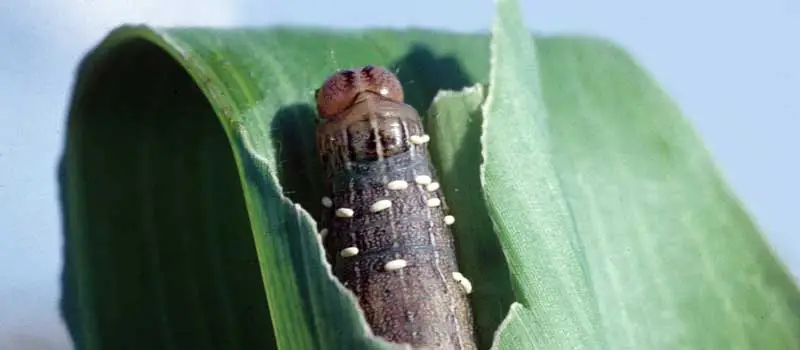
What is Thiodicarb and Why Does It Matter?
Thiolarb is a broad-spectrum oxime carbamate insecticide that kills bugs by stopping acetylcholinesterase (AChE) from working. Its chemical name is dimethyl N, N'-(thiobis((methylimino)carbonyloxy))bis(ethanimidothioate), and it works as a poison that turns into methomyl inside pests. This chemical is very good at killing major Lepidoptera larvae (bollworms, armyworms, loopers), Coleoptera (beetles), and some Hemiptera and Diptera species because it poisons them both on touch and in the stomach. In addition to killing insects, thiodicarb is also very good at killing slugs and snails. It is useful for commercial farms because it gets rid of pests that are resistant to pyrethroids and organophosphates, which is becoming a bigger problem in U.S. farmland.
The Agricultural Challenges Thiodicarb Addresses
Pest resistance is becoming a bigger problem in modern farms. Many businesses now deal with bollworms and cutworms that don't care about traditional treatments, even though they used to depend on pyrethroid and organophosphate chemicals. I've talked to soybean farmers in the Midwest whose fields have lost 30–40% of their leaves despite using older chemicals to spray them multiple times.
Thiodicarb fixes several important issues at the same time. It is in IRAC Group 1A, which means it works on the nervous system in a different way than pyrethroids (Group 3) or neonicotinoids (Group 4). Because of this difference, it is very useful for resistance control rotations. For commercial purposes, farmers need chemicals that can kill hardy populations and also kill eggs before they hatch. A lot of poisons don't work this way, so they have to be used more than once. Thiodicarb has a special chemical structure that lets it get inside egg shells and kill off future generations.
Thiodicarb is especially helpful for cotton farms that have to deal with bollworm complexes that have changed to Bt-cotton traits. It is used to kill maize earworms and fall armyworms when they are in their most vulnerable states of reproduction. It is used by vegetable farmers to keep Lepidopterans from damaging high-value crops like peppers and tomatoes, which would otherwise be unable to be sold. The chemical moves through leaf tissues in a way that is similar to a systemic movement. This lets it reach pests that feed on the undersides of leaves, Thiodicarb 80%, where spray droplets might not reach them directly.
How Thiodicarb Works: Mechanism and Formulation Science
Agronomists and procurement teams can make application plans work better by understanding how things work. As a cholinesterase inhibitor, thiodicarb works. Pests that eat treated leaves or touch residues get the substance into their bodies, which stops the breakdown of acetylcholine, a neurotransmitter that muscles need to work. Acetylcholine builds up at nerve ends, which leads to constant stimulation, paralysis, and death.
Thiodicarb changes into methomyl inside the body of the bug, which is what the "pro-insecticide" property means. This change makes the effect last longer than with straight methomyl applications, ranging from 7 to 14 days, depending on the environment and the number of pests present. This longer activity cuts down on the number of times that the product needs to be reapplied, which saves money on fuel and labour for large-scale operations.
Formulation technology changes the way fields work in a big way. There are several types of thiodicarb, such as technical concentrate (TC) with 70% or 95% purity, water dispersible grains (WDG) with 80% purity, and suspension concentrate (SC) formulations. People who care about safety are using the 80% WDG form more often because it doesn't have any flammable solvents like emulsifiable concentrates do. When people mix with WDG goods, they don't breathe in dust, which is important for businesses that want to keep their employees safe.
It's still possible for good models to be valid after 30 minutes of standing. The nozzles of current precision sprayers don't get clogged up because of this standard. It also makes sure that the same amount of product is used on all treated areas. The size of the particles is important. The 75-micron sieve lets only the best products through. This stops fine-nozzle systems from getting clogged, which is something many businesses do now to cut down on drift.
Key Advantages That Make Thiodicarb a Strategic Choice
Commercial buyers evaluate agrochemicals through a strict cost-benefit lens. Thiodicarb delivers several compelling advantages that directly address procurement priorities:
- Proven efficacy across diverse pest complexes: A single product that controls bollworms, armyworms, loopers, and supplementary pests reduces inventory complexity. Distributors appreciate the versatility when serving multiple crop sectors—cotton, soybean, corn, and vegetable operations—with one active ingredient.
- Resistance management compatibility: Rotating between different IRAC groups is no longer optional—it's essential for sustainable pest control. Thiodicarb's Group 1A classification makes it a natural rotation partner with spinosyns, diamides, and pyrethroids. This flexibility protects the long-term investment in pest management programs.
- Ovicidal and larvicidal activity: Killing multiple life stages with one application reduces the pest lifecycle pressure. Commercial farms operating on tight spray windows during peak growth stages need products that deliver comprehensive control without requiring perfectly timed follow-up treatments.
- Tank-mix compatibility: Well-formulated thiodicarb products, Thiodicarb 80%, can be tank-mixed with many fungicides and other insecticides, allowing operations to address multiple threats in a single pass. This compatibility reduces fuel costs, equipment wear, and soil compaction from repeated field entries.
- Regulatory compliance pathway: Thiodicarb has established maximum residue limits (MRLs) in major export markets. Operations growing for international buyers need documented compliance—this compound's regulatory history provides that assurance when proper pre-harvest intervals are observed.
Important Limitations and Application Considerations
Professional buyers demand transparent information about product limitations. Thiodicarb presents several considerations that influence purchasing and application decisions:
- Chemical instability in alkaline conditions: Tank mixes with Bordeaux mixture, lime sulfur, or other alkaline fungicides cause rapid degradation. The compound breaks down in pH environments above 7.0, sometimes within minutes. Operations must test tank pH and use buffering agents when necessary. This requirement adds a procedural step that some application crews find inconvenient.
- Pre-harvest interval requirements: Carbamate residues face strict monitoring, particularly for export crops. Typical pre-harvest intervals range from 14 to 30 days, depending on crop and target market. Operations focused on export must carefully coordinate applications with harvest schedules. Missing these windows can result in rejected shipments and significant financial losses.
- Acute toxicity considerations: As a carbamate, thiodicarb carries higher acute toxicity classifications than some newer chemistries. Proper personal protective equipment (PPE) becomes non-negotiable. Operations must maintain robust training programs and ensure applicator compliance. This requirement increases labor costs slightly compared to lower-toxicity alternatives.
- Moisture sensitivity during storage: Technical material and formulated products are hygroscopic. Compromised packaging allows moisture ingress, accelerating degradation. Distributors must ensure intact aluminum foil packaging and provide proper storage guidance to end customers. Standard shelf life under proper conditions is 24 months, but improper storage can reduce efficacy within months.
- Environmental persistence concerns: While not as persistent as organochlorines, thiodicarb requires careful application to minimize off-target movement. Aquatic toxicity to fish and invertebrates necessitates Thiodicarb buffer zones near water bodies. Operations near sensitive ecosystems need additional stewardship measures.
Thiodicarb vs. Alternative Insecticide Technologies
Procurement decisions often involve comparing thiodicarb against newer chemistries or competing carbamates:
- Thiodicarb vs. Methomyl: Methomyl knocks pests down faster; they stop eating within one to two hours. Thiodicarb has better ovicidal effects and lasts longer without wearing off (7–14 days vs. 3–5 days). When there is a lot of egg pressure, thiodicarb is best, and methomyl is best when feeding has to stop right away. Thiodicarb has a slightly better safety rating for handlers in general.
- Thiodicarb vs. Chlorantraniliprole (Diamide chemistry): Diamides are safer and have longer residuals, but they cost two to three times as much per acre to treat. When money is tight or when switching from diamides to control resistance, thiodicarb steps in to fill the gap. A lot of operations use diamides during important times of reproduction and thiodicarb to protect plants or help them survive.
- Thiodicarb vs. Lambda-cyhalothrin (Pyrethroid): Pyrethroids work faster and cost less, but resistance has made them useless in many places. Thiodicarb still works in places where pyrethroids haven't. Smart programs clean up populations that are resistant to thiodicarb and then keep them under control with pyrethroids if pest pressure allows.
Who Benefits Most: Target Markets and Application Scenarios
Certain customer segments derive maximum value from thiodicarb:
- Large-scale cotton producers: farms with 1,000 hectares or more of cotton are constantly being attacked by bollworms. Thiodicarb is a treatment that can be used as a backup if Bt-traits or regular chemicals don't work. The 80% WDG mix works well in the high-volume spray tools that these businesses usually use.
- Managing soybean looper outbreaks: During pod fill, soybean loopers can quickly remove leaves from fields. Thiodicarb moves across layers of cells to reach pests on the undersides of leaves, where they usually eat. During the R3–R5 growth stages, when preserving photosynthetic capacity has a direct effect on yield, operations use it.
- Agrochemical dealers who serve a wide range of markets: Regional distributors like products that work on a lot of different crops and pests. Thiodicarb is very useful because it can be used by growers of cotton, wheat, maize, and vegetables. This speed raises the chance of making a profit and lowers the complexity of storage.
- Companies that offer contract application services need to be able to depend on reliable, consistent performance from pest control service providers. Thiodicarb's proven effectiveness cuts down on callbacks where customers complain about not having enough control. Manufacturers like Hontai offer expert support that helps service providers figure out how to fix problems with difficult applications.
Conclusion
Thiodicarb is still an important insecticide for industrial farming because it solves real problems that farms have every day, like pests that are hard to kill, the need to get rid of ovipositae, and limited funds. Even though newer chemicals have some benefits, thiodicarb is still useful for cotton, soybean, corn, and speciality crop production because it works on a wide range of pests, is easy to control resistance to, and is cheap. Knowing how to use it correctly, what it can't do, and how different formulations work helps buyers make smart choices that protect crops and their profits. As the number of pests increases, it becomes not only helpful but also necessary to have tried-and-true tools like thiodicarb on hand for control.
FAQ
Q1: Can thiodicarb be mixed with common fungicides used in corn and soybean production
A: Thiodicarb works well with many neutral to slightly acidic fungicides like triazoles and strobilurins. Always conduct a jar test before large-scale mixing. Avoid alkaline products—check labels for pH information. If combining with copper-based fungicides, test compatibility carefully and apply the mixture immediately after preparation.
Q2: How does temperature affect thiodicarb performance?
A: Activity increases with temperature to a point. Optimal performance occurs between 18-30°C (64-86°F). Above 35°C (95°F), vapor pressure increases, potentially causing volatility losses. Below 15°C (59°F), pest metabolism slows, reducing intake and overall kill speed. Plan applications during moderate temperature windows when possible.
Q3: What spray volume and pressure settings work best for thiodicarb applications?
A: Most commercial operations achieve excellent coverage with 100-150 liters per hectare (10-15 gallons per acre) at 2-3 bar (30-45 psi) pressure. Dense canopies like mature cotton benefit from higher volumes (up to 200 L/ha) to achieve penetration. Use medium droplet sizes (ASABE classification 300-400 microns) to balance coverage and drift control.
Q4: Does thiodicarb pose risks to beneficial insects like honeybees?
A: Yes, thiodicarb is highly toxic to bees during direct exposure. Avoid applications during bloom periods when pollinators are actively foraging. Apply during early morning or late evening when bees are not in the fields. Many regulatory frameworks require notification to nearby beekeepers before application.
Partner with Hontai for Reliable Thiodicarb Supply
Sourcing Thiodicarb from a dependable manufacturer directly impacts your operation's success and customer satisfaction. Hontai Biotech specializes in producing high-quality thiodicarb formulations, including 70% TC, 95% TC, 80% WDG, and customized formulations tailored to specific market requirements. Our Shijiazhuang facility maintains strict quality control protocols, ensuring every batch meets CIPAC standards for active ingredient content, suspensibility, and particle size distribution. We provide complete regulatory documentation supporting export compliance, flexible packaging options for private-label partnerships, and responsive technical support from our agronomic team. Whether you're a commercial grower seeking seasonal bulk purchases or a distributor building a comprehensive product portfolio, our fast global logistics and consistent supply reliability help you meet commitments to your customers. Contact our team at admin@hontai-biotech.com to discuss your thiodicarb requirements and discover how partnering with an experienced supplier strengthens your competitive position.
References
1. Matthews, G.A. (2018). Pesticides: Health, Safety and the Environment. Second Edition. Wiley-Blackwell Publishing, Oxford, UK.
2. Tomlin, C.D.S. (Ed.). (2020). The Pesticide Manual: A World Compendium. Eighteenth Edition. British Crop Production Council, Alton, Hampshire, UK.
3. Ware, G.W. & Whitacre, D.M. (2004). The Pesticide Book. Sixth Edition. MeisterPro Information Resources, Willoughby, Ohio, USA.
4. Insecticide Resistance Action Committee (2023). IRAC Mode of Action Classification Scheme. Version 10.1. CropLife International, Brussels, Belgium.
5. United States Environmental Protection Agency (2019). Reregistration Eligibility Decision for Thiodicarb. EPA Publication 738-R-99-007. Office of Pesticide Programs, Washington, DC.
6. Baron, R.L. (1991). Carbamate Insecticides. In Handbook of Pesticide Toxicology. Hayes, W.J. & Laws, E.R. (Eds.). Academic Press, San Diego, California, pp. 1125-1189.
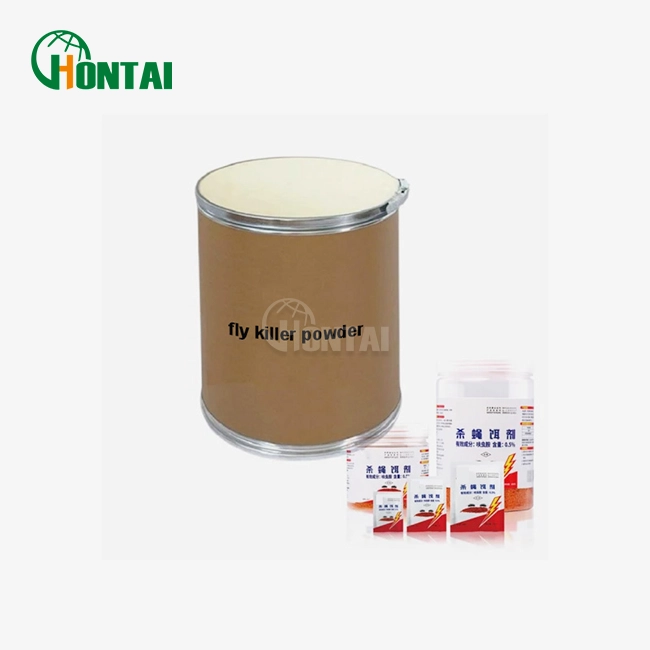
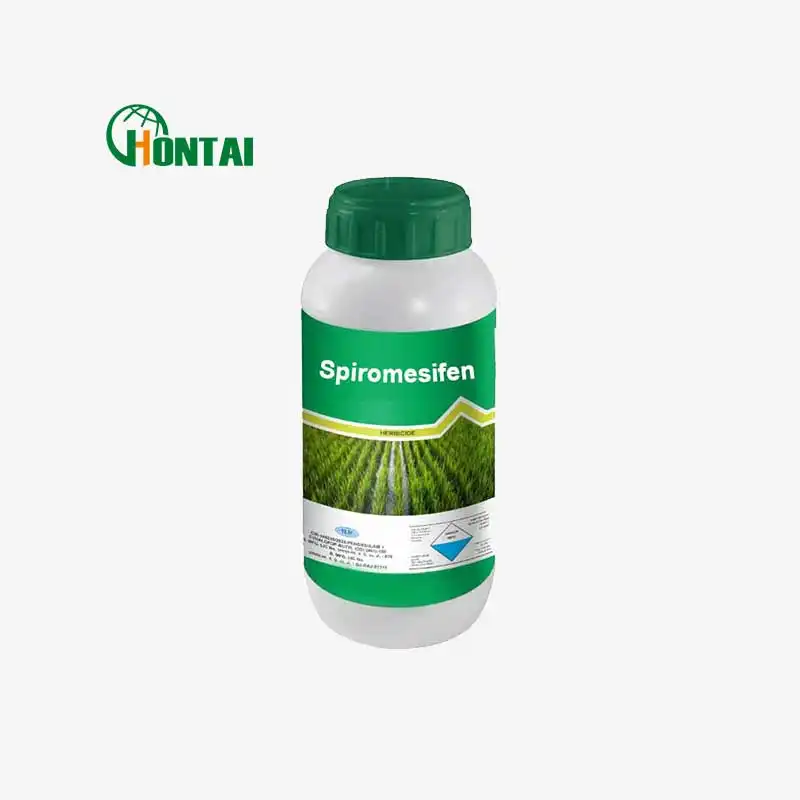
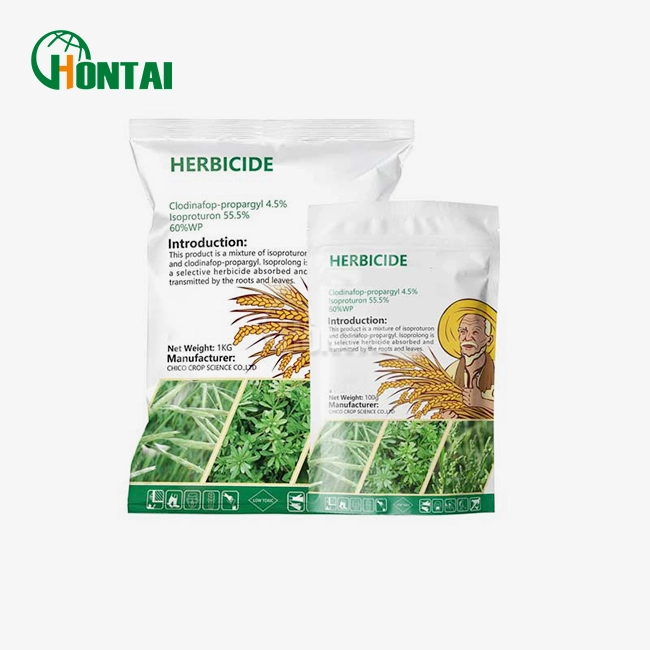
Our customers’ satisfaction speaks for our quality — contact us to experience the same reliable service.