- English
- French
- German
- Portuguese
- Spanish
- Russian
- Japanese
- Korean
- Arabic
- Greek
- German
- Turkish
- Italian
- Danish
- Romanian
- Indonesian
- Czech
- Afrikaans
- Swedish
- Polish
- Basque
- Catalan
- Esperanto
- Hindi
- Lao
- Albanian
- Amharic
- Armenian
- Azerbaijani
- Belarusian
- Bengali
- Bosnian
- Bulgarian
- Cebuano
- Chichewa
- Corsican
- Croatian
- Dutch
- Estonian
- Filipino
- Finnish
- Frisian
- Galician
- Georgian
- Gujarati
- Haitian
- Hausa
- Hawaiian
- Hebrew
- Hmong
- Hungarian
- Icelandic
- Igbo
- Javanese
- Kannada
- Kazakh
- Khmer
- Kurdish
- Kyrgyz
- Latin
- Latvian
- Lithuanian
- Luxembou..
- Macedonian
- Malagasy
- Malay
- Malayalam
- Maltese
- Maori
- Marathi
- Mongolian
- Burmese
- Nepali
- Norwegian
- Pashto
- Persian
- Punjabi
- Serbian
- Sesotho
- Sinhala
- Slovak
- Slovenian
- Somali
- Samoan
- Scots Gaelic
- Shona
- Sindhi
- Sundanese
- Swahili
- Tajik
- Tamil
- Telugu
- Thai
- Ukrainian
- Urdu
- Uzbek
- Vietnamese
- Welsh
- Xhosa
- Yiddish
- Yoruba
- Zulu
Synthesis method of spiroxamine as bactericide
share:
When powdery mildew or rust attacks last for months on thousands of hectares of land, it's not enough for large-scale farmers to know what to use to protect their crops; they also need to know how to do it. Spiroxamine is unique because it is a systemic pesticide that can also kill bacteria. It is made using complex chemical processes that have a direct effect on how well it works in the field. The molecular formula for this active ingredient is C18H35NO2. It is a spiroketalamine chemical, and it works by stopping the production of ergosterol in fungi at certain enzyme sites. Figuring out how this compound is made shows how important product stability, purity levels, and the ability of the seller to make the product are when trying to protect cereal crops like wheat and barley or vines that are in danger from Uncinula necator. We will talk about the technical side of making Spiroxamine, quality standards, and buying tips that can help pesticide sellers and farm managers make smart choices about where to get their supplies.
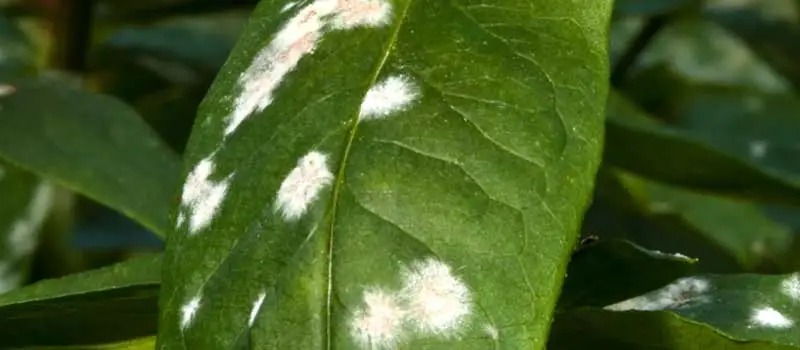
Understanding Spiroxamine: Chemical and Functional Properties
Molecular Structure and Classification
Spiroxamine is an amine that works as a Sterol Biosynthesis Inhibitor and is in FRAC Group 5. This chemical stops Δ14-reductase and Δ8→Δ7-isomerase enzymes in the fungus ergosterol pathway, but triazole fungicides target C14-demethylation. This difference is important because ergosterol is a key part of the walls of fungi cells. Pathogens can't grow when production is interrupted because membrane integrity breaks down. The chemical structure has a spiroketal ring system that makes it more lipophilic, which means it can quickly get through the pores of leaves, usually within 30 minutes of being applied. Agricultural service providers like this feature of rainfastness, especially when the weather is uncertain, and treatment effectiveness is lost because of delayed uptake.
Importance of Purity in Commercial Formulations
There are 25% SC (suspension concentrate), 50% EC (emulsifiable concentrate), and 80% EC versions on the market. There is a direct link between the amount of purity and the uniformity of field performance and shelf stability. Higher-grade synthesis gets rid of as many impurities as possible that could harm plants or make living things less active. Agrochemical distributors looking for products for private-label businesses should make sure that the production processes are consistent from batch to batch. Differences can affect both customer happiness and the ability to follow the rules in target markets. As the legal number for trade documents and customs clearance processes, the EINECS number 41814-78-2 is used.
Synthesis Method of Spiroxamine: Step-by-Step Process
Traditional Synthesis Approaches
In the past, products were made using a multi-stage chemical Spiroxamine 95%Tc 25%Sc 50%Ec synthesis process that included acid-catalyzed condensation reactions to form spiroketal. Starting materials usually included cyclohexanone derivatives and amino alcohols, which were changed by protecting, linking, and deprotecting them in that order. Problems with these old methods included low yields (often less than 60%), long reaction times (more than 48 hours), and filtering steps that used a lot of solvents. More quality problems were caused by residual catalyst contamination and stereoisomer control. While these methods helped build the foundations of chemistry, they weren't as good for large-scale production, where environmental impact and cost-effectiveness are becoming more important factors in supplier competition.
Key Chemical Reactions and Intermediates
The main step in the production process is to create the spiroketal ring by cyclizing a keto-diol intermediate with the help of an acid. This step of cyclization sets the end product's stereochemical structure, which has a direct effect on its biological function. After amination, the tertiary amine action is added, which is necessary to break down the fungal wall. Controlling the pH, keeping the temperature between 40°C and 80°C, and keeping the neutral atmosphere up are all important reaction conditions that have a big effect on both yield and purity. Procurement workers can tell if a supplier has the infrastructure and skills needed for reliable large-scale production by looking at these technical factors.
Quality Control and Safety Standards in Spiroxamine Production
International Certifications and Compliance
Reliable producers keep their ISO 9001 quality management approval and follow area rules for agricultural chemicals, such as the EPA's rules in the US. Safety Data Sheets (SDS) tell you how to handle and store something safely (in a cool, dry place), as well as what to do in an emergency. Full regulatory dossiers are needed for products that are going to be exported. These must include chemical studies, data on how the product will affect the environment, and effectiveness tests that follow Good Laboratory Practice (GLP) guidelines. Agrochemical wholesalers should make sure that sellers provide all the paperwork needed for registration in target markets. Not having all the paperwork can cause expensive delays and even limit access to markets.
Residue Monitoring and Environmental Safety
Analytical testing methods check for residue amounts to make sure they are within the Maximum Residue Limits (MRLs) set by government regulators. Gas chromatography-mass spectrometry (GC-MS) multi-residue screening can find impurities as small as a few parts per billion. In environmental risk studies, the effects on aquatic life, the rate of land decline, and non-target organisms are all looked at. These reviews are important for commercial farms that want to get sustainable agriculture licenses or that sell food to stores that have strict supplier standards. Quality control includes more than just the active ingredient. It also checks the formulation adjuvants, the integrity of the packaging, and the correctness of the labels. All of these things affect the safety and usefulness of the product for the end user.
Comparative Analysis: Spiroxamine vs Other Fungicides and Bactericides
Efficacy Benchmarking Against Triazoles
When you compare this substance to triazole Spiroxamine 95%Tc 25%Sc 50%Ec fungicides like tebuconazole, you can see that their strengths support each other. Triazoles have broad-spectrum activity, but in areas with a lot of use, they face rising resistance pressure. The different way it works gives important cycle choices in fungicide programs. Field tests show that using the recommended rates for powdery mildew control is as good as or better than the recommended rates, with faster healing for existing cases. The cost study shows that the prices per treated acre are competitive, especially when you consider that the chemicals need to be applied less often because they last longer. Because of these success traits, the product is appealing to crop security companies that are making plans for managing resistance.
Advantages in Mixed Cropping Systems
This fungicide works on a wide range of crops, such as grains, berries, sugar beets, and ornamentals, unlike some competing actives that only work on certain crops. This adaptability is appealing to wholesalers who work with a wide range of clients. The good environmental profile (moderate water toxicity and relatively short soil half-life) fits with gardening methods that combine environmental responsibility with production. When compared to older chemistry classes, re-entry times are shorter, and fungicides used in urban gardening projects are less harmful to mammals, which is good for public health groups that are testing them.
Market Positioning and Supplier Reliability
Prices tend to stay the same because of stable access to raw materials and well-known ways to make them, unlike with newer activities that are covered by patents. Hebei Hontai Biotech Co., Ltd. is one of many companies in China that offer affordable formulations, flexible packaging, and OEM services. When choosing a provider, distributors should compare how well they offer technical help, how long lead times are, and how flexible the minimum order is. Established makers with experience exporting can easily handle the necessary paperwork, which speeds up the buying process and makes sure that orders are delivered on time, which is very important during peak demand times of the year.
Procurement and Supply Chain Insights for Spiroxamine
Evaluating Supplier Manufacturing Capabilities
When buying something, you should do your research and look at things like production ability, quality standards, Spiroxamine, and how clear the synthesis is. Site audits or inspections by a third party make sure that facilities have the right garbage handling and environmental controls in place. Suppliers who provide specific Certificate of Analysis (CoA) papers for every batch show that they are dedicated to maintaining quality. For bulk powder, the minimum order quantity is usually between 500 kg and several tons. Formulated goods can be bought in smaller amounts. When you negotiate framework deals with number promises, you can often get better prices and faster service during times of high demand.
Packaging and Logistics Considerations
Liquid mixtures (25% SC, 50% EC, 80% EC) need containers made of materials that don't react with chemicals. For large exports, HDPE drums or IBC totes are usually the best choice. Customized labeling meets the needs of private labels and area language standards. Shipping operations must deal with danger classification (usually Class 9 miscellaneous hazardous materials), which requires the right paperwork and choosing a carrier that has experience transporting agrochemicals. Lead times for ocean freight from production hubs in Shijiazhuang, Hebei Province, to major farming markets are usually between 4 and 6 weeks. To avoid running out of stock during application windows, it is important to plan ahead for demand and keep extra stock on hand.
Building Strategic Supplier Partnerships
Leading agrochemical wholesalers do more than just sell products. They also build connections with customers that let them work together to make unique formulations or regional versions of products. Manufacturers with skilled technical teams offer more than just the product itself. They also offer application advice, suggestions for managing pushback, and help with field trials. This way of working together is especially helpful when bringing goods to new markets or reacting to new disease pressures. Total cost of ownership analysis has caused procurement strategies to change their focus from just looking at unit cost to focusing on source security, technical knowledge, and after-sales service as well.
Conclusion
By understanding the synthesis method used to make Spiroxamine, buying workers can make smart choices about where to buy it that balance cost, quality, and dependability. Moving from old-fashioned to more modern, better synthesis methods has made products more consistent and less harmful to the environment, two things that are becoming more important to farming businesses and the people who buy their products. Standards for quality control, facts on comparative effectiveness, and supply chain issues all play a part in making procurement plans work well. As problems with managing resistance get worse in farmland around the world, goods made using strong methods and checked for purity become strategic assets instead of things to buy. In competitive markets, distributors and farm businesses that work with makers who are honest about technical issues and committed to quality have an edge.
FAQ
1. How does Spiroxamine function as both a fungicide and bactericide?
The substance is mostly known as a systemic fungicide that targets ergosterol production in fungi. However, it also kills bacteria by disrupting their membranes. The main use is for controlling fungal diseases like powdery mildew and rust in wheat and fruit. Bacterial disease prevention is still a bonus and not the main reason for using it. How well it works depends on the type of bacteria used and when it is used.
2. What impact does synthesis quality have on field performance?
Higher synthesis purity immediately leads to more stable biological activity and a lower chance of phytotoxicity. Impurities or breakdown products can change how stable a mixture is, which can lead to crystals or separation that changes how the spray is distributed. Consistency in purity from batch to batch ensures reliable disease control results, which is very important for business operations that are in charge of thousands of hectares and where application mistakes can cost a lot of money.
3. What should buyers prioritize when evaluating suppliers?
The most important things to do are to check manufacturing certifications, ask for transparency in the synthesis process, look over analytical testing procedures, and make sure that all regulatory paperwork is full. Also, look at their logistics skills, expert help, and track record with people like them in the past. Requesting product samples with supporting COA paperwork lets you check them out on your own before committing to bulk purchases.
Partner with Hontai for Premium Spiroxamine Solutions
Finding a reliable Spiroxamine provider takes more than just looking at price lists. You need to work with makers who offer professional support, quality assurance, and quick service. Hebei Hontai Biotech Co., Ltd. is an expert at making high-purity mixtures, such as 25% SC, 50% EC, and 80% EC versions that are made using the best synthesis methods. Our professional, skilled team offers full support from the first question to delivery, backed by certifications and all the necessary legal paperwork to make market entry easier. We know that agrochemical wholesalers need solutions that can be changed quickly. That's why we offer OEM/ODM services, unique marking, and different ways to package your products. Our fast global transportation network makes sure that arrival times are reliable and match the seasonal application windows of your customers. We offer reliable quality and partnership, whether you're looking for tools to help large-scale farmers fight grain powdery mildew or to add to your product line with tried-and-true resistance management tools. Email our team at admin@hontai-biotech.com to talk about your unique needs, get detailed data sheets, or set up samples of our products. As a well-known company that makes Spiroxamine for farming markets around the world, we're ready to help your business grow by providing a steady supply, low prices, and the kind of technical cooperation that makes relationships work.
References
1. Mueller, D.S. and Wise, K.A. (2020). Fungicide Efficacy for Control of Wheat Diseases. Purdue Extension Publication BP-160-W, Purdue University.
2. Hewitt, H.G. (1998). Fungicides in Crop Protection. CAB International, Wallingford, United Kingdom.
3. Lyr, H., Russell, P.E., and Sisler, H.D. (1999). Modern Fungicides and Antifungal Compounds II. Intercept Limited, Andover, Hampshire, United Kingdom.
4. Fungicide Resistance Action Committee (2023). FRAC Code List: Fungal Control Agents Sorted by Cross Resistance Pattern and Mode of Action. FRAC Publications.
5. Tomlin, C.D.S. (2009). The Pesticide Manual: A World Compendium, 15th Edition. British Crop Protection Council, Alton, Hampshire, United Kingdom.
6. Schnabel, G. and Jones, A.L. (2001). The 14α-Demethylase (CYP51A1) Gene is Overexpressed in Venturia inaequalis Strains Resistant to Myclobutanil. Phytopathology, 91(1), 102-110.
Our customers’ satisfaction speaks for our quality — contact us to experience the same reliable service.