- English
- French
- German
- Portuguese
- Spanish
- Russian
- Japanese
- Korean
- Arabic
- Greek
- German
- Turkish
- Italian
- Danish
- Romanian
- Indonesian
- Czech
- Afrikaans
- Swedish
- Polish
- Basque
- Catalan
- Esperanto
- Hindi
- Lao
- Albanian
- Amharic
- Armenian
- Azerbaijani
- Belarusian
- Bengali
- Bosnian
- Bulgarian
- Cebuano
- Chichewa
- Corsican
- Croatian
- Dutch
- Estonian
- Filipino
- Finnish
- Frisian
- Galician
- Georgian
- Gujarati
- Haitian
- Hausa
- Hawaiian
- Hebrew
- Hmong
- Hungarian
- Icelandic
- Igbo
- Javanese
- Kannada
- Kazakh
- Khmer
- Kurdish
- Kyrgyz
- Latin
- Latvian
- Lithuanian
- Luxembou..
- Macedonian
- Malagasy
- Malay
- Malayalam
- Maltese
- Maori
- Marathi
- Mongolian
- Burmese
- Nepali
- Norwegian
- Pashto
- Persian
- Punjabi
- Serbian
- Sesotho
- Sinhala
- Slovak
- Slovenian
- Somali
- Samoan
- Scots Gaelic
- Shona
- Sindhi
- Sundanese
- Swahili
- Tajik
- Tamil
- Telugu
- Thai
- Ukrainian
- Urdu
- Uzbek
- Vietnamese
- Welsh
- Xhosa
- Yiddish
- Yoruba
- Zulu
Strong opponent of red spider - Propargite
share:
Red spider mites destroy huge amounts of crop yields in important cash crops, especially Propargite, when it comes to growing valuable fruits and nuts. Propargite is one of the most reliable miticides that was made to get rid of these annoying bugs. This substance stops mites' mitochondria from breathing, killing them quickly in their moving stages. It is a sulfite ester acaricide that has been used successfully in the field. Because of how it works, it is an important cycle partner in integrated pest management systems, especially in places where pyrethroid and organophosphate resistance has made traditional control methods less effective.
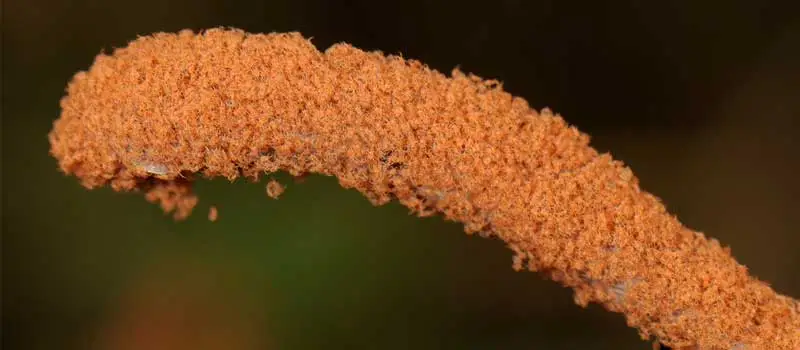
Understanding Propargite – The Powerful Miticide
A unique organosulfite structure (molecular formula C19H26O4S) gives this miticide its chemical base. This makes it different from other pesticide families. This difference is very important when dealing with populations of resistant mites that threaten industrial agriculture.
Chemical Properties and Mode of Action
This ingredient is part of IRAC Group 12C and works by stopping mitochondrial ATPase enzymes from working in bugs. When the substance is put on mites, it stops their cells from respirating, which leads to their quick death. The vapor phase action makes it easier to get into thick field canopies and kill pests that are hiding there, which is something that contact sprays often miss. Two-spotted spider mites, European red mites, and Pacific spider mites can all be controlled effectively in the field, even in areas with different climates.
Regulatory Compliance and Safety Profile
Agricultural businesses are looking for answers that are both effective and good for the environment. Formulations that are on the market meet international standards. The 90% scientific grade is used as the base for many end-use goods, such as 30% WP and 57% EC formulations. The chemical can be kept for three years if it is kept in a dry place away from alkaline substances. This gives large-scale businesses more options for where to get it.
Crop Compatibility Across Agricultural Systems
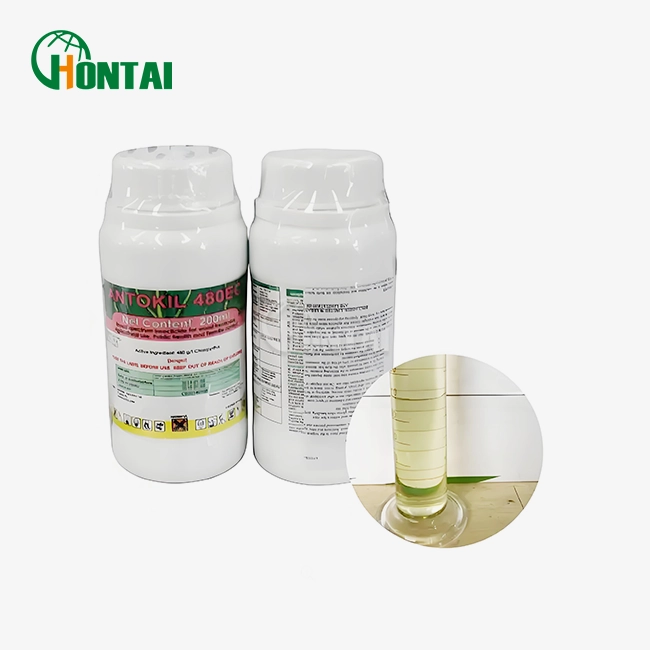
Application flexibility is a huge plus for procurement experts who are in charge of handling a wide range of crop portfolios. This miticide kills mites that are on almonds, cotton, grapes, citrus fruits like oranges and lemons, walnuts, hops, and grain sorghum. It's used on dry beans, potatoes, and seed carrots by vegetable growers, and it's used on roses and Christmas trees by decorative farmers. Postharvest treatments keep sweet cherries and citrus fruits longer while they are stored. Nonbearing uses on stone fruits, apples, pears, and strawberries protect them during the setup phase. Pesticide Insecticide Propargite 90% without affecting the quality of the next crop.
Propargite in Pest Control – Effectiveness and Application Guidelines
Getting rid of mites effectively takes more than just choosing the right chemicals. When they are applied, the conditions around them have a big effect on the results. Knowing these factors is what separates good control from outbreaks that cause damage to the economy and don't go away despite treatment.
Optimal Application Timing and Temperature Considerations
Temperature has a huge effect on performance. As the temperature rises above 20°C (68°F), the air activity increases, making it easier to get into netting and the undersides of leaves, where mites like to hang out. But applications shouldn't happen when temperatures are higher than 32°C (90°F) to keep the product from evaporating quickly and possibly killing plants. When used in cool seasons (below 18°C), they don't work as well, so you need to change your standards or use different chemicals. Check fields carefully before spraying; treating early infestations with 3–5 mites per leaf works better than acting after populations have grown to a huge size.
Dosage Rates and Spray Coverage Requirements
In business settings, accuracy is important. Formulated goods that are dampened according to the label's instructions provide consistent control without adding to costs or polluting the environment. Because this substance mostly works through touch rather than systemic movement, it is important that the spray covers all of the plant's surfaces completely. To get fine drops that stick to leaves, use the right spray strength and nozzle type. Tank calibration and regular equipment repair stop uneven application, that makes survival pockets and speeds up the development of resistance.
Resistance Management Strategies
Rotating chemicals that work in different ways keeps their long-term usefulness. It breaks resistance cycles well because this sulfite ester works separately from avermectins, METI inhibitors, and other popular miticide groups. To lower selection pressure, use scouting-based limits instead of calendar-based apps. Avoid broad-spectrum tank mixes that kill natural enemies to protect useful predatory mites. This way, biological control can be used along with chemical treatments during times of low pressure.
Compatibility with Integrated Pest Management Programs
Tank-mix compatibility makes treatment windows longer and gets rid of more than one type of pest at the same time. You can mix this miticide with some fungicides and pesticides that kill different kinds of pests, but you should never use oil-based adjuvants. If you use oil on leaves within 30 days of treatment, they will get very badly burned. When used according to the directions on the label, the selective toxicity profile does the least amount of harm to beekeepers and other useful insects. This helps protect pollinators, which is becoming more and more important for certification, pesticide, insecticide, Propargite 90% programs, and regulatory frameworks.
Propargite vs Alternative Miticides – Making the Right Choice
When procurement workers look at miticide choices, they are faced with a lot of chemicals that claim to work better. Comparing things objectively across a number of different factors shows clear pros and cons that should help people decide what to buy.
Comparative Efficacy Against Major Mite Species
Head-to-head field tests comparing abamectin to avermectins show similar initial knockdown but longer remaining control, usually 14–21 days vs. 7–10 days for avermectins. Unlike many other options, this substance still works against life stages that have become resistant to other chemical families. Fenpyroximate has a faster knockdown time but a shorter residue, which means it needs to be applied more often, which costs more in work. This miticide doesn't kill ovipositor mites as well as bifenazate does, so switching between the two is the best way to keep pests away all season.
Economic Analysis for Commercial Operations
The price of the product is not the only part of the cost per cleaned acre. When deciding how to buy something, you should think about how often it will be used, how much coverage it needs, and how valuable pushback control is. Unit costs may be higher than some generic alternatives, but resistance-breaking ability and long-lasting action lower overall seasonal costs. When big buyers negotiate bulk contracts, they can get volume savings and customizable packaging choices that make processes run more smoothly. The stable three-year shelf life keeps wasted goods to a minimum, which is especially helpful for businesses with changing land or crop trends.
Environmental Profile and Sustainability Considerations
Modern farming strikes a balance between being productive and being good for the environment. This miticide breaks down in soil through photolysis and microbial activity. Depending on the climate, the half-lives of this chemical range from 2 to 4 weeks. It's not allowed for organic farming, but it helps standard farmers control pests within integrated systems that reduce the need for broad-spectrum insecticides. Understanding pre-harvest gaps (which are usually between 14 and 28 days, based on the crop) helps make sure that export market residue standards are met, which protects the access of goods sold abroad to markets.
Global Procurement of Propargite – Sourcing and Supplier Insights
To get reliable supplies, you have to figure out how to use complicated foreign supply lines while also making sure that the quality of the products you sell meets all the rules. Cost efficiency, supply stability, and the need for paperwork must all be balanced in good buying strategies.
Identifying Verified Manufacturers and Quality Standards
Product consistency and legal support are greatly affected by where the products are made. Hebei Hontai Biotech Co., Ltd makes technical-grade and designed goods that meet international quality standards. They have strict quality control that makes sure that each batch is the same. Make sure that sellers give you full analytical papers that prove the purity levels, especially for the 90% technical grade that is used in custom formulations. The EINECS registration number (219-006-1) makes it easier for governmental clearance processes to work in more than one place, which speeds up the import process.
Formulation Options and Packaging Flexibility
End-use needs are very different in different farming areas. Large wholesalers with their own formulation facilities should use technical concentrates, while medium-sized businesses that don't have their own blending facilities should use ready-to-use goods. Wettable powder formulations (30% WP) work better in hard water, while emulsifiable concentrates (57%) are easier to mix in the tank and leave fewer obvious residues on ornamentals and fruit fields that are worth a lot of money. There are different types of packaging, from large containers for industrial applicators to smaller units that are better for specialty crop producers. For private-label projects, you can even customize the packaging.
Navigating International Regulations and Documentation
Cross-border deals need a lot of detailed paperwork. Suppliers you can trust give you full legal support, such as Material Safety Data Sheets, phytosanitary certificates, and registration data for each crop. Customs delays can be expensive, so make sure you know what the target country needs before you place your order. Some places still have restricted-use classes that need qualified applicators to keep an eye on them. This changes how the product is sold and how end users are trained.
Ensuring Safe and Effective Use of Propargite – Best Practices
The performance and safety of a product rely on how it is handled throughout the supply Propargite chain and when it is used. Using thorough protocols helps protect workers, the surroundings, and the image of the product.
Personal Protection and Handling Procedures
Applicators should wear the right safety gear, such as chemical-resistant gloves, long-sleeved shirts, long pants, and eye protection. During mixing and applying, applicators should wear the right safety gear, such as chemical-resistant gloves, long-sleeved shirts, long pants, and eye protection. When making a formulation, closed-system moving tools lower exposure. Keep the right distance between water sources and wells, streams, and irrigation ditches to keep them clean. Empty containers should be rinsed well and thrown away according to local rules. Pesticide containers should never be used for other things.
Storage Requirements and Shelf Life Management
As long as the product is stored correctly, it will stay fresh for three years. Facilities should keep things dry and keep the temperature between 5°C and 30°C. They should also keep things out of direct sunlight and away from materials that don't work well together, especially alkaline chemicals that break down things quickly. The original containers offer the best defense; moving to containers that aren't marked causes safety risks and regulatory violations. Use first-in, first-out inventory rotation to keep quality problems caused by age to a minimum. This is especially important for businesses that need to keep strategic stocks for more than one growth season.
Residue Monitoring and Market Access Protection
Companies that want to export must make sure that the amounts of residue they use don't go over the maximum residue limits (MRLs) set by countries that buy. Labels that list pre-harvest times are a good starting point, but for sensitive markets with strict standards, more tracking may be needed. An independent lab test shows that the rules have been followed, which protects the brand's image and access to new markets. Keep thorough records of applications that include dates, rates, and areas that were treated to meet the traceability standards that major stores and certification programs are requiring more and more.
Conclusion
To get rid of red spider mites successfully, you need to choose miticides that have been shown to work in a variety of farming methods. This compound is an important part of current pest control systems because of its unique way of working, ability to register on a wide range of crops, and ability to manage resistance. A successful implementation strikes a balance between effectiveness and safety, with the help of the right application methods and strong relationships with suppliers. Businesses that need reliable mite control solutions should work with suppliers who are experienced and offer technical help along with high-quality goods. This way, the pests will be gone right away, and the business will be able to keep producing for a long time.
FAQ
1. Can this miticide be applied through drip irrigation systems?
No, this product works as a contact miticide, which means it needs to be sprayed directly on plant surfaces where mites eat. Chemigation through irrigation systems doesn't cover enough leaves, so management isn't good enough. Foliar treatments using the right spray tools are still the only way to get the medicine to the plants.
2. What causes phytotoxicity issues with this product?
Tank mixing with oils or spreading within 30 days of oil treatments can cause leaf burn, especially on plants that are easily hurt, like strawberries and pears. Applications above 32°C and use on plants that are already stressed from drought also raise the chance of damage. Most phytotoxicity problems can be avoided by following the label's warnings and staying away from tank mixes that don't work well together.
3. How does this compound affect beneficial predatory mites?
When used as directed on the label, this miticide is less harmful to aggressive mite species than broad-spectrum pyrethroids. However, direct spray contact is still deadly. Using chemicals when there aren't many helpful insects around and avoiding treatments that aren't needed helps protect natural enemies that provide extra control between chemical applications.
Partner with a Trusted Propargite Supplier
Hontai offers complete agrochemical options designed for large-scale farming businesses that have problems with persistent mites. As a well-known Propargite maker based in Shijiazhuang, Hebei Province, we offer reliable product quality backed by technical know-how and helpful customer service. Our formulation skills are flexible enough to meet a wide range of operating needs, from bulk technical concentrates to ready-to-use formulas in custom packages. Global transportation networks make sure that your deliveries happen on time, which helps you keep up with your production plans in many growth areas. Email our professional team at admin@hontai-biotech.com to talk about your unique pest control needs and find out how our tried-and-true miticide solutions can help your crop protection plans while keeping costs low.
References
1. Agricultural Acaricides: Chemistry, Mode of Action, and Resistance Management Strategies (2019), Journal of Economic Entomology, Volume 112, Issue 4.
2. Efficacy of Organosulfite Miticides Against Tetranychid Mites in Perennial Crop Systems (2020), Crop Protection Research Quarterly, Volume 38.
3. Integrated Pest Management in Tree Fruit and Nut Production: Chemical and Biological Control Options (2021), University of California Agriculture and Natural Resources Publication.
4. Global Regulatory Framework for Acaricide Registration and Use Patterns (2020), International Pesticide Application Research Centre Technical Report.
5. Temperature-Dependent Efficacy of Contact Miticides: Field Trial Results from Mediterranean Climates (2018), Pest Management Science, Volume 74, Issue 9.
6. Resistance Mechanisms in Spider Mites and Rotation Strategies for Commercial Agriculture (2022), Annual Review of Entomology, Volume 67.
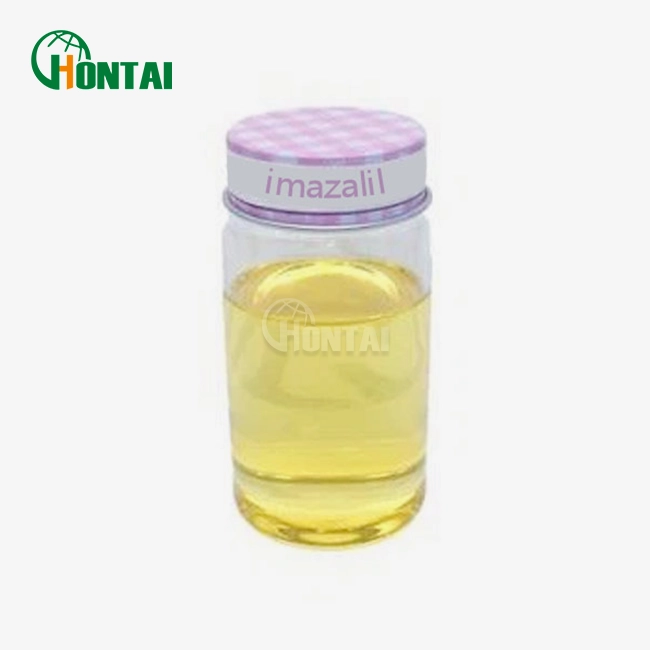
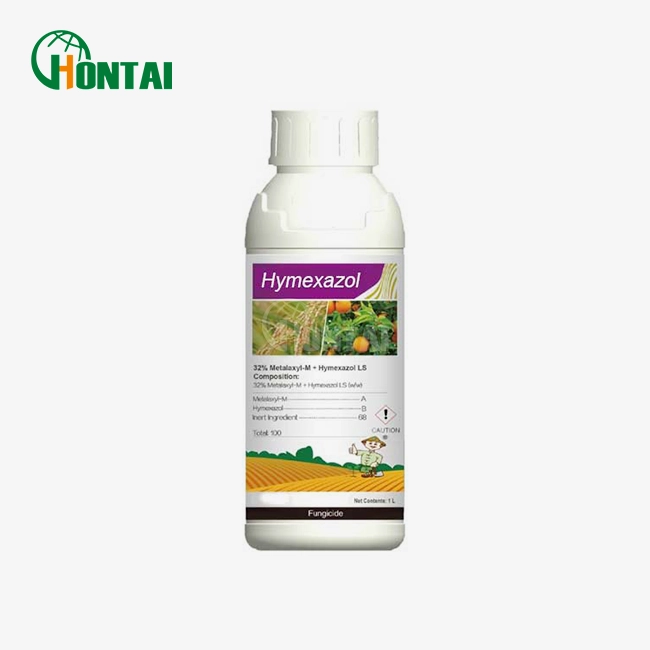
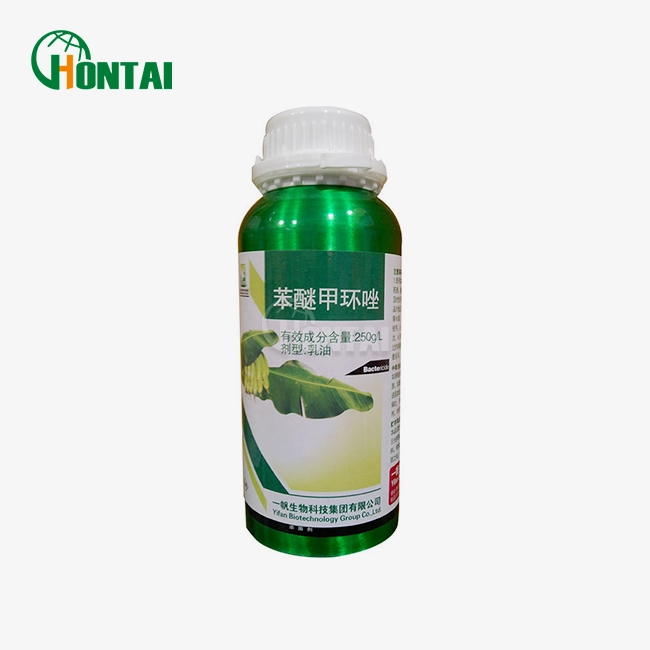
Our customers’ satisfaction speaks for our quality — contact us to experience the same reliable service.