- English
- French
- German
- Portuguese
- Spanish
- Russian
- Japanese
- Korean
- Arabic
- Greek
- German
- Turkish
- Italian
- Danish
- Romanian
- Indonesian
- Czech
- Afrikaans
- Swedish
- Polish
- Basque
- Catalan
- Esperanto
- Hindi
- Lao
- Albanian
- Amharic
- Armenian
- Azerbaijani
- Belarusian
- Bengali
- Bosnian
- Bulgarian
- Cebuano
- Chichewa
- Corsican
- Croatian
- Dutch
- Estonian
- Filipino
- Finnish
- Frisian
- Galician
- Georgian
- Gujarati
- Haitian
- Hausa
- Hawaiian
- Hebrew
- Hmong
- Hungarian
- Icelandic
- Igbo
- Javanese
- Kannada
- Kazakh
- Khmer
- Kurdish
- Kyrgyz
- Latin
- Latvian
- Lithuanian
- Luxembou..
- Macedonian
- Malagasy
- Malay
- Malayalam
- Maltese
- Maori
- Marathi
- Mongolian
- Burmese
- Nepali
- Norwegian
- Pashto
- Persian
- Punjabi
- Serbian
- Sesotho
- Sinhala
- Slovak
- Slovenian
- Somali
- Samoan
- Scots Gaelic
- Shona
- Sindhi
- Sundanese
- Swahili
- Tajik
- Tamil
- Telugu
- Thai
- Ukrainian
- Urdu
- Uzbek
- Vietnamese
- Welsh
- Xhosa
- Yiddish
- Yoruba
- Zulu
What is Propargite used for?
share:
Propargite is a special kind of acaricide that is used to get rid of harmful mites that attack a wide range of crops. It is a special kind of organosulfite miticide that works against moving stages of spider mites, European red mites, and other plant-eating mites that hurt crops used for food. Propargite gets rid of mites on almonds, cotton, grapes, oranges, walnuts, ornamentals, and many other high-value crops very well. This makes it an essential tool for large-scale farmers looking for safe ways to deal with pests.
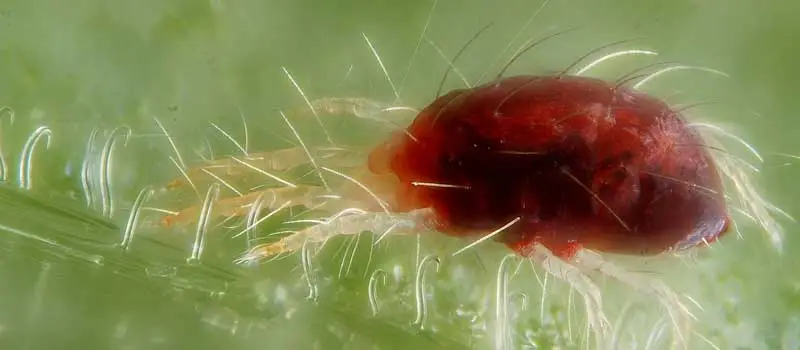
Understanding Propargite: Uses and Mode of Action
Propargite is a sulfite ester chemical and is in IRAC Group 12C. Its molecular formula (C19H26O4S) shows that it has a structure that makes it effective against mites both in the touch and air phases. Because it does two things, Propargite can get to pests that are hiding on the undersides of leaves and in thick greenery, which is something that contact-only miticides can't do.
Chemical Properties and Handling Characteristics
There are different forms of the active ingredient, such as 90% Technical Concentrate (TC), 30% Wettable Powder (WP), and 57% Emulsifiable Concentrate (EC). Because concentrated forms look like yellow liquid, they need to be kept in dry, cool places away from alkaline substances to stay stable. Since it can stay fresh for three years if kept in the right conditions, bulk buyers can plan their holiday purchases without worrying about how quickly the goods will go bad.
Mode of Action Against Mite Populations
Propargite works as an ATPase inhibitor in mitochondria, which stops the mites' oxygen metabolism. This process quickly kills larvae, nymphs, and adult mites, but it doesn't do much to kill eggs. Systemic pesticides work by moving through plant tissues, but Propargite mostly works by direct touch and inhalation. Timing and coverage of the spray are very important for success.
Crop Applications and Target Pests
It has been shown that this miticide works on a wide range of crops. It keeps spider mites away from tree nuts like almonds and walnuts, where they can do a lot of damage to crops. In fruit farming, it protects citrus fruits like grapefruit, lemons, and oranges, as well as stone fruits like peaches. Propargite is used by cotton growers to control mite populations that become resistant to other chemicals. Vegetable seed crops like carrots and sugar beets benefit from its focused action. Roses and Christmas trees are used by people who grow decorative plants. Putting things on sweet cherries and oranges after Pesticide Insecticide Propargite 90% they've been picked stops store mite damage and makes the fruit last longer on the market.
Safety, Environmental Impact, and Resistance Management
To control mites while saving people's health and useful organisms, you need to know how Propargite reacts with the environment and how safe it is. Effectiveness, legal compliance, and environmental goals must all be balanced by procurement managers.
Toxicity Profile and Safe Handling Protocols
Propargite is moderately poisonous, which means that protective gear needs to be worn when handling and using it. When mixing powders, workers should wear the right gloves, eye protection, and breathing gear. Since the substance breaks down quickly in alkaline environments, it should not be mixed in a tank with lime sulfur or Bordeaux mixture. Temperatures in storage places should stay below 30°C, and there should be enough air flow to keep vapor from building up.
Impact on Non-Target Organisms
According to research, Propargite only kills predatory mites and parasite wasps when used at the suggested rates. Because of this, it can be used with integrated pest control strategies that protect beneficial insects. But only a small amount should be used during bloom times to help insects. Studies show that they don't stay in the land for long, so they don't pollute groundwater as much as organophosphate options.
Resistance Management Strategies
When groups of mites are exposed to the same chemicals over and over, they build up a tolerance through metabolic resistance mechanisms. Propargite works in a way that makes it a good cycle partner for drugs like abamectin, bifenazate, and METI inhibitors. Changing between different IRAC groups during growing seasons is necessary for effective resistance control. Watching how the mite population reacts after treatments can help find early signs of resistance, which lets chemistry changes happen quickly before control fails.
Comparing Propargite with Other Miticides and Alternatives
There are a lot of different miticides on the market, and each one works in a different way. Comparative benefits help procurement teams choose the best options for each operational situation.
Performance Comparison with Synthetic Alternatives
Abamectin has systemic action and ovicidal qualities that Propargite does not have, but resistance builds up faster after repeated use. Hexythiazox is very good at killing eggs and has long-lasting effects, but it doesn't do much for adult mites. Bifenthrin kills a wide range of insects, including mites, but it also poses a higher risk to helpful organisms. Propargite fills a specific need by effectively Pesticide Insecticide Propargite 90% killing motile stages and increasing gas activity in warm weather. It works best above 20°C, when other miticides may not work as well.
Organic and Alternative Solutions
Sulfur-based formulas are the best organic miticides for prevention because they pose little chance of resistance. But sulfur needs to be used often and doesn't work well when it's hot, when the risk of phytotoxicity goes up. Horticultural oils are good at getting rid of mites, but they can't be used near Propargite treatments because they could seriously hurt the plants. Propargite gives instant results that organic alternatives can't match for conventional businesses that need to get rid of mites quickly.
Evaluating Supplier and Formulation Options
There are differences in quality between makers based on the technical grade, purity, and stability of the formulation. The people who are in charge of buying things should check the EINECS registration numbers (219-006-1 for Propargite) and ask for reports of analysis that prove the amounts of active ingredients. Suppliers that have been around for a while, like Hebei Hontai Biotech Co., Ltd, can offer a variety of formulations, consistent purity standards, and expert support that younger companies may not be able to give.
Procurement Insights: How to Buy Propargite for B2B Needs
Finding farming inputs means figuring out how to get them while also making sure the quality of the products, following all the rules, and keeping costs as low as possible. When buying Propargite strategically, you need to pay attention to a lot of different practical factors.
Identifying Reliable Manufacturers and Distributors
Established pesticide makers in China, especially those in Hebei province's agricultural technology hub, can produce large amounts of chemicals at prices that are competitive. Check a possible supplier's export paperwork, factory licenses, and quality management certifications before choosing them. Companies with specific expert teams can help with application advice and fixing, which improves how well the product works in the field.
Bulk Purchasing Considerations
Seasonal buyers who buy more than one container load can usually save a lot of money with volume price systems. Different formulations have different minimum order amounts. Usually, bigger pledges are needed for technical concentrates than for ready-to-use formulations. When negotiating terms, you should talk about payment plans, quality promises, and how to replace goods that don't meet your needs. Delivery times need to take into account wait times for production, delivery times between countries, and the time it takes to clear customs.
Regulatory Compliance and Documentation
Different places have very different rules about importing chemicals. Even if the goods are going to be sold outside of the US, sellers in the US must make sure they meet EPA registration standards. Safety Data Sheets (SDS), analytical certificates, and legal status documents for target countries should be sent by suppliers. Compliance breaches that cost a lot of money can be avoided by knowing the pre-harvest interval standards for target crops. Working with makers who have experience with foreign trade speeds up the paperwork process and cuts down on shipping delays.
Quality Assurance and After-Sales Support
Suppliers with a good reputation offer checking of samples, expert help with applications, and helpful customer service. Building ties with manufacturers that offer agronomic help is valuable for reasons other than the price of the products. When it comes to questions like tank mixing compatibility, resistance management, and application time, generic Propargite wholesalers might not have the right knowledge.
Practical Application Guidelines and Case Studies
To get the most out of Propargite, you need to know the right way to apply it, when to do it, and how to deal with external factors. There are real-life cases that show how businesses can get the best results.
Application Best Practices
Propargite works through contact and vapor action, so it's important to have the right covering. For tree crops, tools on the ground should give 100 to 200 gallons per acre. For aerial uses, special nozzles are needed to get enough droplet coverage. Temperatures above 20°C but below 32°C are best for applications because they keep the liquid from evaporating too quickly and could be harmful to plants. Checking to see if mites are present and how dense the population is helps time treatments for the best effect. Crop damage can be avoided by not using oil-based adjuvants, especially on sensitive types of pears, strawberries, and young melons.
Real-World Case Studies
A big nut grower in California's Central Valley had to deal with spider mites that were not hurt by organophosphates or pyrethroids. Using a rotation program that included applying Propargite during times of high mite pressure cut down on the population right away and preserved yields during important stages of nut growth. The 14–21-day leftover activity cut down on the number of times it had to be applied compared to options with shorter effects. This saved money on labor and equipment wear.
Troubleshooting Common Application Challenges
Mite populations that come back quickly after treatments may mean that tolerance has grown or that the treatment wasn't enough. Coverage problems are often fixed by adding more water to the leaves to make the surface touch better. Control problems that don't go away even when the right methods are used suggest resistance, which means that the chemistry needs to be rotated. Leaf spotting or bronzing after treatments is usually caused by oil exposure, high temperatures, or situations that put stress on the plant. Looking at the past of the tank mix and the conditions of the surroundings can help find the causes.
Conclusion
Propargite is still a useful miticide for industrial farming because it has unique vapor activity and can be used with integrated pest control systems. The fact that it works well against resistant mite populations and doesn't hurt helpful organisms too much makes it a useful tool for large-scale growers. To successfully acquire something, you need to carefully evaluate suppliers, pay attention to legal requirements, and know the best ways to use the product. Propargite is a constant mite killer that protects crop yields and quality across a wide range of farming systems when it comes from reputable makers and is used according to the right procedures.
FAQ
1. Can Propargite be mixed with other pesticides?
Propargite works well with many herbicides that have a neutral pH, but it should never be mixed with oils or alkaline substances like lime sulfur. It is very harmful to plants when mixed with oils, and the active ingredient breaks down quickly in alkaline conditions. When mixing new goods, you should always do jar tests first.
2. How does temperature affect Propargite performance?
Temperature has a big effect on how well something works. Above 20°C, vapor phase activity goes up a lot, which makes it easier to control secret mite populations. Below 18°C, performance drops significantly. But treatments should not be made when temperatures are very high (above 32°C) so that crops don't get hurt by the fast drainage.
3. What is the residual control period?
Propargite usually keeps mites away for 14 to 21 days when used correctly, but this depends on the climate and the number of mites present. This longer-lasting residual activity means that it doesn't need to be applied as often as miticides with quicker effects, which lowers costs and work needs.
4. Does Propargite control mite eggs?
Propargite doesn't kill ovipositor eggs very well; it mostly kills larvae, nymphs, and adult mites. When there is a lot of egg pressure, operations should switch between using true ovicides like hexythiazox or clofentezine to get rid of all life stages successfully.
Partner with Hontai for Reliable Propargite Solutions
As a top Propargite producer, Hebei Hontai Biotech Co., Ltd. offers technically advanced, high-purity concentrates and specially made goods for industrial farming. Our production plant in Shijiazhuang is quality-controlled to make sure that the 90% TC, 30% WP, and 57% EC formulations are always the same and meet international standards. We know how hard it is for big farming operations and distributors to get the supplies they need, so we offer flexible customization for labels, packing requirements, and different formulations.
Our skilled sales team gives full technical advice on application rates, strategies for managing resistance, and legal paperwork for markets around the world. We can quickly ship goods anywhere in the world thanks to our well-established logistics networks, and our prices for large orders are still affordable. Whether you're a commercial farmer, a regional distributor, or an agricultural service provider, our help after the sale will make sure that your mite control plans work as well as they can. Get in touch with admin@hontai-biotech.com to talk about your unique Propargite needs and get quotes that are backed up by quality approvals and technical data sheets.
References
1. van Leeuwen, T., Vontas, J., Tsagkarakou, A., Dermauw, W., & Tirry, L. (2010). Acaricide resistance mechanisms in the two-spotted spider mite Tetranychus urticae and other important Acari: A review. Insect Biochemistry and Molecular Biology, 40(8), 563-572.
2. Cranham, J. E., & Helle, W. (1985). Pesticide resistance in Tetranychidae. Spider Mites: Their Biology, Natural Enemies and Control, World Crop Pests, 1B, 405-421.
3. Stumpf, N., & Nauen, R. (2002). Biochemical markers linked to abamectin resistance in Tetranychus urticae (Acari: Tetranychidae). Pesticide Biochemistry and Physiology, 72(2), 111-121.
4. Gerson, u., & Cohen, E. (1989). Resurgences of spider mites (Acari: Tetranychidae) induced by synthetic pyrethroids. Experimental & Applied Acarology, 6(1), 29-46.
5. Campos, F., Krupa, D., & Dybas, R. A. (1996). Susceptibility of populations of two-spotted spider mites (Acari: Tetranychidae) from Florida, Holland, and the Canary Islands to abamectin and characterization of abamectin resistance. Journal of Economic Entomology, 89(3), 594-601.
6. Hoy, M. A. (2011). Agricultural Acarology: Introduction to Integrated Mite Management. CRC Press, Boca Raton, Florida.
Our customers’ satisfaction speaks for our quality — contact us to experience the same reliable service.