- English
- French
- German
- Portuguese
- Spanish
- Russian
- Japanese
- Korean
- Arabic
- Greek
- German
- Turkish
- Italian
- Danish
- Romanian
- Indonesian
- Czech
- Afrikaans
- Swedish
- Polish
- Basque
- Catalan
- Esperanto
- Hindi
- Lao
- Albanian
- Amharic
- Armenian
- Azerbaijani
- Belarusian
- Bengali
- Bosnian
- Bulgarian
- Cebuano
- Chichewa
- Corsican
- Croatian
- Dutch
- Estonian
- Filipino
- Finnish
- Frisian
- Galician
- Georgian
- Gujarati
- Haitian
- Hausa
- Hawaiian
- Hebrew
- Hmong
- Hungarian
- Icelandic
- Igbo
- Javanese
- Kannada
- Kazakh
- Khmer
- Kurdish
- Kyrgyz
- Latin
- Latvian
- Lithuanian
- Luxembou..
- Macedonian
- Malagasy
- Malay
- Malayalam
- Maltese
- Maori
- Marathi
- Mongolian
- Burmese
- Nepali
- Norwegian
- Pashto
- Persian
- Punjabi
- Serbian
- Sesotho
- Sinhala
- Slovak
- Slovenian
- Somali
- Samoan
- Scots Gaelic
- Shona
- Sindhi
- Sundanese
- Swahili
- Tajik
- Tamil
- Telugu
- Thai
- Ukrainian
- Urdu
- Uzbek
- Vietnamese
- Welsh
- Xhosa
- Yiddish
- Yoruba
- Zulu
How does metalaxyl-m work on fungal spores?
share:
Metalaxyl-m stops ribosomal RNA synthesis in fungal cells, which stops the growth of fungal spores. When it comes to phenylamide fungicides, the chemically active R-enantiomer breaks through spore walls during germination and mycelial elongation, specifically going after oomycete diseases like downy mildew, Phytophthora, and Pythium species. This systemic action stops the production of proteins that are needed for spores to mature, which stops infection processes in their tracks. Because of how precisely its molecules are arranged, it can be used at half the rate of racemic metalaxyl while still being more effective at controlling plants, trees, and veggies. If you know how current fungicides interact with plant pathogens at the cellular level, you can stop guessing about how to protect crops and start managing diseases proactively. When commercial growers have to deal with chronic fungal pressures, they need reliable solutions that protect yield without using too many chemicals or hurting the environment.
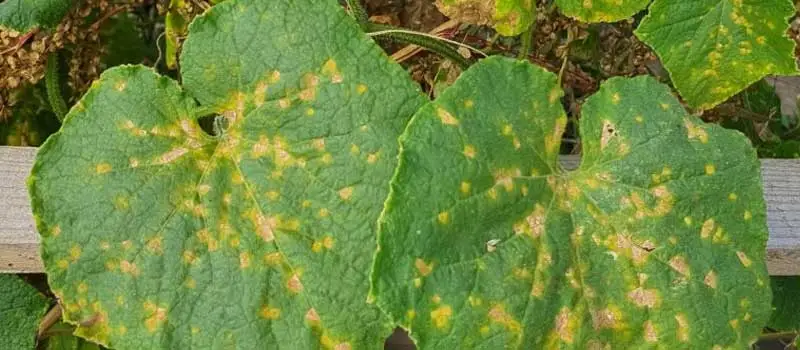
Understanding Metalaxyl-M and Its Mode of Action
Chemical Structure and Biological Precision
The active chemical works by choosing between enantiomers. Metalaxyl-m is different from regular metalaxyl because it only has the R isomer. This means that it has more of the biologically active R isomer than the S isomer. The chemical formula C15H21NO4 shows a phenylamide structure that is best for moving through xylem tissues. This improvement in chemicals has real-world benefits, such as lower loads of active ingredients, lighter shipping weights, and smaller effects on the environment.
RNA Synthesis Inhibition Mechanism
Metalaxyl-m stops the fungus RNA polymerase I from working when ribosomal RNA is being copied. When fungus spores touch treated plant surfaces or tissues that are protected throughout the body, the substance is quickly absorbed (usually within 30 to 60 minutes) and moves up and down through the plant's vascular systems. This upward movement saves new leaves and flowers that are still growing, which contact fungicides can't. Metalaxyl-m binds to particular enzyme sites inside fungus cells that make 18S and 28S ribosomal RNA parts. If ribosomes aren't working, spores can't make the proteins they need to Metalaxyl-m + Mancozeb 80 Wp make germ tubes or grow hyphae, which stops the infection before any signs show up.
Metalaxyl-M Application Methods and Best Practices
Seed Treatment Strategies
Applying formulations to seeds is an inexpensive way to protect plants early in the season. Flowable concentrate mixtures with 48% EC purity evenly cover the surfaces of seeds. For every 100 kilograms of seed, 50 to 100 grams of active ingredient are needed, based on the crop type and pathogen pressure. For compatibility with biological inoculants, it is necessary to keep an eye on the pH level to protect helpful organisms while keeping the fungicidal activity up. Metalaxyl-M seed treatments provide crucial defense during this vulnerable growth window in the cold, waterlogged soils where Pythium grows.
Foliar Application Timing
Spray applications need to be done at exact times based on the steps of disease growth. Treatments for preventative programs start before infection times, when the climate is best for spores to grow: leaves that stay wet for a long time, temperatures between 15°C and 25°C, and high relative humidity. Application amounts are usually between 200 and 400 liters per hectare to make sure the top is fully covered. The chemical doesn't wash off in rain for an hour after it's been sprayed, which lets schedules be flexible around unpredictable weather, which is helpful during times of high disease pressure. Mixing mancozeb or copper compounds with other multi-site contact fungicides in a tank helps handle resistance while expanding the range of control. The systemic healing properties of metalaxyl-m are used in these mixtures to fight incubating infections, and its protectant qualities stop the growth of new spores.
Comparing Metalaxyl-M with Alternative Fungicides
Performance Against Racemic Metalaxyl
The enantiomeric tuning makes the function better in a way that can be measured. Field tests show that half as much of the regular metalaxyl is needed to get rid of diseases as the full dose. This dosage efficiency lowers the cost of buying each treatment hectare and limits the amount of active ingredient that gets into farming environments. Formulation stability changes make the shelf life longer, as long as the product is stored in a cool, dry place where it stays intact for at least two years.
Evaluation Versus Broad-Spectrum Alternatives
Other phenylamide substances, such as benalaxyl, work in similar ways to azoxystrobin 28.2+ metalaxyl-m 10.8sc but have smaller ranges of activity. Strobilurin fungicides can kill multiple sites of disease, but they don't have the general healing effects that metalaxyl-m does against established infections. Copper-based goods offer broad-spectrum protection, but they can't go systemically to protect new growth or enter plant tissues to stop pathogens from incubating. Cost-benefit studies compare the prices of active ingredients to the number of times they need to be used and the amount of yield protection that is expected. Metalaxyl-m unit costs may be higher than those of common contact fungicides, but investments are often justified by protected crops and higher quality standards due to fewer applications and better results. Environmental impact studies play a bigger role in purchasing choices now than ever before. Metalaxyl-m's modest persistence and lower application rates are in line with sustainability requirements compared to older chemicals that needed stronger treatments more often.
Environmental Impact and Regulatory Considerations
Soil Persistence and Degradation
The environmental stability of metalaxyl-m is modest. Its half-lives range from 15 to 70 days, based on the temperature, moisture, and activity of microbes in the soil. Microbial degradation is the main way that compounds break down. Soil bacteria break down the substance into simpler, less bioactive byproducts. Adsorption rates are affected by the amount of clay and organic matter in the soil. Soils with more organic matter may bind more compounds, which could make them last longer while lowering their ability to leak into groundwater systems. Based on the identified use patterns, field dissipation tests show that there aren't many accumulation risks. When applied at the right time and in the right amount for the season, too much dust doesn't build up. When thinking about soil health, it's important to keep the microbial groups different so that natural degradation processes can happen. Too much use of single-mode fungicides can hurt valuable soil organisms. This shows how important it is to use biological controls and cultural practices as part of integrated pest management processes.
Regulatory Compliance Standards
The US Environmental Protection Agency sets the highest residue standards for crops that have been treated. Tolerances for vegetables are usually between 0.5 and 5 parts per million, but this can change based on the type of food and how it is used. Similar levels are maintained for tree fruits, and they have special pre-harvest interval standards that make sure residues drop to safe levels before they are picked. Grains, like wheat and corn, set lower tolerance levels that show how they are used and how much they are eaten. Businesses that focus on exporting have to deal with a lot of different rules and regulations. European Union guidelines usually have tighter limits on residues and need full environmental fate data to show that there aren't many risks of groundwater contamination. Certificates of analysis that prove the purity of the product, Good Manufacturing Practice approvals, and phytosanitary clearances are all parts of documentation packages that help with foreign trade. Reliable providers keep their registrations up to date in all of the major markets in which they do business. They do this by giving customers the compliance paperwork they need and getting rid of regulatory hurdles to market entry.
Procurement Guide: Finding Reliable Metalaxyl-M Suppliers and Products
Supplier Certification and Quality Assurance
Choose makers with well-established quality control systems to make sure that the products you get are consistent and that they follow the rules. ISO 9001 licenses show that quality control is carried out in a planned way throughout the whole production process. Buyers are protected from low-quality materials by analytical testing methods that check the amount of active ingredients, physical qualities, and the lack of contaminants. Each batch of output comes with a certificate of analysis that can be used for regulatory checks and customer assurance programs. The site of the factory affects the dependability of the supply chain and the acceptance by regulators. In China's Hebei province, there are a lot of agrochemical production sites that are ready to ship and meet foreign quality standards. Facilities that keep their Good Manufacturing Practice certifications have to follow strict rules for cleanliness, paperwork, and process control. These rules ensure stability from batch to batch. Audit trails that keep track of where raw materials come from, how they are made, and quality tests make the whole manufacturing process clear.
Product Specifications and Formulation Options
Standard versions include emulsifiable concentrates with 48% pure active ingredients that Metalaxyl-m + Mancozeb 80 Wp can be used for spraying leaves, soaking soil, and drip watering systems. When compared to wettable powders, which need extra stirring, liquid versions are easier to handle and mix. Options for customization meet the needs of different applications; formulations with higher concentrations reduce the amount of material that needs to be transported for large-scale operations, while formulas with lower concentrations work better with smaller equipment. Flexibility in packaging takes into account different operating scales. Commercial users and distributors who need efficient shipping can use bulk containers ranging from 200-liter drums to 1000-liter intermediate bulk containers. End users can be marketed to with brands when products come in smaller store packages with personalized labels. With private label and OEM deals, distributors can sell goods under their own names while still taking advantage of the knowledge and cost savings of the manufacturer.
Pricing Dynamics and Bulk Procurement
Price structures that are built on volume lower unit costs in exchange for bigger promises. By setting minimum purchase amounts in annual contracts, sellers can make the best use of their production schedules, and buyers can be sure of stable prices and supply during times of high demand. Payment terms that balance a buyer's cash flow needs with their own financial cycles make relationships between buyers and sellers more mutually beneficial. Common arrangements include paying some of the price up front and the rest due when the goods are shipped, or using letter of credit tools to protect foreign transactions. Considering freight has a big effect on landing costs. Shipping multiple items together in bulk saves money on shipping costs per unit. Getting to know freight forwarders who have experience moving dangerous goods will help you follow the rules when transporting goods across international borders. For overseas shipments, the time it takes from placing an order to receiving it is usually between 3 and 6 weeks. This means that you need to plan ahead and make sure that your application dates are in sync with the seasons.
Conclusion
Metalaxyl-m is a precise pesticide that solves important disease problems in a wide range of farming systems. Its ability to target fungus RNA production at the molecular level gives it great control over oomycete pathogens while needing lower application rates than previous generations of chemicals. To execute something successfully, you need to know the right way to apply it, how to deal with pushback, and the rules that govern safe, effective use. Partnering with well-known makers that offer quality assurance, regulatory paperwork, and expert help throughout the lifecycle of a product is good for procurement pros. Using metalaxyl-m along with cultural practices, biological controls, and other fungicides that work in different ways can help protect crops more effectively while also being good for the environment and lasting for a long time.
FAQ
1. What crops benefit most from metalaxyl-m applications?
Some vegetables that are easily infected with downy mildew, like cucurbits, lettuce, and brassicas, respond very well. Applying chemicals to the soil can help fruit trees with Phytophthora root rots, like citrus, mango, and stone fruits. Seed treatments and spray programs can protect field crops like soybeans, sunflowers, and tobacco from Pythium and Phytophthora. The compound is used on cotton and grain crops as part of integrated disease control cycles that target oomycete pathogens.
2. How can buyers verify supplier authenticity?
Ask for certificates of analysis from separate labs that prove the amount of active ingredient and the quality requirements. Check that the manufacturer's records are correct with the farming authorities in the target markets. Do facility checks that look at quality control systems, output skills, and paperwork that shows the business is following the rules. Talk to the technical support teams and rate how knowledgeable and quick to respond they are. Reliable sellers offer full application advice and troubleshooting help.
3. What safety precautions protect workers during application?
During the mixing and filling processes, wear safety gear like chemical-resistant gloves, eye protection, and respirators. Pay attention to the re-entry times written on the product labels before going into treated areas for maintenance or scouting. Follow the pre-harvest times to make sure that leftovers drop below the allowable levels before the crop is harvested. Keep things locked up and away from sources of food, water, and feed. Follow your local rules for getting rid of toxic trash when you have empty containers. Usually, this means triple-rinsing them and recycling them through authorized pickup programs.
Partner with Hontai for Premium Metalaxyl-M Solutions
For industrial farming and Metalaxyl-m delivery networks, Hebei Hontai Biotech Co., Ltd. provides professional-grade fungicide formulations that meet international quality standards. When used on veggies, fruit trees, and field crops, our 48% EC metalaxyl-m product consistently kills downy mildew, Phytophthora, and Pythium. As a well-known manufacturer, we offer custom labels, a variety of packing choices, and full technical support backed by helpful customer service 24 hours a day, 7 days a week. Our skilled team knows what it's like for agrochemical sellers and large-scale makers to have trouble getting the supplies they need. Fast global logistics make sure that supply chains work well during holiday application windows, and our quality assurance systems make sure that batches are always the same, which is very important for customer happiness. Hontai combines manufacturing skills with farming knowledge to help you reach your crop protection goals, whether you need large orders for regional marketing or custom formulations for specific uses. To talk about your metalaxyl-m needs, email our team at admin@hontai-biotech.com. We offer reasonable prices for bulk purchases, as well as thorough product specs and regulatory paperwork.
References
1. Gisi, U., and Cohen, Y. (1996). "Resistance to Phenylamide Fungicides: A Case Study with Phytophthora infestans Involving Mating Type and Race Structure." Annual Review of Phytopathology, 34:549-572.
2. Schwinn, F., and Staub, T. (1995). "Phenylamides and Other Fungicides Against Oomycetes." Modern Selective Fungicides: Properties, Applications, Mechanisms of Action, 2nd Edition, Longman Scientific & Technical, 323-346.
3. Cohen, Y., and Coffey, M.D. (1986). "Systemic Fungicides and the Control of Oomycetes." Annual Review of Phytopathology, 24:311-338.
4. Davidse, L.C., Looijen, D., Turkensteen, L.J., and Van Der Wall, D. (1981). "Occurrence of Metalaxyl-Resistant Strains of Phytophthora infestans in Dutch Potato Fields." Netherlands Journal of Plant Pathology, 87:65-68.
5. Sanders, P.L., Coffey, M.D., Greer, G.D., and Soika, M.D. (1990). "Laboratory-Induced Resistance to Fosetyl-Al in Phytophthora palmivora and Pythium aphanidermatum." Plant Disease, 74:690-693.
6. Mueller, D.S., and Bradley, C.A. (2008). "Field Crop Fungicides for the North Central United States." North Central Regional Extension Publication 595, Purdue University Cooperative Extension Service, 52 pages.
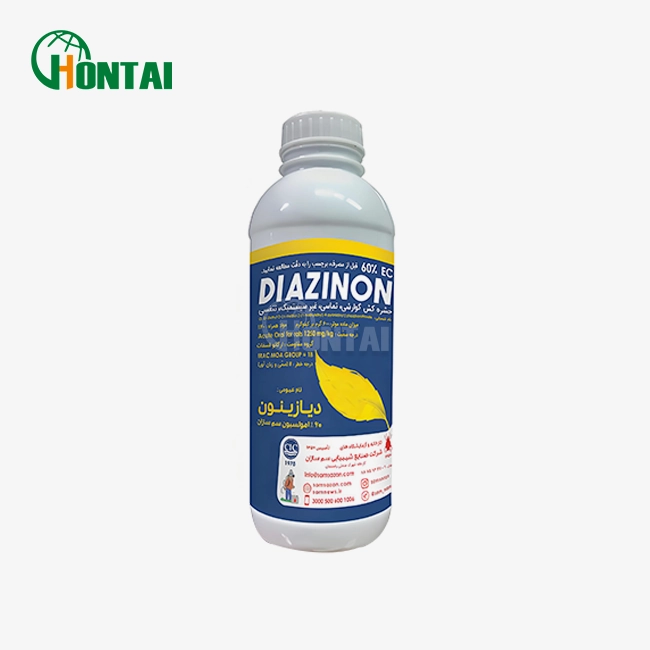
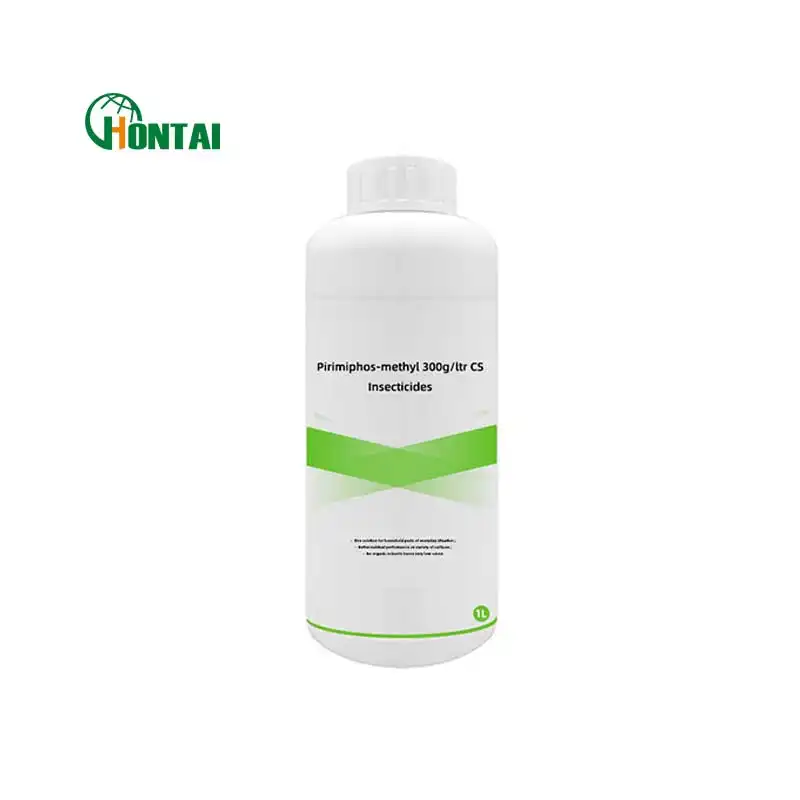

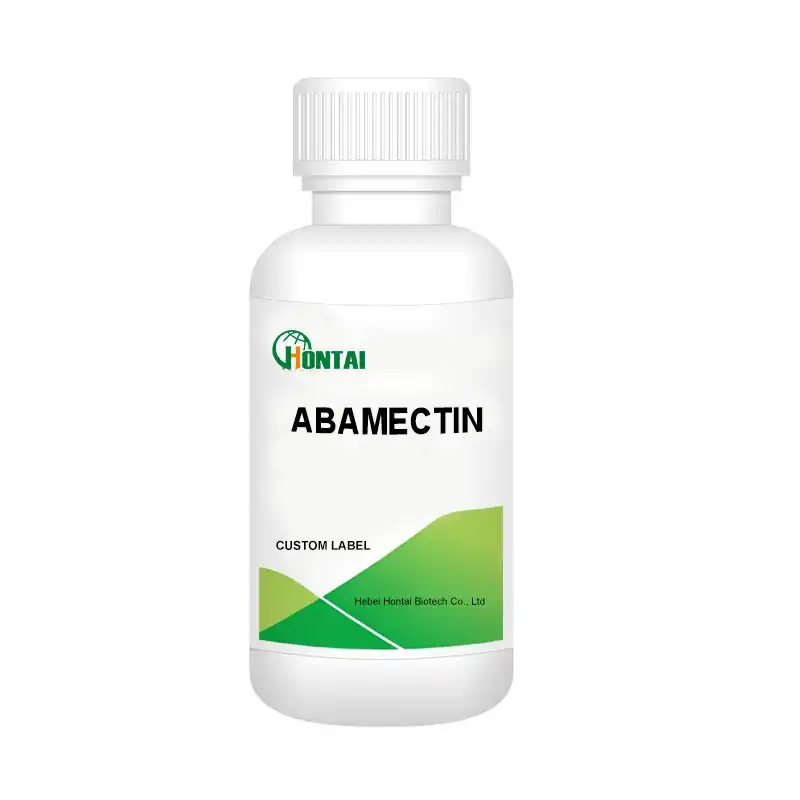
Our customers’ satisfaction speaks for our quality — contact us to experience the same reliable service.