- English
- French
- German
- Portuguese
- Spanish
- Russian
- Japanese
- Korean
- Arabic
- Greek
- German
- Turkish
- Italian
- Danish
- Romanian
- Indonesian
- Czech
- Afrikaans
- Swedish
- Polish
- Basque
- Catalan
- Esperanto
- Hindi
- Lao
- Albanian
- Amharic
- Armenian
- Azerbaijani
- Belarusian
- Bengali
- Bosnian
- Bulgarian
- Cebuano
- Chichewa
- Corsican
- Croatian
- Dutch
- Estonian
- Filipino
- Finnish
- Frisian
- Galician
- Georgian
- Gujarati
- Haitian
- Hausa
- Hawaiian
- Hebrew
- Hmong
- Hungarian
- Icelandic
- Igbo
- Javanese
- Kannada
- Kazakh
- Khmer
- Kurdish
- Kyrgyz
- Latin
- Latvian
- Lithuanian
- Luxembou..
- Macedonian
- Malagasy
- Malay
- Malayalam
- Maltese
- Maori
- Marathi
- Mongolian
- Burmese
- Nepali
- Norwegian
- Pashto
- Persian
- Punjabi
- Serbian
- Sesotho
- Sinhala
- Slovak
- Slovenian
- Somali
- Samoan
- Scots Gaelic
- Shona
- Sindhi
- Sundanese
- Swahili
- Tajik
- Tamil
- Telugu
- Thai
- Ukrainian
- Urdu
- Uzbek
- Vietnamese
- Welsh
- Xhosa
- Yiddish
- Yoruba
- Zulu
What is the use of spiroxamine?
share:
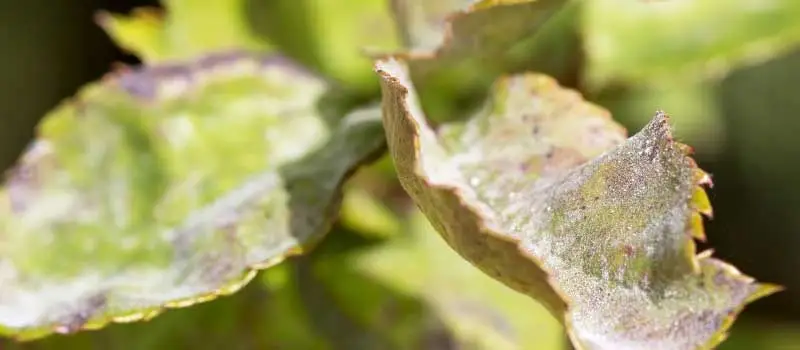
Spiroxamine is a systemic pesticide that is mostly used on wheat and grapes to stop powdery mildew and rust diseases. Because of how it works, it specifically targets fungus sterol biosynthesis, which stops disease growth and changes the way cell membranes form. When used at rates of 500 to 750 g/ha on grain crops and 400 g/ha on grapes, this active ingredient stops, heals, and gets rid of major fungal risks. Spiroxamine is valued by farmers because it quickly penetrates plants, can handle resistance, and can be mixed with other crop protection agents in tank mixes.
Understanding Spiroxamine: Chemical and Functional Overview
Spiroxamine is a chemical that works as a FRAC Group 5 (amines) sterol biosynthesis inhibitor. It is in the spiroketalamine chemical class. In contrast to triazole fungicides, which stop C14-demethylation, this substance targets the Δ14-reductase and Δ8→Δ7-isomerase enzymes in the ergosterol production pathway. Spiroxamine is a powerful drug against resistant strains because it affects multiple enzymes involved in fungal metabolism. Its chemical formula is C18H35NO2, and its EINECS number is 41814-78-2.
Chemical Properties and Formulations
The active ingredient is made in a number of different formulations so that it can be used in a wide range of farming activities. There are 25% SC (suspension concentrate), 50% EC (emulsifiable concentrate), and 80% EC versions that can be bought. These liquid mixtures make sure that the chemicals are spread out evenly during spray applications and make it easier to use the right amount of chemicals for each type of plant. Keeping products stable and effective during the growing season means keeping them in cool, dry places.
Mode of Action and Fungal Target Sites
The chemical gets into plant tissue within 30 minutes of being applied, protecting plants even when the weather isn't reliable. This fast uptake solves a major problem for business farms where rain can wash away goods that were applied to the surface. Once the fungicide is taken, it moves through the plant's cells and reaches places that haven't been treated yet, stopping all diseases. This translaminar action protects both the top and bottom sides of the leaves, which is especially helpful in thick crop canopies.
Benefits and Applications of Spiroxamine in Agriculture
This pesticide is good for commercial farming because it kills a wide range of fungal Spiroxamine 95%Tc 25%Sc 50%Ec pathogens that hurt crops and businesses. Its main job is to kill powdery mildew, which is caused by Erysiphe graminis in grains and Uncinula necator in grapes. The compound works well against rusts like Rhynchosporium and Pyrenophora teres, in addition to its main targets. It also works against Septoria diseases that threaten wheat quality and growth.
Disease Control in Cereal Crops
Powdery mildew attacks, which lower the plant's ability to make food and fill its grains, cause big yield losses in wheat, barley, and other grain crops. Application rates of 500 to 750 g/ha are enough to keep plants under control during key times of growth. Large farmers who work on hundreds to thousands of hectares of land value this constant performance because it helps them meet the quality standards that commodity markets expect for their crops. The fungicide's ability to heal lets you choose when to spray it, so you can work around practical limits during busy application times. Infection processes speed up when the environment is good, which makes rust diseases even more dangerous to crop production. The compound's ability to kill these pathogens has two benefits: it makes spray programs easier to use and lowers the cost of application. This ability to target more than one thing is useful for agronomists who are trying to make combined crop management plans that are both effective and cost-effective.
Viticulture Applications and Grape Protection
Powdery mildew is always a problem for grape growers because it lowers the grade of the fruit and makes wine grapes less marketable. When used in a cycle with other fungicide groups, 400 g/ha of application protects for the whole season. Managers of vineyards like that the substance doesn't leave much of a residue on the fruit bunches and doesn't interfere with the harvesting schedule. The systemic movement gets to growing berries that are grouped together tightly, making it hard to cover with sprays and touch fungicides alone.
Resistance Management and Tank Mix Synergies
When fungal bacteria are exposed to fungicides with the same mode of action over and over, they build up tolerance. Spiroxamine is in FRAC Group 5, which means it needs to be used with both DMI fungicides (triazoles) and QoI fungicides (strobilurins). Studies on penetration show that tank mixes that include this substance and triazoles make it easier for plants to take in triazoles, which makes the mixtures more effective overall. Because of this synergistic effect, agrochemical wholesalers can suggest the best spray plans that make multiple active ingredients last longer. Mixing or switching fungicides with different target spots is good for programs that try to control resistance. Agricultural experts who are making plans to protect crops use this idea to make sure that there are long-term ways to control diseases. The compound's unique molecular target keeps it working even in places where other types of fungicides are losing their ability to kill pathogens that have become resistant to them.
Comparing Spiroxamine with Other Fungicides: Making Informed Decisions
When choosing fungicides, procurement managers who are looking at crop protection packages have to think about a number of things. Spiroxamine has clear benefits over other chemicals, but it comes with its own set of costs, activity ranges, and application issues that Spiroxamine 95%Tc 25%Sc 50%Ec need to be thought through. By understanding these trade-offs, you can make choices that are in line with your budget and practical needs.
Efficacy and Spectrum of Activity
This chemical is better at getting rid of infections that are already there than azoxystrobin and other strobilurin fungicides. While QoI fungicides are great at stopping diseases before they start, but not so good at stopping them once they do, the amine fungicide stops disease growth even after the first signs show up. This trait lowers crop loss when spraying plans are pushed back because of bad weather or a lack of tools. Triazole fungicides can kill a wider range of diseases, such as Septoria tritici blotch and Fusarium head blight. However, powdery mildew populations that are resistant to DMI fungicides have made them less useful as single treatments. The compound keeps working well against these changed strains, which makes it better for cases where tracking resistance shows that triazole isn't working as well.
Cost-Effectiveness and Return on Investment
The supplied cost per hectare is affected by the wholesale prices of different formulation ratios. Even though 80% EC formulas seem to cost more per liter, their higher concentration makes them cheaper to ship and store for large-scale activities. Importers and sellers of agrochemicals use these factors to figure out their profit margins and choose formulation types that lower both product cost and transportation costs. Fungicide costs are looked at by commercial farms by looking at quality bonuses and yield protection. Keeping grains from getting powdery mildew protects their test weight and protein content, which means they can fetch higher prices when they are delivered. The compound's proven effectiveness makes up for its high price when quality standards lead to big price differences. In addition to easy disease control measures, these market factors must be taken into account when figuring out the return on investment.
Supplier Reliability and Product Consistency
The trustworthiness of the manufacturer affects buying choices, especially for buyers who are in charge of long-term supply contracts. Hebei Hontai Biotech Co., Ltd. was founded in 2021 and is based in Shijiazhuang, Hebei province. They make plant growth regulators, pesticides, fungicides, and herbicides. As a supplier of Spiroxamine, the business offers different formulations with customizable labels and bottle options. This gives regional wholesalers and private-label buyers the packaging options they need. Quality consistency between groups of production makes sure that performance in the field is reliable and that regulations are followed. International trade rules are supported by export paperwork like safety data sheets and certificates of analysis. Distributors give more weight to sellers who have clear manufacturing standards and established quality assurance processes that make it easier for goods to clear customs and get approved for sale in destination countries.
How to Procure Spiroxamine: A B2B Guide
Global procurement managers get crop protection goods from authorized distributors, direct ties with manufacturers, or specialty trading sites for agrochemicals. Each way to buy something has its own benefits when it comes to minimum order amounts, payment terms, and coordinating logistics. By understanding these routes, you can do efficient sourcing that Spiroxamine fits your business's size and place in the market.
Identifying Qualified Suppliers
Reputable companies keep a lot of information about their products, like whether they are registered, toxicological reports, and data from effectiveness trials. Buyers should check the qualifications of suppliers using databases for the business and ask current customers for examples. Giving technical help and application advice shows that a company cares about more than just making sales. They add value to their customers' success through their agricultural knowledge. Hontai's professional sales team provides expert help with quick response times and full technical advice for a wide range of farming problems. This service orientation meets the information needs of crop protection experts and agricultural service providers who give product advice to end users. Long-term relationships are strengthened by after-sales help that includes fixing application problems and answering questions about how the product works.
Packaging and Shipping Considerations
International bulk sales are usually sent in 200-liter drums or 1000-liter intermediate bulk containers (IBCs). Smaller amounts can be sent in containers chosen by the customer. Labeling that is made just for you can meet the rules in different markets, like language standards, danger classifications, and use instructions that are in line with local registration rules. Because there are different packaging choices, distributors can make private-label names that are specific to the needs of local markets.For shipping operations for liquid formulations, storage must be kept at a controlled temperature, and proper paperwork for dangerous materials must be carried during transport. Hontai's quick global logistics make sure that shipping is efficient, supplies stay stable, and deliveries happen on time, which helps customers' farming production plans around the world. Freight forwarders with a lot of experience can handle customs processes and phytosanitary certification requirements with ease, avoiding delays that could ruin seasonal application windows.
Quality Assurance and Regulatory Compliance
Before making big purchases, product samples let labs check the amount of active ingredients and the security of the mixture. Third-party testing services confirm the specs of a product in an unbiased way, which lowers the risk of buying it. Suppliers who offer product warranties and refund promises for materials that don't meet specifications show that they have faith in the quality control of their products. The state of registration depends on the market where the product is going. For example, some countries need to register a product locally before it can be sold commercially. Manufacturers who help with the filing process by providing study data and governmental dossiers make it easier for new products to reach the market. Buyers should check to see if the product is registered in the places they want to sell it and see if the supplier is willing to offer technical help during the review process by regulators.
Conclusion
Spiroxamine is an important part of current crop protection programs because it consistently stops powdery mildew and rust diseases in both grain and grape production systems. Its unique way of working solves problems with resistance control while also offering healing properties that work with the way large-scale farming operations work. When coming up with buying strategies, procurement professionals find it helpful to know about the compound's chemical qualities, application factors, and compatibility characteristics. Choosing qualified providers with a history of reliability is important for keeping crop protection programs going throughout all growing seasons because it ensures product quality, regulatory compliance, and supply chain reliability.
FAQ
1. What safety precautions are necessary when handling this fungicide?
During mixing and application, operators should wear the right safety gear, such as gloves, eye protection, and long-sleeved clothes. The item needs to be kept in cool, dry places that aren't near food, water, or feed. Following the label's reentry and pre-harvest interval directions keeps workers safe and makes sure that the goods that are gathered meet residue limits.
2. How long does the compound persist in the environment after application?
The half-life of the active ingredient in soil is usually between a few weeks and a few months, but can be longer or shorter based on temperature, wetness, and type of soil. This mild endurance keeps diseases at bay all season while limiting their ability to spread to new crops. The rate of decline meets international standards for environmental safety, which supports farming methods that are good for the environment.
3. Can this fungicide be tank-mixed with other crop protection products?
Some pesticides and agrochemicals can be mixed with others, but it depends on the product and the quality of the water. Before mixing on a large scale, physical compatibility tests make sure that recipes stay steady and don't separate or clump. Chemical compatibility tests show that biological activity stays the same or gets better. For example, tank mixes for triazole fungicides make them easier for plants to absorb. Before mixing, you should always read the labels and do jar tests.
Partner with Hontai for Reliable Spiroxamine Supply
Agricultural businesses that want to buy reliable Spiroxamine do best to work with well-known producers who offer steady quality and full support. For users in all over the world, Hontai offers reliable goods, full after-sales support, and unique solutions for agricultural needs. Our formulas, which include 25% SC, 50% EC, and 80% EC choices, meet a range of application needs while still meeting the high standards for effectiveness required by commercial agriculture.
You can email our team at admin@hontai-biotech.com to get full technical data sheets, personalized quotes, or product samples that are made to fit your particular needs. We help procurement managers and distributors by offering open customization options, stable supply lines, and expert advice on how to solve tough farming problems.
References
1. Fungicide Resistance Action Committee (FRAC). "FRAC Code List: Fungal Pathogens Resistance Risk and Management." International Fungicide Resistance Action Committee, 2023.
2. Hewitt, H.G. "Fungicides in Crop Protection, Second Edition." CAB International Publishing, 2021.
3. Russell, P.E. "A Century of Fungicide Evolution." Journal of Agricultural Science, Vol. 143, 2020, pp. 11-25.
4. Stammler, G. and Semar, M. "Sensitivity of Powdery Mildew Pathogens to Sterol Biosynthesis Inhibitors." Pesticide Science Review, Vol. 28, 2019, pp. 304-318.
5. United States Environmental Protection Agency. "Pesticide Product Label System: Spiroxamine Technical Registrations." EPA Office of Pesticide Programs, 2022.
6. Walter, H. "Morpholine Fungicides: Chemistry and Disease Control Applications." Crop Protection Monographs, Vol. 15, 2021, pp. 187-203.

Our customers’ satisfaction speaks for our quality — contact us to experience the same reliable service.