- English
- French
- German
- Portuguese
- Spanish
- Russian
- Japanese
- Korean
- Arabic
- Greek
- German
- Turkish
- Italian
- Danish
- Romanian
- Indonesian
- Czech
- Afrikaans
- Swedish
- Polish
- Basque
- Catalan
- Esperanto
- Hindi
- Lao
- Albanian
- Amharic
- Armenian
- Azerbaijani
- Belarusian
- Bengali
- Bosnian
- Bulgarian
- Cebuano
- Chichewa
- Corsican
- Croatian
- Dutch
- Estonian
- Filipino
- Finnish
- Frisian
- Galician
- Georgian
- Gujarati
- Haitian
- Hausa
- Hawaiian
- Hebrew
- Hmong
- Hungarian
- Icelandic
- Igbo
- Javanese
- Kannada
- Kazakh
- Khmer
- Kurdish
- Kyrgyz
- Latin
- Latvian
- Lithuanian
- Luxembou..
- Macedonian
- Malagasy
- Malay
- Malayalam
- Maltese
- Maori
- Marathi
- Mongolian
- Burmese
- Nepali
- Norwegian
- Pashto
- Persian
- Punjabi
- Serbian
- Sesotho
- Sinhala
- Slovak
- Slovenian
- Somali
- Samoan
- Scots Gaelic
- Shona
- Sindhi
- Sundanese
- Swahili
- Tajik
- Tamil
- Telugu
- Thai
- Ukrainian
- Urdu
- Uzbek
- Vietnamese
- Welsh
- Xhosa
- Yiddish
- Yoruba
- Zulu
What is the difference between pyraclostrobin and azoxystrobin?
share:
When picking fungicides for large-scale farming, learning the differences between active ingredients that are similar can make a big difference in how well your crops are protected and how much money you make. Pyraclostrobin and azoxystrobin, both strobilurin fungicides, work by stopping fungi from breathing. They are both in the quinone outside inhibitor (QoI) class. Azoxystrobin is better at controlling diseases in a slightly different way and is better at translaminar movement. Both work in a similar way, but pyraclostrobin is better at improving plant health (the AgCelence effect) and staying strong in the rain. These variations impact how well something works, when it should be used, how to handle objections, and finally, what to buy.
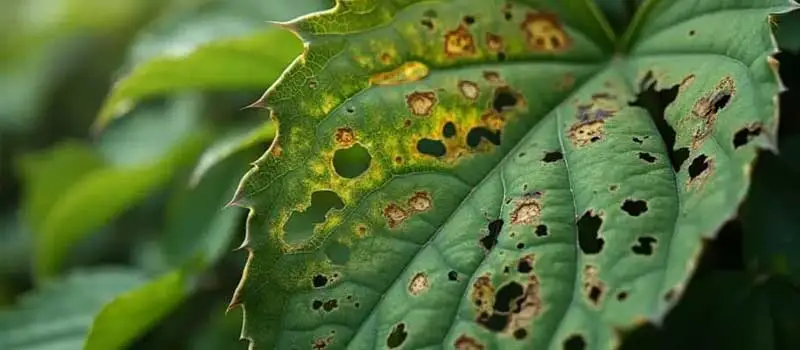
Understanding Pyraclostrobin and Azoxystrobin: Chemical Properties and Mode of Action
You can tell them apart because they are both strobilurin chemicals, and they kill fungus by stopping mitochondrial metabolism. They go after cytochrome bc1 (Complex III) in fungal cells. Pathogens can't get energy because of this problem, which stops the growth of ascomycetes, basidiomycetes, deuteromycetes, and oomycetes seeds and mycelium.
Chemical Structure and Formulation Differences
Pyraclostrobin is more lipophilic than azoxystrobin and has the chemical name methyl N-[1-(4-chlorophenyl)-1H-pyrazol-3-yloxymethyl]phenyl(N-methoxy)carbamate. This trait helps it stick to the waxy layers of leaves, building a strong defense. Commercial goods are made by companies like Hontai. These include suspension concentrates (25% SC and 30% SC), wettable powders (70% WP), and soluble liquids (50% SL). Each one is made to do a certain job. It is easier for water to break down azoxystrobin (methyl (E)-2-[6-(2-cyanophenoxy)pyrimidin-4-yloxy]phenyl}-3-methoxyacrylate). This makes it faster for the xylem to take in water and for the circulating fluid to move up. This is a great way to protect new growth that comes up after treatment because it can move to new places.
Environmental Stability and Residual Activity
Pyraclostrobin maintains its chemical stability across pH ranges of 4 to 9, demonstrating excellent photostability in field conditions. It stays waterproof for one to two hours after you put it on because it has a strong skin bond. This means it doesn't have to be put on again as often when the weather isn't certain, which happens a lot in business farming. Because it breaks down more quickly in alkaline environments and when it comes in contact with UV light, azoxystrobin may not be as useful in places with a lot of sunlight. It does break down faster in soil, though (DT50 of 70–100 days vs. 90–120 days for pyraclostrobin), which could be good for companies that want to be as eco-friendly as possible.
Efficacy and Crop Application: Performance in Disease Control
These fungicides don't act the same way in the lab as they do in the field. If you know which Boscalid pyraclostrobine diseases each one fights best, you can make the best choice for the diseases that hurt your crops.
Disease Control Spectrum and Dosing
Pyraclostrobin is very good at getting rid of many leaf diseases, including anthracnose, powdery mildew, downy mildew, late blight, septoria leaf spot, and many types of rust. The best amount to use per hectare is between 100 and 200 g of active ingredient, but this depends on the type of crop and the number of diseases that are present. It is better than azoxystrobin at managing early blight (Alternaria solani) and sticky stem blight in vegetable gardens, especially those that grow tomatoes and cucurbits. When azoxystrobin is sprayed on or mixed into the soil, it works better against soil-borne diseases like Rhizoctonia and Pythium species. Because it works on the whole plant, it is very good at stopping diseases in crops, especially wheat leaf rust and barley net blotch. Flag leaves are kept safe by their steady rise, which is important for grain fill.
Resistance Management Strategies
Both fungicides have trouble with resistance because they only work in one place. The Fungicide Resistance Action Committee (FRAC) says that all QoI fungicides are in Group 11. Changes in resistance that happen in one strobilurin often happen in others as well. This means that resistance control needs to be carefully planned. The best way to stop resistance is still to use different kinds of fungicides. A lot of selection pressure is lost when you mix pyraclostrobin or azoxystrobin with different types of protectants, such as chlorothalonil or mancozeb, or with DMI fungicides, such as tebuconazole. There are already a lot of products on the market that mix pyraclostrobin with other active ingredients that work well with it. One example is that pyraclostrobin and boscalid work together to better fight disease and stop resistance.
Integration with IPM Programs
Integrated Pest Management methods can use pyraclostrobin's special effects on the body to do more than just get rid of diseases. Studies have shown that pyraclostrobin helps plants use nitrogen better, slows maturity, and makes them more resistant to stress, even when there aren't any diseases around. A group of these health benefits for plants is called the AgCelence effect. This is why they are used during important reproductive growth stages in high-value crops, which increases their quality and yield potential. Azoxystrobin doesn't have these strong effects on the body, but it can be used at different times because it moves through the body. It can be used earlier in the crop's growth because growers know it will protect the new cells that form after it is put on.
Cost, Availability, and Procurement Considerations for B2B Buyers
Besides how well something works technically, the way it is bought can also change prices, make the supply chain less unstable, and affect how well it follows the rules. All of these things have a direct impact on how well the business runs and how much money it makes.
Price Dynamics and Bulk Purchasing
Most of the time, generic versions of Pyraclostrobin cost 15–25% less than brand-name versions. Material that is 96% TC can be bought in bulk for $45 to $65 per kilogram, depending on the seller and the amount that is bought. The new azoxystrobin material costs a little more, $50 to $70 per kilogram, because it takes more work to make. Unit prices change a lot when volume deals are made. If you buy more than 5,000 liters of a ready-made item, you can often save 10 to 18% on the price. If you make yearly deals with companies like Hontai, you can get better prices and be sure that Boscalid pyraclostrobine you always have product on hand during busy application times, when spot market prices rise.
Supplier Evaluation and Quality Assurance
It is important for business-to-business buyers to look for a few key traits in pesticide suppliers that they can trust. EPA registration numbers, safety data sheets, and proof of analysis for each batch are some of the pieces of paper that make sure the process is always the same. Licenses for manufacturing, such as ISO 9001 and GMP approval, prove that the process is always the same. Hontai has strict rules for quality control that make sure its goods meet high technical standards. Some of the things that are checked are the particle size distribution (D90 < 5 microns for solution concentrates), the susceptibility being more than 90%, and the amount of active ingredient being within ±2% of what the label says. These things have a direct effect on how well spray tools work in the field and how well they fit the job.
Packaging, Logistics, and Regulatory Compliance
For small-scale activities, 200-liter drums and 1,000-liter intermediate bulk containers (IBCs) are used. For large-scale events, one-liter bottles are used. As many farming companies now try to be more eco-friendly, bulk packaging helps them reach their goals. It cuts down on trash and costs per unit. International packages must be properly labeled by the UN (usually Class 9 for environmental risks), have fumigation certificates for certain areas, and meet the country's registration standards in order to get to the right place. Sellers with a lot of experience take care of all the export paperwork and know what the rules are in the country where the goods are going. This keeps packages from getting stuck or turned down at customs, which can cost a lot of money.
Environmental Impact and Safety: What Procurement Managers Must Know
When making choices, responsible buyers look at both the law and the company's claims to be environmentally friendly. It means taking care of the earth and making sure that people are safe.
Toxicity Profiles and Non-Target Organism Effects
People who work on farms can use both fungicides without much worry as long as they follow the directions on the box. This is because they are generally safe for mammals (WHO Class II or III). But we need to take a close look at their marine danger ratings. Pyraclostrobin is very harmful to fish and other sea creatures, so there needs to be a safety zone near bodies of water and strong supervision while it is being mixed and loaded. Pollinators' safety is something else you should think about. When bees touch either chemical, it's not very dangerous, but when the spray falls dry on flowers, it's not very dangerous either. Even lower exposure risks can be reached by applying in the early morning or late evening, when pollinators aren't out and about.
Soil Persistence and Degradation Pathways
Pyraclostrobin sticks tightly to soil organic matter (Koc 1,500–3,000), which keeps it from moving and lowers the chance that groundwater will be exposed. Biofilms are the main way that toxins break down. Based on the temperature, how wet the earth is, and the amount of microbes in it, half-lives range from 30 to 120 days. When it's cooler and the earth is clay, resistance lasts longer. This could change the crops that are used in the cycle. Only a small amount of azoxystrobin goes through soils (Koc 200–400), so it's important to keep an eye on the flow, especially in places that slope or Pyraclostrobin 15%+ Thiophanate-Methyl 80%Wp have sandy soils with little organic matter. With more oxygen, it breaks down faster, which could be good for businesses that are switching to organic products and are afraid of trash piling up.
Regulatory Compliance and Sustainability Practices
Environmental rules are tougher than before. Treatment records must be kept, maximum residue levels (MRLs) must be met for export markets, and workers must be taught how to stay safe. Full expert support from suppliers helps make sure that goods are used in a way that is legal and makes them work better. More and more, people who buy with sustainability in mind look at product lifetime studies. These studies show things like how much energy was used to make the product and how easy it is to recycle the packaging. Companies that need to report on sustainability should work with service providers that use valid management systems and give clear reports to show that they care about the environment.
Making the Right Choice: Which Fungicide Suits Your Needs?
To pick between Pyraclostrobin and azoxystrobin, you need to think about your specific needs, the crops you grow, the diseases that are common in the area, and your overall strategy goals.
Crop-Specific Recommendations
Because it doesn't break down in water and doesn't react with other chemicals, pyraclostrobin is best for veggie and fruit farms that need to keep plant diseases under control. Grape growers have to deal with powdery mildew, tomato growers have to deal with early blight, and apple trees have to deal with scab. In all of these cases, the pyraclostrobin mixtures work the same way, no matter what the weather is like. A lot of grain farmers and row crop companies that grow corn, wheat, soybeans, or canola like azoxystrobin because it moves around the plant's system and fights both leaf and stem diseases well. It should be used during important stages of reproduction because it can protect flag leaves that are still growing on wheat and corn ears.
Balancing Efficacy, Cost, and Sustainability
High-value specialty crops are often a reason to pay more for things that work better and are better for plants. Marketable yields have been shown to rise by 5–12% in tests using Pyraclostrobin due to its AgCelence effects, such as improved stress resistance and delayed senescence. This means that more sales can meet the cost of making the product more expensive. When there is a lot of disease pressure, and you don't need expensive products, cheap azoxystrobin recipes are a good choice because they are cost-effective. You can keep your costs down and control resistance by switching between strobilurin and non-strobilurin pesticide classes from season to season.
Procurement Decision Checklist
You should think about more than just the price of a product when you decide what Pyraclostrobin 15%+ Thiophanate-Methyl 80%WP to buy. Being sure that the disease spectrum fits with your specific virus issues is the best way to deal with real threats, not just general ideas. This helpful group of chemicals will keep working for a long time as long as they can work with the pesticides you already have and deal with tolerance. Dependability in suppliers, which includes consistent product quality, on-time delivery, easy access to expert help, and quick customer service, keeps things going easily during important application windows. Regulatory compliance proof and safety profiles have an impact on both the law and workers' safety plans.
Conclusion
If you know the difference between Pyraclostrobin and azoxystrobin, you can buy the right things for your business. Pyraclostrobin's better rainfastness, translaminar movement, and plant health effects make it ideal for high-value crops and unpredictable weather conditions, while azoxystrobin's systemic mobility and low cost make it perfect for grain production and operations on a tight budget. Two smart ways to deal with fungicide resistance are to rotate the tank and mix the contents of the tank. A good procurement method takes into account cost, source trust, and goals for sustainability, as well as scientific performance. You can get consistent goods that follow all the rules and expert support that will help you get the most out of your crop safety investment if you work with makers who have been in the business for a while.
FAQ
1. Can pyraclostrobin and azoxystrobin be tank-mixed with other crop protection products?
The pH level of both fungicides can be kept between 5 and 8. They can be mixed with many poisons, pesticides, and nutrients. But don't mix it with things that are very alkaline (pH > 9) or strong oxidizers that could damage the active ingredients. Before you clean up a lot of land, you should always test your water source and the tank filters you want to use in a jar. When there are problems with harmony, it can cause precipitation, less efficiency, or phytotoxicity. Get help from your service provider's tech team to find the best combinations for your business.
2. How many applications can I make per season without increasing resistance risk?
FRAC rules say that you should only use QoI fungicides twice in a row during the growing season, and each time you should try a different mode-of-action class. When strobilurin is mixed with different single-site partners or multi-site protectants in a tank, the selection pressure goes down. This is true even when more than one application is being made. Keep a close eye on how well the program is doing. If it's not stopping diseases as well as it should, resistance may be growing, which means the program needs to be changed right away. These useful tools will last longer if you use a number of resistance control methods.
3. What is the typical shelf life of formulated products?
If you store formulas the right way, they will continue to work as directed for two to three years. Keep containers in cool, dry places that aren't in full sunlight or very hot places. While they are being kept, suspension concentrates should be mixed up every so often so that they don't settle. On the other hand, wet powders should be covered up so they don't soak up water. Always check items before using them. If they separate, have crystals, or smell funny, it could mean they are breaking down and need to be replaced. Make sure you buy enough material for the season so that you always have fresh stuff that works well.
Partner with Hontai for Your Pyraclostrobin Needs
Hebei Hontai Biotech Co., Ltd. is ready to give you Pyraclostrobin when you need it. Because they follow the strict rules of industrial agriculture, the strobilurin goods they make are always of high quality. There are different formulas (25% SC, 30% SC, 70% WP, and 50% SL) in our large selection of goods that are made to work with your crop collection in a number of different situations. We keep a close eye on quality during production to make sure that the right amounts of active ingredients, particle size, and resistance are used. These rules have a direct effect on how well the product does in the real world. That's not all Hontai does for you. They also offer full technical support, a variety of packing choices, custom labeling, and fast global operations to make sure your business stays stocked during busy times. Our knowledgeable staff can be reached at admin@hontai-biotech.com to discuss your specific requirements, request samples of our products, or learn more about how our pyraclostrobin seller services can assist you in achieving your purchasing goals and enhancing your crop protection program.
References
1. Bartlett, D.W., Clough, J.M., Godwin, J.R., Hall, A.A., Hamer, M., and Parr-Dobrzanski, B. (2002). "The strobilurin fungicides: Review of mechanisms, properties and commercial performance." Pest Management Science, 58(7), 649-662.
2. Fernández-Ortuño, D., Torés, J.A., de Vicente, A. y Pérez-García, A. (2008). "Mechanisms of resistance to QoI fungicides in phytopathogenic fungi." International Microbiology, 11(1), 1-9.
3. Köhle, H., Grossmann, K., Jabs, T., Gerhard, M., Kaiser, W., Glaab, J., Conrath, U., Seehaus, K., and Herms, S. (2002). "Physiological effects of the strobilurin fungicide F 500 on plants." Modern Fungicides and Antifungal Compounds III, 61-74.
4. Margot, P., Huggenberger, F., Amrein, J., and Weiss, B. (1998). "CGA 279202: A new broad-spectrum strobilurin fungicide." Brighton Crop Protection Conference: Pests and Diseases, Volume 2, 375-382.
5. United States Environmental Protection Agency (2019). "Pyraclostrobin and Azoxystrobin: Environmental Fate and Ecological Risk Assessment." Office of Pesticide Programs, Washington, DC.
6. Fungicide Resistance Action Committee (2021). "FRAC Code List: Fungicides sorted by mode of action (including FRAC Code numbering)." CropLife International, Brussels, Belgium.
Our customers’ satisfaction speaks for our quality — contact us to experience the same reliable service.