- English
- French
- German
- Portuguese
- Spanish
- Russian
- Japanese
- Korean
- Arabic
- Greek
- German
- Turkish
- Italian
- Danish
- Romanian
- Indonesian
- Czech
- Afrikaans
- Swedish
- Polish
- Basque
- Catalan
- Esperanto
- Hindi
- Lao
- Albanian
- Amharic
- Armenian
- Azerbaijani
- Belarusian
- Bengali
- Bosnian
- Bulgarian
- Cebuano
- Chichewa
- Corsican
- Croatian
- Dutch
- Estonian
- Filipino
- Finnish
- Frisian
- Galician
- Georgian
- Gujarati
- Haitian
- Hausa
- Hawaiian
- Hebrew
- Hmong
- Hungarian
- Icelandic
- Igbo
- Javanese
- Kannada
- Kazakh
- Khmer
- Kurdish
- Kyrgyz
- Latin
- Latvian
- Lithuanian
- Luxembou..
- Macedonian
- Malagasy
- Malay
- Malayalam
- Maltese
- Maori
- Marathi
- Mongolian
- Burmese
- Nepali
- Norwegian
- Pashto
- Persian
- Punjabi
- Serbian
- Sesotho
- Sinhala
- Slovak
- Slovenian
- Somali
- Samoan
- Scots Gaelic
- Shona
- Sindhi
- Sundanese
- Swahili
- Tajik
- Tamil
- Telugu
- Thai
- Ukrainian
- Urdu
- Uzbek
- Vietnamese
- Welsh
- Xhosa
- Yiddish
- Yoruba
- Zulu
Diazinon: Top Non Toxic Pesticide
share:
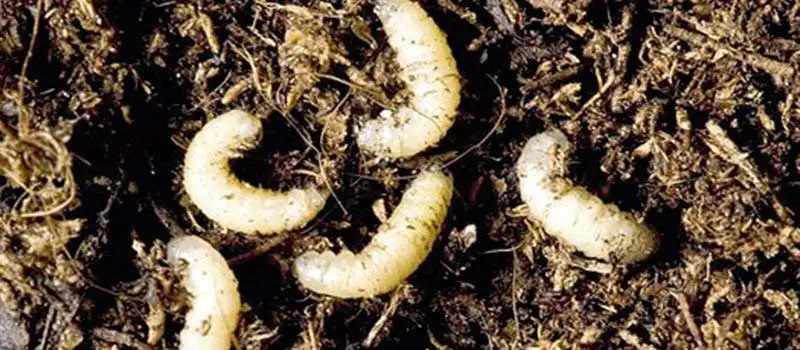
When commercial growers and pest control professionals search for effective insect management solutions, Diazinon consistently emerges as a reliable organophosphate insecticide. Its broad-spectrum activity addresses key agricultural pests while maintaining a manageable safety profile when handled according to industry protocols. We recognize that large-scale operations demand both potency and predictability, and this compound delivers on both fronts through contact and stomach action against aphids, rootworms, stem borers, and ectoparasites in livestock settings.
Understanding Diazinon – Properties and Safety Profile
Chemical Composition and Mode of Action
Its chemical name is O, O-diethyl O-[4-methyl-6-(propan-2-yl)pyrimidin-2-yl] phosphorothioate, and its molecular formula is C₁₉H₂₆O₄S. Diazinon kills acaricides and insects without going through the body's systems. Its main effect is touch, but it also has inhalation effects that make it effective against pests that hide in thick vegetation and dirt. The chemical stops acetylcholinesterase from working in specific species. This stops nerve signals from getting through, paralyzing and killing insects and mites.
Available Formulations and Purity Grades
Multiple versions of the substance are made to meet the needs of a wide range of applications. The 90% pure technical concentrate is used to make finished goods, while the 30% wettable powder and 57% emulsifiable concentrate forms are used in the field. We sell Diazinon as a liquid that has a distinctive yellow color. Standardized production methods make sure that the quality is the same from batch to batch. There is strict quality control on every recipe to make sure that it stays stable and effective for three years when kept dry.
Safety Characteristics in Agricultural Use
When treated according to safety rules, this active ingredient is less likely to cause acute poisoning than other organophosphates. The chemical breaks down naturally in dirt and water, so it doesn't build up in the environment for a long time. When and how much to use can help achieve the goals of integrated pest control by lowering the risks to pollinators and useful insects. Applicators and Diazinon 60 Insecticide, creatures that aren't targets are both protected by buffer zones around bodies of water and following re-entry gaps.
Comparing Diazinon With Other Insecticides for Procurement Decisions
Performance Against Alternative Chemistries
When procurement teams look at herbicide options, they have to make hard choices that balance effectiveness, managing resistance, and following the rules. Figuring out how this organophosphate stacks up against other options helps make sense of its strategic role in crop safety plans.
Malathion is also an organophosphate, but it breaks down faster in the environment, which means it has less leftover action. For root-zone protection in vegetable crops, Diazinon is preferred because it offers longer pest control in soil applications.
Chlorpyrifos also controls a wide range of pests, but it is becoming harder to use in many places because of new rules. The product we're talking about still has a wider registration status for farming uses, which means that it can be bought without interruption.
Neonicotinoids deliver systemic activity that organophosphates can't compare to, but aphids and whiteflies have developed tolerance, which has made them less reliable. Rotation with Diazinon keeps neonicotinoid effectiveness by stopping the growth of resistance.
Pyrethroids work quickly by blocking sodium channels in the nerve, in contrast to blocking acetylcholinesterase. The organophosphate is an important rotation partner against pyrethroid-resistant populations because it hits different molecular targets.
These contrasts show that there isn't just one type of chemistry that works best in all situations. Businesses that want to save money can benefit from Diazinon's good price-to-performance ratio, especially for larvae that live in the soil and feeding stages that are hidden and can't be reached by surface sprays. It works well with most neutral agrochemicals, but not with alkaline ones like Bordeaux mixture. This makes tank mixing more flexible in complex pest complexes.
Procurement Guide – Sourcing Diazinon Safely and Efficiently
Identifying Qualified Suppliers
When choosing a factory partner, you need to look at more than just prices. Certified sellers show that they follow Good Manufacturing Practice guidelines and give a lot of paperwork, like Certificates of Analysis, Material Safety Data Sheets, and proof that they are registered with the government. Hebei Hontai Biotech Co., Ltd is a good example of these standards because it has vertically Diazinon 60 Insecticide integrated production capabilities and quality assurance procedures that make sure that all orders of the same product meet the same standards.
Bulk Purchasing and Logistics Considerations
Large-scale farming businesses and distributors need supply chains that are stable and can adapt to changes in seasonal demand. For liquid formulas, the minimum order quantity is usually 1000 liters. Delivery terms can be negotiated based on where the order is going and the amount of the order. Shipping goods in epoxy-lined drums keeps them from going bad while they're in transit, and labeling them correctly for safety makes sure they follow the rules at ports of entry. The lead time is usually between two and four weeks, but it depends on the type of mixture and any customization needs.
Quality Verification and Supplier Evaluation
You can avoid getting damaged materials by asking for new Certificates of Analysis before each shipment. Important requirements include purity levels that meet or go above 90% for scientific grade, acidity levels that stay within acceptable ranges, and proof that harmful impurities like O, S-TEPP stay below 0.02%. Suppliers who offer a range of packing choices, such as large totes and bottles with unique labels, show that they can meet the needs of a wide range of customers. We suggest building ties with manufacturers that offer technical help and service after the sale to answer questions about performance in the field.
Best Practices for Using Diazinon in Pest Control
Application Rates and Pest-Specific Methodologies
For best results, the formulation type and treatment method must be matched to the nature of the pest being targeted. Wireworms and cutworms can be controlled in corn and potato crops by mixing 2 to 4 kg of active ingredient into the soil per acre. Aphids and leaf-feeding bugs can't get to veggies and fruit trees that are sprayed with 0.5 to 1 kg/ha of foliar spray. Dip treatments for animals at certain ratios get rid of scab mites and blowfly strike in sheep without hurting the animals' health.
Resistance Management and Rotational Strategies
When one mode of action is used over and over again, it speeds up the development of resistance in pest populations. This organophosphate can be used in cycle programs with pyrethroids, carbamates, and biological agents to keep the susceptibility high from one generation to the next. Bioassay testing is used to check bug populations for less sensitivity. This lets managers know when control methods need to be changed before they fail in the field. We suggest that you only use chemicals for two seasons in a row before moving classes.
Protecting Beneficial Organisms
Protecting pollinators and natural foes as much as possible helps Insecticide Diazinon 60%Ec the environment provide benefits that lower pest pressure over time. Treating in the early morning or late evening, when bees aren't as busy, lowers your exposure. By choosing the right nozzle and keeping an eye on the wind speed, you can keep helpful insects from drifting onto growing plants. Predatory beetles and parasite wasps use buffer strips of untreated plants as safe havens. This is an example of biological control.
Why Diazinon is the Rational Choice for B2B Procurement
For large-scale pest control, you need methods that work right away, last a long time, and don't cost a lot of money. This organophosphate pesticide meets these needs because it has been shown to work well in tough conditions where other chemicals fail.
The compound kills bugs at different times of their lives by poisoning them through touch and digestion, so it doesn't have to be used more than once. Because it is stable in soil matrices, protective zones form around root systems during sensitive startup times. This keeps businesses from losing money to larvae that live underground. Formulation choices include wettable powders and emulsifiable concentrates, which work with a range of application tools and crop types. This makes transportation easier for distributors who work with different farming sectors.
Regulatory support in key farming markets makes it easier to keep buying chemicals, which is something that newer chemicals often lack during their registration phases. Setting maximum waste limits for major crops makes export paperwork easier and lowers the risk of noncompliance for farmers who want to sell their goods abroad. If you store it properly, the three-year shelf life keeps your product from going bad, which is helpful for distributors who have to deal with changing demand trends.
Supplier partnerships include more than just delivering products. They also include expert advice on things like tank-mix compatibility, resistance management methods, and the best times to use an application. We work with agronomists to improve use patterns that keep crops safe while still killing enough pests to meet our goals. This interactive method speeds up return on investment and lowers the cost of trying things out and learning from them.
Conclusion
Diazinon is still very important in industrial farming and expert pest control because it works reliably across a wide range of pests and is safe to use. Purchasing managers can stay ahead of the competition by buying from certified makers that offer stable quality, flexible formulations, and full technical support. The chemical works well with integrated pest management systems and has been shown to help with managing resistance, so it should be used in a variety of control programs. Making smart choices about where to get supplies by putting seller dependability, regulatory compliance paperwork, and application support at the top of the list will help businesses stay productive and profitable as farming markets change.
FAQ
1. How does Diazinon maintain stability during storage?
The product will last longer if it is kept away from water and high or low temperatures. Keeping it in epoxy-lined drums below 35°C stops the acidity from rising, which would break down the active ingredient. Adding preservatives for epoxidized soybean oil during preparation makes it last for three years longer.
2. Is this insecticide compatible with fungicides in tank mixes?
Most neutral fungicides work well with it, but copper-based products cause it to break down quickly. To stop breakdown, tank mixes should keep their pH between 6-7. Physical and chemical compatibility is confirmed by jar tests before large-scale mixing.
3. What advantages does it offer against resistant pest populations?
It works differently from pyrethroids and neonicotinoids because it blocks acetylcholinesterase. Because of this biochemical difference, it works against populations that are resistant to other chemical classes. This helps cycle tactics that keep susceptibility across multiple chemicals.
Partner with Hontai for Reliable Diazinon Supply
Partnerships with Hebei Hontai Biotech Co., Ltd. give agricultural businesses that need a reliable Diazinon manufacturer important benefits. Our production facilities in Shijiazhuang are vertically linked, which means that the quality of our 90% technical concentrate, 30% wettable powder, and 57% emulsifiable concentrate products is always the same. We offer customized packaging choices and full legal paperwork to make your purchasing processes run more smoothly. Our professional sales team answers technical questions quickly, and our global shipping network makes sure that goods get to you on time so that they can fit into your production schedules. Email us at admin@hontai-biotech.com to talk about bulk prices, product samples, and how our Diazinon options can help you get rid of pests more effectively.
References
1. World Health Organization. (2020). "The WHO Recommended Classification of Pesticides by Hazard and Guidelines to Classification." Geneva: WHO Press.
2. Environmental Protection Agency. (2019). "Organophosphate Pesticides: Mechanism of Action and Environmental Fate." Washington: EPA Office of Pesticide Programs.
3. Journal of Economic Entomology. (2021). "Efficacy of Organophosphate Rotations in Managing Pyrethroid Resistance in Agricultural Pests." Volume 114, Issue 3.
4. International Code of Conduct on Pesticide Management. (2018). "Guidelines on Pesticide Legislation for Agrochemical Distribution." Rome: FAO Publications.
5. Crop Protection Journal. (2022). "Comparative Analysis of Soil-Applied Insecticides for Root-Zone Pest Management." Volume 157, Pages 45-58.
6. Agricultural Chemicals Handbook. (2020). "Formulation Science and Storage Stability of Organophosphate Insecticides." London: Royal Society of Chemistry Publishing.
Our customers’ satisfaction speaks for our quality — contact us to experience the same reliable service.